



The Innovative MAEP Project: A Digital Twin for Participatory City Development in Maebashi
The Innovative MAEP Project: A Digital Twin for Participatory City Development in Maebashi
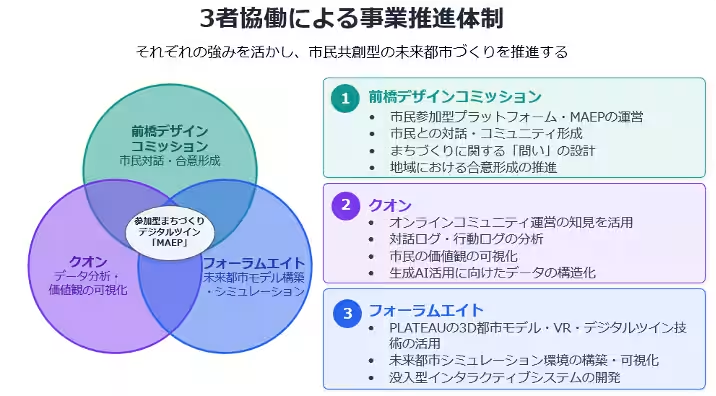
In a groundbreaking initiative, the Maebashi Design Commission, QUON, and Forum8 have joined forces to launch the MAEP (Maebashi ENGAWA Platform) project. This innovative digital twin aims to continually reshape the urban landscape of Maebashi by fostering a participatory approach to city development. By gathering and analyzing dialogue from various stakeholders—including citizens, businesses, and visitors—this initiative seeks to co-create a future city model that reflects the community’s aspirations.
Understanding the Concept of Digital Twins
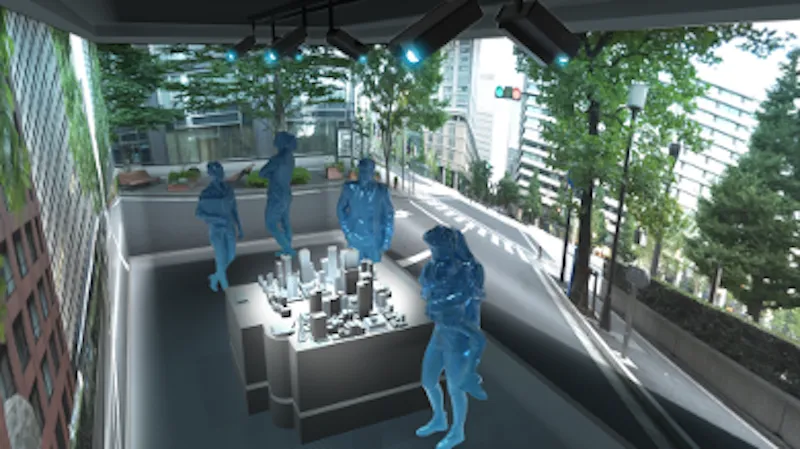
Digital twin technology enables the recreation of physical environments in virtual spaces. In the context of MAEP, this means transforming the city of Maebashi into a 3D urban model where real-time community input can be visualized and assessed. The project has been recognized as a PLATEAU use case and has been selected for the Ministry of Land, Infrastructure, Transport and Tourism’s 2026 Digital Infrastructure Support Project, highlighting its significance in urban planning and development.
A Collaborative Approach to Urban Development
The MAEP project represents a shift from traditional top-down city planning, where a select few determine the future, to a dynamic system that includes thousands of voices. Instead of the conventional method of public comment, this project leverages AI technology to integrate feedback from potentially hundreds of thousands of citizens. The results will illuminate how individual contributions shape the vision for Maebashi’s future.
Participants can engage with the digital model to check how their opinions and ideas influence urban development, fostering an ongoing dialogue about the city’s evolution. This not only enhances civic engagement but also strengthens the community's bond through active involvement in shaping their environment.
Real-World Applications and Demonstrations
The MAEP project is scheduled to showcase its digital twin interactive system at the First Maebashi International Art Festival, taking place from September 19 to December 20, 2026. Through this exhibition, citizens and visitors will actively participate in substantiating the digital twin. Their feedback and new ideas will be incorporated into the city model, creating an immersive experience that allows for real-time discussions and refinements based on community input.
This method ensures that the dialogue is reflective of the citizens' views, thereby constantly updating the envisioned future city. By promoting an interactive feedback loop, the MAEP project seeks to redefine citizen participation from merely gathering opinions to innovating collective city creation.
Looking Ahead: The Future of MAEP
The ultimate goal of MAEP is to develop a sustainable urban development model that allows community voices to dictate the future of their cities. Using Maebashi as a prototype, this initiative aims to establish a participatory planning framework with applications that can be replicated nationwide. As the project evolves, it is expected to contribute significantly to sustainable urban practices and revitalizing local communities in Japan.
For further engagement and to contribute your voice, visit the online community, the Maebashi ENGAWA Platform here.
Company Overview
Maebashi Design Commission
Headquarters: 2-1-6 Honmachi, Maebashi, Gunma
CEO: Keiichi Uruga
Website: maebashidc.jp
Forum8
Headquarters: 2-15-1 Konan, Minato, Tokyo
CEO: Yuji Ito
Website: forum8.co.jp
QUON
Headquarters: 2-14-5 Mita, Minato, Tokyo
CEO: Takashi Takeda
Website: q-o-n.com
Topics Other)
【About Using Articles】
You can freely use the title and article content by linking to the page where the article is posted.
※ Images cannot be used.
【About Links】
Links are free to use.