


Significant Rise in Cyber Threats in Japan: Gen's 2026 Q1 Report Reveals Alarming Trends
Major Increase in Cyber Threats in Japan: A Closer Look at Gen's 2026 Q1 Report
In a distressing turn of events, Gen, a global leader in cybersecurity, has unveiled its Q1 2026 Threat Report focusing on the Japanese market. The report highlights a jaw-dropping 145% increase in technical support scams alongside a stark rise in phishing attacks, fake e-commerce sites, and SMS fraud. Targeting the Japanese populace, these attacks reveal a worrying trend of leveraging human psychology to exploit individuals.
Phishing Attacks Surge
Phishing has emerged as the most prevalent method of cyber attack against consumers in Japan. In Q1 2026 alone, over 10.68 million phishing attacks were blocked, effectively safeguarding 2.23 million users. This represents nearly a 100% increase compared to the previous quarter's 5.56 million attacks. Noteworthy is the method of these attacks; users are often directed to login screens that deceptively resemble those of trusted services, leading to the theft of personal information like usernames and passwords.
Moreover, the data indicates that 80% of these attacks target Windows environments, though there's been a significant uptick in mobile-targeted attacks as well, with iOS devices alone accounting for 1.24 million phishing incidents. These attacks not only aim at stealing personal data but also pave the way for subsequent account takeovers and financial fraud, underscoring the urgent need for consumer vigilance.
Technical Support Fraud on the Rise
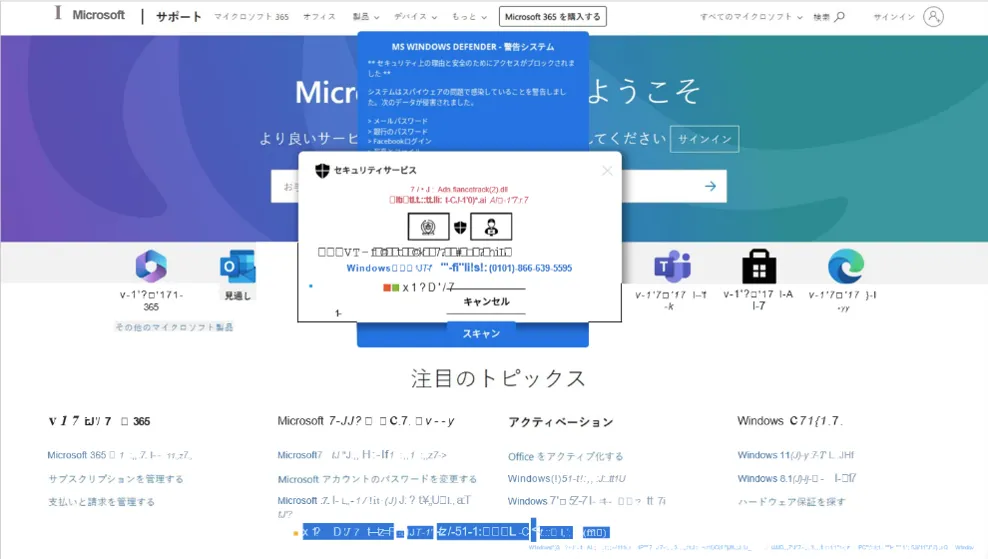
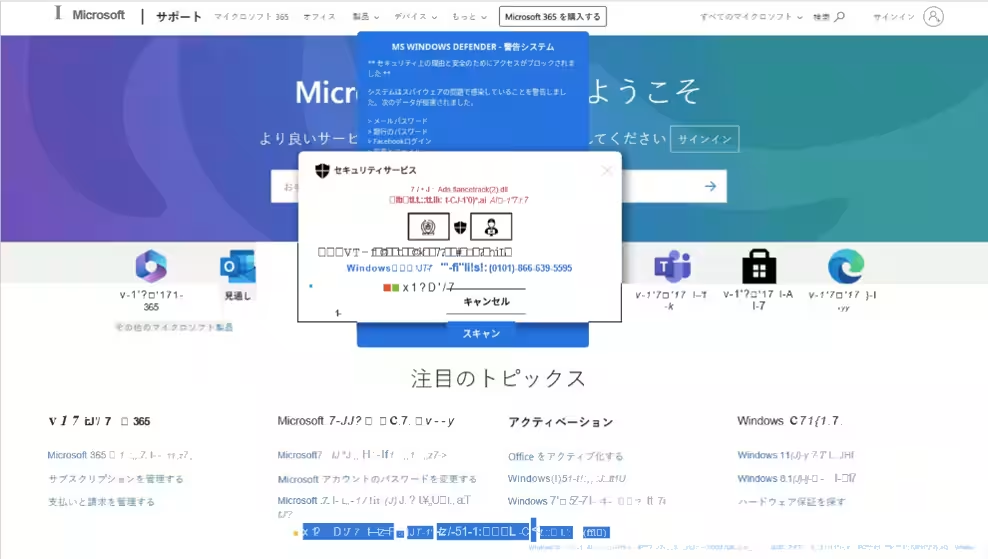
Compounding the issue, technical support fraud has alarmingly surged by 145%, with Gen blocking 1.15 million such scams in Q1 2026. Appearing as legitimate warnings—often falsely claiming that devices are infected with viruses—these scams compel users into contacting scammers or enabling remote access. Utilizing full-screen alerts and sounds that mimic genuine Windows warnings, they incite panic, making it difficult for individuals to maintain composure.
There have also been findings of organized campaigns specifically targeting Japanese users, employing pirated sites and anime streaming platforms, where attackers ingeniously use Japanese-language content to deceive unsuspecting victims.
Growth of Fake E-commerce Sites
Generating further concern, attacks linked to counterfeit shopping websites are on the rise, having increased by 67% in Q1 2026. These malicious sites closely resemble reputable e-commerce platforms, offering products priced 30-50% lower than market rates. Unfortunately, victims often find their goods never delivered while their credit card details are compromised. In total, Gen blocked 1.96 million attacks tied to fake shopping sites, with mobile shopping users particularly vulnerable—over 500,000 iOS users were targeted.
Rapid Surge in SMS Scams
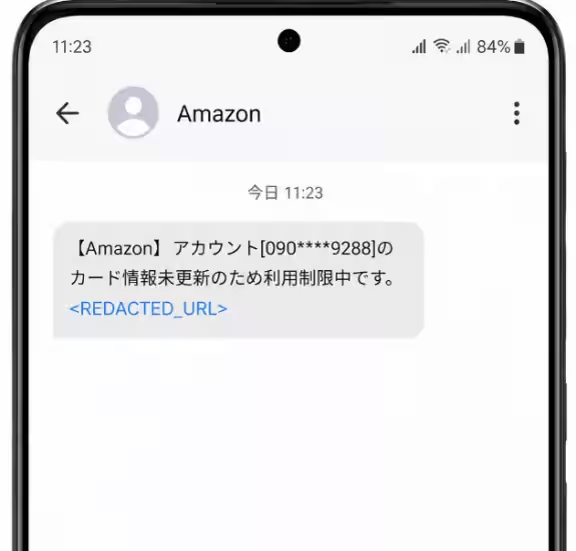
Another alarming trend is the swift expansion of SMS-based scams, particularly targeting Android users. In Q1 2026, SMS fraud masquerading as survey requests saw a staggering 6,637% increase, with lottery scam messages rising by 3,056%. Many of these messages mimic regular communications users might receive, such as banking notifications or shipment updates, which lowers the perceived threat.
Given the high frequency of SMS use, these attacks have proven effective, with Android devices being particularly hard-hit. It’s paramount that users exercise caution and verify message origins before clicking any links.
Malware Threats Exceeding Scams
In addition to scams, malware threats are on the rise, complicating the cybersecurity landscape. According to Gen's cyber safety research team, various categories of malware, including spyware (up by 419%), worms (414%), and generic info stealers (270%), saw significant increases in the same period. While these threats may not be as visible as conventional scams, they represent serious risks, with potential consequences including prolonged data theft and unauthorized access to devices.
The general info stealer is particularly insidious, covertly stealing saved passwords and other sensitive information without alerting the user, thus facilitating further cybercrime activities. In Q1 2026, over 30,377 instances of info stealers were blocked, with more than a third targeting mobile devices, reflecting a staggering 270% increase from prior records.
Conclusion
The sharp rise in cyber threats depicted in Gen's report paints a stark picture of the current state of digital security in Japan. With the combined resurgence of phishing, technical support scams, fake e-commerce sites, and malware, the urgent call for enhanced cybersecurity measures and consumer awareness has never been more critical. As digital interactions continue to proliferate, the need for vigilance remains essential in protecting personal data and financial safety.
For more information regarding Gen and their extensive range of cybersecurity services, visit GenDigital.com.
Topics Other)

【About Using Articles】
You can freely use the title and article content by linking to the page where the article is posted.
※ Images cannot be used.
【About Links】
Links are free to use.