




Insights Into Smartphone Use Among Seniors: Over 99% Ownership and Yet 70% Experience Operation Anxiety
Understanding Smartphone Usage Among Seniors
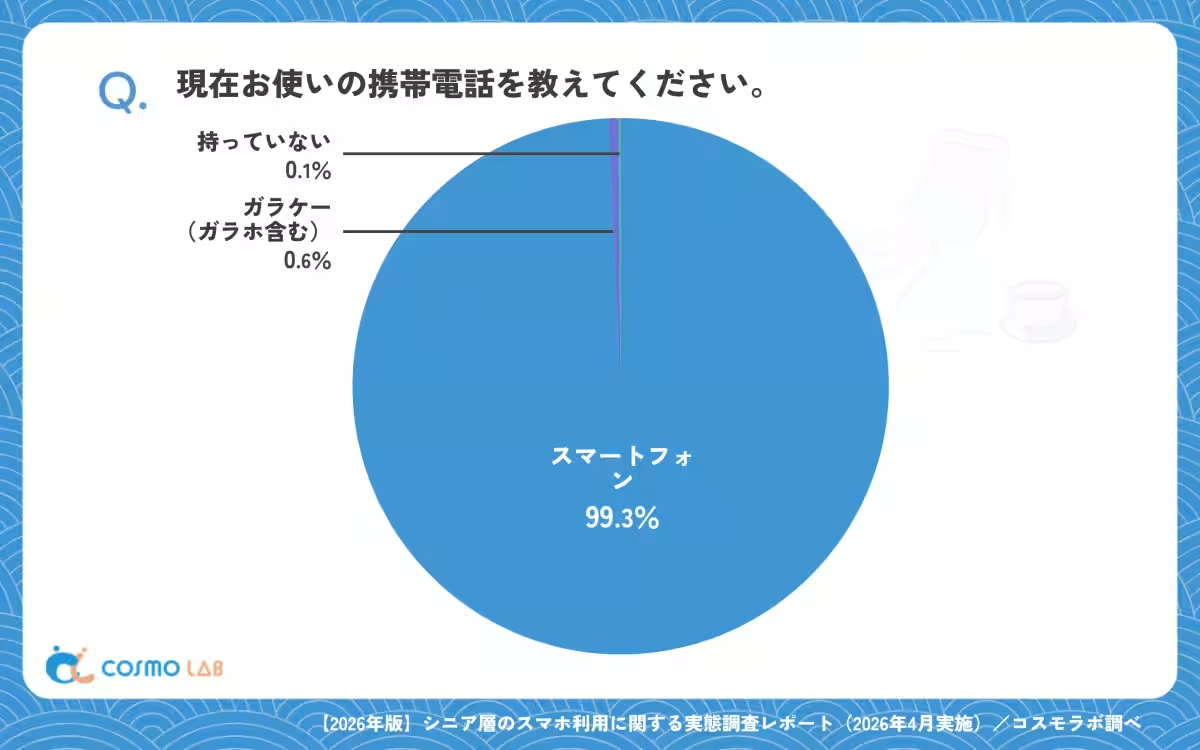
In a recent survey conducted by CosmoLab, a marketing platform specializing in senior consumers, it was revealed that an astonishing 99.3% of seniors aged 50 and above own smartphones. Despite this widespread ownership, more than 70% of respondents expressed varying degrees of anxiety regarding their ability to use these devices effectively.
Survey Overview
The survey comprised responses from 1,716 senior individuals and aimed to understand various aspects of smartphone usage, including types of devices in use, services provided by mobile carriers, monthly billing amounts, and most importantly, the concerns seniors have regarding smartphone operation and support availability.
Widespread Ownership but Operational Anxiety
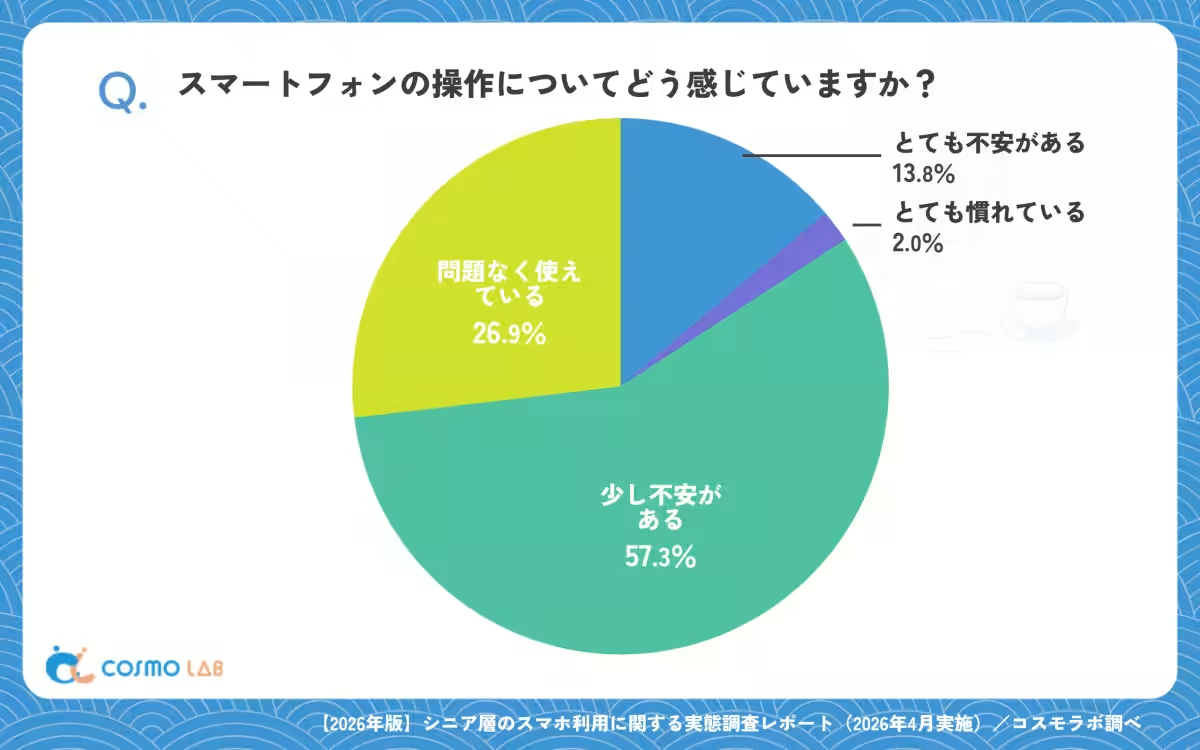
While the ownership of smartphones is almost universal among older adults, the comfort level with their operation is not as assured. The survey indicated that 57.3% of respondents feel slightly anxious, while 13.8% are very anxious about using their smartphones. This highlights a distinct gap between ownership and user proficiency, indicating that there’s a crucial need for improved educational support and resources tailored for this demographic.
Primary Uses of Smartphones
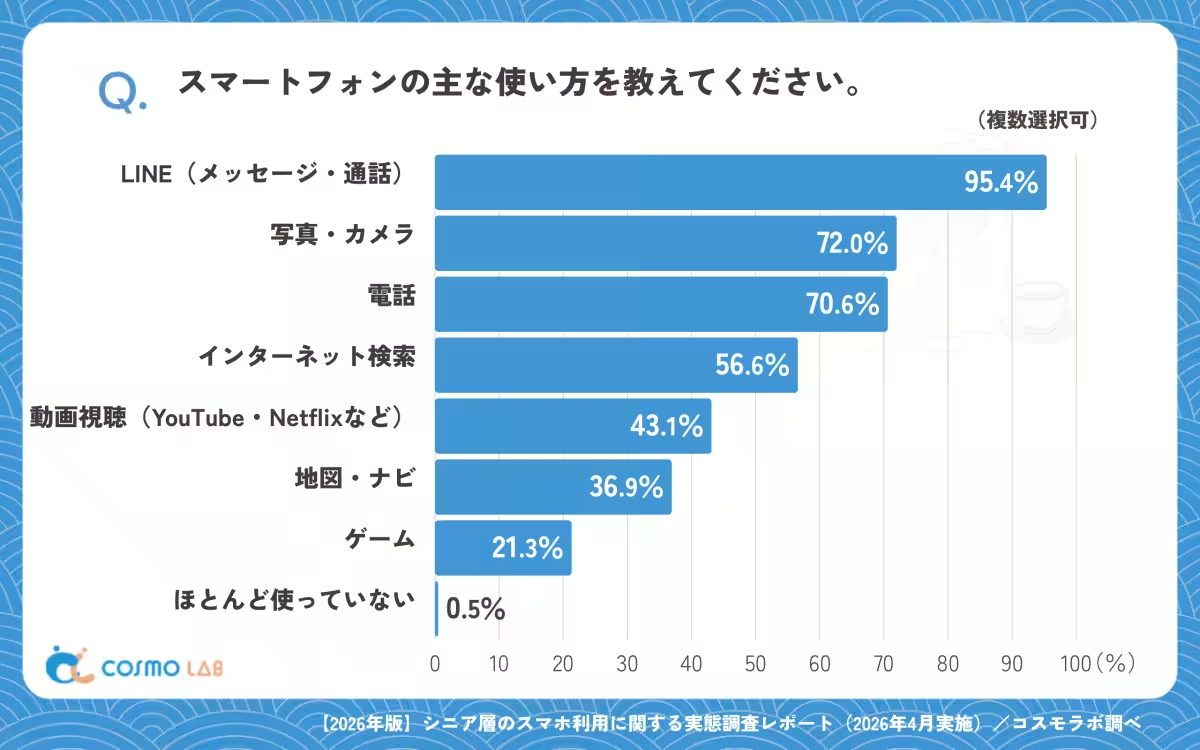
When it comes to daily smartphone activities, the survey found that 95.4% of seniors primarily use their devices for LINE (messaging and calling). Other prominent activities include taking pictures (72.0%), making calls (70.6%), and internet searching (56.6%). Clearly, smartphones serve as vital tools for communication and access to daily information, particularly through LINE, which has become a central platform for interaction among seniors.
Key Concerns
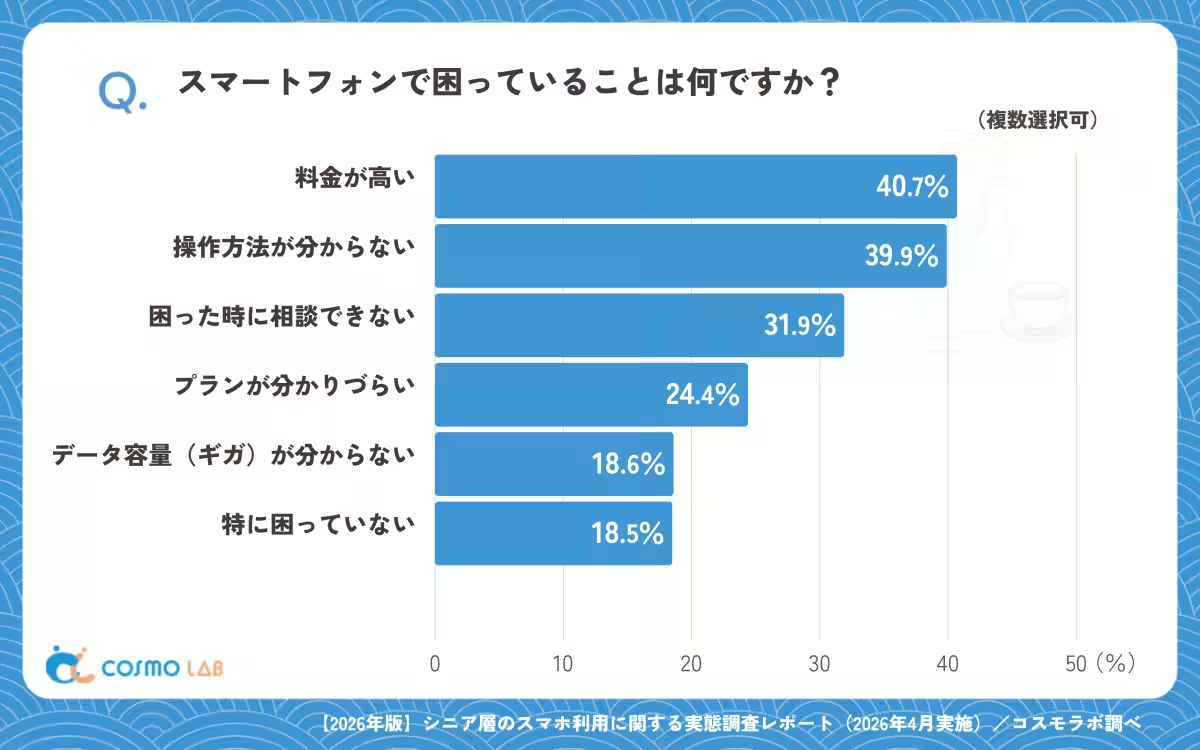
In terms of what troubles seniors the most about their smartphones, 40.7% cited high costs as their main concern, followed closely by 39.9% who struggle with operating their devices. Furthermore, 31.9% expressed frustration about not having a support system in place when they encounter issues. This feedback from the older demographic reveals a compelling need for mobile carriers to offer more transparent, user-friendly options, as well as face-to-face support when needed.
The Desire for Affordable and Understandable Services
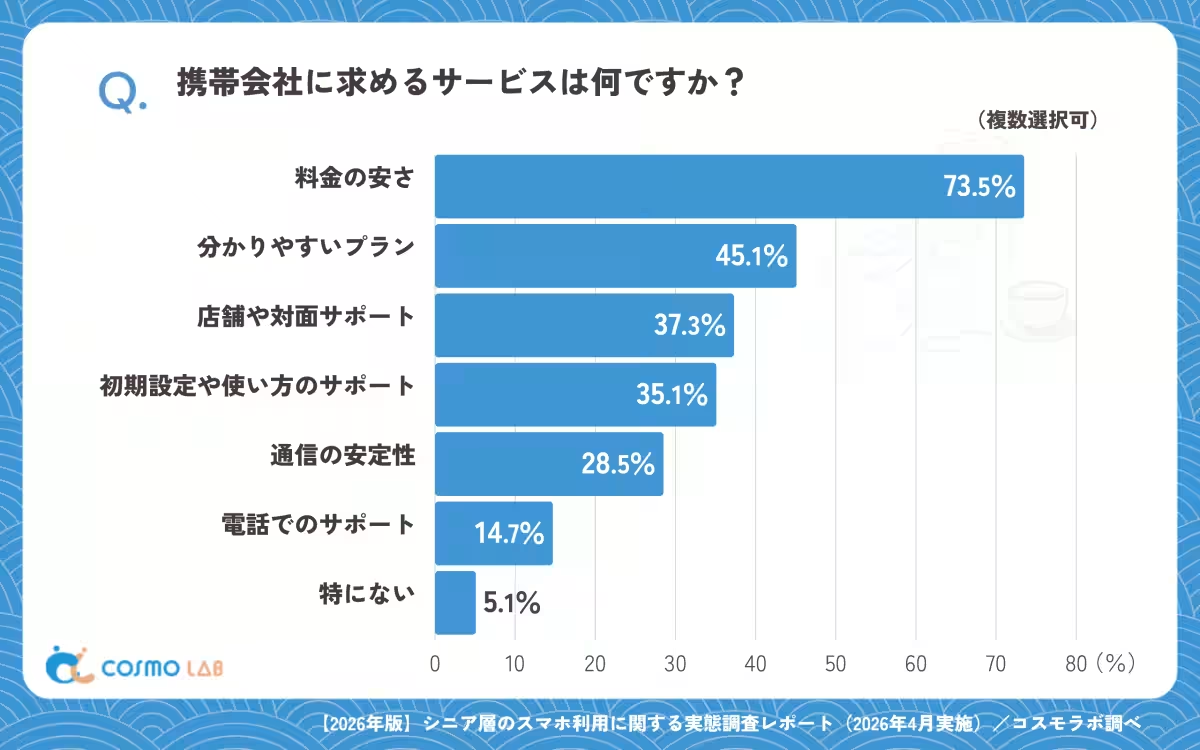
The survey results also indicated that when seniors consider mobile providers, their primary desire is for affordable pricing (73.5%), along with clear and accessible service plans (45.1%). This demand for clarity in billing and the desire for personal support mechanisms underline an opportunity for carriers to cater to this demographic effectively.
The Shift From Ownership to Utilization
The findings reflect a significant transition in the senior smartphone market. Now, the focus is shifting from simply increasing device ownership to ensuring that seniors can confidently use their smartphones in everyday life. As companies work to provide clearer plans and effective support, it’s critical to recognize that a balance between cost-efficiency and accessible customer service can enhance user satisfaction and longevity.
Seniors are no longer just users; they have become a pivotal audience that requires specialized marketing and tailored services—smart solutions that accommodate their unique perspectives and needs.
Conclusion
The data indicates that while smartphone usage among seniors is at an all-time high, there remains a palpable anxiety surrounding their operational capabilities. As we advance toward a more digitized future, understanding these nuances will be imperative for companies seeking to serve this expanding demographic effectively. Emphasis must be placed not only on providing competitive pricing but also on fostering an environment of support, clarity, and continual learning, enabling seniors to transition from being mere smartphone owners to proficient users.
For more details, check out CosmoLab's homepage or explore their past research reports.


Topics Consumer Technology)
【About Using Articles】
You can freely use the title and article content by linking to the page where the article is posted.
※ Images cannot be used.
【About Links】
Links are free to use.