



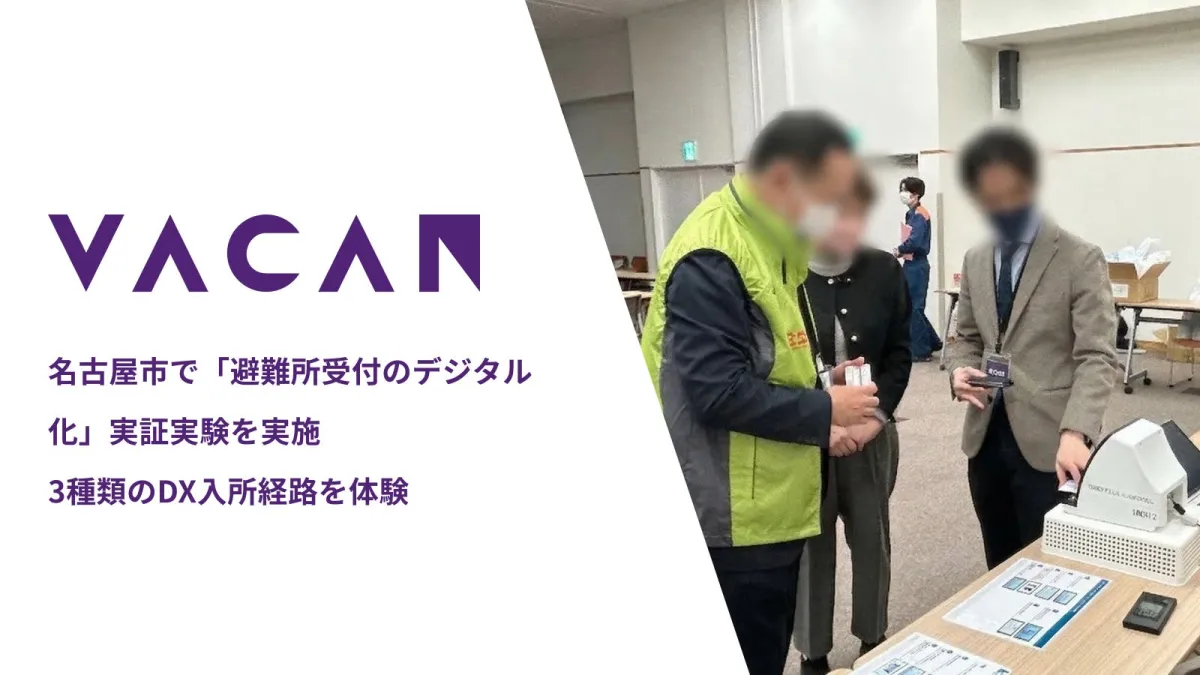
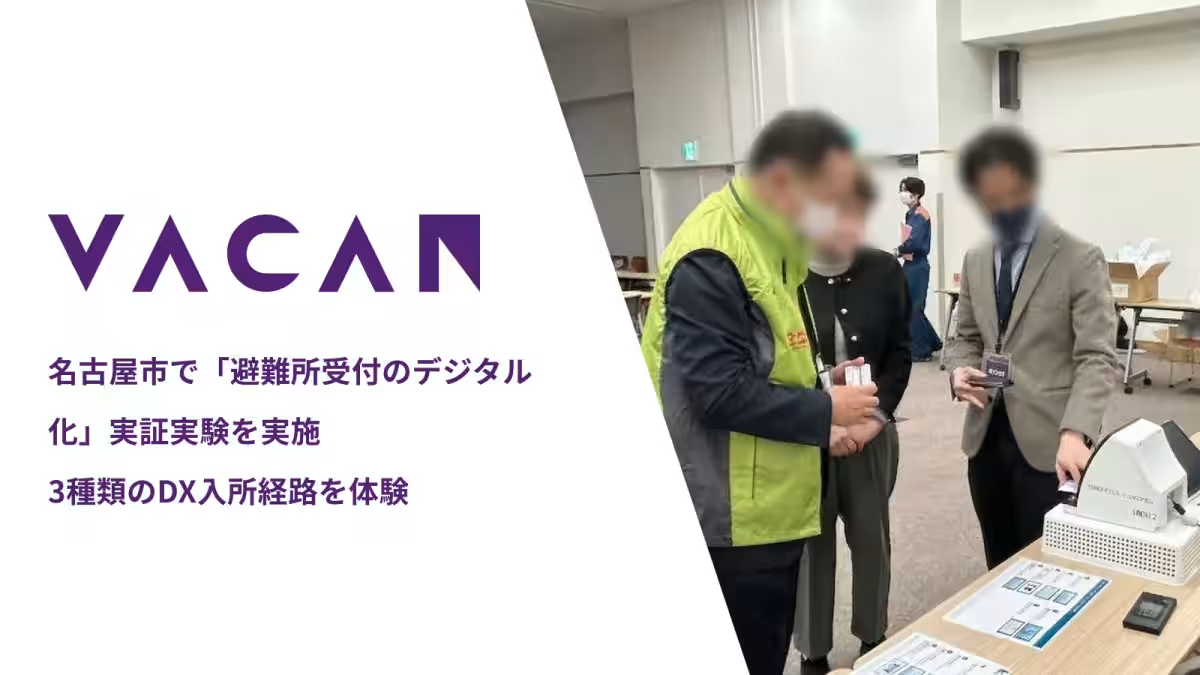
Digital Transformation of Evacuation Shelters: A Successful Experiment in Nagoya
Transforming Evacuation Shelters: The Digital Future
In a groundbreaking initiative, VACAN, a company dedicated to enhancing safety and efficiency in disaster management, has teamed up with Nagoya City to trial the digital transformation of evacuation shelters. This experiment aimed to streamline the evacuation process by comparing traditional methods against various digital entry points for evacuees.
The Need for Digital Solutions
The increasing frequency of natural disasters has highlighted the importance of clear and efficient evacuation methods. VACAN has been at the forefront of these efforts by previously introducing real-time crowd information and evacuation maps that have already been implemented by over 200 local governments. The core premise of this experiment was to alleviate the burden on shelter operators while improving the experience for those evacuating.
Four Methods of Entry Tested
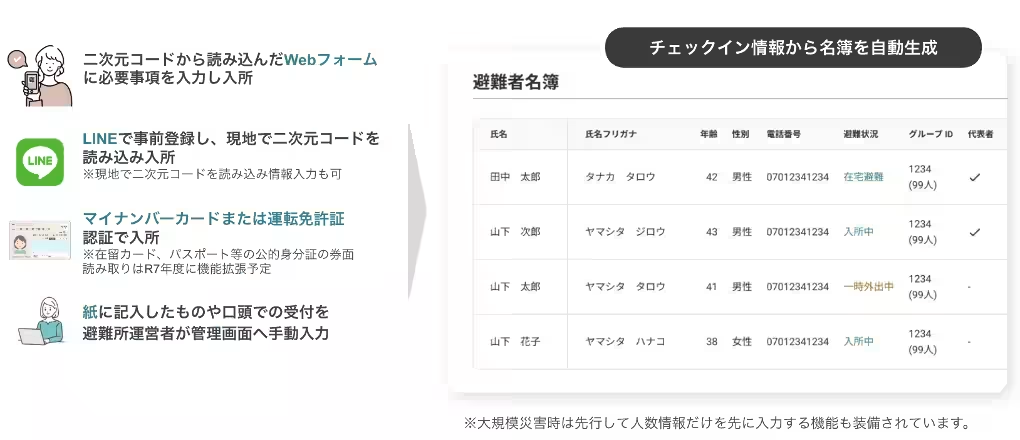
Throughout the trial, four different entry methods were assessed. Among these, the entry using My Number Cards or driver's licenses was only experienced without time measurement, whereas the other methods had their durations carefully timed. The goal was to evaluate not just the efficiency in terms of time but also the overall convenience of each method.
Results of the Experiment
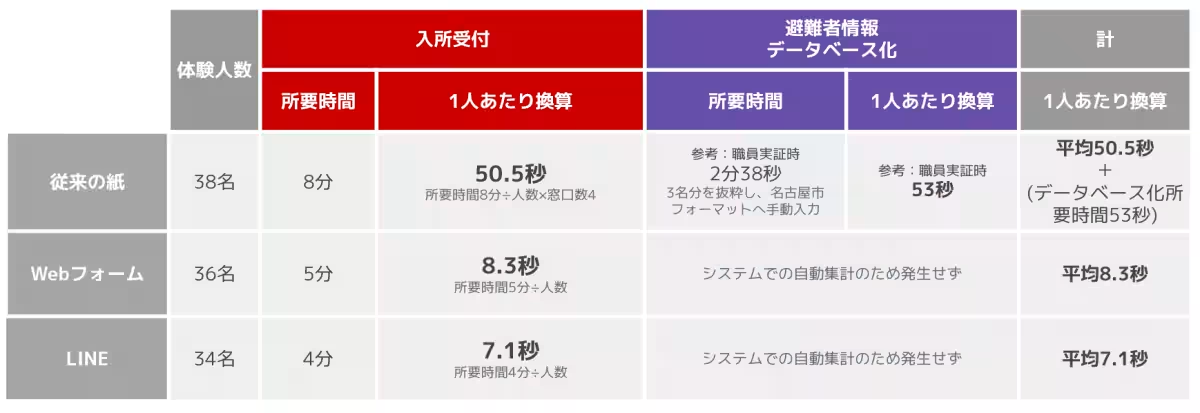
The collaboration with Nagoya City has yielded significant quantitative evidence suggesting that digitalization of the shelter entry process can dramatically enhance efficiency. Particularly, the use of web forms and official LINE accounts showed remarkable results: where traditional paperwork required approximately 50 seconds per person, the digital entry via web forms took only 8 seconds and LINE took a mere 7 seconds, proving advantageous for timely and effective disaster management.
Notably, paper-based entries require manual data processing, which complicates the management process. In contrast, the digital methods, being automatically compiled through systems, eliminate this cumbersome task, thus ensuring smoother processing for evacuees.
A staggering 97% of surveyed participants indicated that the digitalization of shelter entry processes was effective, reflecting overall satisfaction and usability.
Overview of the Experiment
This experiment took place on February 22, 2028, at the Nagoya City Medical University Hospital. Diverse participants, including members of disaster response committees from the Takami district, engaged in the assessment. They compared the traditional method of filling out paper documents with the digital methods of web forms, LINE, and card readers.
Features of the Evacuee Management System
VACAN's evacuee management system drastically reduces labor for local government staff during disasters. It provides digital reception for evacuees, check-ins authenticated via My Number Card, efficient inventory management, automatic generation of evacuee lists, and real-time crowd status visualization across multiple shelters. This system allows for management without the need for additional labor.
Moreover, the system reflects crowd numbers and statuses on management screens and maps in real time, allowing local officials to monitor conditions effortlessly. Residents also benefit by having the opportunity to choose optimal evacuation sites, facilitating smoother evacuations.
In addition, the system integrates functionalities useful for everyday purposes such as reservations for public facilities and community-based networking through a shared app and management platform.
Future Prospects
Having previously supported around 300 municipalities with crowd visibility, forecasting, and mitigation services, VACAN aims to further its engagement in disaster response. The ultimate goal is to develop a 'phase-free platform' that can be utilized during both normal and emergency situations, particularly focusing on the digital transformation of public facilities, especially evacuation sites.
Through existing services like the community engagement app 'tami tami' and 'VACAN Maps,' VACAN strives to provide comprehensive support in the DX (digital transformation) of disaster management and spatial utilization across local governments.
About VACAN
Founded in June 2016 and based in Chuo Ward, Tokyo, VACAN is recognized by the Ministry of Economy, Trade and Industry as a 'J-Startup.' The company's mission is to connect people and spaces through technology. They focus on visualizing crowd dynamics and updating urban living through managing congestion, people flow, and facilitating smoother urban experiences. Their services also include running the 'Unveil' media inside restrooms.
VACAN's innovative solutions are set not only to redefine evacuation processes but also to enhance community resilience against disasters, thereby improving the overall experience of both residents and visitors alike.
Topics Policy & Public Interest)
【About Using Articles】
You can freely use the title and article content by linking to the page where the article is posted.
※ Images cannot be used.
【About Links】
Links are free to use.