



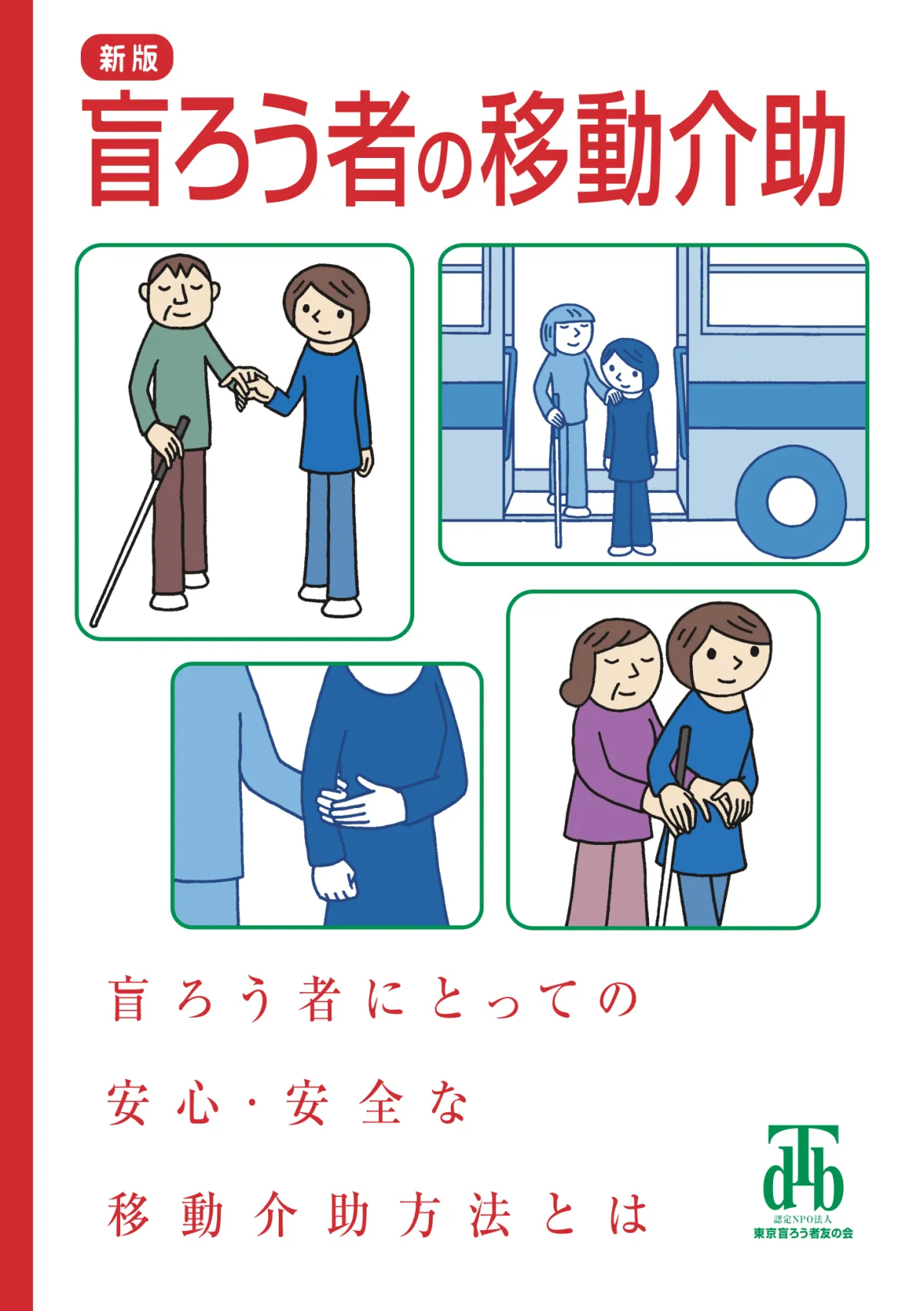
New Guidebook for Safe Mobility Support for the Deaf-Blind Released
New Guidebook for Safe Mobility for the Deaf-Blind
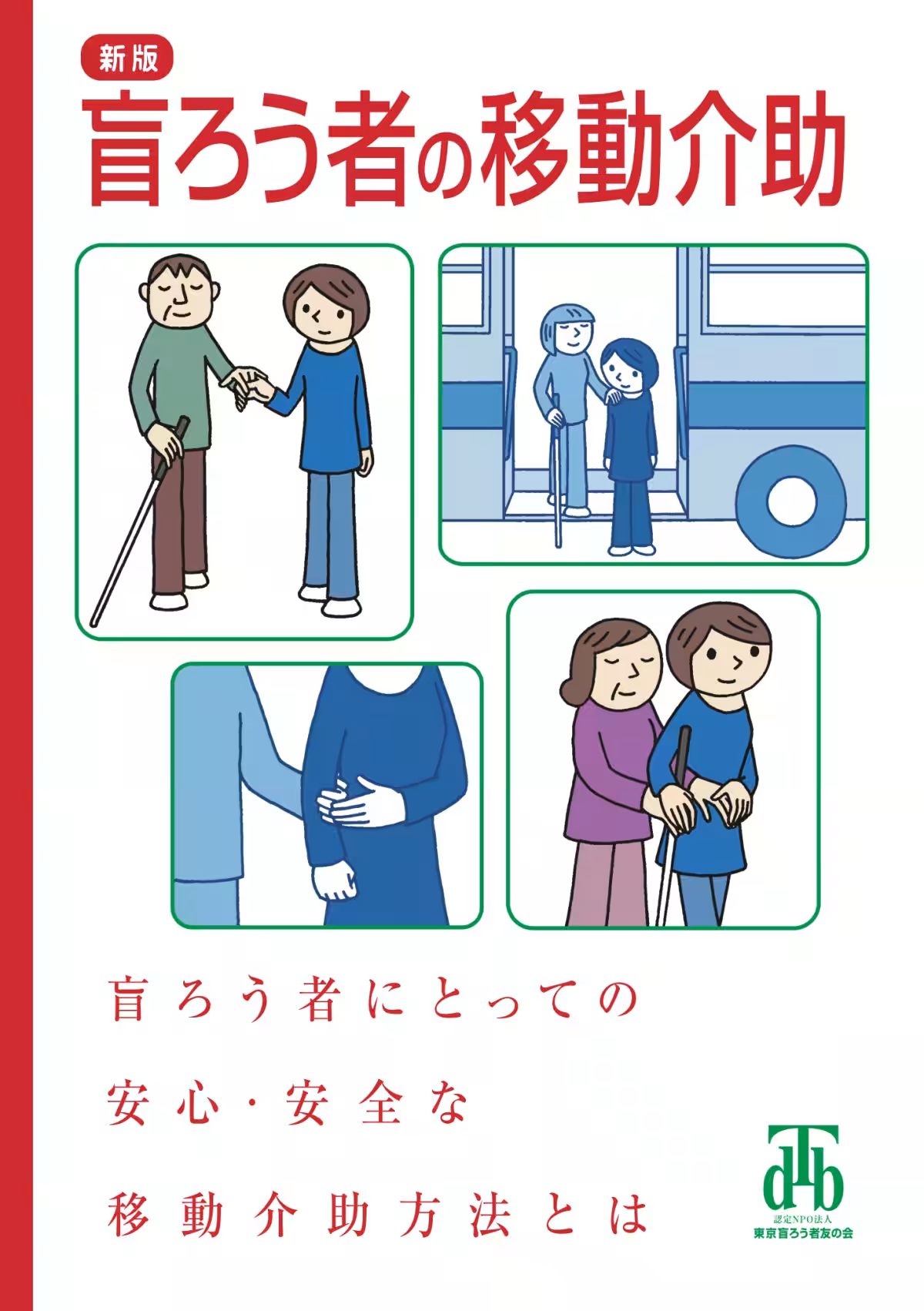
The Tokyo Deaf-Blind Association, located in Shinjuku, Tokyo, has recently launched a new edition of its guidebook titled "New Guide for Mobility Assistance for Deaf-Blind People." This essential resource is designed to provide systematic support for the safe and secure mobility of individuals with deaf-blindness, a condition where both visual and hearing impairments coexist.
Focus on Individual Needs
Understanding that each deaf-blind person has unique communication styles and physical conditions, the guide emphasizes the importance of individuality and diversity. It considers various methods of communication such as tactile sign language, finger braille, handwriting, and verbal communication. This updated edition builds upon comprehensive observational and interview research conducted with deaf-blind users and their interpreters or assistants, addressing the specific mobility assistance methods tailored to their needs.
The Tokyo Deaf-Blind Association first published a guide on this subject back in 2008. Since then, around 10,000 copies have been distributed, receiving positive feedback from professionals working with the deaf-blind community.
Enhanced Learning with Multimedia
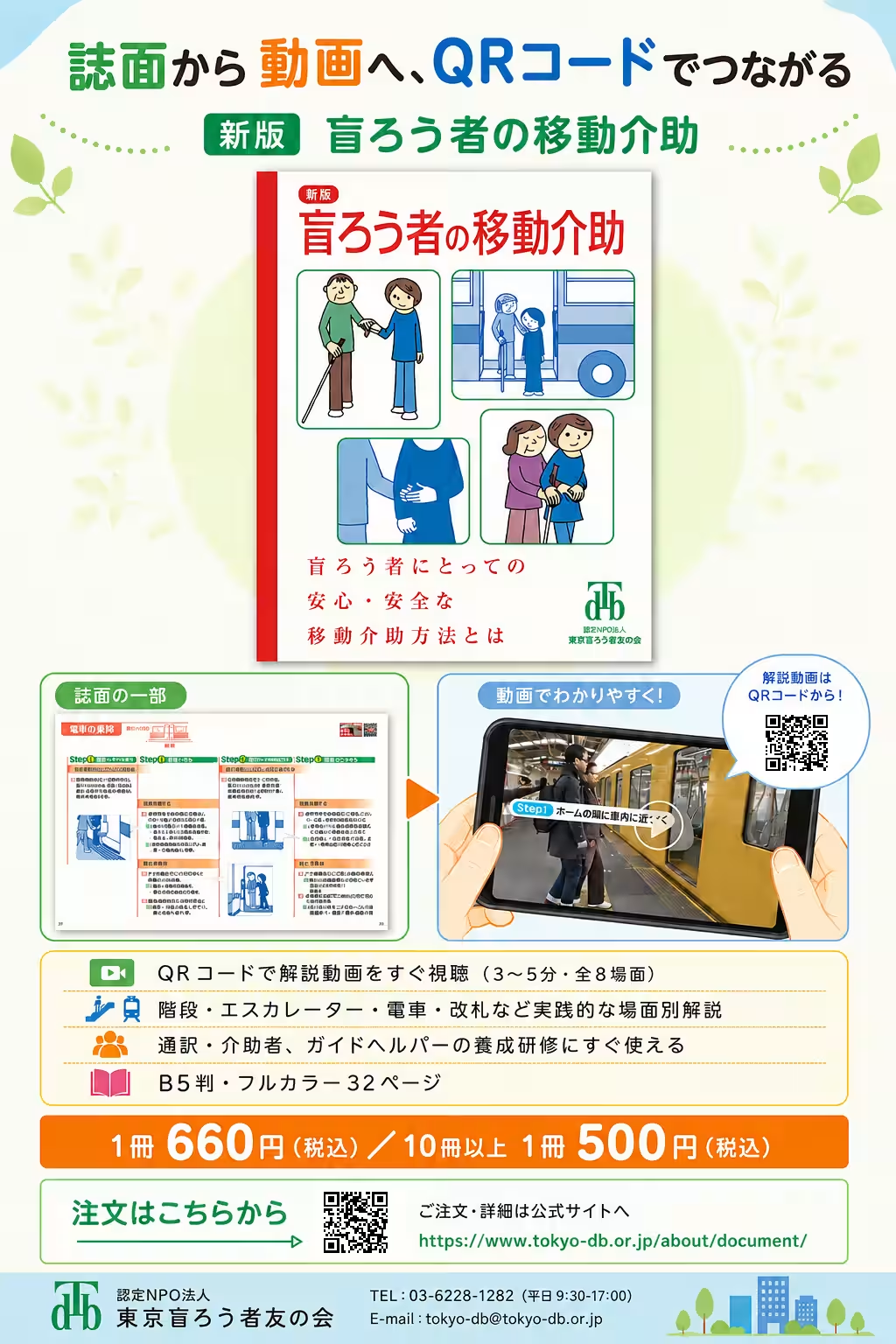
One of the standout features of this new edition is the integration of multimedia resources. Each page includes QR codes linking to official YouTube videos created by the association, making it easy for users to learn through visual demonstrations.
Whether using smartphones or tablets, readers can access 3-5 minute instructional videos anytime, anywhere. This format allows for practical demonstrations of the techniques discussed in the text, which can aid in understanding more complex instructions.
Topics Covered in the Videos:
- - Basic posture and walking on flat surfaces
- - Navigating narrow spaces
- - Going up and down stairs
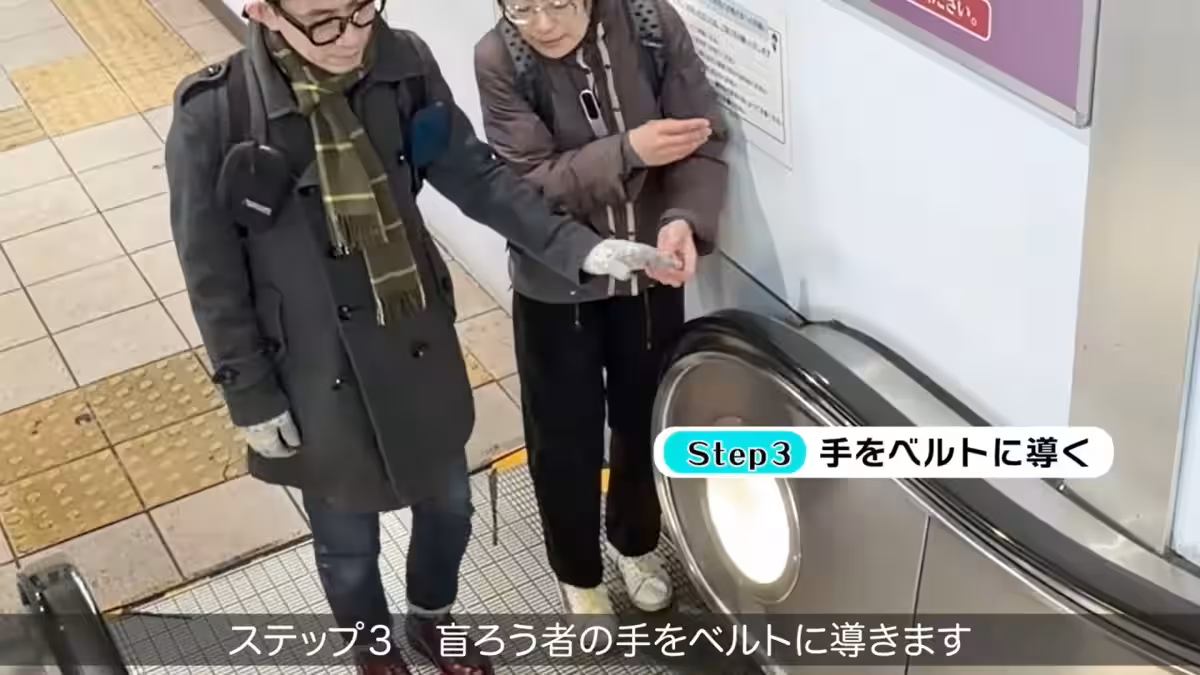
- - Using escalators
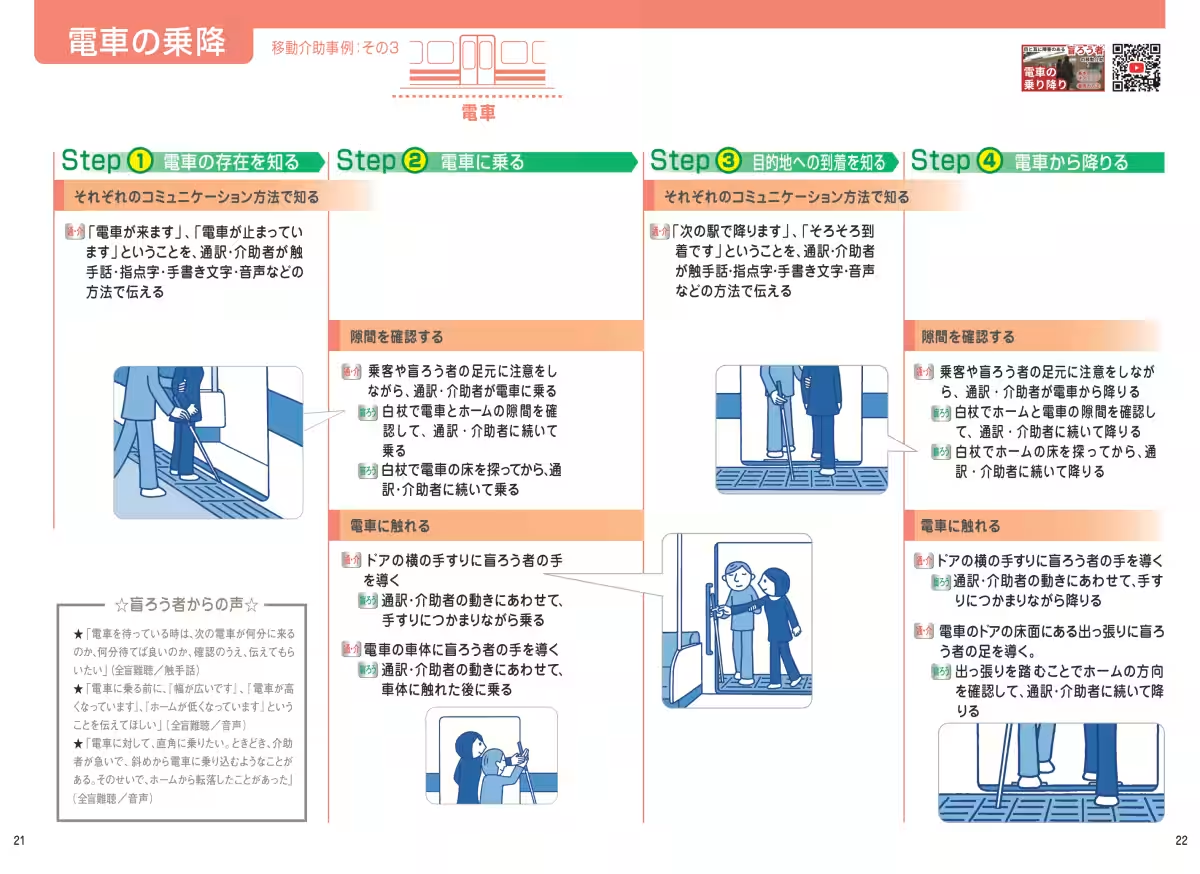
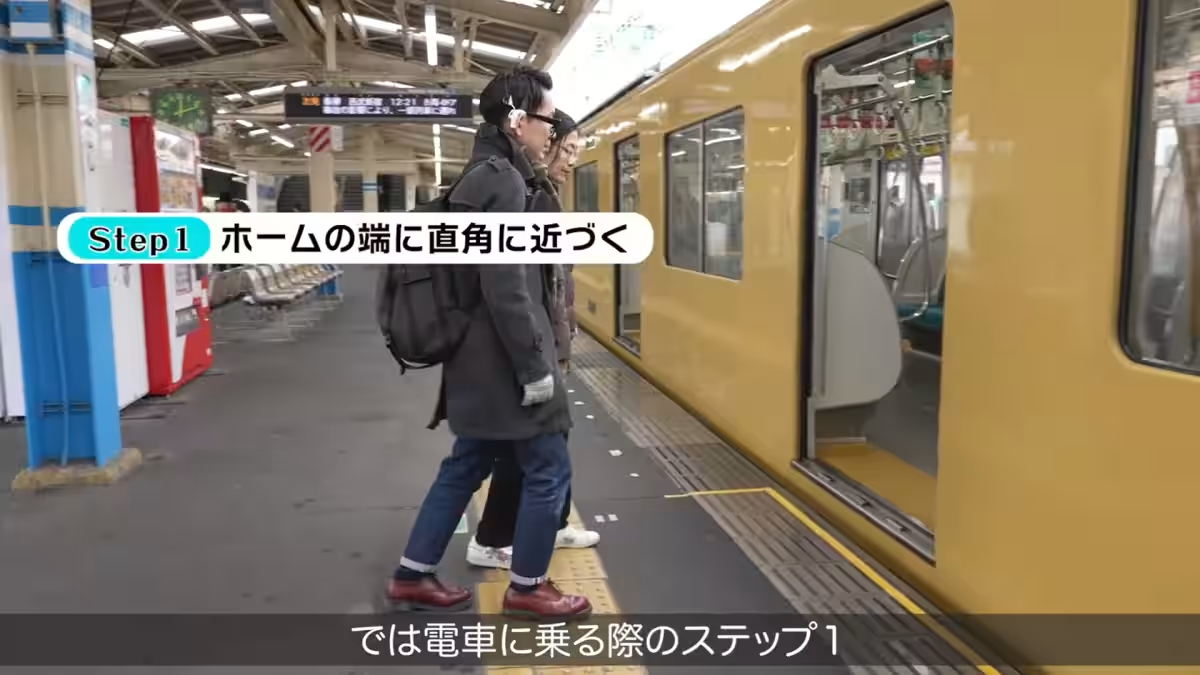
- - Boarding and alighting from trains
- - Purchasing tickets and using automated ticket gates
- - Basic considerations for assisting deaf-blind individuals
- - Various communication methods used by deaf-blind people.
Key Content of the Guide
This guide encompasses several critical areas of mobility assistance, including:
1. Understanding Deaf-Blindness: An overview of the number of deaf-blind individuals in Japan and various types of impairments.
2. Mindset: Strategies for ensuring that deaf-blind individuals can travel independently and safely.
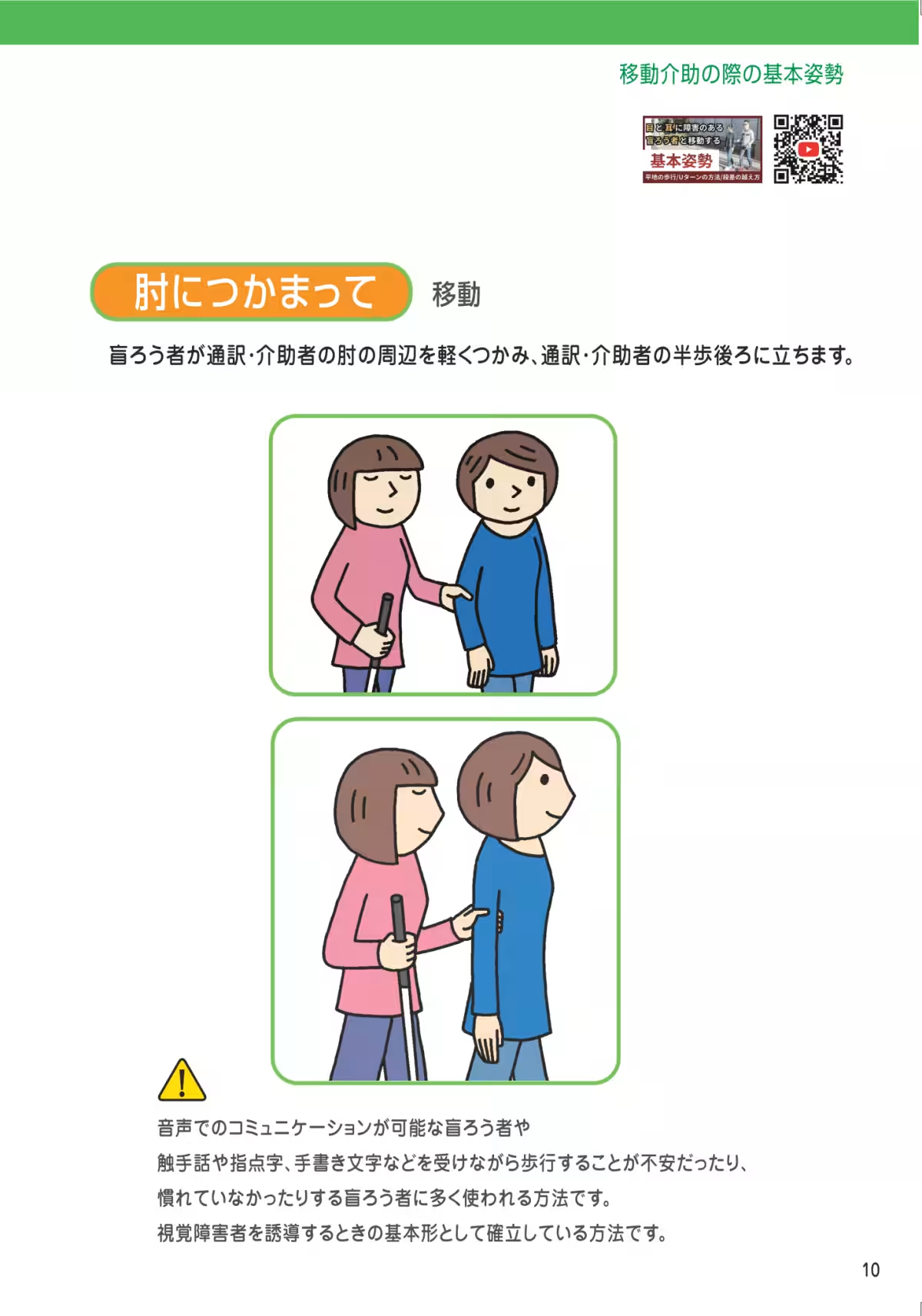
3. Basic Postures for Assistance: Techniques such as holding onto the elbow, shoulder, or wrist, as well as walking while receiving tactile sign language or written messages.
4. Variations in Assistance Styles: Guidance for walking in tight spaces or navigating with an umbrella in inclement weather.
5. Case Studies: Practical examples of navigating different scenarios including stairs, escalators, trains, buying tickets, taxis, buses, and restrooms.
Book Details and Purchase Information
- - Title: "New Guide for Mobility Assistance for Deaf-Blind People"
- - Release Date: July 1, 2026
- - Published by: Tokyo Deaf-Blind Association
- - Author: Akihide Maeda, Director of Tokyo Deaf-Blind Support Center
- - Format: A5, full color, 32 pages (includes QR codes for YouTube videos)
- - Price: 660 yen (tax included) per copy; bulk discounts available for orders of 10 or more at 500 yen each.
To order, visit the official website: Tokyo Deaf-Blind Association.
About the Tokyo Deaf-Blind Association
The Tokyo Deaf-Blind Association is a certified nonprofit organization focusing on promoting the independence and social participation of deaf-blind individuals. They offer services including the operation of the Tokyo Deaf-Blind Support Center, dispatching and training interpreters and assistants, and providing consultation and support services.
Contact Information
For inquiries, reach out to the Tokyo Deaf-Blind Association (Administration Office):
- - Phone: 03-6228-1282 (available weekdays from 9:30 AM to 5:00 PM)
- - Email: [email protected]
Overall, this new guidebook serves as an invaluable tool for professionals, public service workers, and anyone involved in the welfare of the deaf-blind community, as it facilitates their safe and confident mobility in society.
Topics People & Culture)
【About Using Articles】
You can freely use the title and article content by linking to the page where the article is posted.
※ Images cannot be used.
【About Links】
Links are free to use.