



Special Exhibition at Kamogawa Sea World Celebrates the Zodiac Year of the Horse
Kamogawa Sea World Opens Special Zodiac Exhibition in 2026
Kamogawa Sea World, a flagship facility of Granvista Hotel & Resort located in Chiba Prefecture, Japan, is set to captivate visitors with a unique exhibition titled "2026 Zodiac Creatures: The Sea Horses." This special display will run from December 27, 2025, to February 1, 2026, within the Tropical Island section of the marine park, celebrating the Zodiac sign of the Horse for the upcoming year.
Exhibition Details
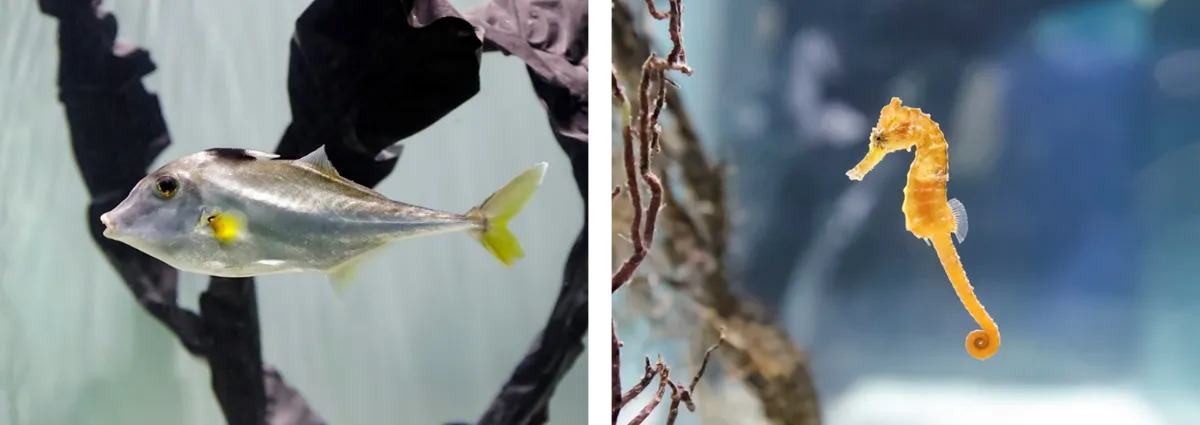
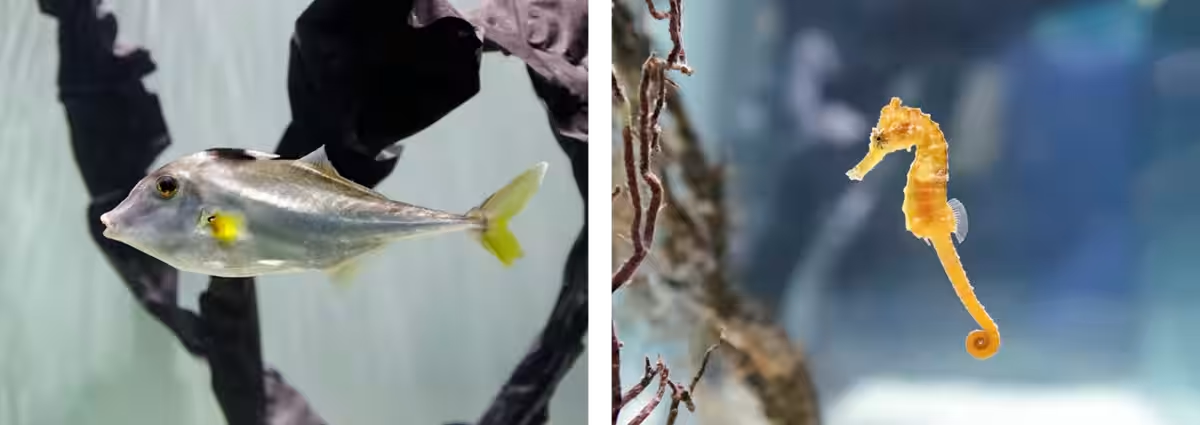
This exhibition will feature five types of marine animals closely associated with the theme of the horse in their naming or appearance. Notable species include the Shortnosed tripodfish (ギマ), the Spotted seahorse (クロウミウマ), and the Top shell (バテイラ), among others. Visitors can expect to see about 50 specimens on display in specially designed tanks, offering a chance to appreciate the legacies that link them to the Zodiac sign.
Let’s delve deeper into the unique marine species that will be highlighted:
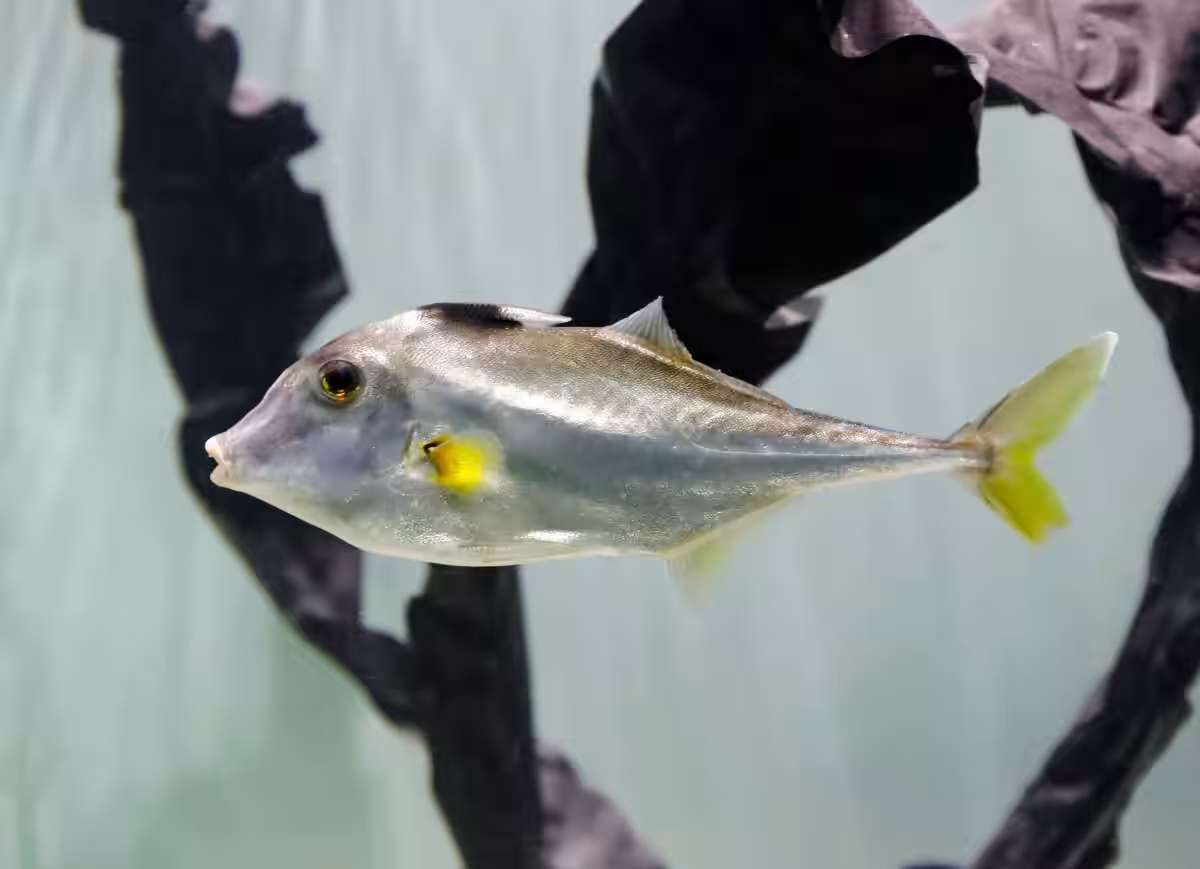
1. Shortnosed Tripodfish (ギマ)
The shortnosed tripodfish is known for its elongated, horse-like face, and its name in Japanese, ギマ (gima), may be derived from its resemblance to the traditional fabric, or from its shiny silver color that lands it the nickname "銀馬" (silver horse). This fish typically occupies shallow coastal waters around the Boso Peninsula, growing up to about 25 cm in length. Despite its alluring appearance, it is often disliked by fishermen due to its slippery texture and spikes that emerge from its fins.
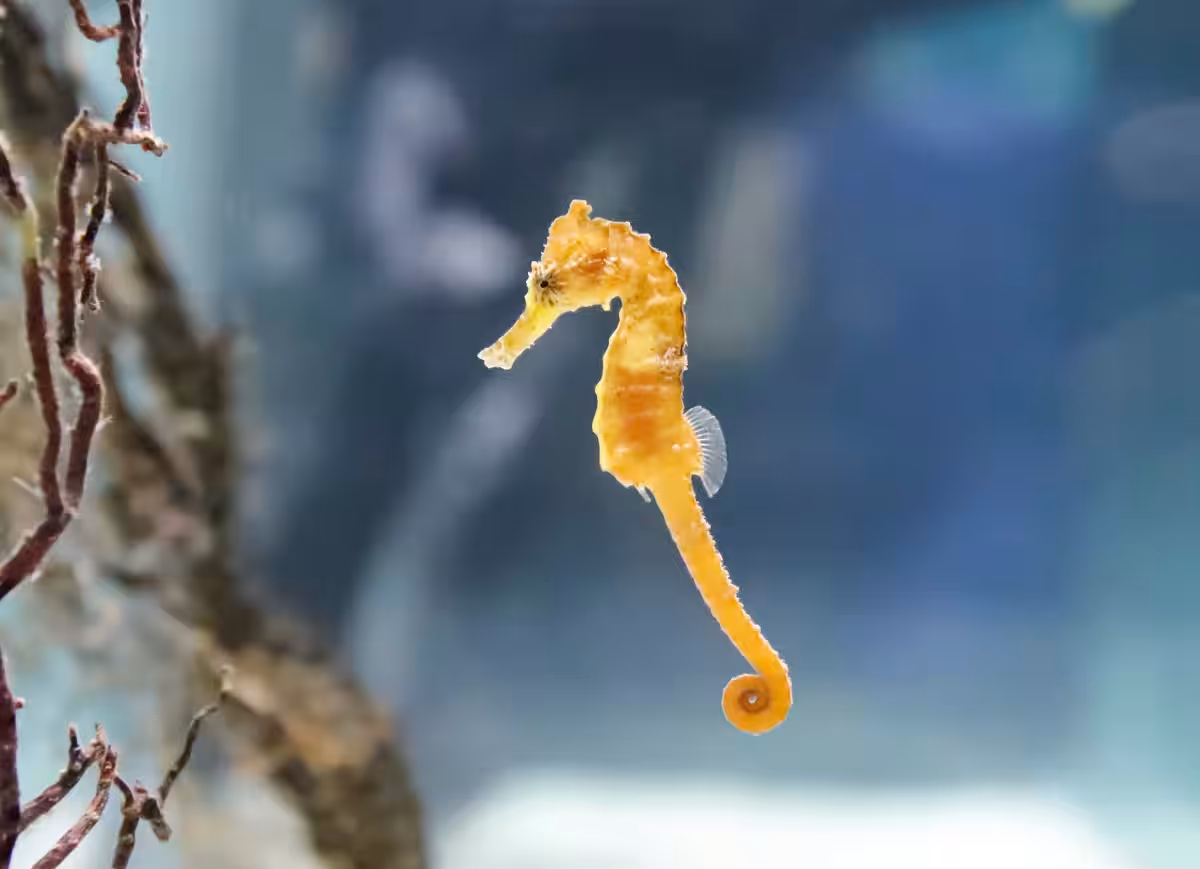
2. Spotted Seahorse (クロウミウマ)
Familiar to many as the seahorse, the Spotted Seahorse is another star of the exhibition. Known for its unique reproductive habits—where females deposit eggs into the males' brood pouch—this species can reach lengths of 17 cm. They inhabit shallow waters in the Pacific and Indian Oceans, primarily feeding on small crustaceans.
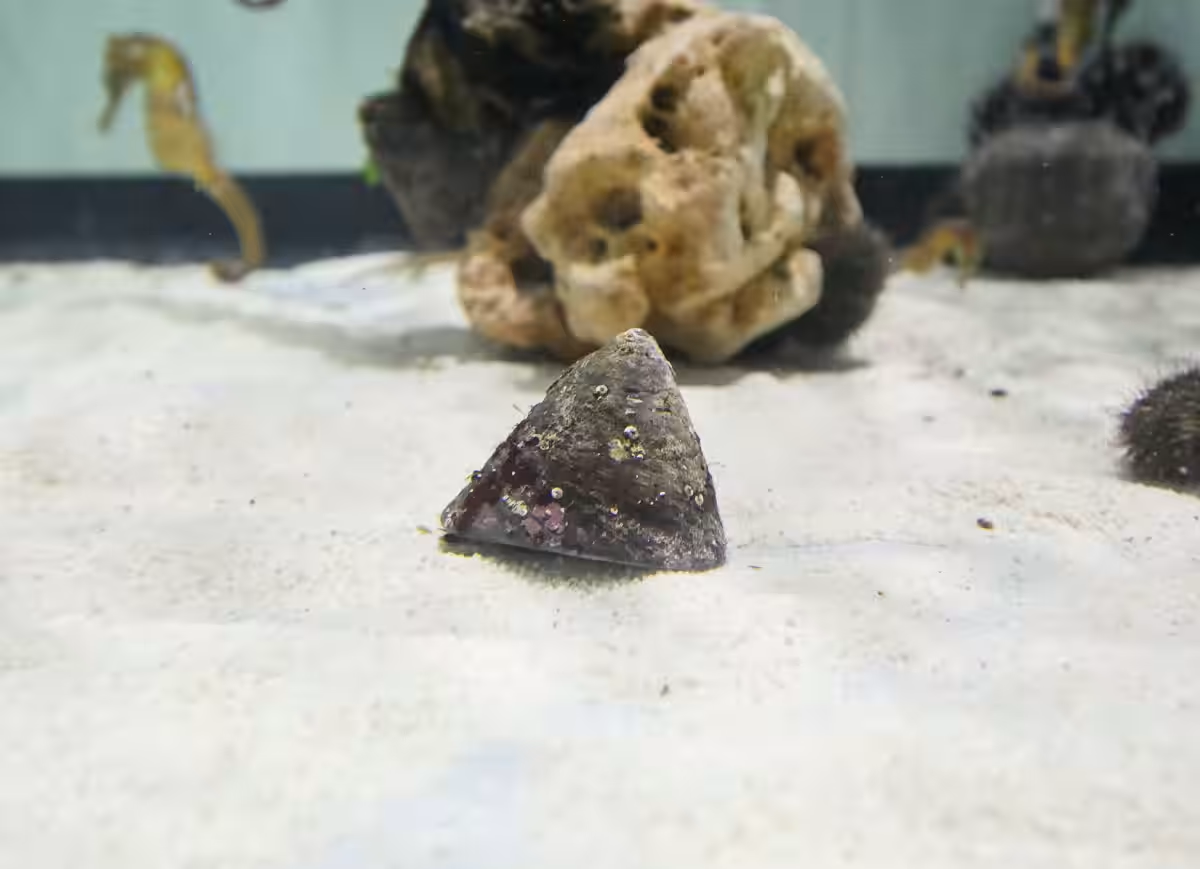
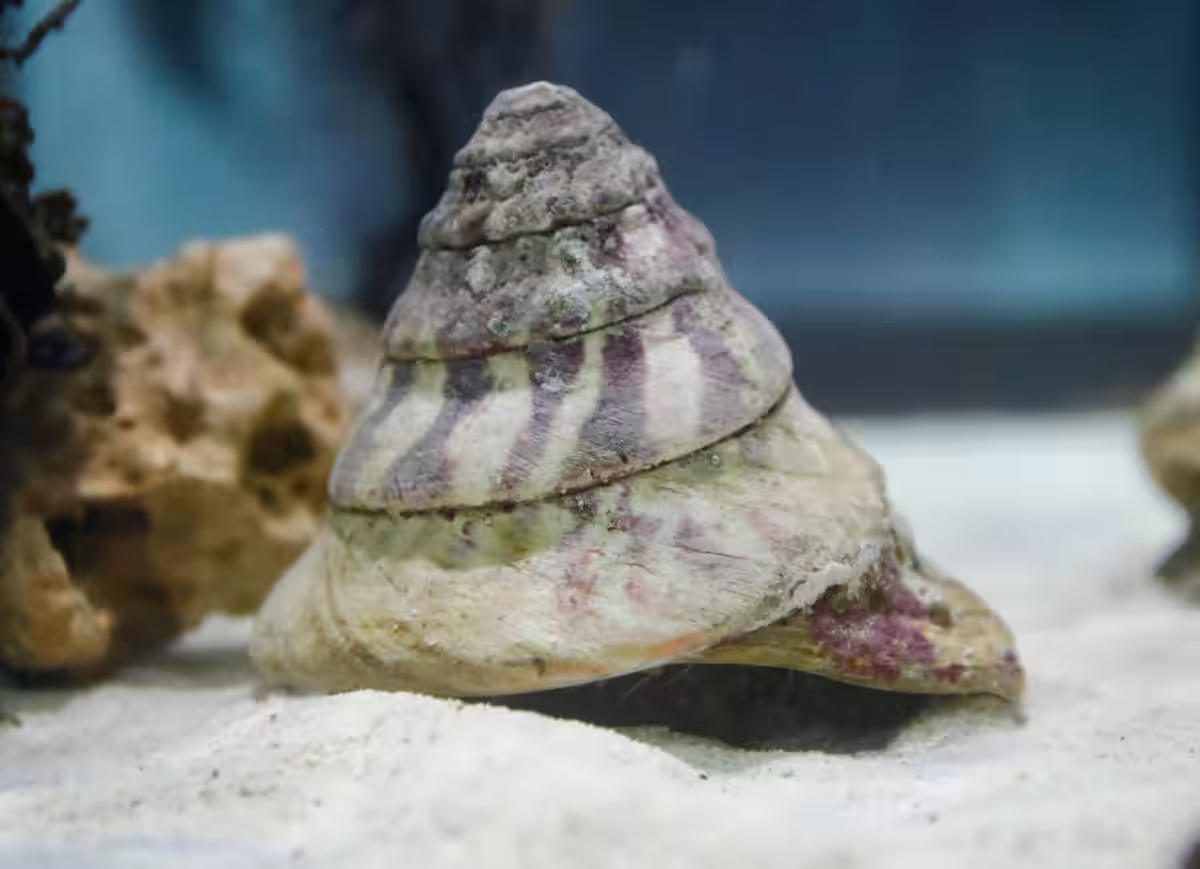
3. Top Shell (バテイラ)
The Top Shell is another fascinating exhibit, named for its shell's resemblance to a horse's hoof. This grazing marine snail can be found in the intertidal zones of the Pacific Ocean from Aomori southward. It grows to about 5 cm in height and is sometimes called



Topics Other)
【About Using Articles】
You can freely use the title and article content by linking to the page where the article is posted.
※ Images cannot be used.
【About Links】
Links are free to use.