



Survey Reveals Pet Owners' Preparedness for Disasters with Insights on Evacuation and Stress Management
Understanding Pet Owners' Disaster Preparedness
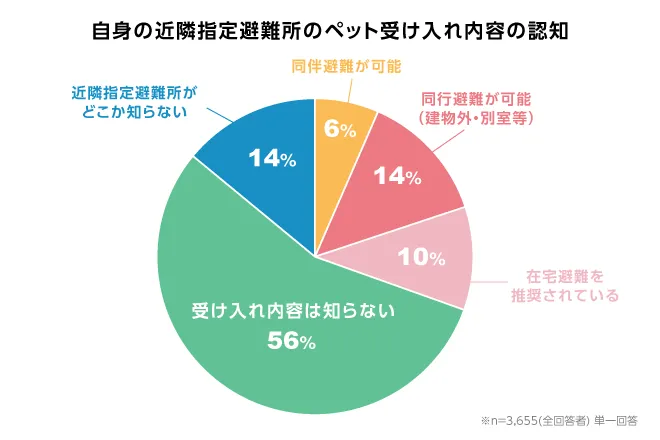
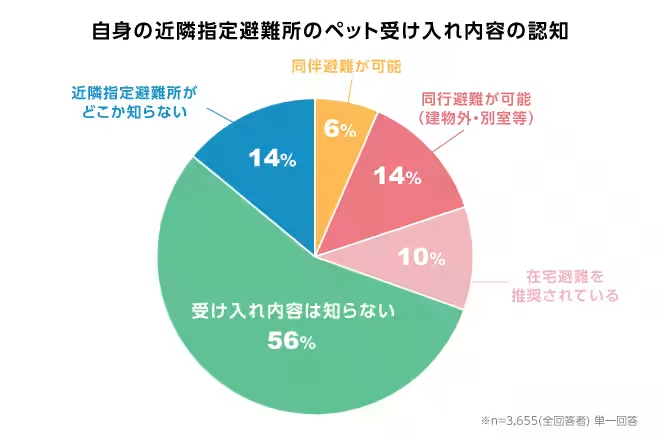
A recent study conducted by Anicom Insurance, Japan's leading pet insurance provider, has shed light on the current state of disaster preparedness among pet owners. The survey, targeting 3,655 pet insurance policyholders, revealed that while roughly half of the respondents (50%) have taken measures to prepare for disasters involving their pets, only 30% are aware of how nearby evacuation centers accommodate pets. This gap in information points to a growing concern among pet owners, emphasizing the need for better preparedness plans in case of emergencies.
Findings from the Survey
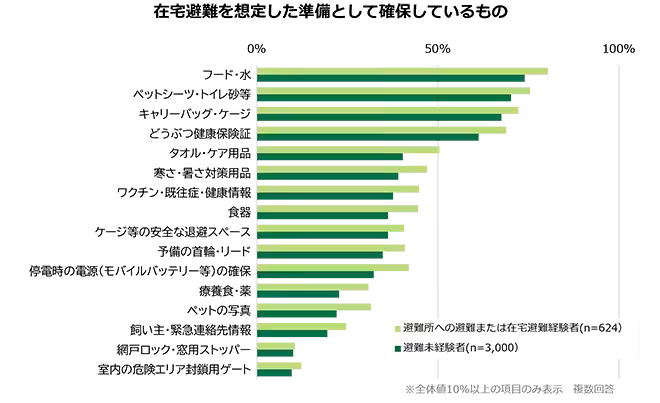
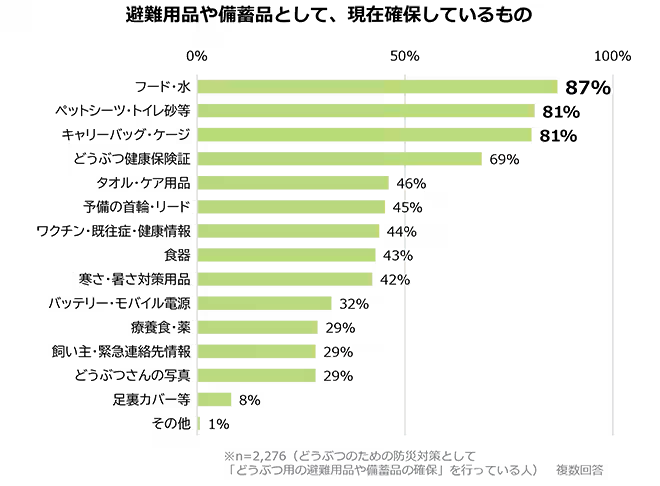
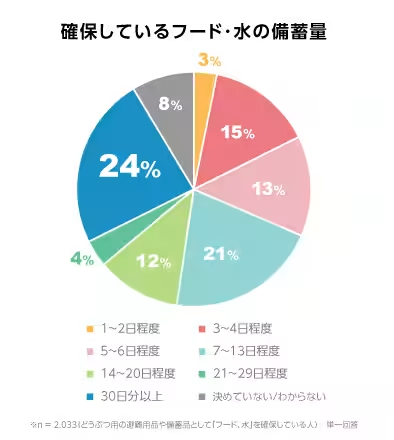
The survey's findings present a mixed picture of readiness among pet owners. When asked about their personal preparedness, 51% of participants reported taking action for themselves, while an equal 50% have done so for their pets. The most common measure adopted for pets was ensuring the availability of emergency supplies and food storage. Over 80% of those who had prepared indicated that they have stockpiled essential items such as food and water (87%), pet pads, and litter (81%), as well as carriers and cages (81%). Notably, a significant number – 24% – reported storing enough food and water for more than 30 days, indicating a growing awareness of the potential for prolonged disasters.
Evacuation Plans: A Preference for Home and Vehicle
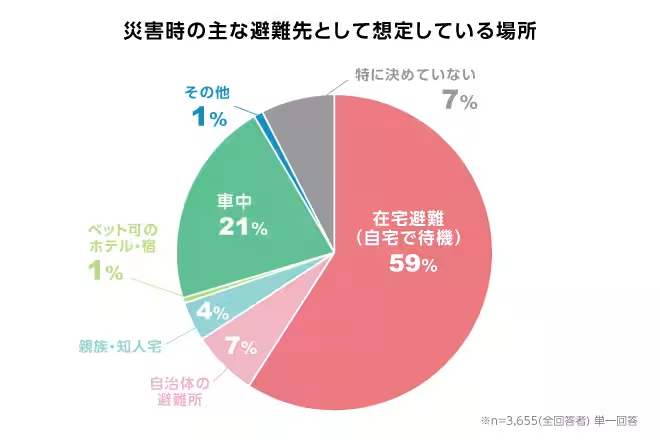
The survey also highlighted preferences for evacuation locations. Among the participants, 59% indicated that they would wait out a disaster in their homes, while 21% planned to stay in their vehicles. This trend reflects a reluctance to utilize designated evacuation centers in favor of more familiar environments.
However, despite these prepared measures, only 30% of respondents are aware of the pet admission policies at local evacuation centers. Furthermore, the primary reason cited for a lack of advanced preparedness was uncertainty surrounding the capabilities of those centers, with 53% expressing concerns about safety in those environments.
Mental Stress as a Major Concern During Evacuations
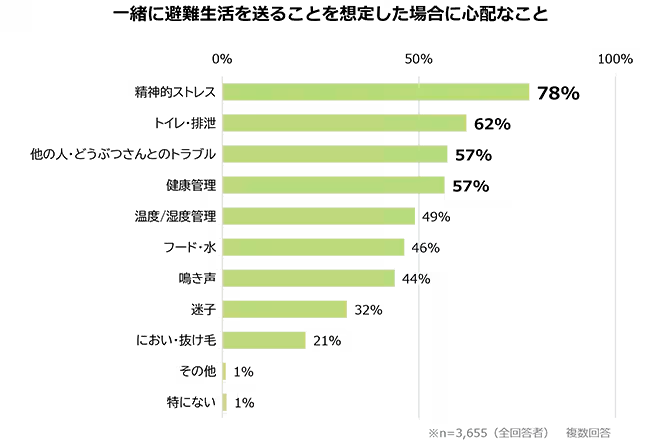
Addressing the emotional aspect of evacuating with pets revealed that a substantial 78% of participants are worried about the psychological stress faced by their animals during emergencies. Additional concerns included toilet management (62%), conflicts with other evacuees or pets (57%), and health care for their animals (57%). Pet owners of different animal species reported varying specific concerns: cat owners were particularly worried about losing their pets, while those with rabbits and birds stressed the importance of temperature and humidity control.
The Experience Factor: Having Evacuated Before
Of the surveyed individuals, only 17% had previously experienced evacuation during a disaster. Notably, those who had evacuated showed a heightened awareness of what to prepare for compared to those who had not. For instance, 51% of those with prior evacuation experience secured towels and care items as opposed to 40% among those without, while 42% had made provisions for power sources during outages compared to 32% of non-experience respondents. This suggests that firsthand experience significantly informs and improves disaster preparedness strategies.
Revisiting Preparedness Plans
As we face an ever-increasing likelihood of natural disasters, it is crucial for pet owners to reassess their preparedness plans. Steps include reviewing supplies, confirming potential evacuation spots, and understanding local regulations regarding pet accommodations in emergencies. Anicom Insurance is committed to supporting the peace of mind for pet owners through resources like the 'Animal Disaster Preparedness Handbook.' The ongoing effort to disseminate useful information will help ensure that both pets and their owners stay safe during unforeseen events.
Topics Other)
【About Using Articles】
You can freely use the title and article content by linking to the page where the article is posted.
※ Images cannot be used.
【About Links】
Links are free to use.