



Discovering Chromosomal Changes in Rhodotorula Yeast: Implications for Biotechnology
Discovering Chromosomal Changes in Rhodotorula Yeast
Recent research conducted by Tokyo University of Agriculture in collaboration with RIKEN's BioResource Research Center has provided new insights into the chromosomal structure of the yeast species
Rhodotorula toruloides, known for its potential in biofuel production due to its lipid accumulation capabilities. This groundbreaking study highlights the accumulation of chromosomal mutations that appear during laboratory cultivation, a phenomenon not typically seen in natural environments.
Key Findings
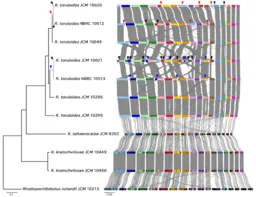
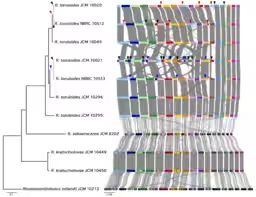
The research team, led by notable scientists including Yuuki Kobayashi and Moriya Ohkuma, successfully sequenced the entire genome of R. toruloides, offering comprehensive chromosomal data. The genome comparison revealed structural mutations in the chromosomes of certain strains grown in the laboratory, suggesting these changes are artificial and would not occur naturally.
The analysis was focused on a total of 11 strains from four specific yeast species preserved at the BioResource Center, showcasing a mixture of evolutionary preservation and unexpected chromosomal rearrangements.
The Yeast: A Brief Overview
Yeasts are unicellular fungi used primarily in food and beverage production, notably the well-known Saccharomyces cerevisiae for bread and alcohol fermentation. Rhodotorula toruloides, however, belongs to a different fungal group called Basidiomycetes, characterized by its distinct reddish-pink colonies. Unlike S. cerevisiae, R. toruloides does not actively ferment but excels at lipid accumulation, making it a promising candidate for biofuel applications.
Research Implications
The study not only emphasizes the normal chromosomal stability in most strains but also the identification of multiple translocations in certain ones, directly implying an unnatural evolution that could influence applications in microbial resource management and breeding. The evident chromosomal differences challenge the perceptions of yeast diversity and stability, as strains that visually appear similar may possess significant genetic variations that could impact their utility in biotechnological contexts.
Importance of Quality Control
Understanding these chromosomal variances is crucial, as they may lead to unintended effects in R. toruloides breeding practices aimed at enhancing biofuel production or other industrial applications. The researchers assert that proper microbial resource quality management must consider these internal differences, which could otherwise escape notice in routine assessments.
Conclusion
This study unveils a critical understanding of how laboratory conditions can drive unexpected genetic changes in microorganisms. As biotechnology advances, the implications of these findings will play a vital role in ensuring the reliability of microbial strains used in various industries. The work of this research team sets the stage for future investigations into microbial diversity and the significance of chromosomal stability in biotechnological applications.
Reference
Their findings are documented in the published paper titled Chromosome-resolved genome assemblies of Rhodotorula toruloides reveal abnormal chromosomal evolution under artificial culture conditions, found in Scientific Reports (DOI: 10.1038/s41598-025-31366-7).
Publication Date
The paper was published online on December 11, 2025.
Topics Consumer Products & Retail)
【About Using Articles】
You can freely use the title and article content by linking to the page where the article is posted.
※ Images cannot be used.
【About Links】
Links are free to use.