



The Increasing Demand for Care Food Among Working Caregivers in Japan
The Increasing Demand for Care Food Among Working Caregivers in Japan
Kewpie Corporation, a leader in food production based in Shibuya, Tokyo, has recently concluded its 10th awareness survey regarding caregiving. This comprehensive survey aims to investigate home caregiving realities and propose solutions to alleviate fears and challenges faced by caregivers. Initiated in 2017, the survey sheds light on the pressing issue of "business caregivers"—those who juggle professional work alongside family caregiving duties.
According to projections, by the year 2030, about 4 million family caregivers will also be working full-time, leading to an estimated economic loss of approximately 9.2 trillion yen due to decreased productivity. This situation, whereby caregivers struggle to balance work and caregiving responsibilities, constitutes a significant social issue that is worsening over time.
Survey Findings
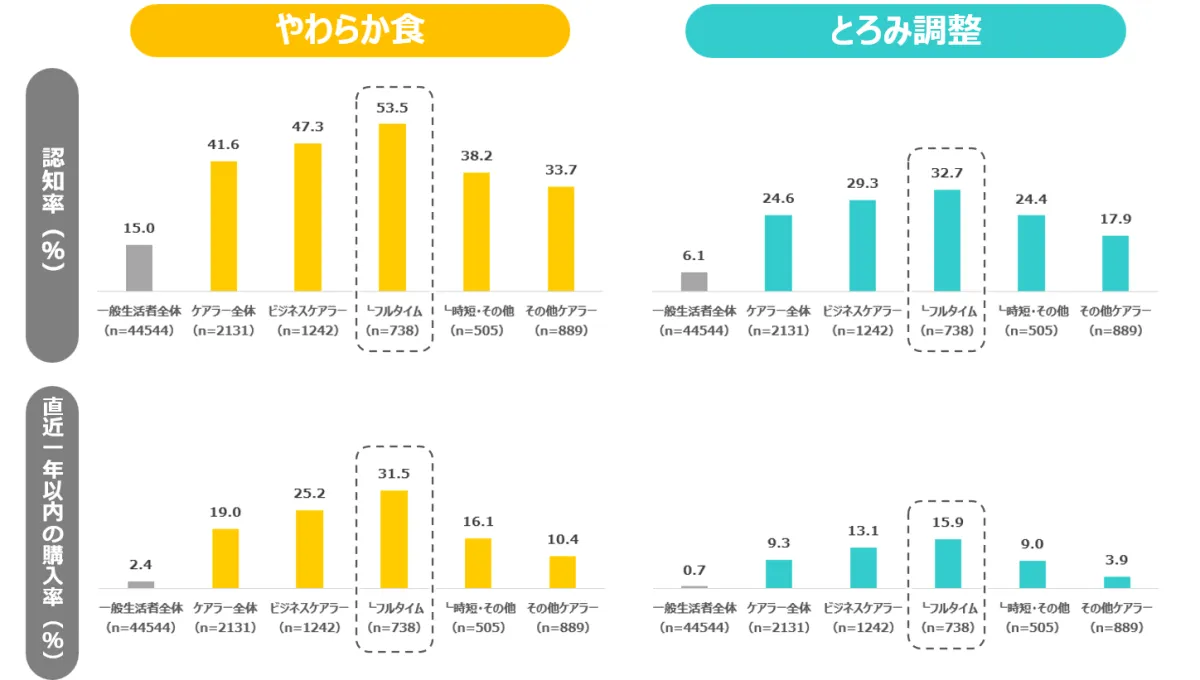
This year’s survey particularly examined the recognition and usage rates of “soft foods” and “thickening agents” among full-time caregivers, revealing that both product categories are crucial for those navigating the demands of both work and caregiving.
- - Key Findings:
Additionally, the purchasing rate of soft foods among full-time caregivers was reported at 31.5%, substantially higher than the general population's 2.4%. This underlines an acute need for readily available and easy-to-prepare care foods among those balancing their professional and personal obligations.
While full-time workers showed the highest acquisition rates, the survey also identified a varying but significant use of care foods among part-time workers and non-employed family caregivers. This suggests a widespread need for dietary solutions that reduce cooking burdens across different employment situations.
Addressing Food Challenges in Home Care
The survey results indicate that challenges surrounding meal preparation are not exclusive to business caregivers. Many caretakers expressed feelings of mental and physical strain associated with preparing nutritious and palatable meals. In candid responses, caregivers shared how commercial care food options enabled them to manage their responsibilities despite significant fatigue.
“During caregiving, I often feel exhausted and lack the energy to prepare meals. Thankfully, with the help of the ‘Kewpie Gentle Menu,’ I can get through these tough times,” noted one participant in the survey.
Another caregiver highlighted the difficulty of preparing soft foods for a parent undergoing oral therapy, stating, “It's genuinely tough to make meals daily with ingredients that are easy to process.” This reflects the emotional and psychological burden faced by caregivers, who manage both their loved ones' needs and their personal fatigue.
Through this survey, it becomes evident that commercially available care foods serve as significant support for a diverse pool of caregivers, helping alleviate the stress associated with meal preparation and enhancing their overall well-being.
Kewpie's Commitment
Moving forward, Kewpie is dedicated to contributing to the peace of mind and comfortable living of all caregivers, regardless of their professional status or home environments.
The Rise of Universal Design Foods (UDF)
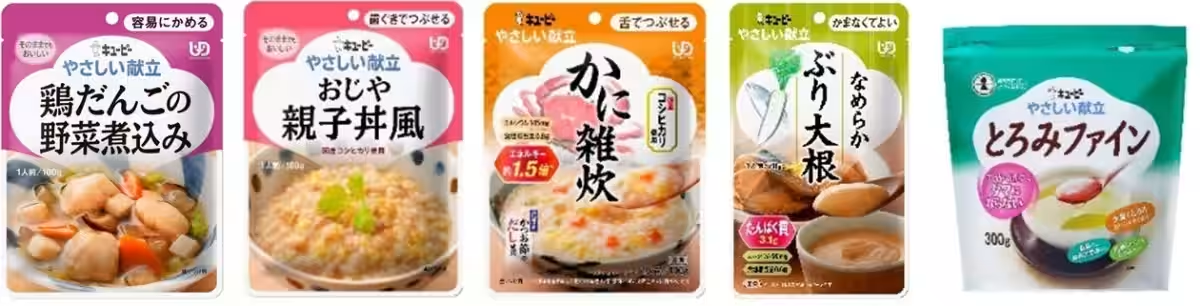
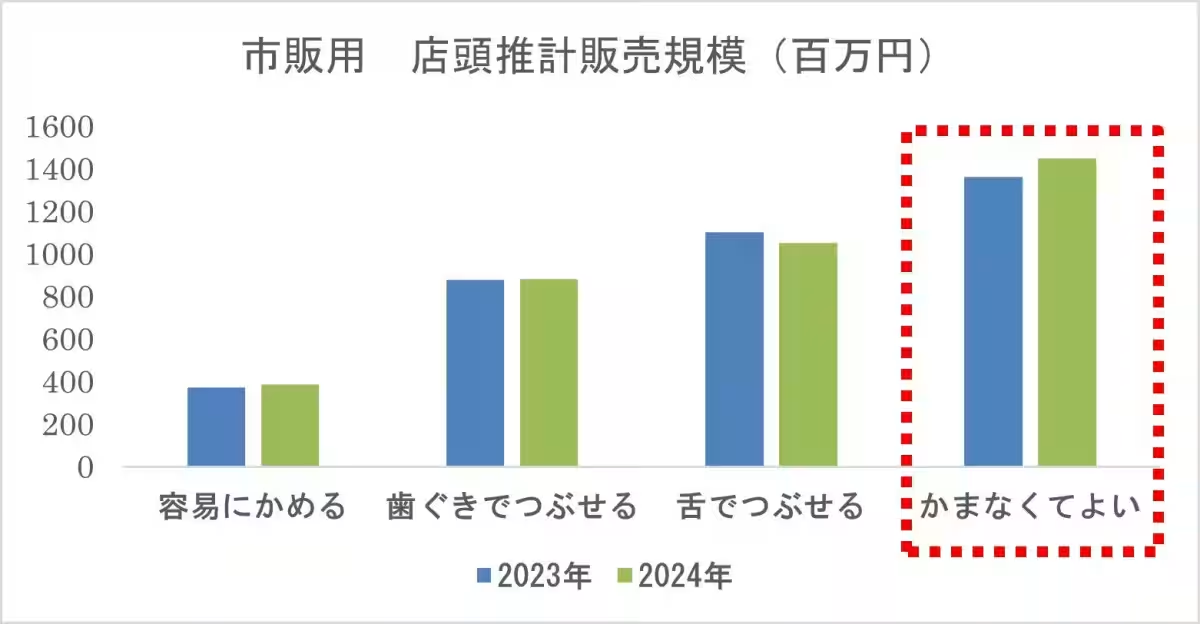
The UDF market is steadily expanding, especially in sectors requiring easy-to-prepare options such as purees, gels, and mousse formulas that eliminate the need for chewing. This trend indicates a clear demand for convenient meal solutions. UDFs are designed to address various eating abilities, enhancing inclusivity in dietary options available for home care settings.
Overall, as the caregiving landscape continues to evolve with an increasing number of business caregivers, the emphasis on easily accessible, nutritious, and enjoyable meal solutions will be critical in ensuring a balanced and fulfilling life for both caregivers and those they care for.
Topics Health)
【About Using Articles】
You can freely use the title and article content by linking to the page where the article is posted.
※ Images cannot be used.
【About Links】
Links are free to use.