



Okayama University Advances Helium Recycling Collaboration in Japan
Advancing Helium Recycling at Okayama University through HeReNet
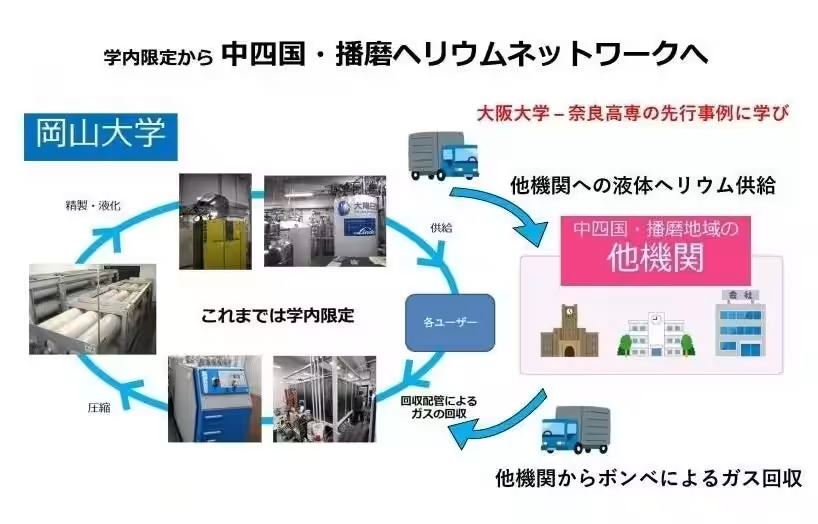
In a remarkable initiative aimed at promoting sustainable resource management, Okayama University recently embarked on the helium recycling project known as the Chugoku-Shikoku / Harima HeReNet. On May 7, 2026, a task force from the university visited the SPring-8 facility, located in Sayou, Hyogo Prefecture, as part of this effort. This collaborative endeavor seeks to strengthen research equipment sharing and enhance regional collaboration among universities, research institutes, and industries.
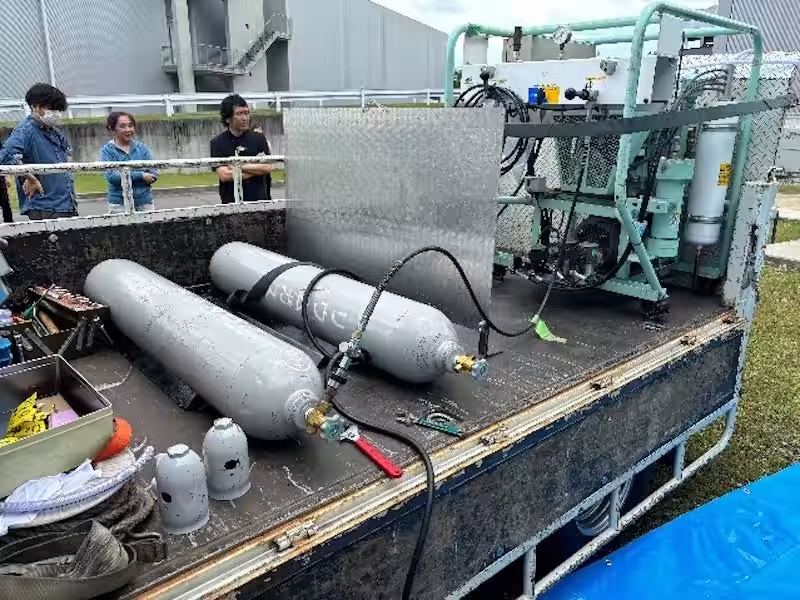
The team from Okayama University included experts from the Comprehensive Technical Department and the Research Cooperation Division. They collaborated with researchers from the High Energy Accelerator Research Organization at SPring-8 to initiate the helium gas recovery process. This involved the extraction of helium gas from the Nonelastic and Nuclear Resonance Scattering Beamline (BL35XU) following user experiments.
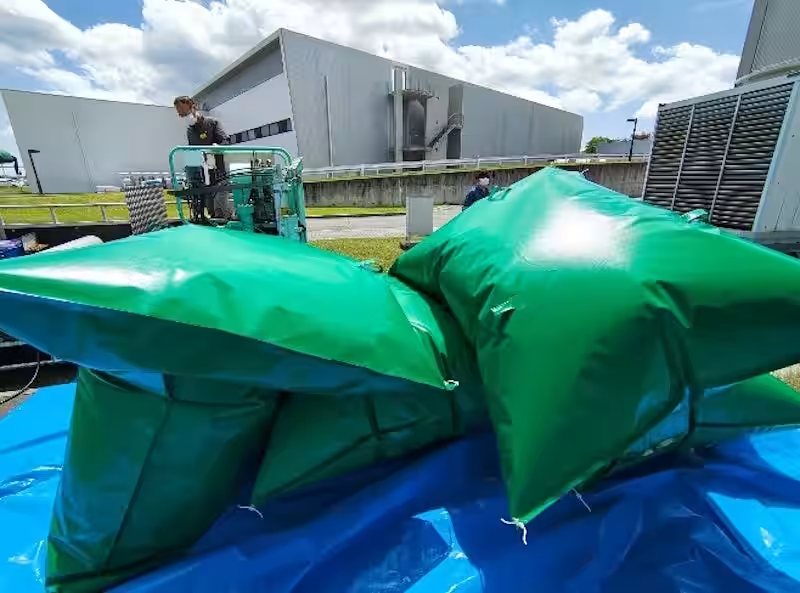
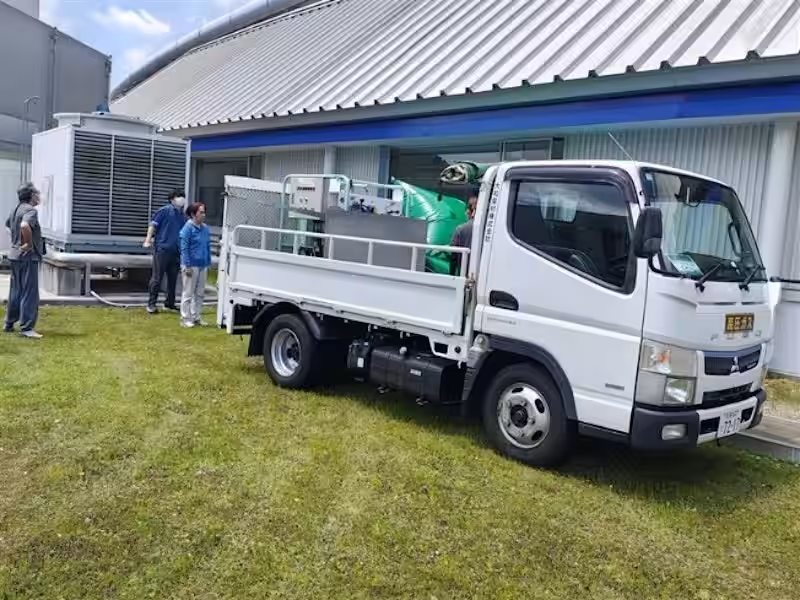
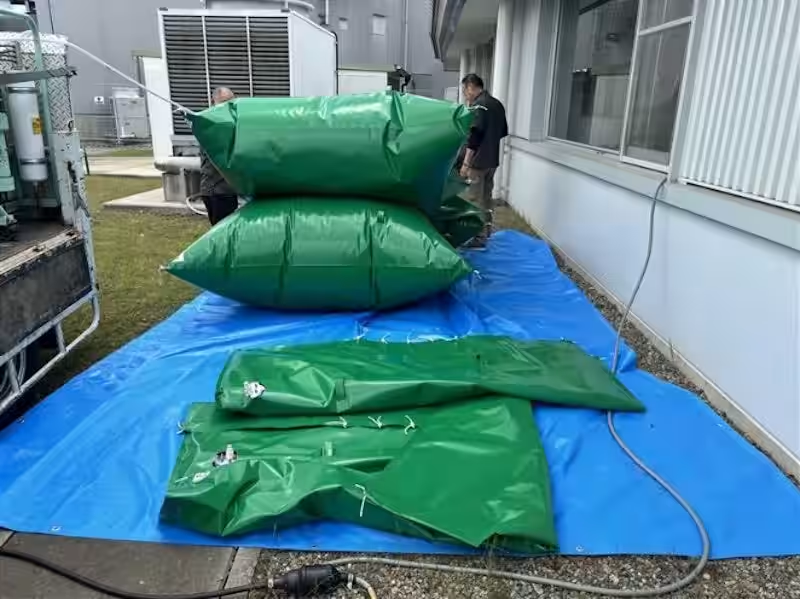
Ten gas bags, each with a capacity of 1 cubic meter, were supplied to SPring-8 by Okayama University. The helium recovery process lasted approximately three days, during which researchers connected the superconducting magnets with hoses to facilitate the collection of helium. The operation was methodically carried out, with bags filled in pairs and transferred to ensure a continuous process. Ultimately, a total of approximately 10 cubic meters of helium gas was successfully captured and transported back to Okayama University's Tsushima Campus.
This effort is notable as it marks the first instance in which helium was recovered from devices other than the nuclear magnetic resonance (NMR) equipment that was previously the focus of the HeReNet initiative. Dr. Nobumoto Nagasawa, a researcher involved in the project, emphasized the importance of helium as a finite resource and expressed optimism about the project’s potential to contribute to effective utilization and stable supply.
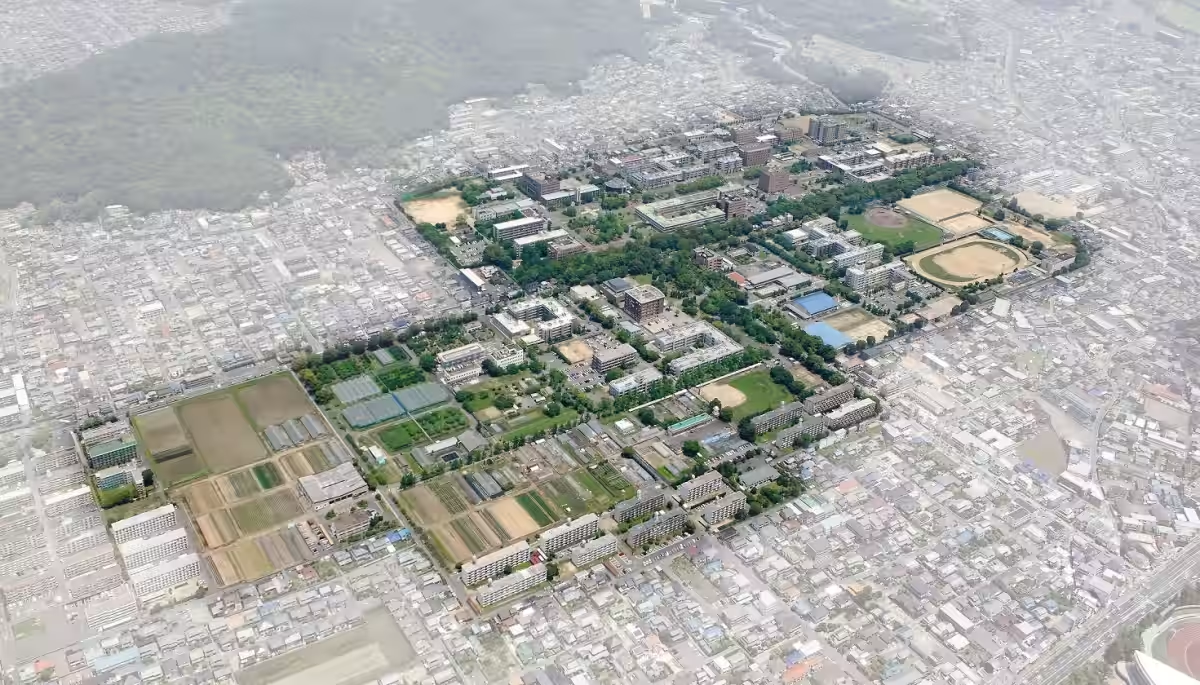
Okayama University is committed to serving as a core research institution in the region and aims to expand the application of liquid helium across various research fields. The university plans to supply liquid helium not only to its faculties but also to neighboring universities, research institutions, and technical colleges.
As the supply of helium currently relies entirely on foreign sources, this initiative carries significant economic security implications. The university also plans to develop a training program named HeliSET, targeting the next generation of helium users, thereby aiming to stabilize helium prices and ensure its availability.
Through the combined efforts of HeReNet, HeliGet, and HeliSET, Okayama University is leading what is known as the “He3 Project.” This integrated approach signifies the institution’s aspiration to adapt to the challenges posed by helium scarcity and contribute to national research capabilities and innovation.
The HeReNet initiative is not just about recycling gas; it symbolizes a grander vision for sustainable resource management and collaboration among researchers and institutions for the benefit of the wider community. As Okayama University continues to pave the way in research capabilities, it’s essential for all stakeholders to support this journey and witness the advancements in Japan’s research infrastructure.
In conclusion, Okayama University’s commitment to helium recycling exemplifies its dedication to enhancing research collaboration while striving for economic security. By nurturing cooperation and providing resources, the university is set to enhance innovation and research excellence in Japan for years to come.

Topics Other)
【About Using Articles】
You can freely use the title and article content by linking to the page where the article is posted.
※ Images cannot be used.
【About Links】
Links are free to use.