




iStock Unveils Visual Marketing Trends for 2026 for SMEs
Introduction
In a rapidly evolving digital landscape, iStock, one of the world's largest stock photo websites, has revealed its anticipated visual marketing trends for 2026. This initiative aims to guide small and medium enterprises (SMEs) on leveraging visuals to communicate effectively and gain a competitive edge. The findings stress the importance of authenticity and uniqueness, especially in an era characterized by the rise of generative AI tools.
The Trust Gap
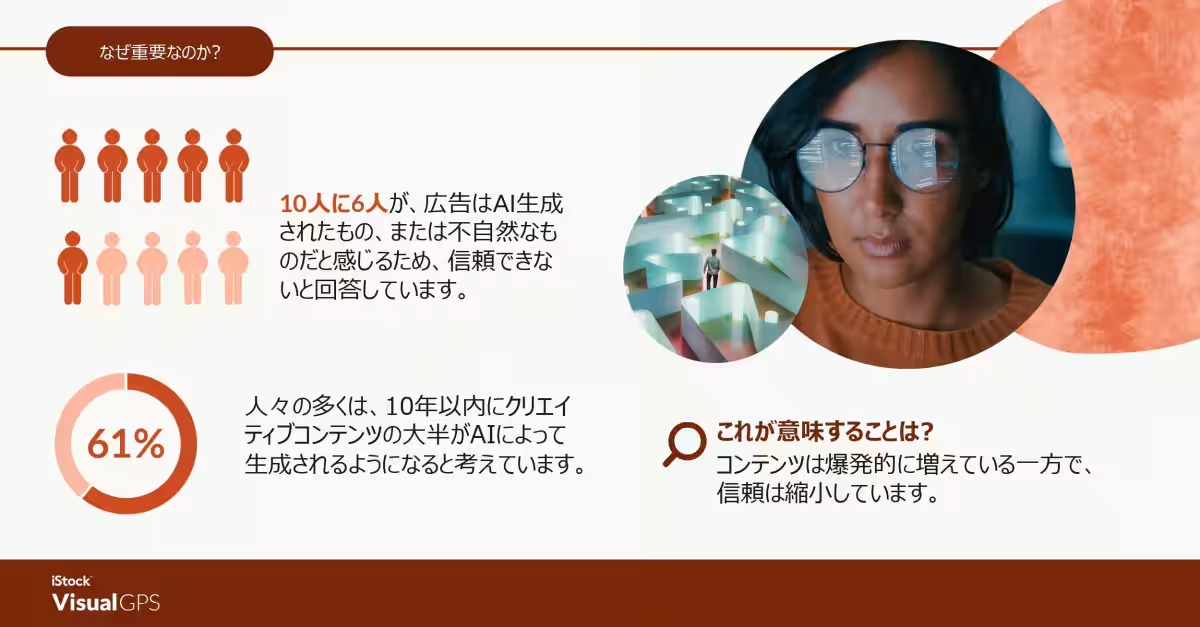
According to the VisualGPS report from iStock, a significant concern among consumers is the erosion of trust in advertising. A staggering 60% of individuals expressed skepticism towards advertisements, often attributing their distrust to AI-generated visuals that they deem artificial or overly processed. This raises the “trust gap,” which presents both challenges and opportunities for SMEs eager to connect with consumers demanding reliable and original content.
Dr. Rebecca Swift, iStock’s Senior Vice President of Creative, emphasized that today’s SMEs operate in an environment where the volume of content is skyrocketing while consumer trust is dwindling. She noted that consumers are not merely skimming through visuals; they are critically evaluating them, seeking authenticity and realness. The trends highlighted by iStock potentially offer SMEs insights into consumer expectations, which increasingly lean towards personal, unexpected, and relatable visual storytelling.
Key Marketing Trends for 2026
1. The Risk of Visual Homogeneity
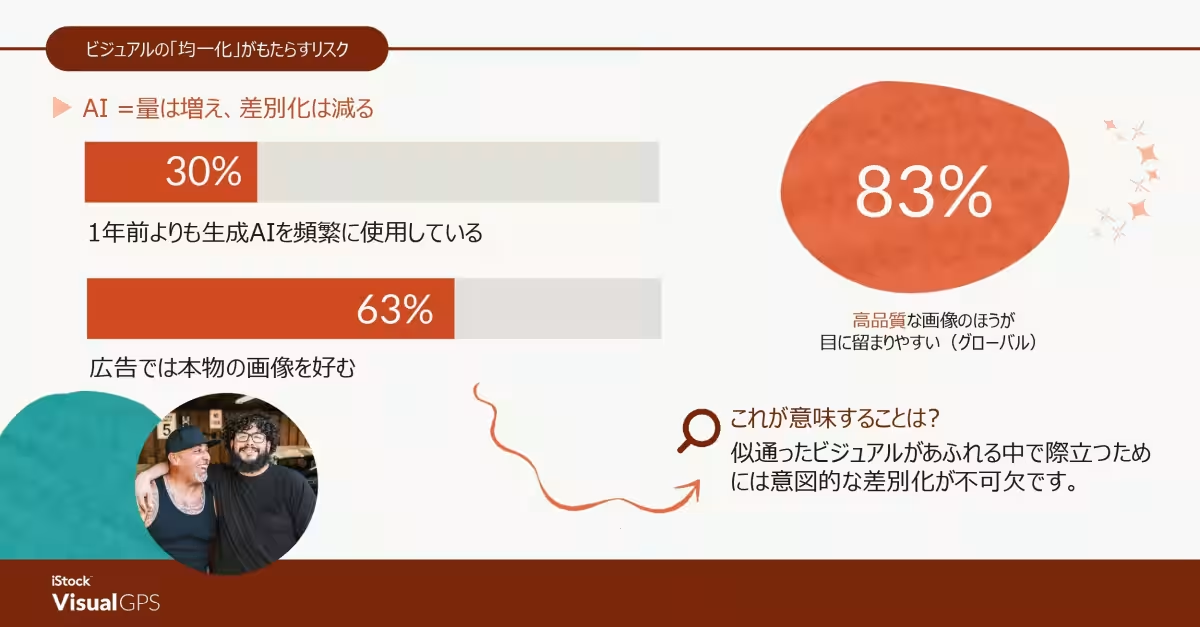
With generative AI tools penetrating essential marketing activities, the quantity of visuals produced by brands is reaching unprecedented levels. The VisualGPS data indicates that 44% of consumers globally, and 30% in Japan, report an increase in their use of generative AI for creating polished content. However, this rise has also led to a concerning trend: many visuals are beginning to look strikingly similar. The importance of real images, which represent trust, is underscored by the fact that 63% of Japanese consumers prefer authentic images in advertising.
2. Designing Randomness
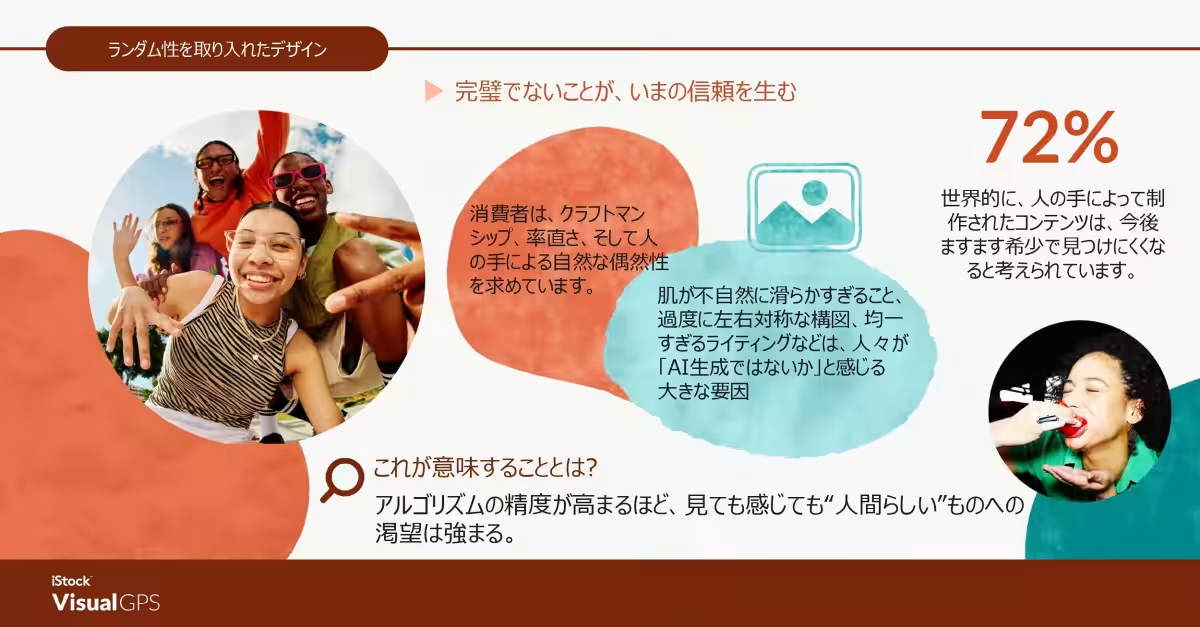
Embracing randomness in design can trigger experiences akin to spontaneity found in physical shopping or storytelling. Consumers are increasingly discerning, and visuals that appear overly refined or symmetrical often evoke suspicions of being AI-generated. To counter this, SMEs should focus on showcasing the creative process, highlighting imperfections, and portraying raw, genuine expressions. Such “happy accidents” in visuals may resonate more authentically with audiences.
3. Comfort as a New Ideal
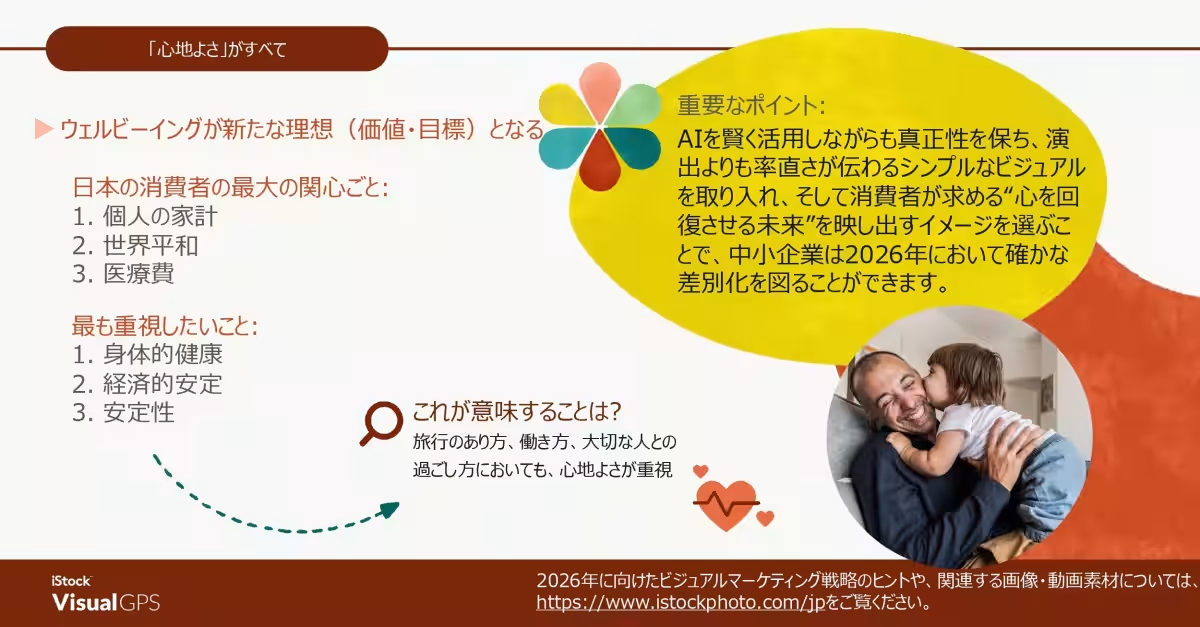
Current data indicates that the foremost concerns of Japanese consumers revolve around personal finance, global peace, and healthcare. Amid ongoing economic pressures, there is a collective desire for comfort and stability. Consequently, visuals should reflect themes of ease, recovery, and meaningful human interactions. By incorporating imagery that connotes rootedness, balance, and nurturing relationships, brands can convey the comforting and grounded future that consumers are seeking.
Conclusion
As we move towards 2026, the emphasis on authenticity and trust becomes increasingly pertinent for SMEs leveraging visual marketing strategies. iStock provides resources and insights aimed at bridging the trust gap in an oversaturated digital landscape. Further hints and related visual content for enhancing marketing strategies can be found at iStock.
About iStock
iStock, operated by Getty Images, is committed to delivering visually compelling content tailored to resonate with consumers' hearts. Featuring over 180 million assets and a vast network of creators, iStock ensures that businesses can access premium and royalty-free images, footage, and illustrations.
For more information on Getty Images, their extensive content solutions, and updates, please visit their official site or the iStock platform.

Topics Consumer Products & Retail)
【About Using Articles】
You can freely use the title and article content by linking to the page where the article is posted.
※ Images cannot be used.
【About Links】
Links are free to use.