



Exploring Store App Ownership and Usage Among Shoppers in Japan
A Comprehensive Study on Store App Ownership in Japan
Introduction
In an era where digital marketing is rapidly evolving, the role of store applications has become increasingly significant in connecting retailers and consumers. According to recent research conducted by Asmarq Co., Ltd., over 800 individuals aged between 20 and 50 participated in a survey focused on the ownership and usage of store apps. The findings highlight app ownership rates across various sectors, abandonment experiences, and consumer expectations for future improvements.
Ownership Rates Across Industries
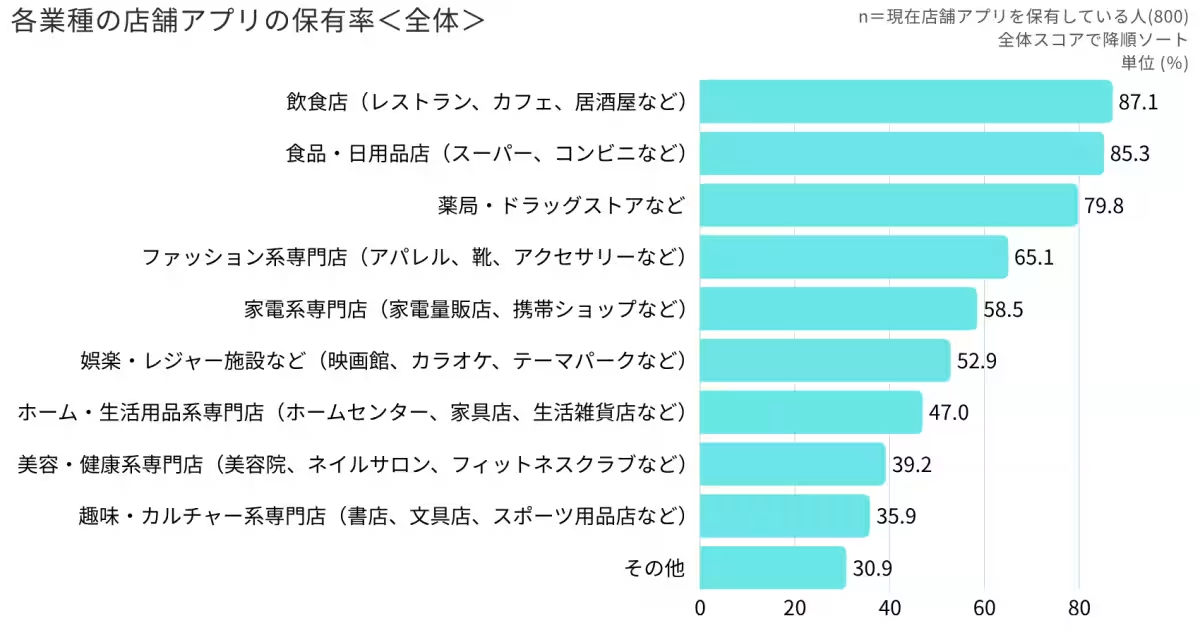
The survey results illustrate that the restaurant sector boasts the highest ownership rate of store apps, at an impressive 87.1%. Following closely are the food and daily necessities sector at 85.3% and pharmacies and drugstores at 79.8%. These statistics underscore the retail landscape where store apps are integrated into consumers' shopping experiences, proving essential for customer engagement.
Common App Activities and Conversion Rates
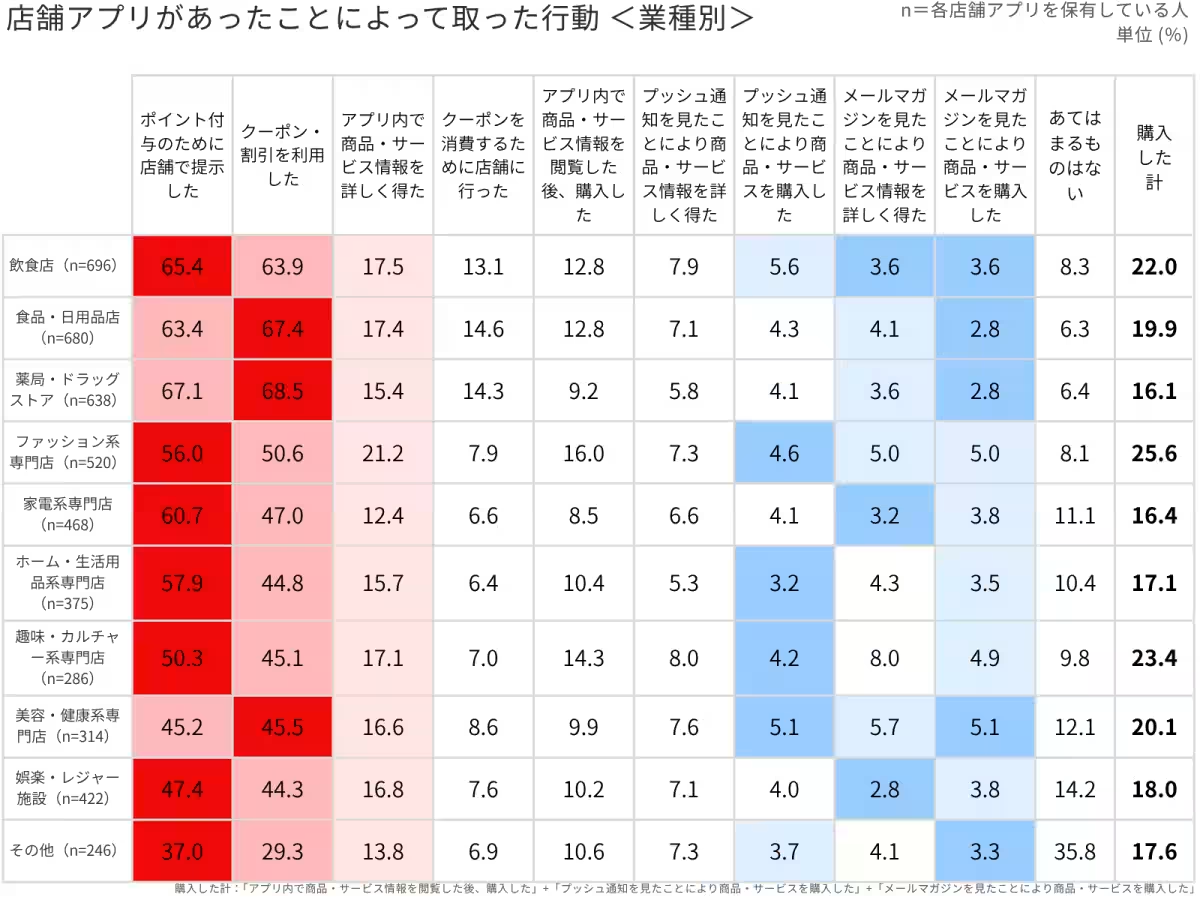
Despite the high ownership levels, the study revealed a concerning trend regarding user engagement. The majority of participants engaged with store apps primarily for obtaining points, coupons, and product information rather than making purchases directly through them. Less than 30% of users transitioned from app interactions to actual purchasing decisions across all sectors.
Experience of Abandonment
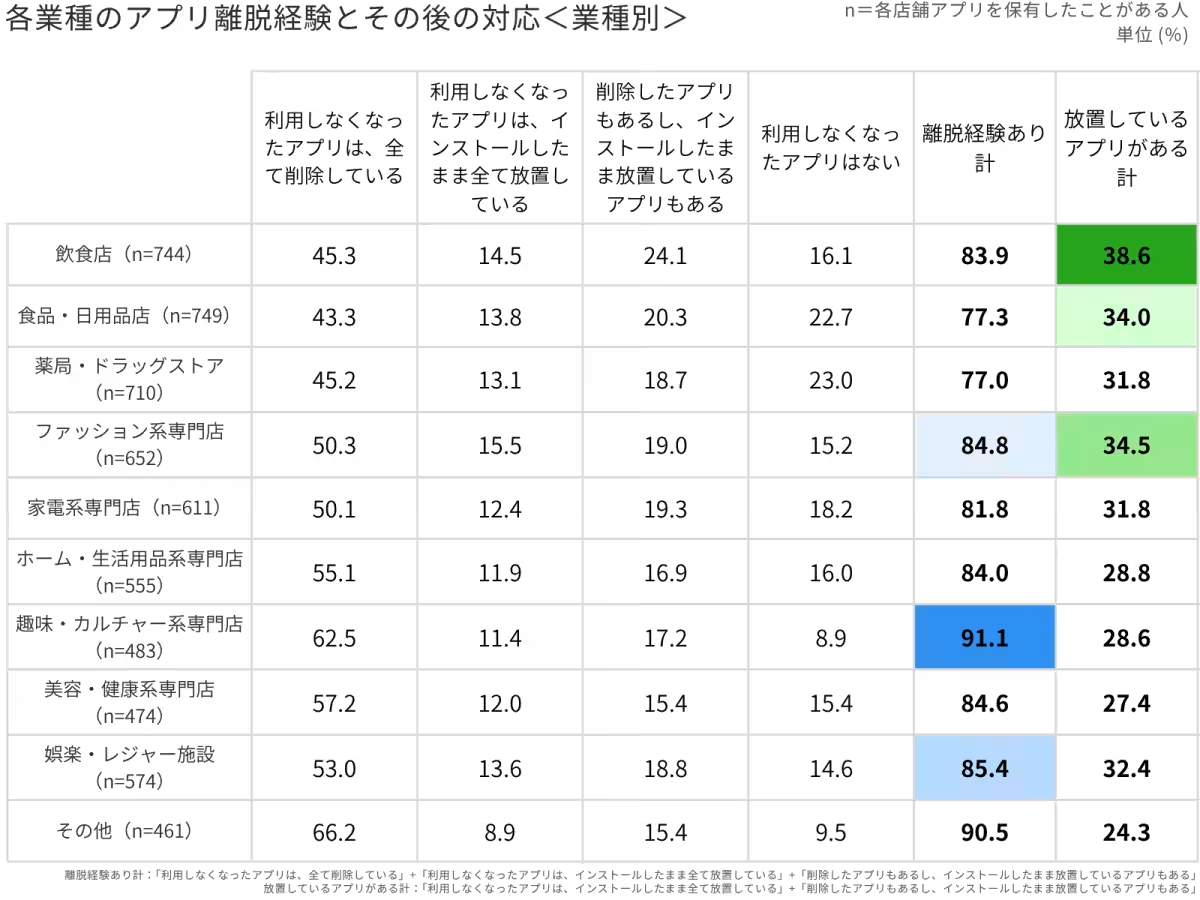
A notable 70% of respondents reported having abandoned at least one store app, which raises questions about user retention in the retail app market. Alarmingly, about 30% of users let these apps remain unused on their devices. Particularly, the hobby and cultural sectors reported a staggering 90% abandonment rate among users, indicating a potential area of concern for retailers relying heavily on app functionality.
Push Notifications and Email Campaigns
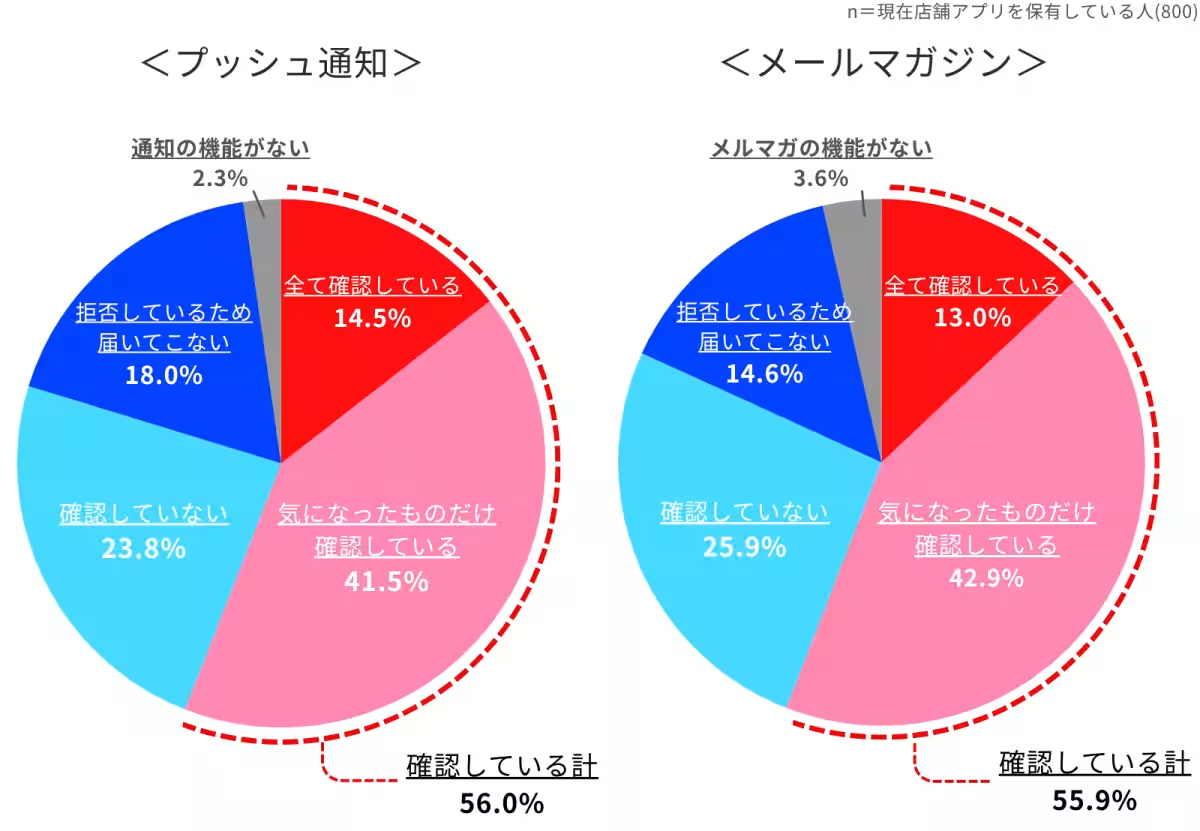
The survey also delved into the effectiveness of push notifications and email marketing campaigns associated with store apps. Approximately 55% of consumers check notifications or emails only for content that piques their interest. However, between 20% to 25% of participants admitted to ignoring notifications completely or not receiving them due to rejection settings, revealing challenges for companies in effectively reaching their target audience.
Areas for Improvement
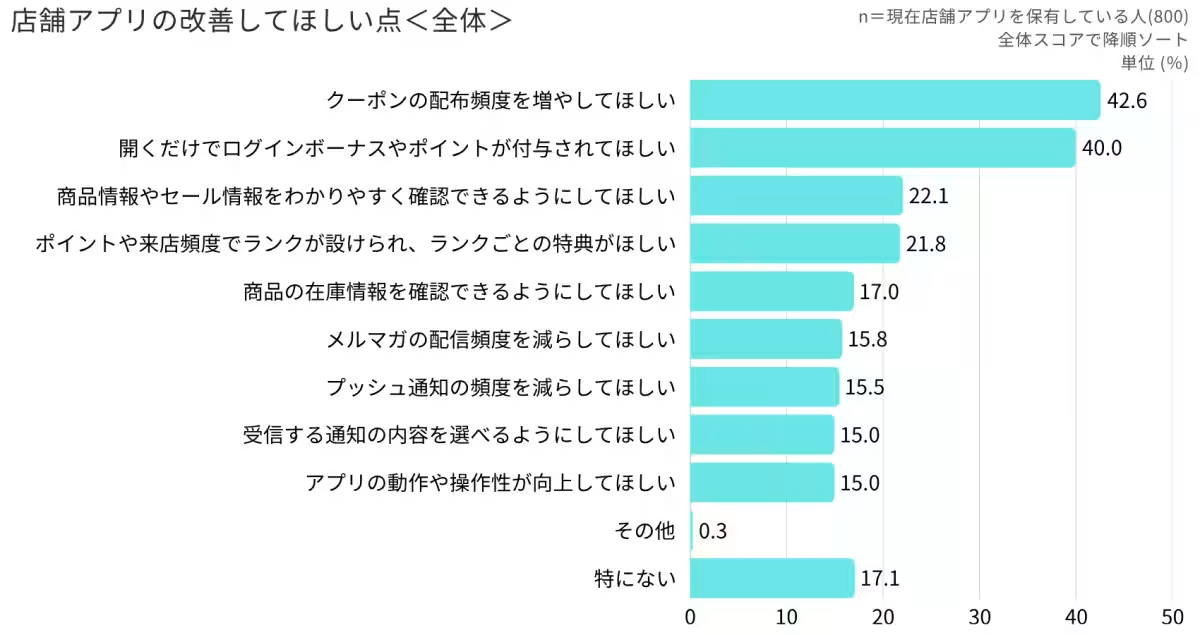
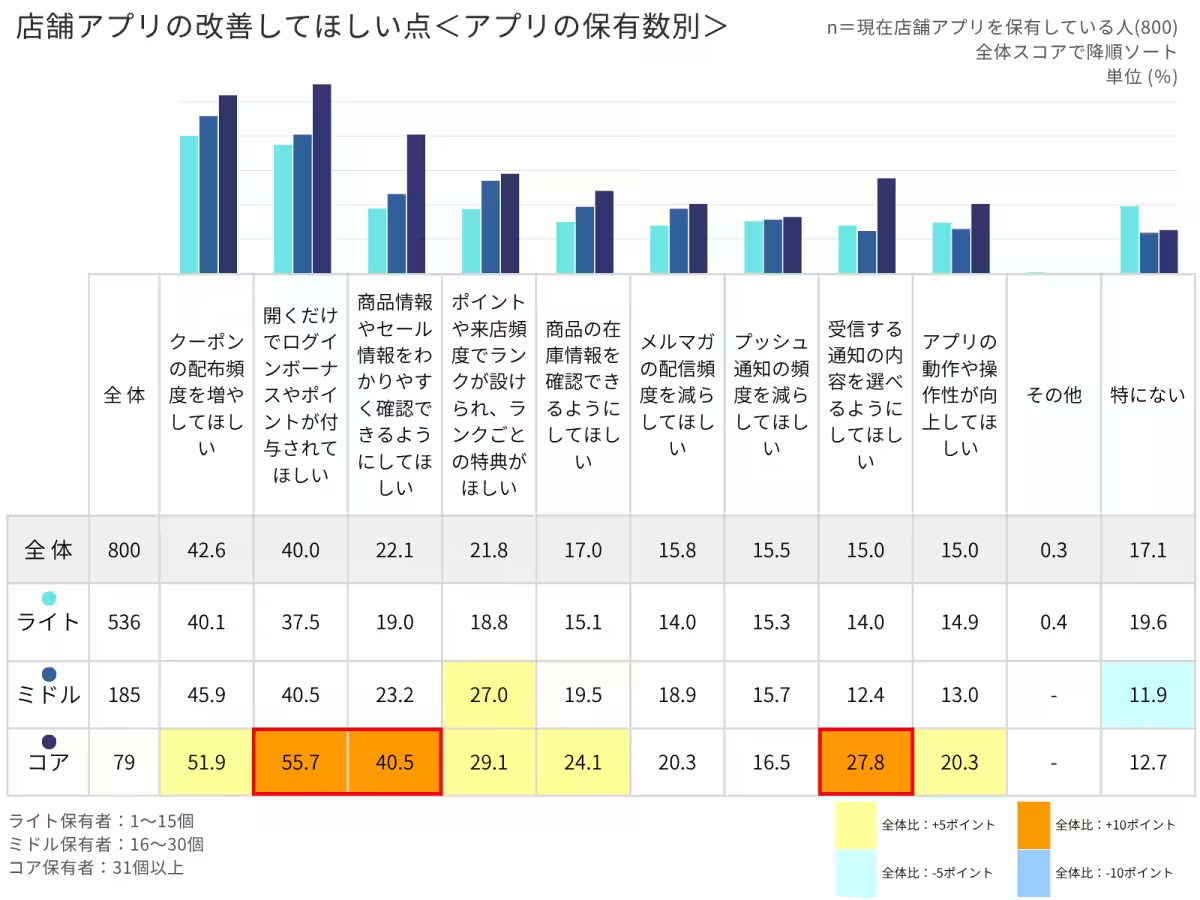
To enhance consumer engagement and utility, the survey asked respondents about improvements they desire in store apps. Key takeaways include:
- - Increased frequency of coupon distributions (42.6%)
- - Incentives such as login bonuses and points upon app access (40.0%)
- - More accessible product and sales information (22.1%)
These expectations reflect users' desire for tangible benefits from app usage, urging retailers to rethink their app strategies.
Consumer Insights Based on Saving Attitudes
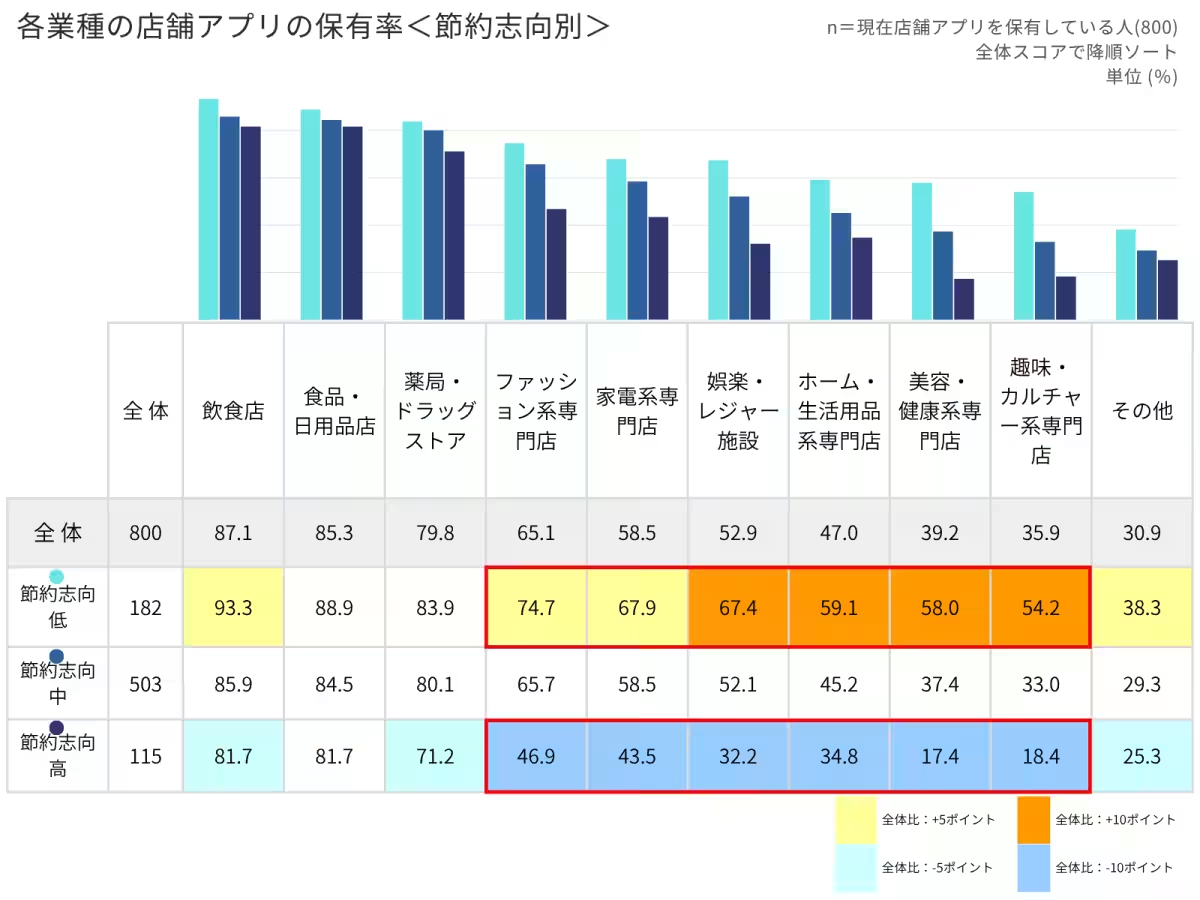
Interestingly, the survey uncovered a trend where consumers with lower saving motivations reported higher ownership rates across most app categories. This could indicate that individuals more focused on budget management tend to limit their app interactions, consequently lowering their opportunity to engage with store apps regularly.
In sectors such as leisure and wellness, there was a significant difference in app ownership rates based on saving attitudes, with higher-saving individuals falling short by over 30 percentage points.
Conclusion
As store apps become an essential tool for engaging consumers, understanding user behavior is critical for retailers aiming to improve app retention and usage. This study not only sheds light on the current state of store app ownership and abandonment in Japan but also presents valuable insights for retailers to innovate and foster deeper relationships with their customers moving forward. With consumers requesting more engaging and rewarding experiences through their apps, addressing these expectations will be key in maximizing the potential of store apps in the retail industry.
To access the full survey results and insights, please download the report from Asmarq's website.
Topics Consumer Products & Retail)
【About Using Articles】
You can freely use the title and article content by linking to the page where the article is posted.
※ Images cannot be used.
【About Links】
Links are free to use.