



Exploring Consumer Behavior: Support Spending Trends Among EC Users
The Rise of Support Consumption Among EC Users
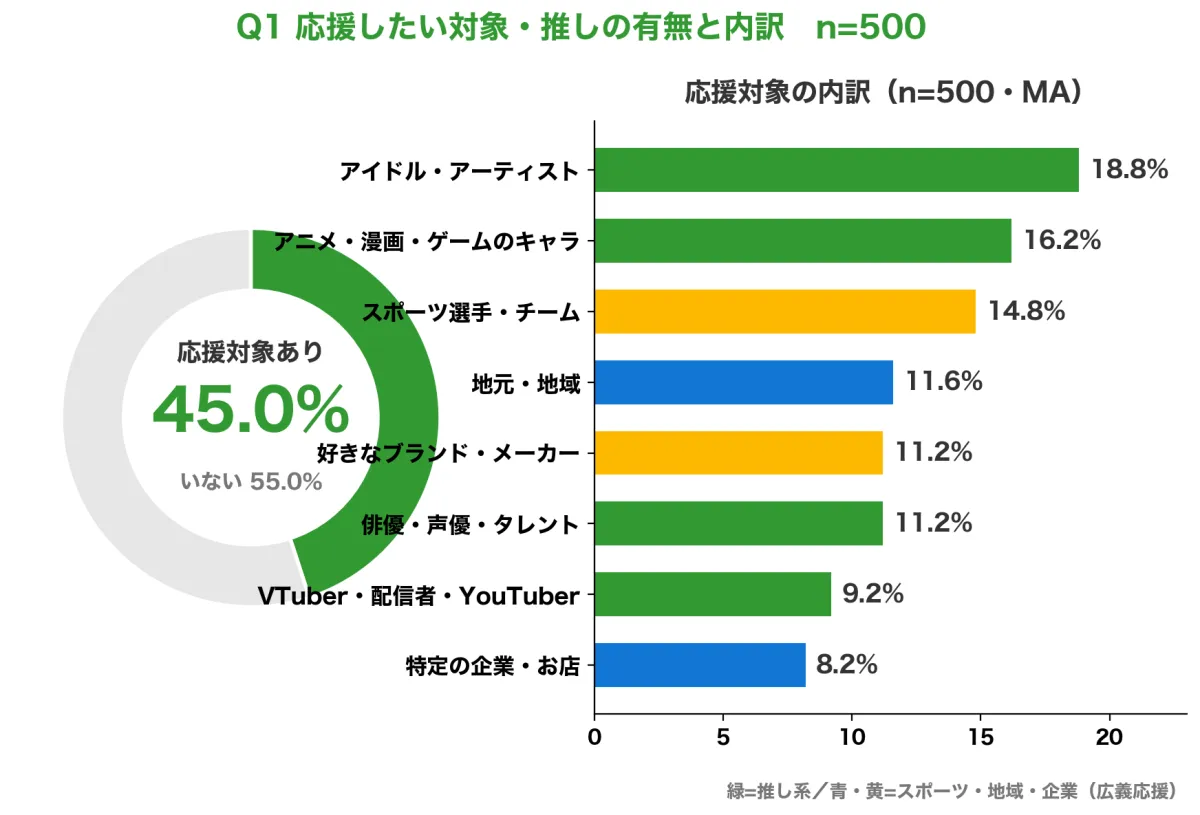
In a recent survey conducted by Spollup, an e-commerce marketing support company based in Chofu, Tokyo, it was found that 45% of active EC users have a target or a "favorite" they wish to support financially. This survey aimed to quantify the phenomenon known as "support consumption" among consumers, shedding light on spending patterns and motivations. The results revealed a phenomenon that is not just about altruism but deeply intertwined with personal fulfillment.
Key Findings
1. The Popularity of Supporting Favorites: 45% of EC users reported having a target they wish to support, with 31.4% identifying as part of the "support activity" group that engages with idols, anime characters, or VTubers. In contrast, 25.4% are aligned with broader support categories such as brands, local areas, or sports teams.
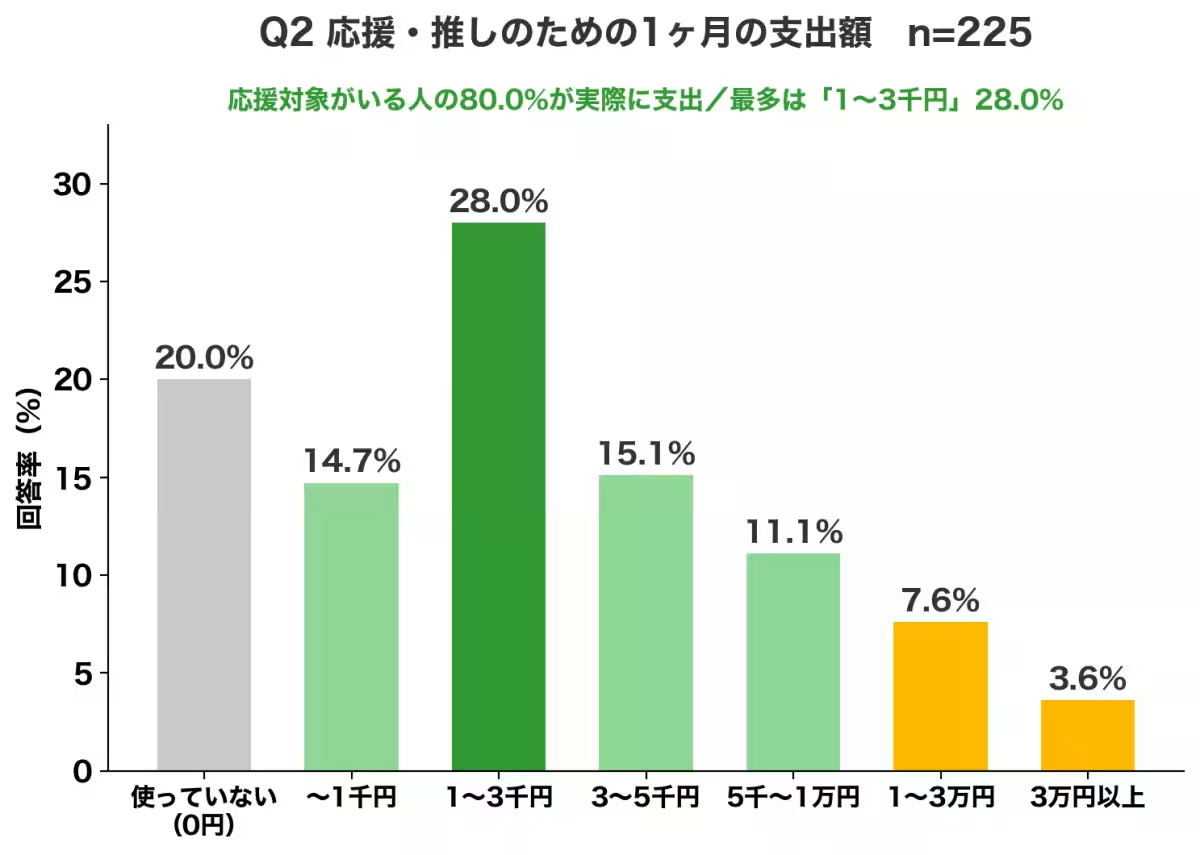
2. Majority Spend on Their Favorites: Of those who wish to support someone, 80% actually spend money. The most common spending range is below 3,000 yen monthly, with 28% of respondents indicating they spend between 1,000 to 3,000 yen.
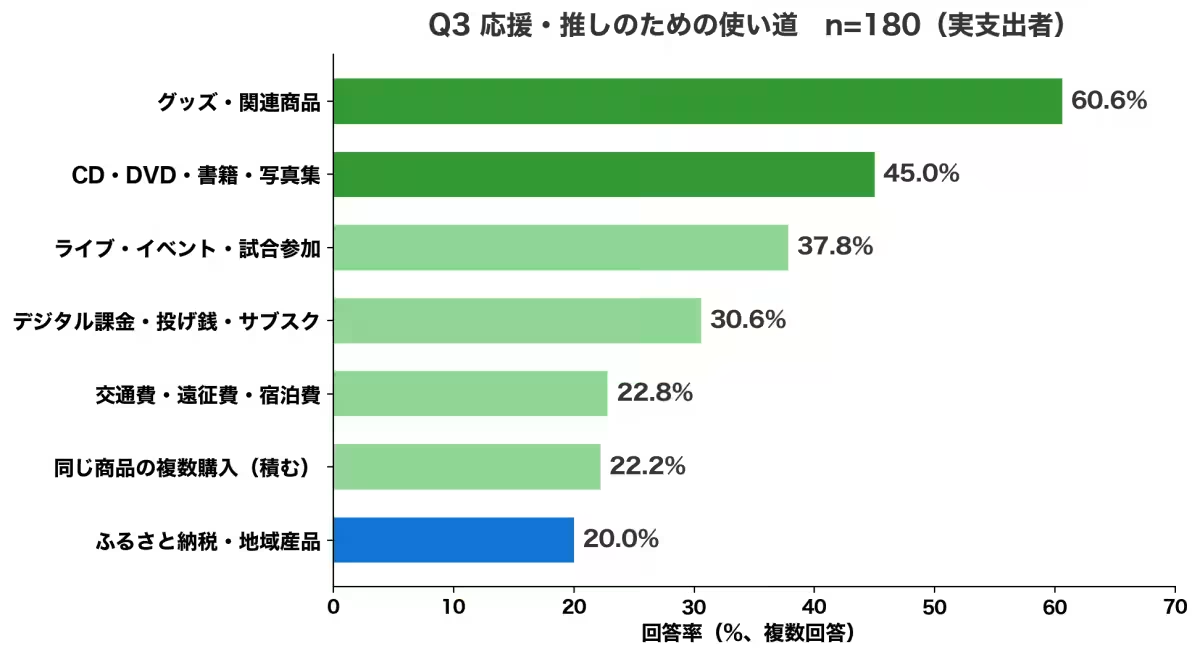
3. Where the Money Goes: The leading expenditure is on merchandise and related products (60.6%), followed by entertainment mediums like CDs, DVDs (45.0%), and live events or concerts (37.8%).
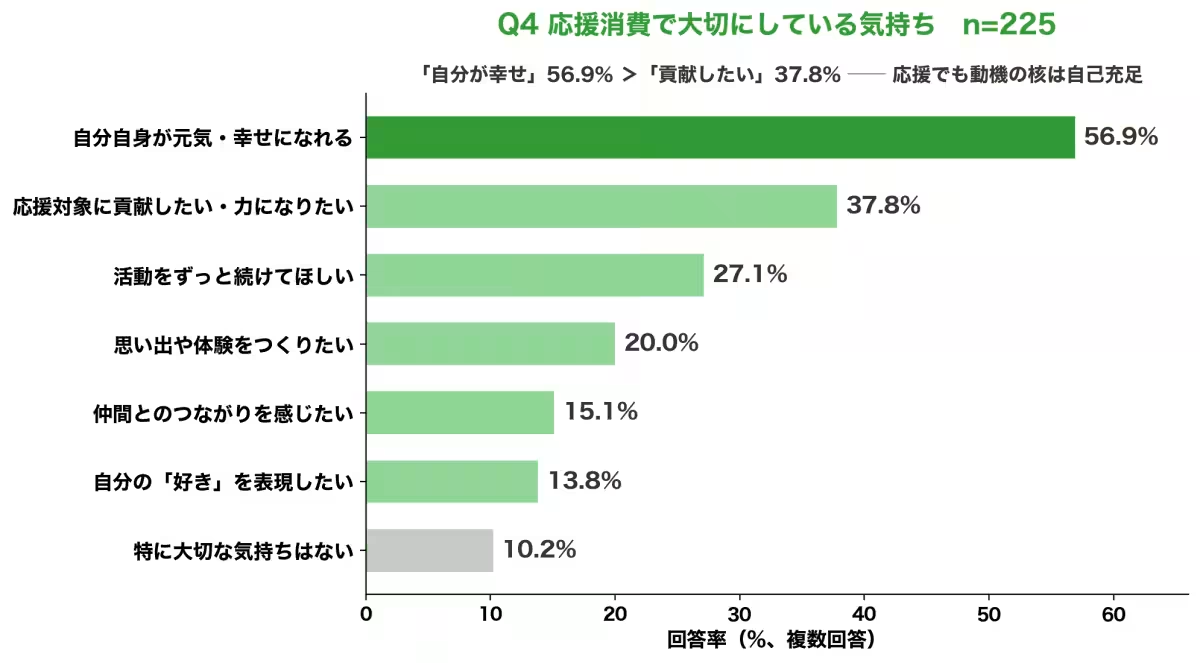
4. Motivation Behind Spending: Interestingly, the desire that drives their support spending is not solely based on altruism; 56.9% of participants expressed that spending makes them feel happy and fulfilled, eclipsing the 37.8% who indicated a wish to contribute to their supports' success.
Age Distribution
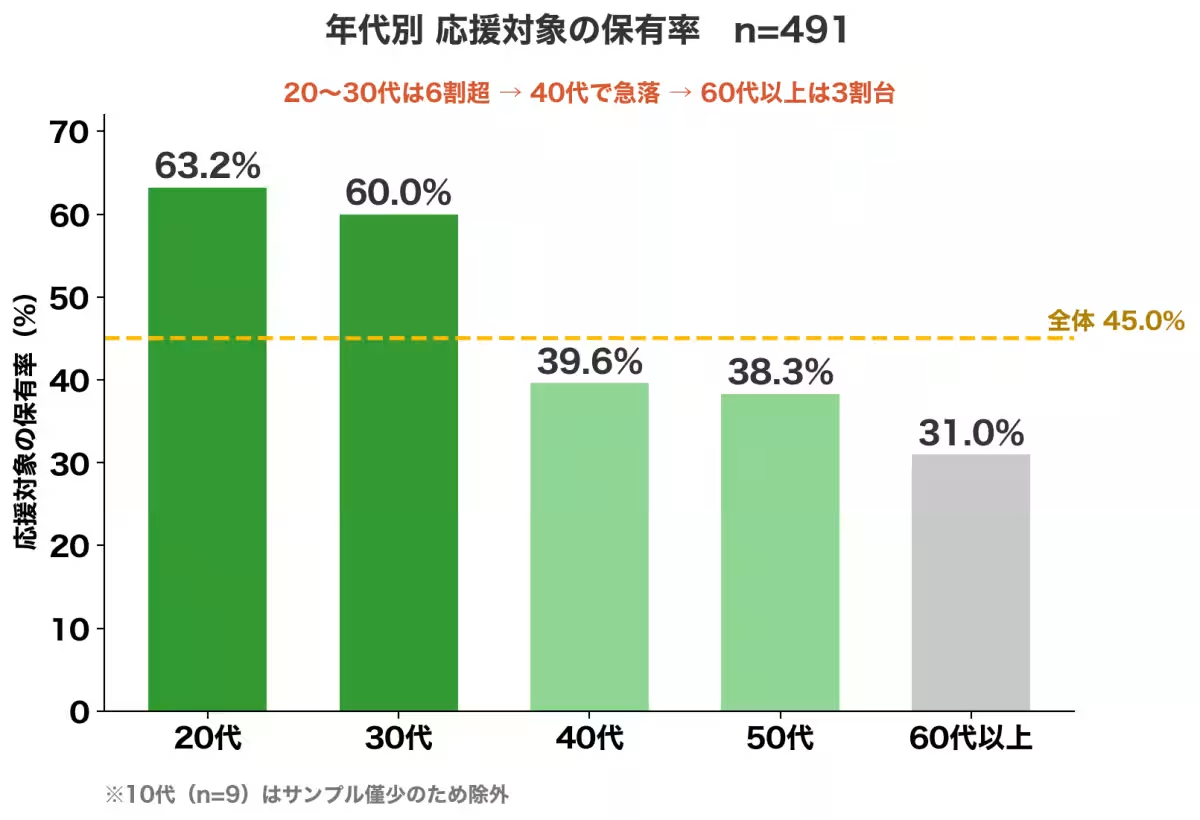
The survey also highlighted how motivations for support spending differ across age demographics. Younger generations (20s) tended to focus on supporting pop culture icons like idols and anime characters, whereas older groups (60s and above) leaned towards local teams or brands. Notably, while 63.2% of respondents in their 20s support favorites, the percentage drops to 39.6% for those in their 40s.
The Emotional Impact of Support Spending
Further examination of open-ended responses sheds light on the deeper satisfaction derived from these activities. While physical goods dominate spending, the most cherished experiences came from memories formed through live events and meetings:
- - _"Attending my first concert made me realize this is something I want to follow for life.”_
- - _"Sharing a passion with others who like the same idol created a strong community feeling.”_
Balancing Necessities with Luxuries
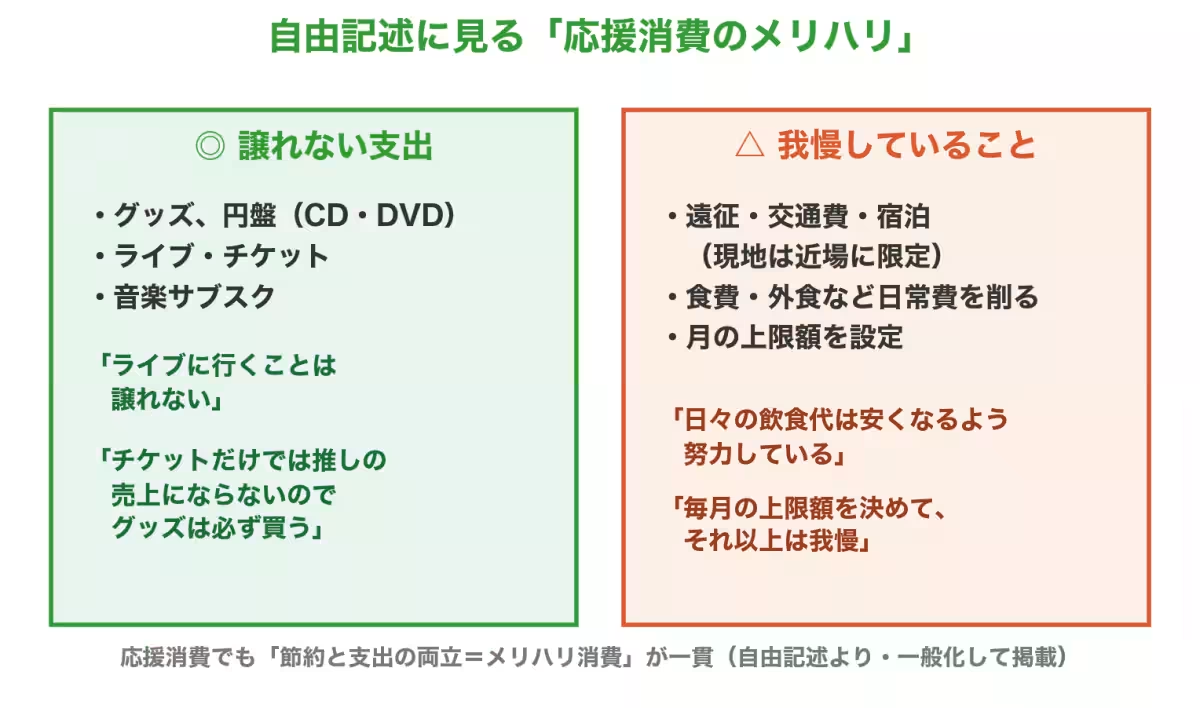
Participants clearly defined their spending priorities, indicating certain expenditures they would not compromise on, including merchandise and concert tickets, while choosing to cut back on travel and everyday expenses. Key takeaways include:
- - Non-negotiable spending: Goods like CDs or tickets, and subscriptions for music streaming services are highly valued.
- - Areas to cut back: Costs related to travel for concerts or everyday living expenses were identified as areas where respondents are willing to economize.
These findings reflect the duality of support spending – it allows for a fulfilling investment in one's interests while also demanding financial restraint.
Conclusion: Consumption for Self-Fulfillment
Ultimately, this analysis of support consumption reveals three main factors at play:
- - Self-fulfillment: The primary motivation remains personal happiness, suggesting support spending serves as a form of self-expression and psychological comfort.
- - Experiential value: Although products anchor spending, the real joy seems rooted in unique experiences and memories.
- - Prudent spending habits: Respondents asserted their financial limits and prioritized essential support expenses over inconsequential ones.
These findings suggest a shift in consumer spending habits, where the lines between altruism and personal satisfaction are increasingly blurred. For brands and businesses, understanding this consumer behavior presents opportunities to create experiences that link products with meaningful moments, ultimately fostering a deeper relationship with their audience.
The marketing and retail sector must take heed of these insights to capture this emerging trend effectively, focusing on strategies that honor consumers’ motivations and enrich their experiences.
Topics Consumer Products & Retail)
【About Using Articles】
You can freely use the title and article content by linking to the page where the article is posted.
※ Images cannot be used.
【About Links】
Links are free to use.