




Insights into Consumer Shopping Behavior Amid Price Increases in Japan
Understanding Consumer Behavior in Japan's Shopping Landscape
A comprehensive survey conducted by Cross Marketing sheds light on Japanese consumers' shopping preferences and behaviors amidst increasing prices for basic necessities. Conducted in July 2025, the study surveyed 3,000 individuals aged 18 to 79 across Japan, providing vital insights into shopping habits and consumer attitudes.
Key Findings: Attitudes Towards Shopping
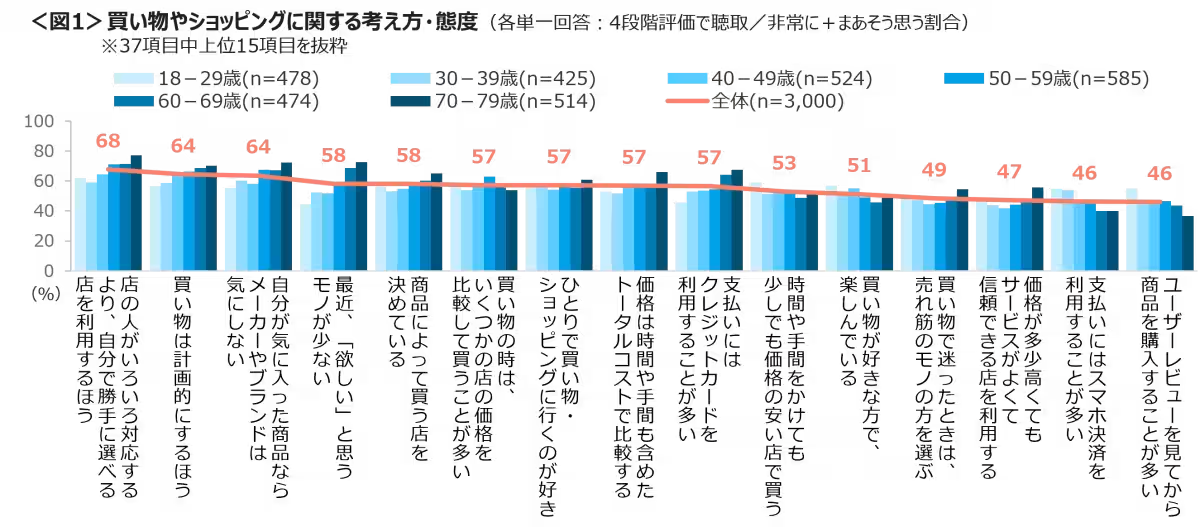
When examining consumer attitudes towards shopping, respondents indicated a preference for self-service shopping experiences over personal assistance from store staff. The analysis split attitudes into four categories, revealing that a significant portion of participants favored convenience and independence in their shopping. This trend appeared to escalate with age, indicating that older consumers preferred choosing items autonomously.
Notably, younger consumers demonstrated a shift towards technology, favoring mobile payment methods and relying heavily on user reviews before making purchases. These aspects reflect a dynamic shift in shopping behaviors driven by convenience and technology.
Shopping Preferences and Store Selection
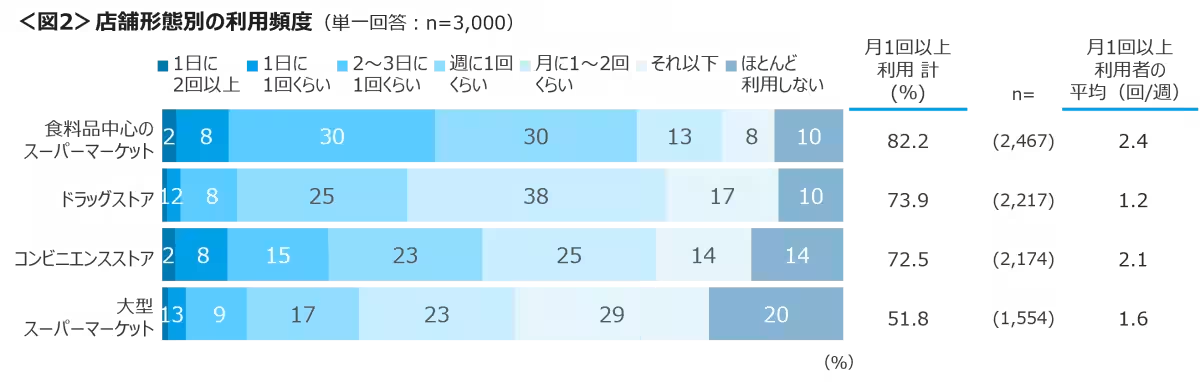
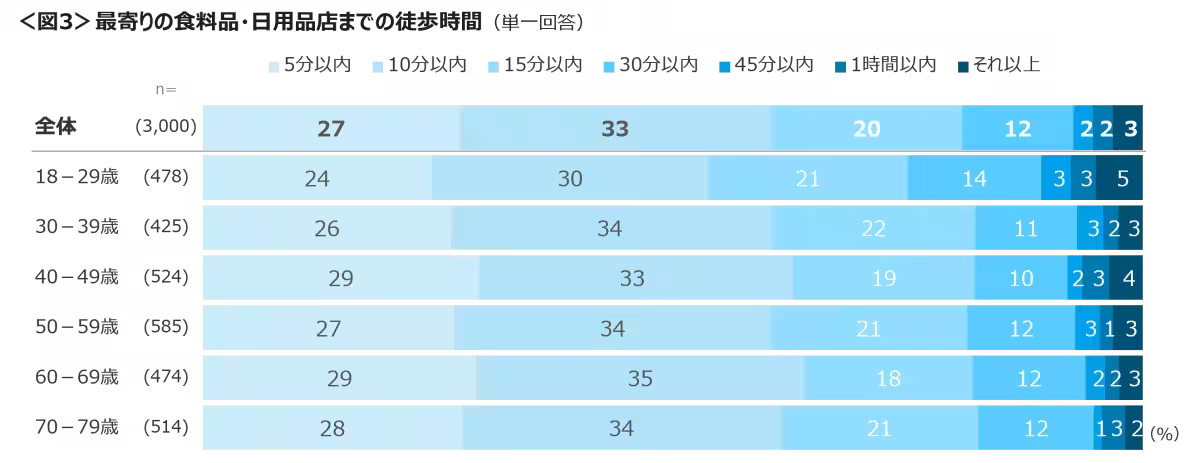
The survey also investigated the frequency of visits to various store types, revealing that supermarkets, convenience stores, and drugstores are the most frequented by consumers. In terms of distance to the nearest grocery or daily essentials store, a substantial majority reported being within a 10-minute walk, though younger demographics occasionally have to walk significantly further.
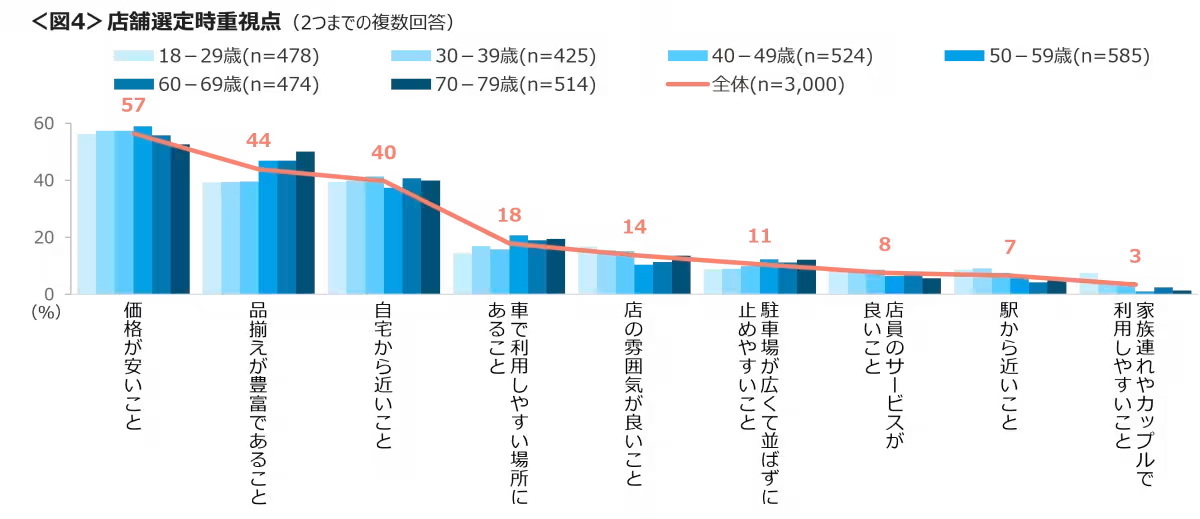
When deciding where to shop, consumers primarily prioritize price, variety, and proximity to home. The importance of a broad selection was particularly notable among those aged between 50 and 70.
Coping with Price Increases
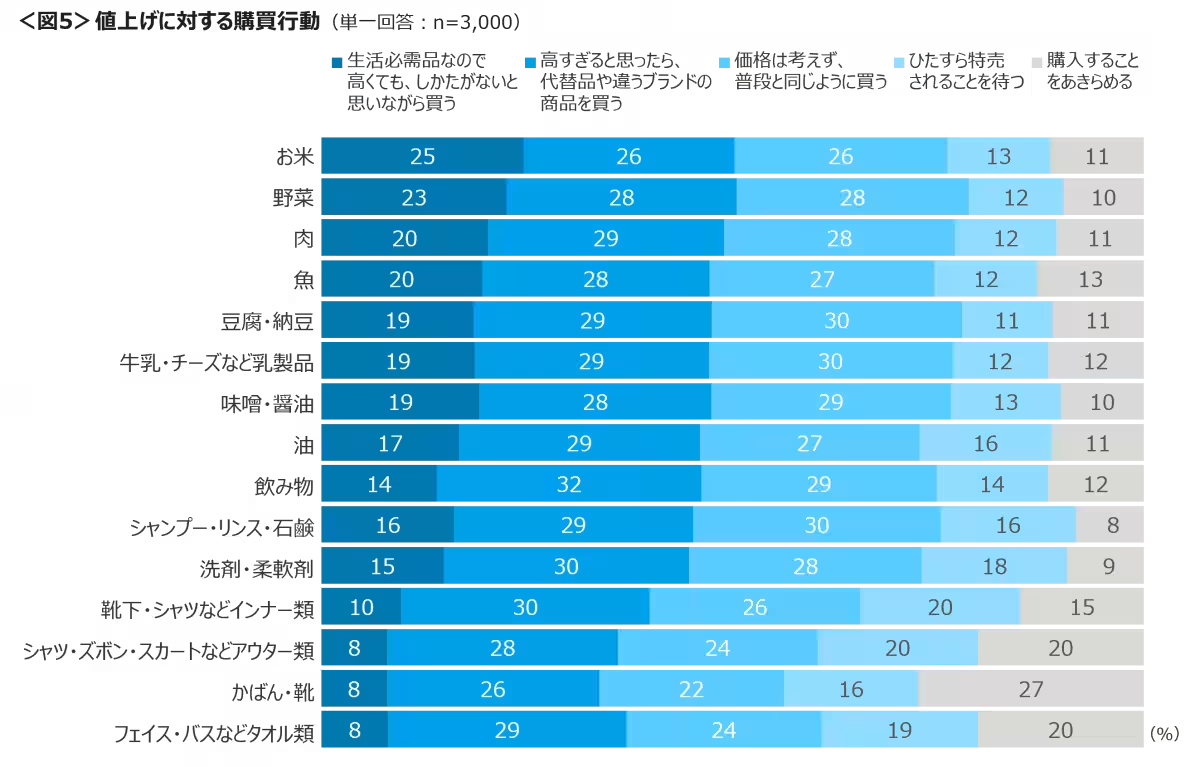
As prices continue to rise, consumer purchasing behaviors reflect a willingness to pay more for essential goods. Items such as rice, vegetables, meat, and fish are viewed as necessities, and many shoppers feel resigned to pay higher prices. Conversely, for non-essential items, consumers often seek alternatives if prices exceed their expectations. Items seen as essential tend to maintain steady purchasing habits despite rising costs, while flexibility in choosing substitutes is observed in categories like beverages and cleaning products.
Transportation and Accessibility Challenges
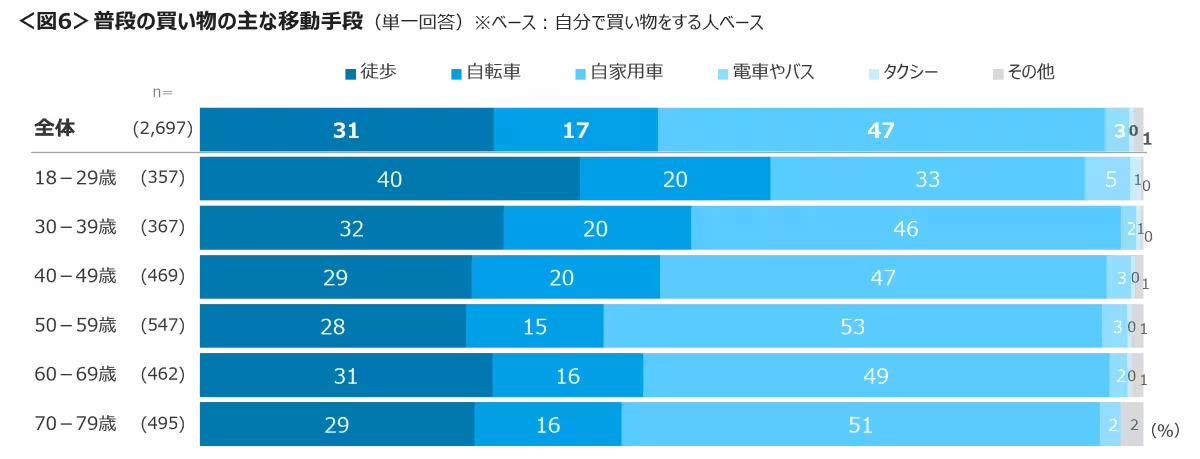
The survey highlighted that approximately 47% of consumers rely on their private vehicles for shopping trips, while walking accounts for 31%. Younger generations demonstrated a higher tendency to walk to stores, while older individuals leaned more towards using cars. However, as consumers age, they express concerns regarding their ability to drive and access stores, indicating a potential gap in mobility for elderly shoppers.
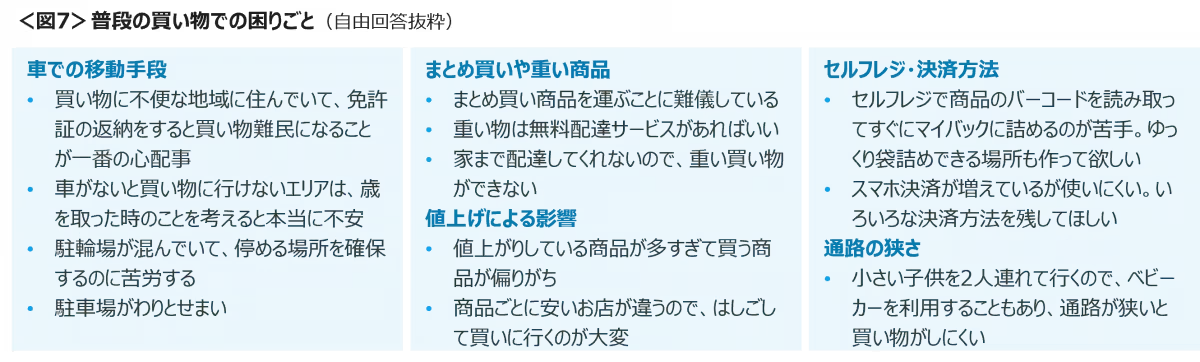
Challenges mentioned include the physical strain of carrying heavy items, the user-unfriendliness of self-checkout registers, and the congestion often experienced in parking areas. These factors collectively call for a re-evaluation of accessibility in retail environments to cater to the evolving needs of the population.
Conclusion: A New Era in Shopping
The findings from the Cross Marketing survey illuminate critical aspects of consumer behavior in Japan. As the market evolves with the ongoing rise in prices, it is essential for retailers to understand and adapt to changing consumer preferences. Enhanced accessibility, more diverse product options, and innovative payment methods can significantly improve shopping experiences in the future. The dynamic landscape of shopping will continue to shift as consumers prioritize both convenience and quality, addressing the balancing act between affordability and accessibility.
For further insights and detailed survey results, the full report can be accessed at Cross Marketing's official website.

Topics Consumer Products & Retail)
【About Using Articles】
You can freely use the title and article content by linking to the page where the article is posted.
※ Images cannot be used.
【About Links】
Links are free to use.