




Investment Trends Among Japanese Millennials Show Significant Growth in Interest
Investment Trends in Japan: Millennials Leading the Charge
Recent research from LINE Yahoo has revealed some intriguing insights about investment behaviors among Japanese adults, particularly focusing on millennial investors. The findings suggest that more than 40% of adults in the country have some experience with investments, with the percentage being significantly higher among individuals in their 30s.
Overview of the Research
LINE Yahoo operates one of Japan's largest active research panels, with over 7 million users. This study surveyed individuals aged 15 to 69, providing valuable data on investment experiences, intentions, and the age groups showing the most interest in investing.
Investment Experience Across Age Groups
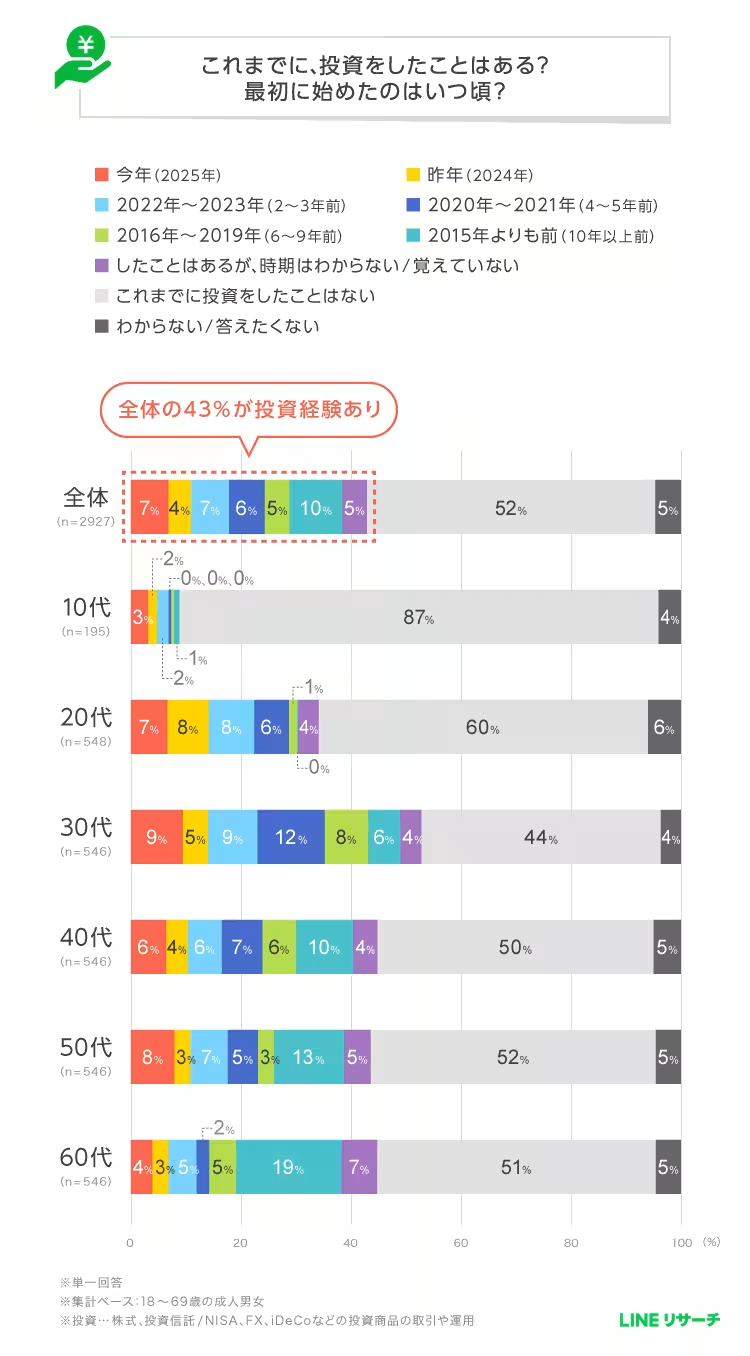
The research indicates that approximately 40% of adults have engaged in investments, with the highest involvement observed in those in their 30s, where the percentage rises to over 50%. Among 30-something males, this figure is even higher, approaching 65%. Men in this age group demonstrate a particularly pronounced interest in financial markets.
When looking at the timelines for when individuals began investing, the statistics reveal that around 7% started in the current year (2025), another 4% began last year (2024), and 7% reported starting between 2022 and 2023. Altogether, nearly 20% of respondents began investing within the last three years, marking a significant trend among younger investors. The data shows that individuals in their 20s are more likely to have started investing recently, while those in their 60s generally possess longer investment histories. Interestingly, the 30s demographic shows a notable preference for beginning their investments in the 2020-2021 period, further emphasizing their establishment in the investment scene.
Future Investment Intentions
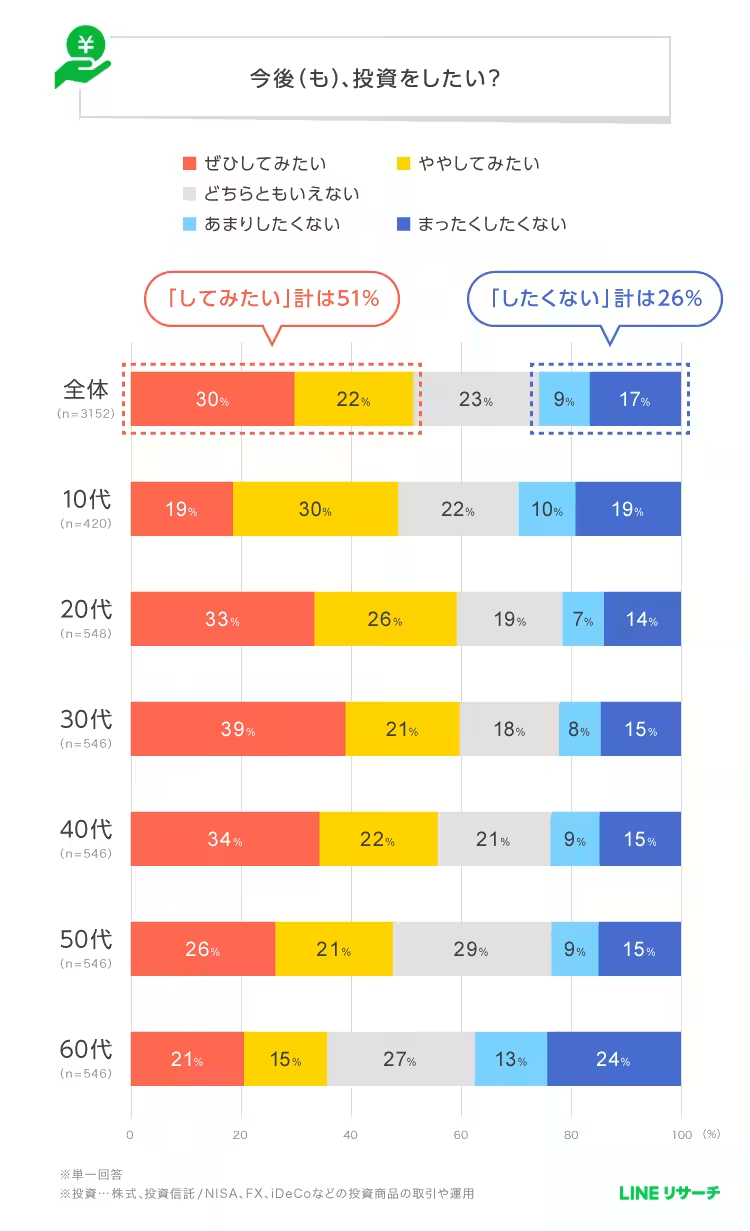
To assess future intentions, the survey asked respondents aged 15 and older about their desire to invest going forward. The results were largely positive, with about 30% expressing a strong desire to invest, while the combined percentage of those wanting to invest at some level rose to over 50%. Conversely, the percentage of individuals expressing no interest in investing remained in the mid-20s, indicating a distinct interest among the majority.
As age increases, so does investment intention, peaking among those in their 30s. In fact, this age group not only leads in current investment experience but also exhibits the highest desire to engage in future investments. An interesting detail emerges when analyzing gender differences; around 55% of men express interest in investing, compared to approximately 45% of women, suggesting a gender gap in investment aspirations.
Within the age brackets of 20 to 40, men specifically demonstrate a noteworthy eagerness to invest, with desire levels ranging from 40% to 50%. This highlights a robust culture of investment among younger generations, hinting at a possible shift in the financial landscape of Japan as millennials continue to gain more financial independence.
Conclusion
As Japan moves further into a digital future, platforms like LINE Research play a crucial role in understanding the evolving investment landscape. This study not only sheds light on the current investment climate among different age groups but also highlights the pivotal role that millennials and younger generations are likely to play in shaping the future of investments in the country. As we move forward, it will be fascinating to watch how these trends develop and influence financial markets at large.

Topics Financial Services & Investing)
【About Using Articles】
You can freely use the title and article content by linking to the page where the article is posted.
※ Images cannot be used.
【About Links】
Links are free to use.