




Over 60% of Participants Want to Use Generative AI in Online Exams Despite Prohibitions
Exploring the Use of Generative AI in Online Exams
A recent study conducted by ShareWis Co., Ltd., based in Osaka, has unveiled intriguing insights into the utilization of generative AI in online examinations. As online testing has become a norm for various assessments, including promotions and certifications, the convenience it offers is undeniable. However, the emergence of tools like ChatGPT has introduced a new set of challenges, particularly regarding academic integrity and psychological effects on examinees.
Understanding the Study
The survey, titled “The Realities and Challenges of Generative AI Use in Online Exams,” was aimed at individuals who have taken online certification tests or corporate exams within the last three years and have employed generative AI tools. Conducted from May 28 to May 31, 2026, the study received responses from 1,021 participants.
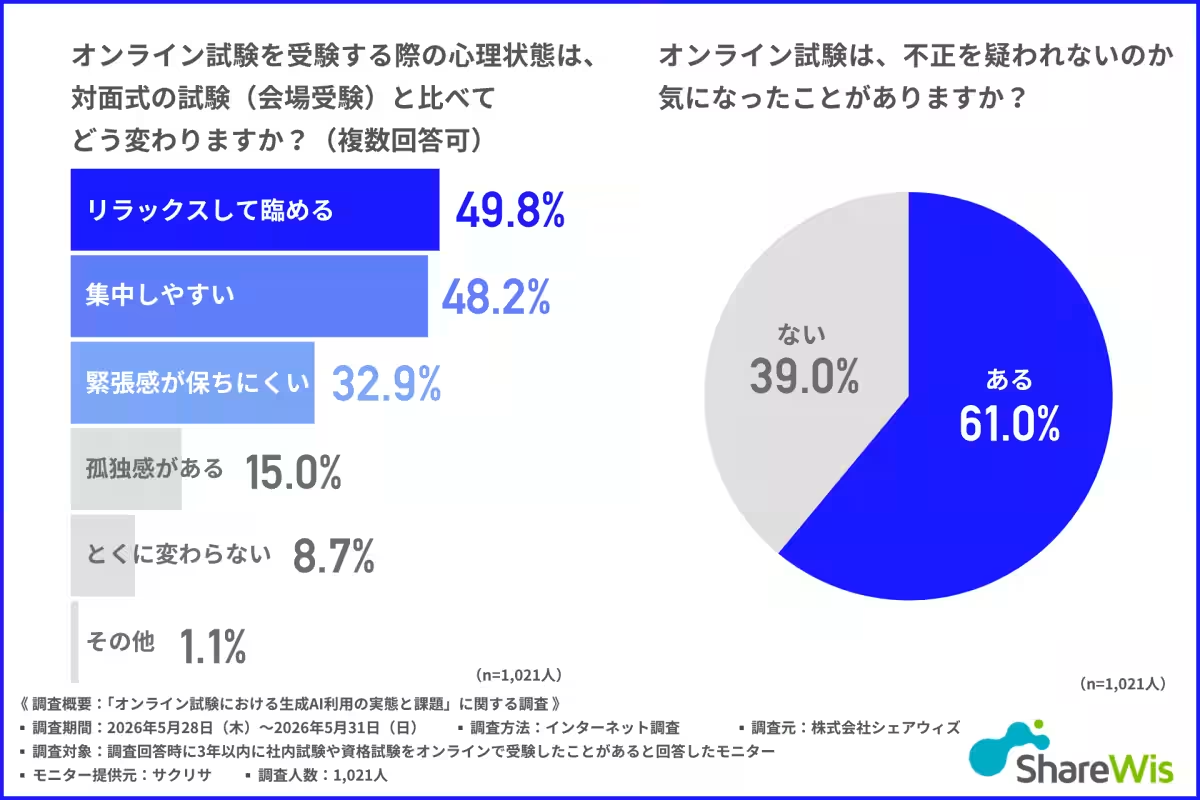
Participants were inquired about their psychological state while undergoing online exams as opposed to traditional in-person assessments. The results indicated a significant number felt 'more relaxed' (49.8%) and 'easier to concentrate' (48.2%), attributing it to the absence of physical exam environments. Conversely, feelings of reduced tension (32.9%) highlight a stark contrast that may impact performance differently.
Psychological Impacts of Online Testing
When asked whether they ever felt anxious about being suspected of cheating during online tests, a resounding 61.0% of respondents admitted to having such concerns. This suggests a unique psychological burden, as the anonymity of online platforms makes it difficult for candidates to gauge how their actions are perceived.
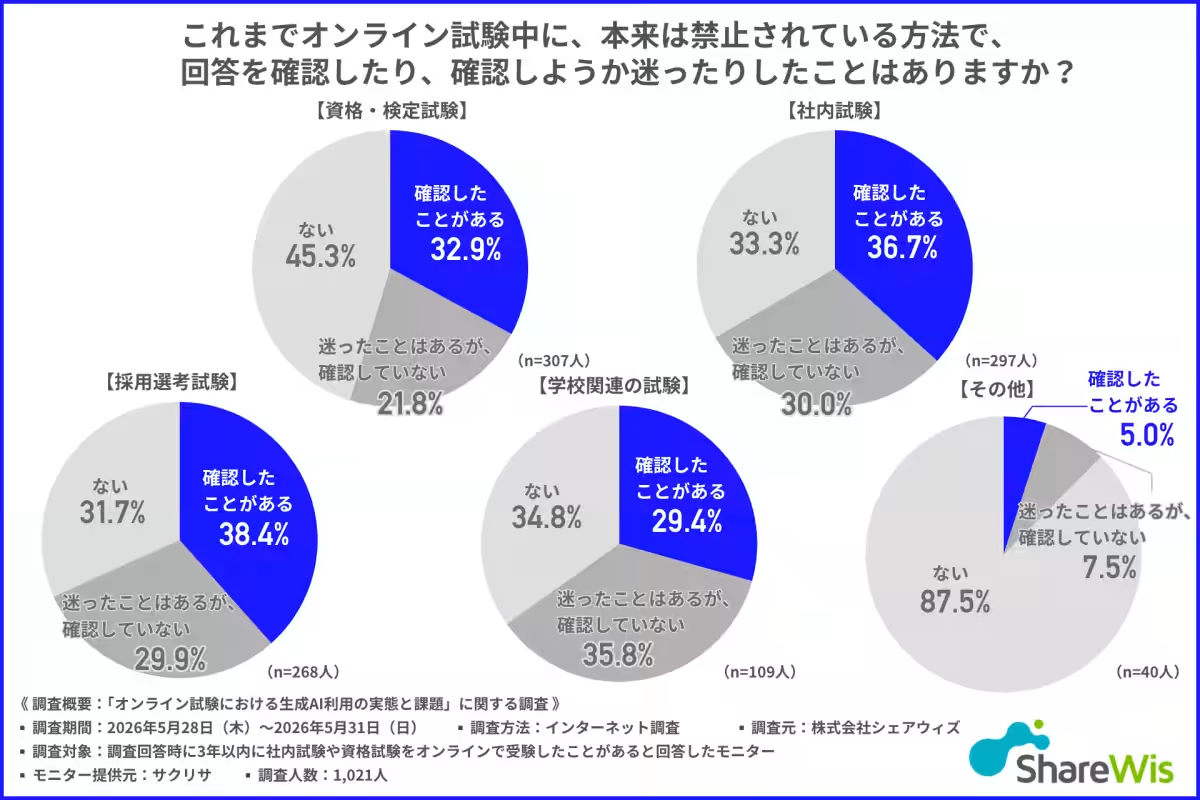
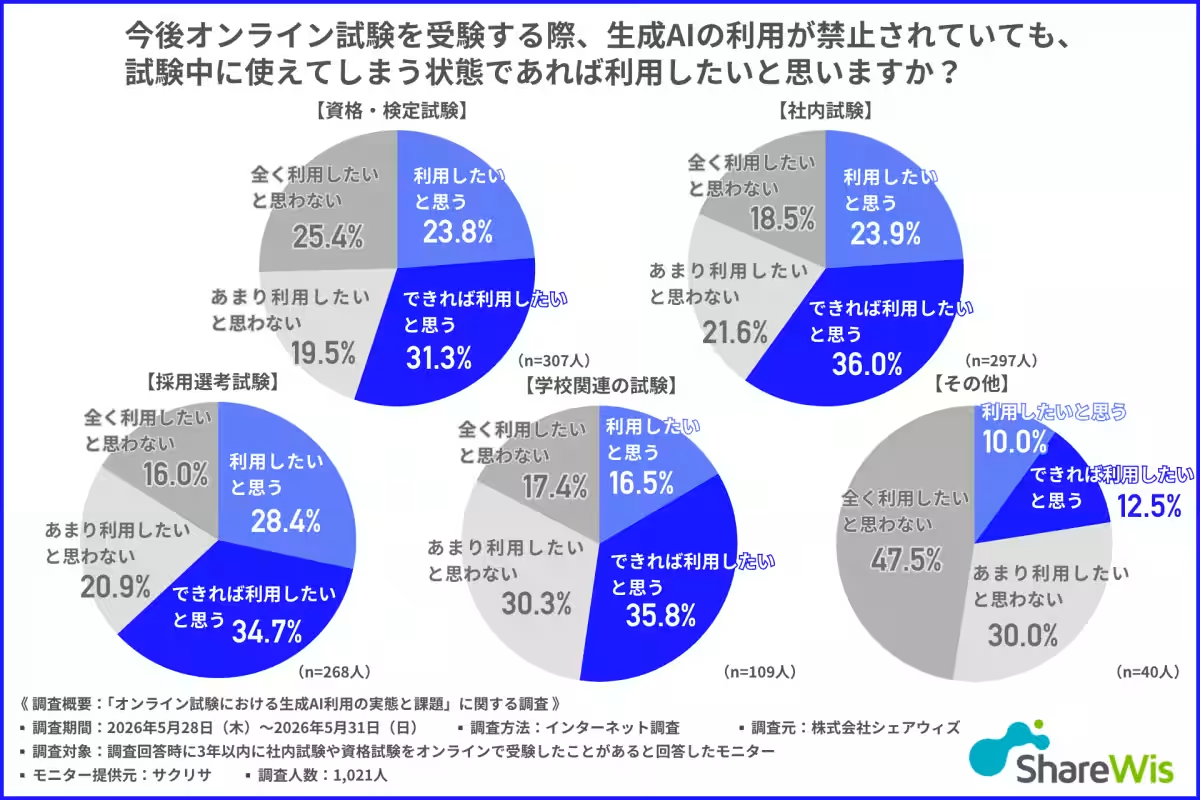
Curiously, the study also examined whether examinees have considered using AI, search engines, or reference materials prohibited during exams. Results pointed to a compelling inclination: over half (57.0%) expressed a desire to use generative AI tools despite explicit bans. This trend was particularly pronounced in recruitment and corporate testing scenarios.
The interest in applying AI tools during exams raises pertinent questions about the boundaries of ethical testing practices. The differentiation in responses across various exam types, I.e., corporate tests, recruitment assessments, and certifications, highlights a need for a more tailored approach in managing the potential misuse of technology.
The Allure of Unrestricted Access
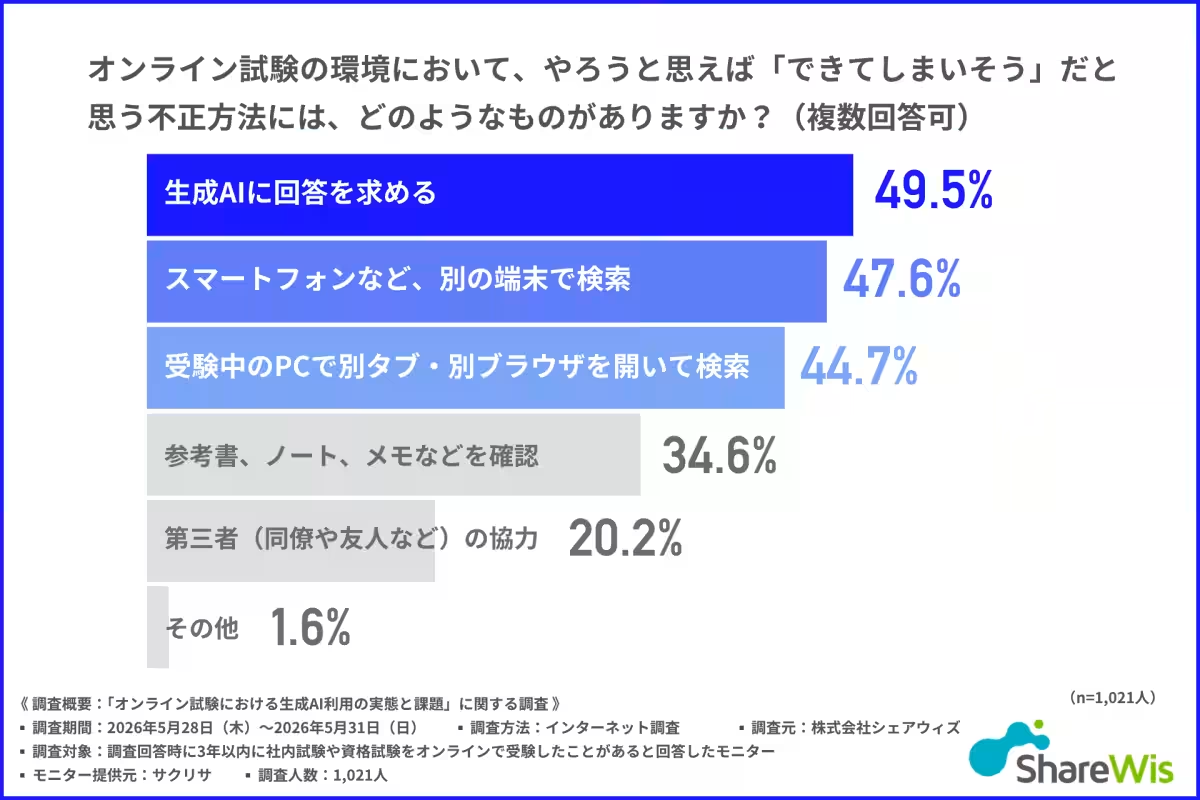
Since most participants indicated awareness of possible cheating methods in an unrestricted online examination environment, it’s vital to address their assumptions. A staggering 49.5% believed that querying generative AI would be a feasible route for gaining answers. Other tactics included using smartphones for searches (47.6%) or opening separate tabs or browsers on their test device (44.7%). These findings shed light on the ease of accessing unauthorized resources amidst the testing milieu.
Moreover, responses concerning the inclination to utilize generative AI tools under unrestricted conditions exhibited notable trends across various assessment types, revealing a substantial shift in perception due to the convenience of technology. Examinees seem to associate such tools with an easier path to successful outcomes, particularly in assessments that relate directly to their career trajectory.
The Limits of Trust and Necessity of Regulations
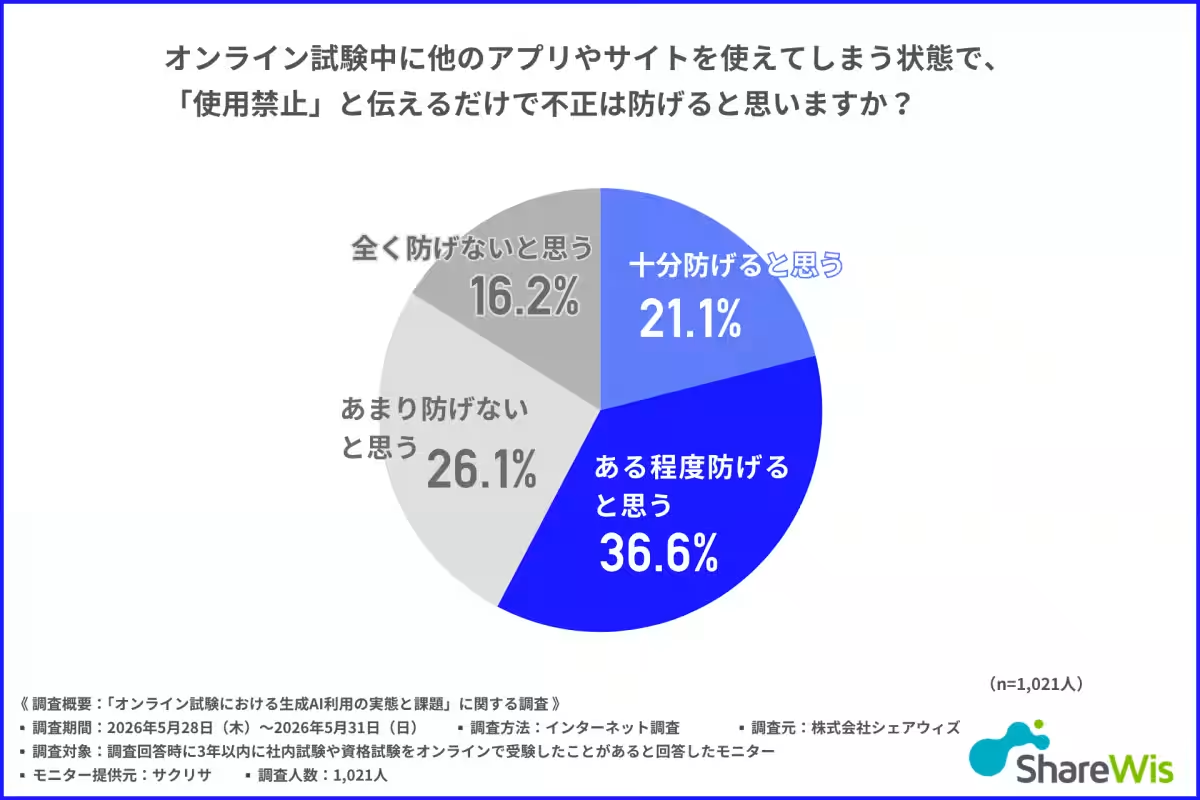
The study further examined how much reliance on self-regulated environments can genuinely deter dishonest behavior. When asked if mere reminders against using other applications could effectively prevent cheating, about 57.7% believed they could suppress the temptation to some extent. This raises critical concerns about the adequacy of current measures to protect the integrity of online assessments.
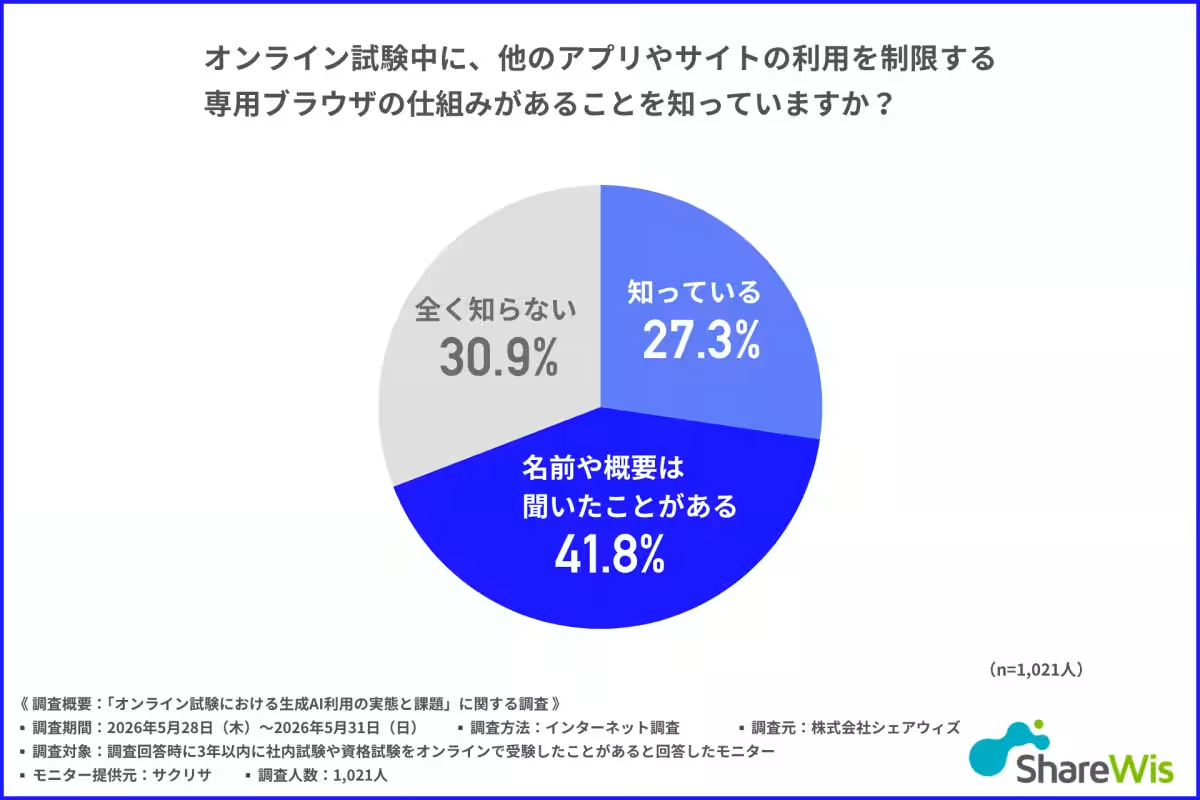
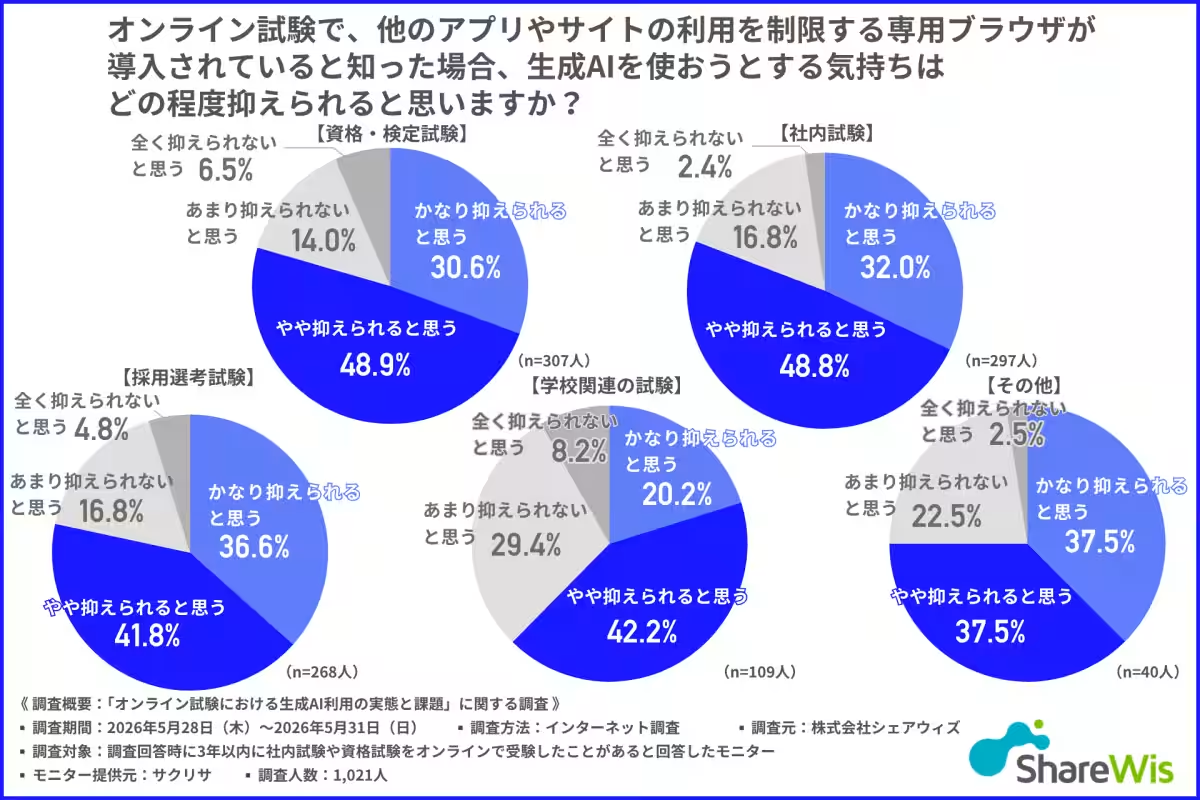
Simultaneously, over 70% of participants recognized the existence of specialized browsers, like lockdown browsers, designed to restrict access to unauthorized applications during online tests. When prompted about how this knowledge affects their inclination to cheat, a considerable number affirmed that knowing such systems exist substantially curtails their willingness to misuse technology.
Systematic Measures and their Perception
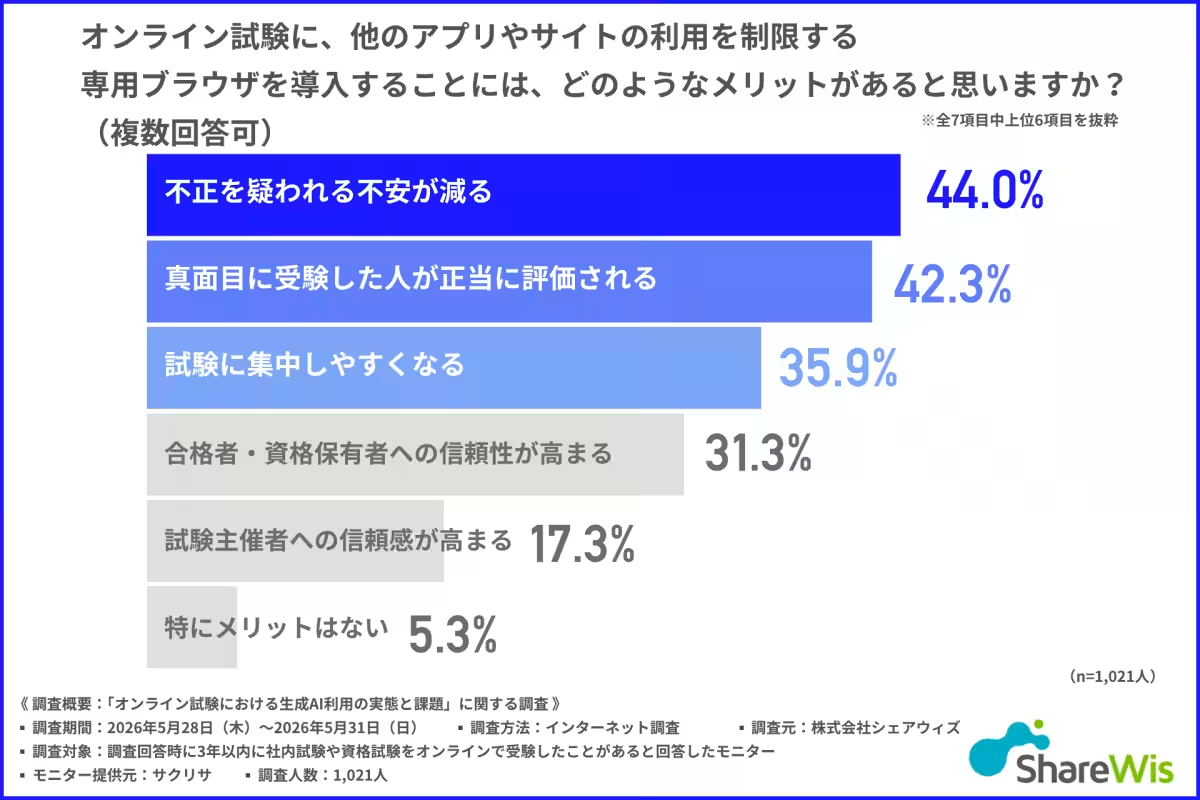
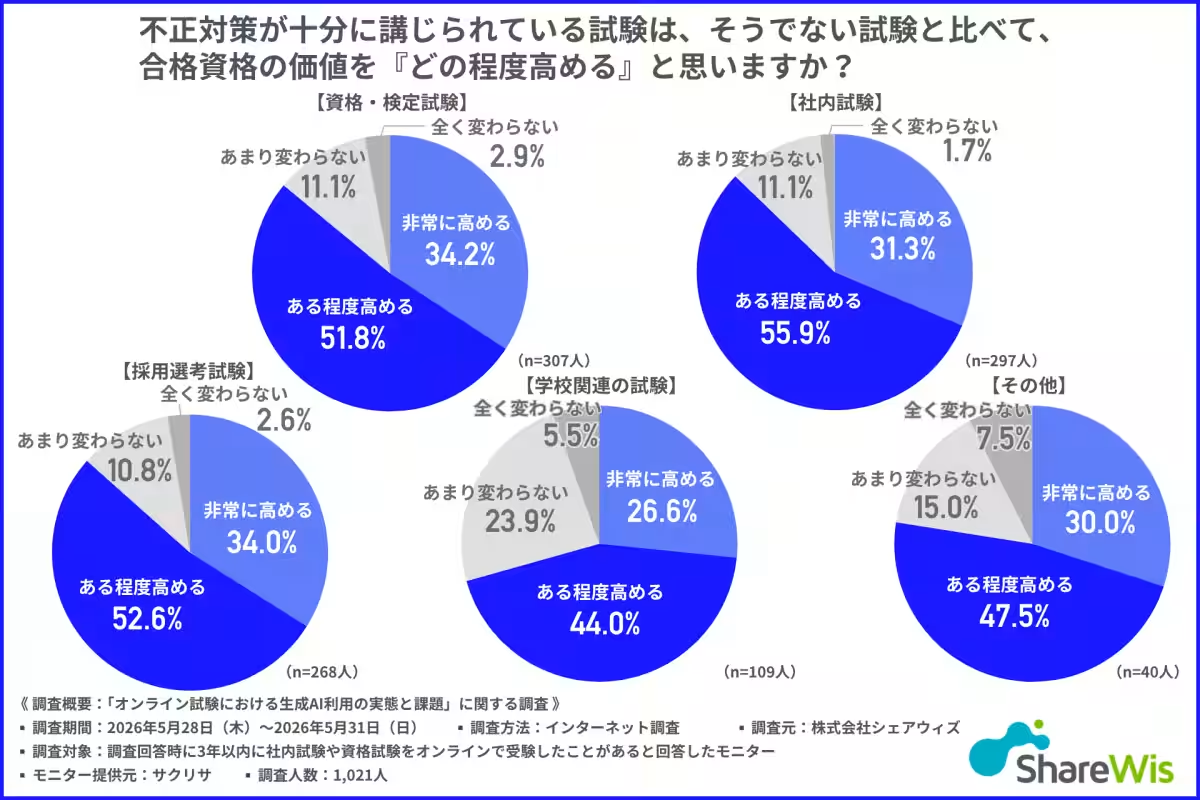
An astonishing number of respondents (over 85%) acknowledged that rigorous cheat prevention systems enhance the perceived value of certifications. This suggests the necessity for further discussions on how systemic changes can safeguard testing integrity while fostering a sense of security among examinees. Such implementations could counteract the distrust stemming from inadequacies within the current testing frameworks, establishing a more credible and equitable assessment environment.
Conclusion
In conclusion, this research presents critical findings that underscore the significance of addressing the ever-growing intersection between technology and examination ethics. As online exams gain popularity, understanding the psychological burdens they impose, alongside the ease of access to prohibited tools, becomes essential.
The introduction of dedicated examination browsers may not only deter negative behaviors but can also cultivate an environment where candidates feel secure in their pursuit of honest assessments. Ensuring that individuals take tests in a trustworthy atmosphere may prove beneficial for ensuring fair results and maintaining the overall value of certifications. As technology evolves, the need for adaptive measures becomes indispensable for the future of examination processes.
For a more detailed analysis of the survey, please refer to the official report here.

Topics Other)
【About Using Articles】
You can freely use the title and article content by linking to the page where the article is posted.
※ Images cannot be used.
【About Links】
Links are free to use.