




Addressing Key Issues in High-Rise Hotel Rooms with Non-Opening Windows
Identifying Issues of Non-Opening Windows in High-Rise Hotels
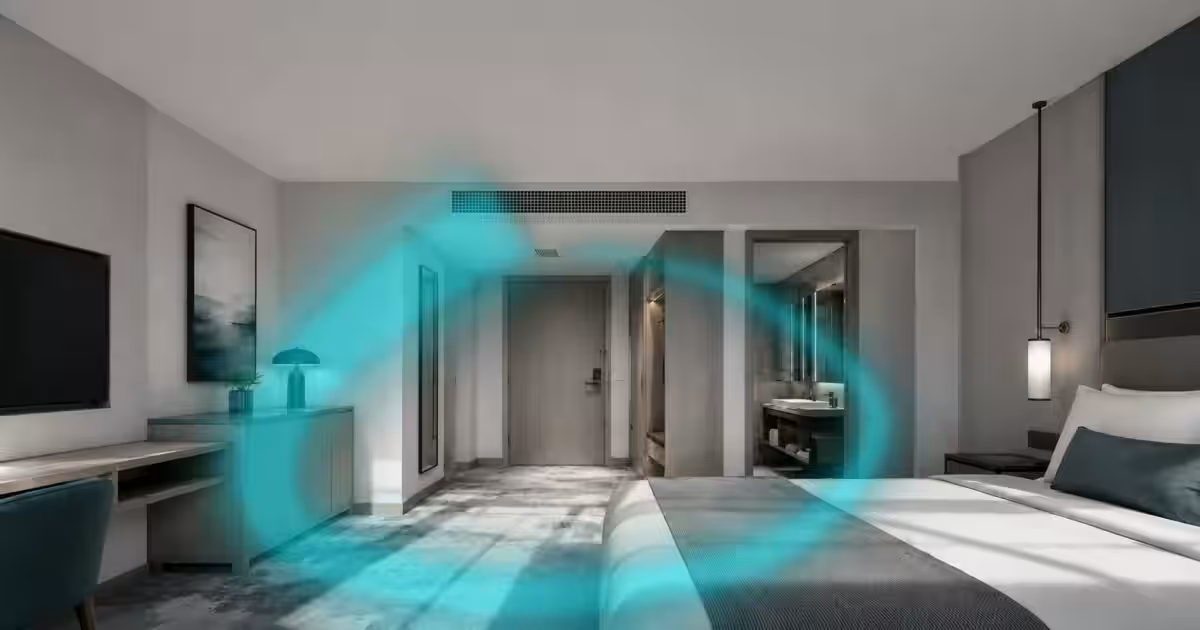
High-rise hotels have increasingly become symbols of luxury and modernity. However, a hidden concern lies within their non-opening guest rooms, which rely entirely on mechanical ventilation systems. In a recent initiative, HONU Co., Ltd., located in Minato-ku, Tokyo, has published a resource highlighting the potential risks these types of accommodations pose to air quality, particularly focusing on the formation of mold and unpleasant odors.
The Limitations of Non-Opening Windows
One of the primary challenges that non-opening window hotel rooms face is the difficulty in assessing air quality changes. In traditional rooms with openable windows, fresh air can be introduced simply by opening the window. However, guests in non-opening rooms cannot perform this action, making it essential to regularly monitor air quality through scheduled maintenance checks.
As hotel rooms age—particularly after a decade—subtle imbalances can arise between the inflow and outflow of air due to the changes in the ventilation system. Since these issues do not manifest as mechanical failures, ongoing checks are vital to ensuring a healthy living environment for guests.
The Mechanics of Air Intake
HONU’s findings indicate a significant number of external ventilation units draw in outside air directly through filters without adjusting for temperature or humidity. This means that in bustling urban areas, external odors can inadvertently seep into guest rooms—resulting in an unpleasant experience for visitors. Often, the external air intakes are concealed from guest view, leading to a lack of awareness among staff about their maintenance needs.
Six Key Checkpoints to Ensure Air Quality
To assist hotels and management in maintaining good air quality in their non-opening window rooms, HONU suggests the following six checkpoints:
1. Regular Airflow Checks: Conduct airflow assessments every six months, especially for rooms over ten years old, to identify any discrepancies in air pressure and quality.
2. Inspect External Ventilation Filters: Ensure the filters that bring in outside air are regularly cleaned and maintained to prevent unwanted odors.
3. Shorten Filter Checking Cycles: Revise routines to verify the status of filters more frequently, ideally every ten days, as air conditioning systems accumulate dust much faster in guestrooms without open windows.
4. Monitor Air Quality: Staff should be trained to recognize signs of poor air quality; reports of

Topics Other)
【About Using Articles】
You can freely use the title and article content by linking to the page where the article is posted.
※ Images cannot be used.
【About Links】
Links are free to use.