



Understanding the Strategies Among Successful Candidates for Top University Entrance Exams
Introduction
In a recent survey conducted by Kyoiku Corporation, 1,008 individuals who succeeded in entering top universities shared their experiences and strategies. The research primarily focused on identifying the learning environments and management tactics that played a vital role in their academic journeys.
The Importance of Choosing the Right Environment
For students aiming to gain admission to competitive universities, selecting an effective learning environment is crucial. Factors such as how to manage study plans differ significantly based on personal aspirations and academic levels. This highlights the diverse learning styles and expectations of students and their guardians.
Key Findings from the Survey
Among the respondents, a significant number, including students aged between 10-30 who have gained admissions to prestigious institutions like the University of Tokyo and Kyoto University, participated. The majority of these individuals preferred a combination of public and private universities, emphasizing the popularity of public universities.
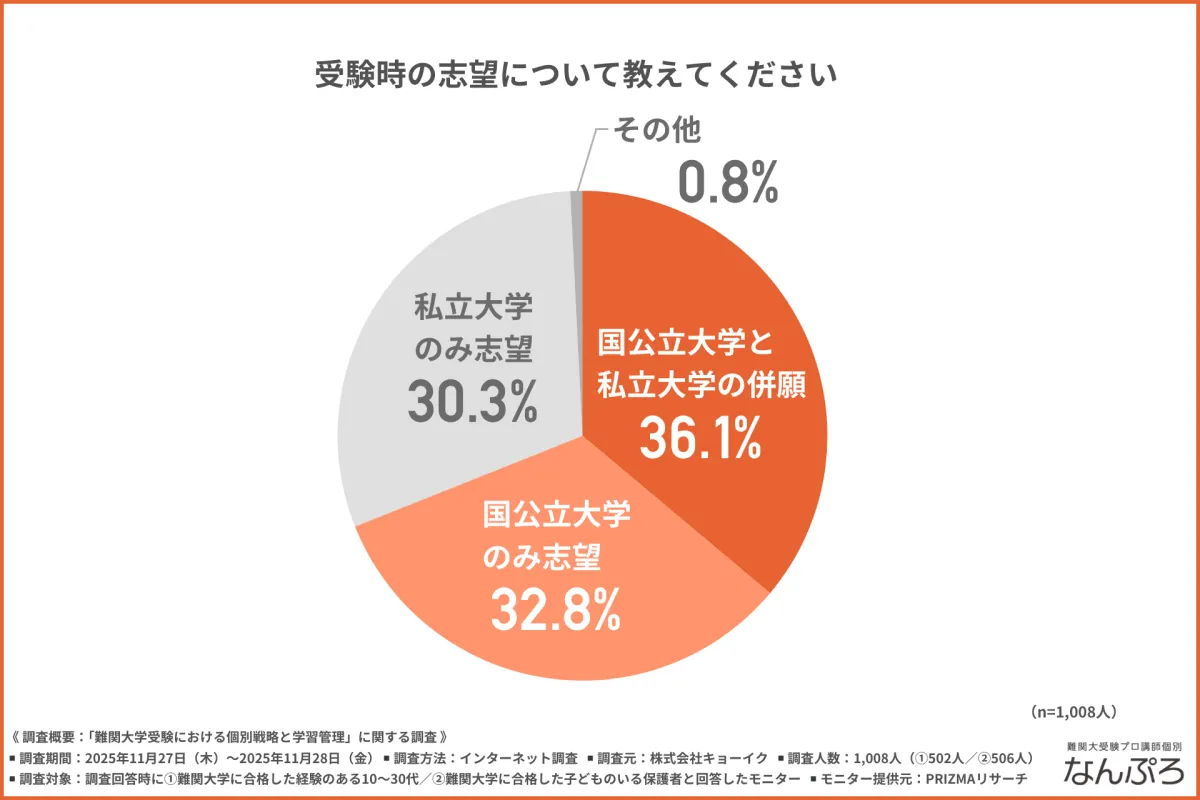
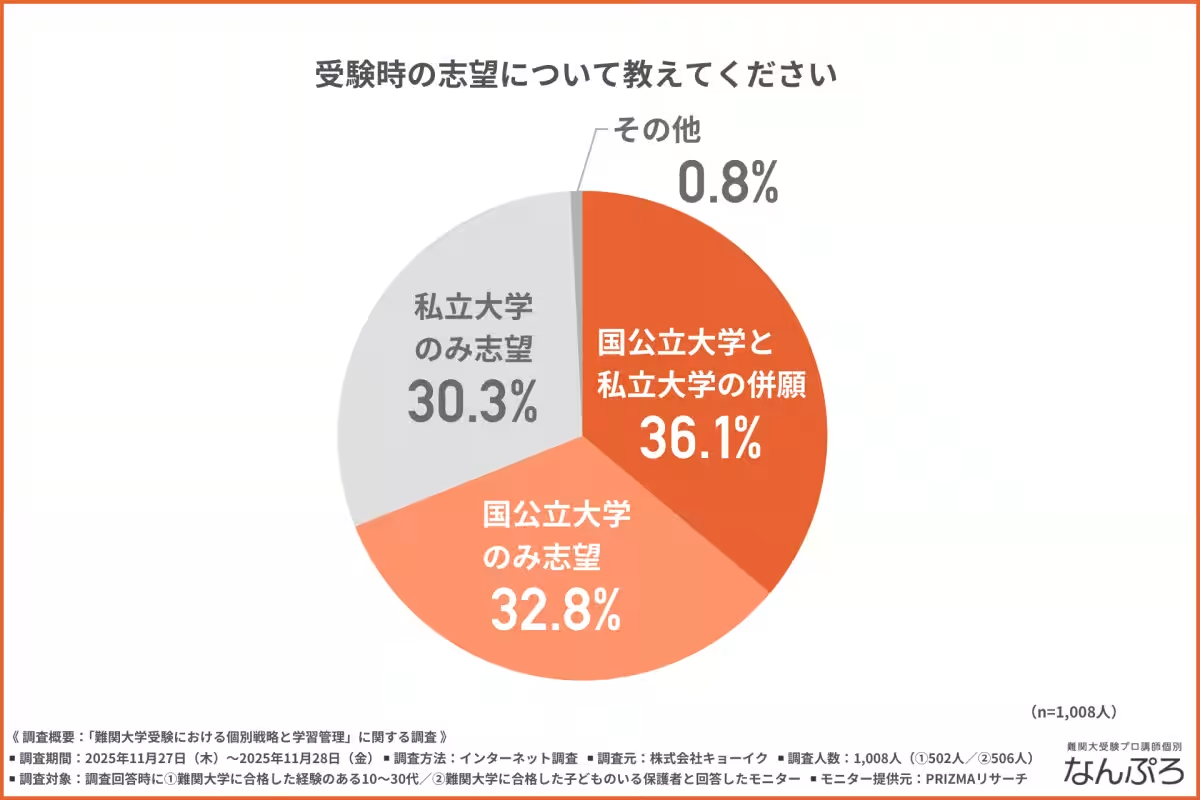
- - University Aspirations: 36.1% targeted both public and private universities while 32.8% focused solely on public universities.
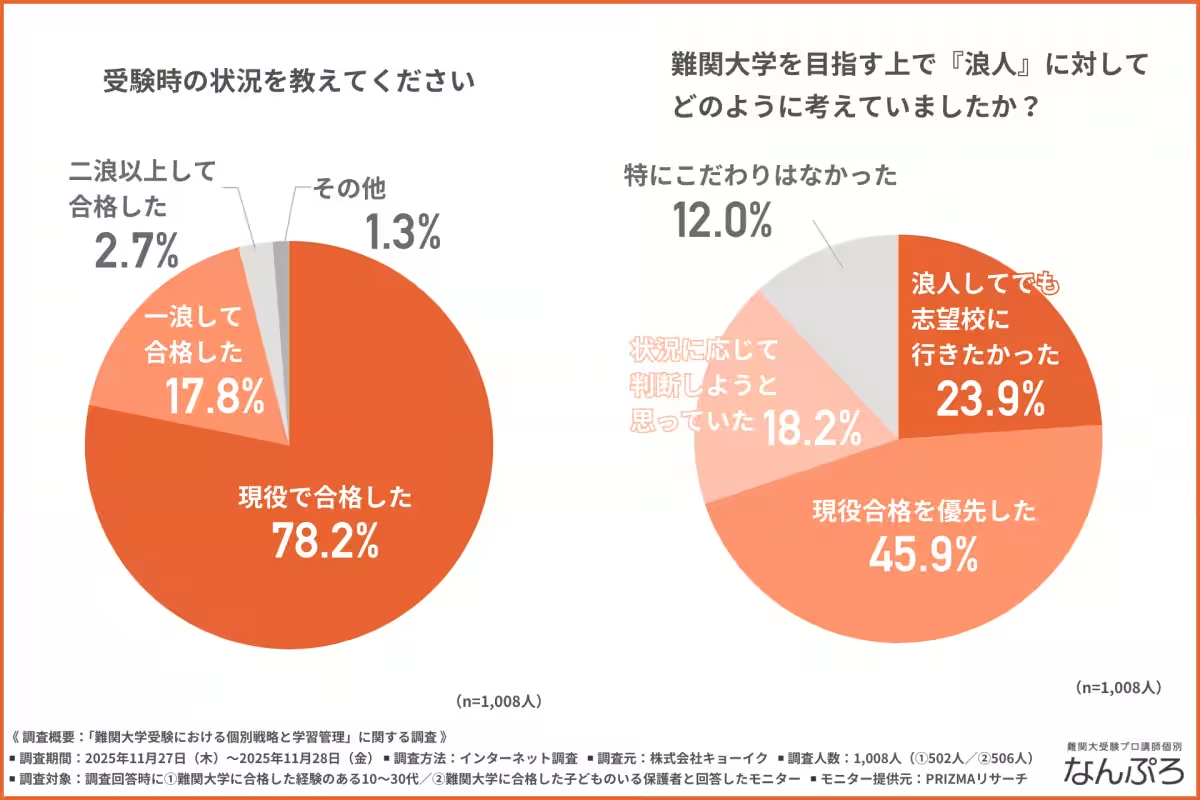
- - Success Rate: A majority, at 78.2%, achieved admissions in their first attempt, while around 17.8% took an additional year to succeed, underscoring the pressure to attain success early.
Despite the emphasis on obtaining admission in one’s first attempt, about 20% of candidates considered the option of repeating their studies, showcasing different attitudes towards the exam process.
Challenges Faced During Preparation
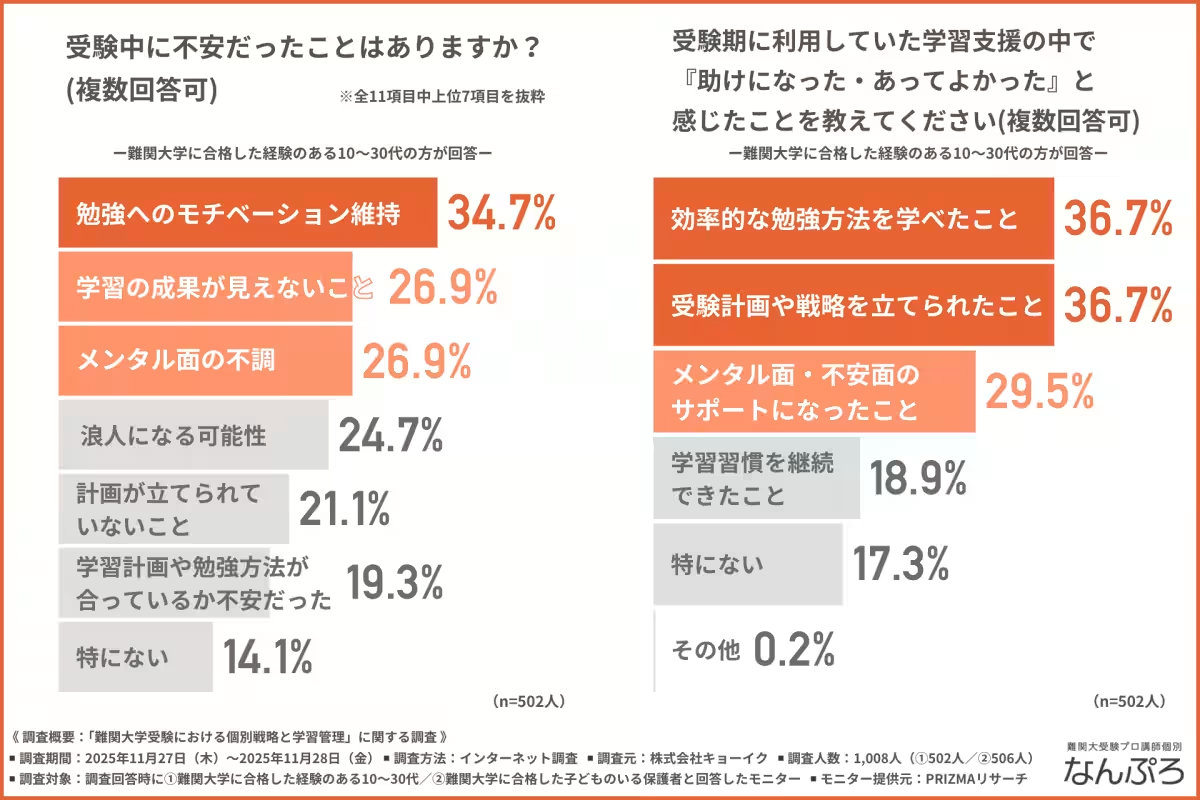
The survey also delved into the anxieties candidates experienced while preparing for their exams. Notably, motivational stability and concerns over visible academic progress were common among respondents.
Key Sources of Anxiety:
- - Maintaining motivation: 34.7%
- - Lack of visible progress: 26.9%
- - Mental health issues: 26.9%
This indicates that during prolonged periods of study, psychological stability may often be more challenging than the academic content itself.
Effective Learning Strategies
When queried about what support systems were most beneficial during their preparations, respondents highlighted:
- - Learning efficient study techniques: 36.7%
- - Ability to outline study plans: 36.7%
- - Mental support: 29.5%
The emphasis on strategic planning and mental resilience further asserts that student support must evolve beyond traditional knowledge transmission.
Future Directions for Educational Support
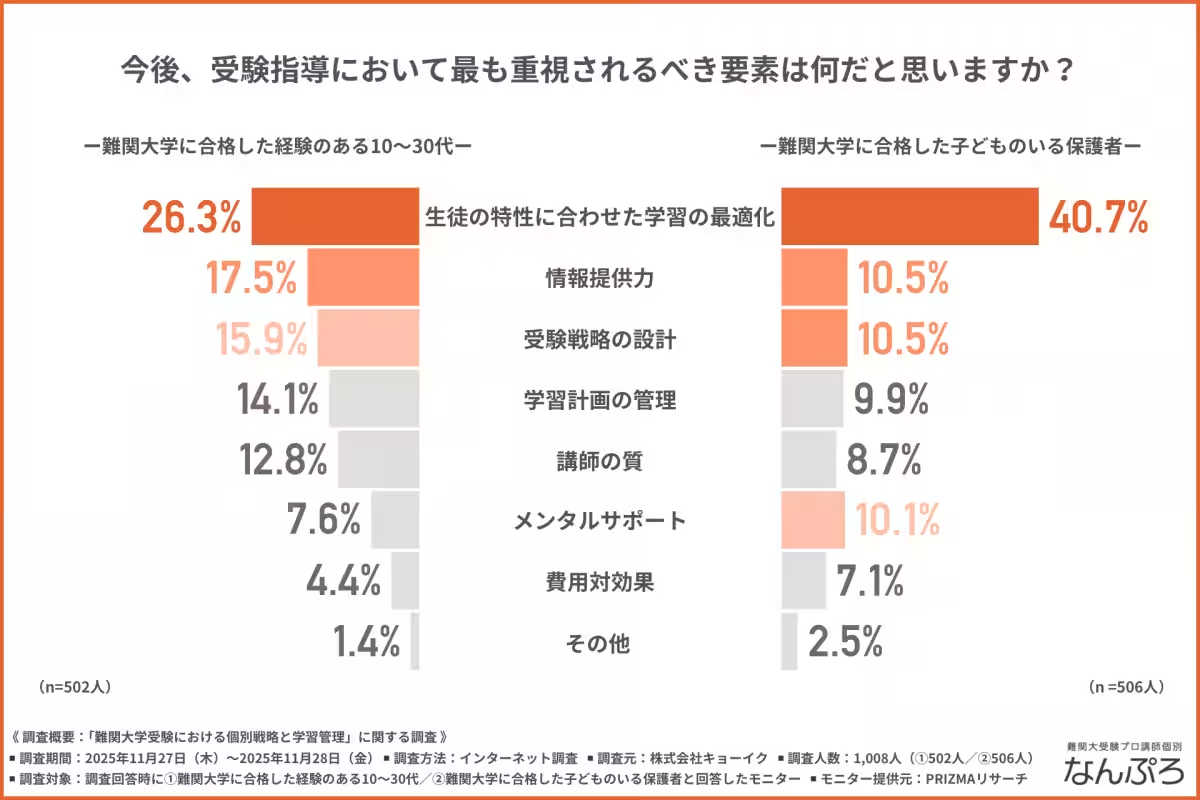
As we explore the future of educational guidance, candidates from the survey believed that the focal points should include:
- - Tailoring learning strategies to individual traits: 26.3% (students), 40.7% (parents)
- - Providing information on universities and admissions (17.5% for students, 10.5% for parents)
This shift indicates a significant move from standardized approaches to more personalized learning paths. The need for adaptability in teaching methodologies is becoming more critical.
Conclusion
In summary, Kyoiku Corporation's survey highlights the critical role of personalized strategic planning and academic management in succeeding at competitive university entrance exams. As the educational landscape evolves, strategies must adapt to foster not only knowledge acquisition but also individual student needs and mental fortitude.
The emergence of full-support preparatory schools like 'Nampro' further showcases the importance of individualized study plans and mental health support in preparing students for such high-stakes exams. Successful educational journeys depend as much on the emotional and psychological support systems in place as they do on academic excellence.
For more information on personalized preparatory strategies for top university admissions, explore the comprehensive support offered by 'Nampro' under the guidance of the Kyoiku Corporation.


Topics Other)
【About Using Articles】
You can freely use the title and article content by linking to the page where the article is posted.
※ Images cannot be used.
【About Links】
Links are free to use.