



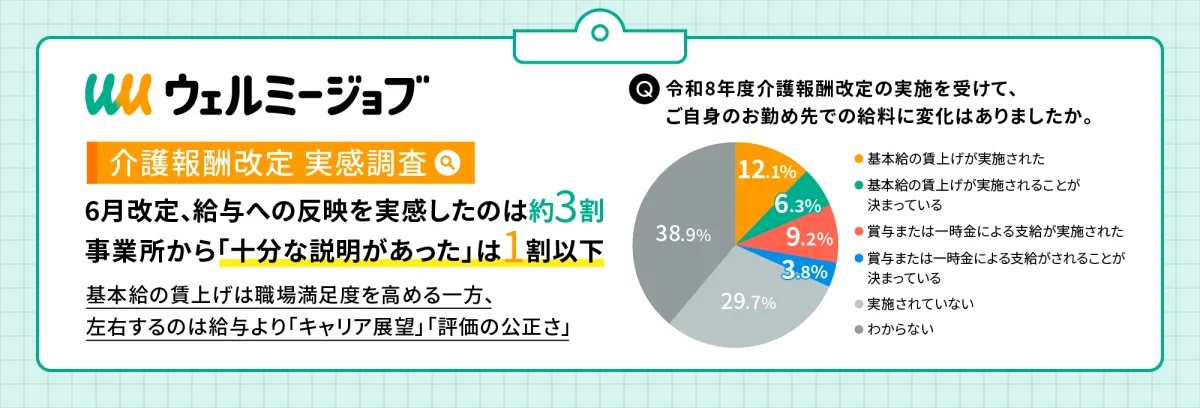
Survey Reveals Impact of Changes in Caregiver Compensation in Japan
Caregiver Compensation Changes in Japan: Insights from Recent Survey
In June 2026, the Japanese company SMS Co., Ltd. conducted a survey to gauge the impact of the caregiver compensation reform set to take effect on June 1, 2026. This reform was part of a broader economic strategy confirmed by the government in November 2025, aiming to improve the wages of caregivers in the face of a growing need for such professionals due to the country's aging population. With these changes, care service providers are bound to not only increase wages but also effectively communicate this to their employees.
Survey Objectives
The primary goal of this survey was to assess caregivers' perceptions of these compensation modifications, focusing on workplace satisfaction and retention rates. The survey involved caregivers across Japan registered with the WellmeJob platform, a direct recruiting service for healthcare professionals.
Key Findings
The survey results reveal some concerning trends:
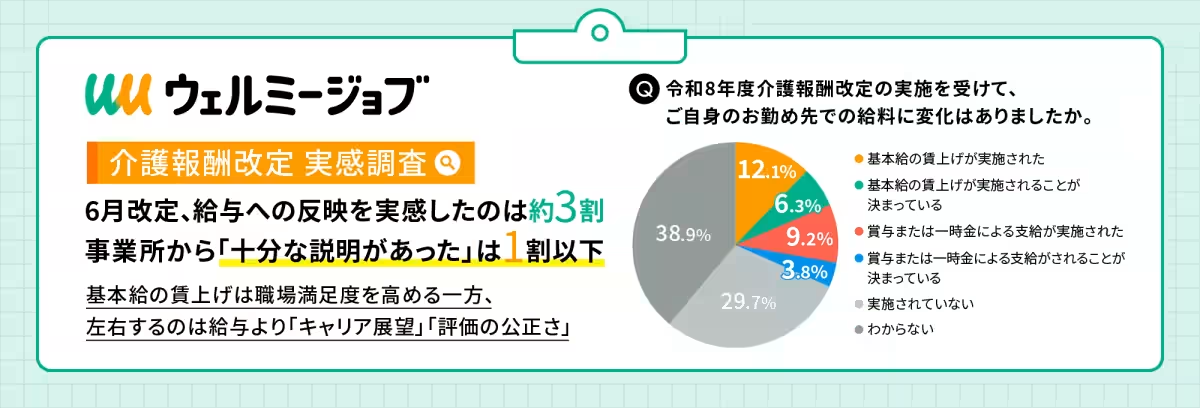
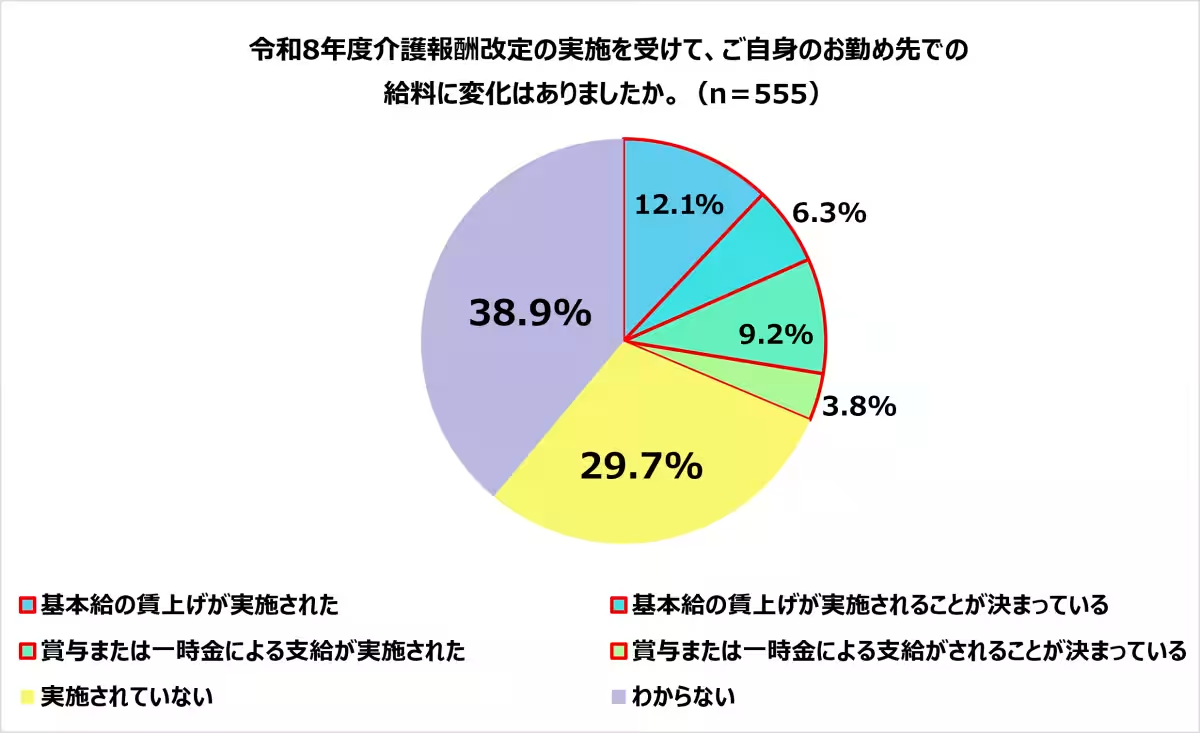
1. Limited Awareness of Wage Increases: Only about 30% of respondents reported that the wage increase had positively impacted their salaries or was expected to do so. A significant portion, nearly 70%, indicated either that they are unaware of such increases or have perceived no changes at all.
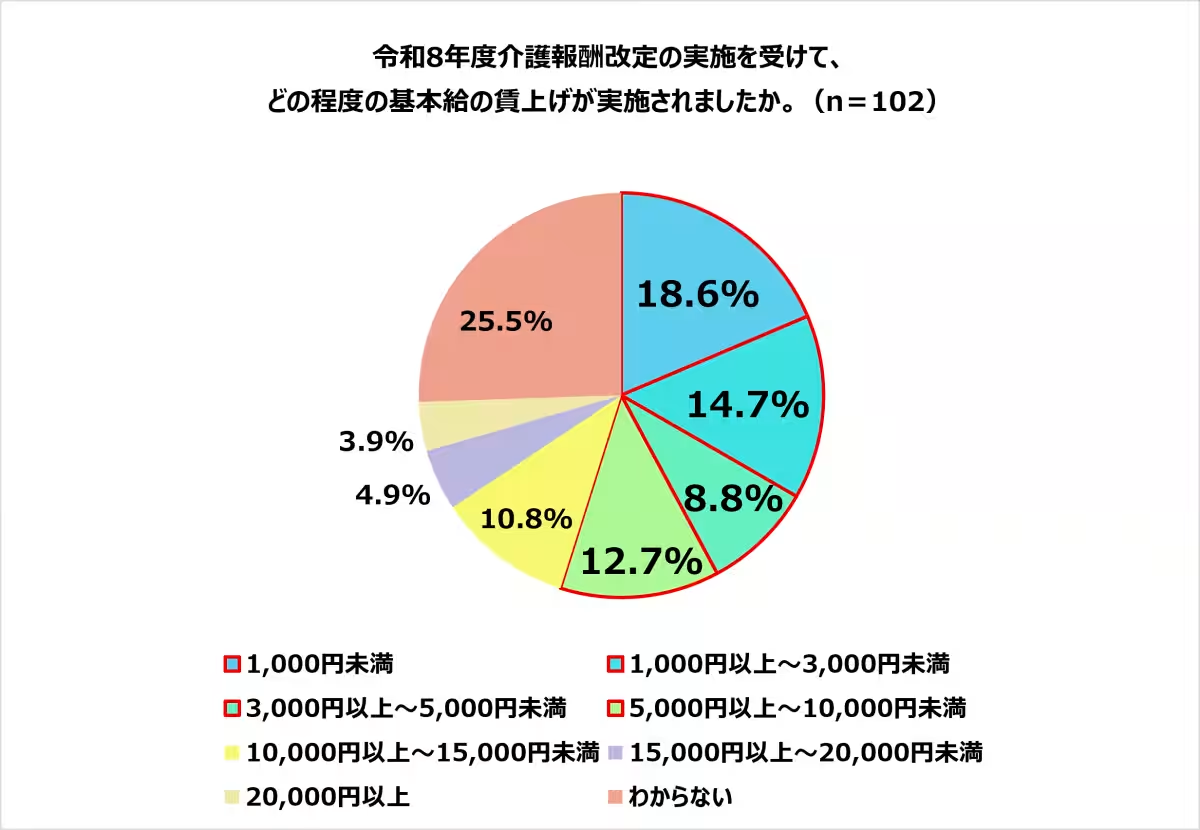
2. Wage Increase Amounts: For those aware of wage adjustments, more than half reported increases of less than 10,000 yen, indicating that minor adjustments might not translate to broadly felt improvements in financial welfare.
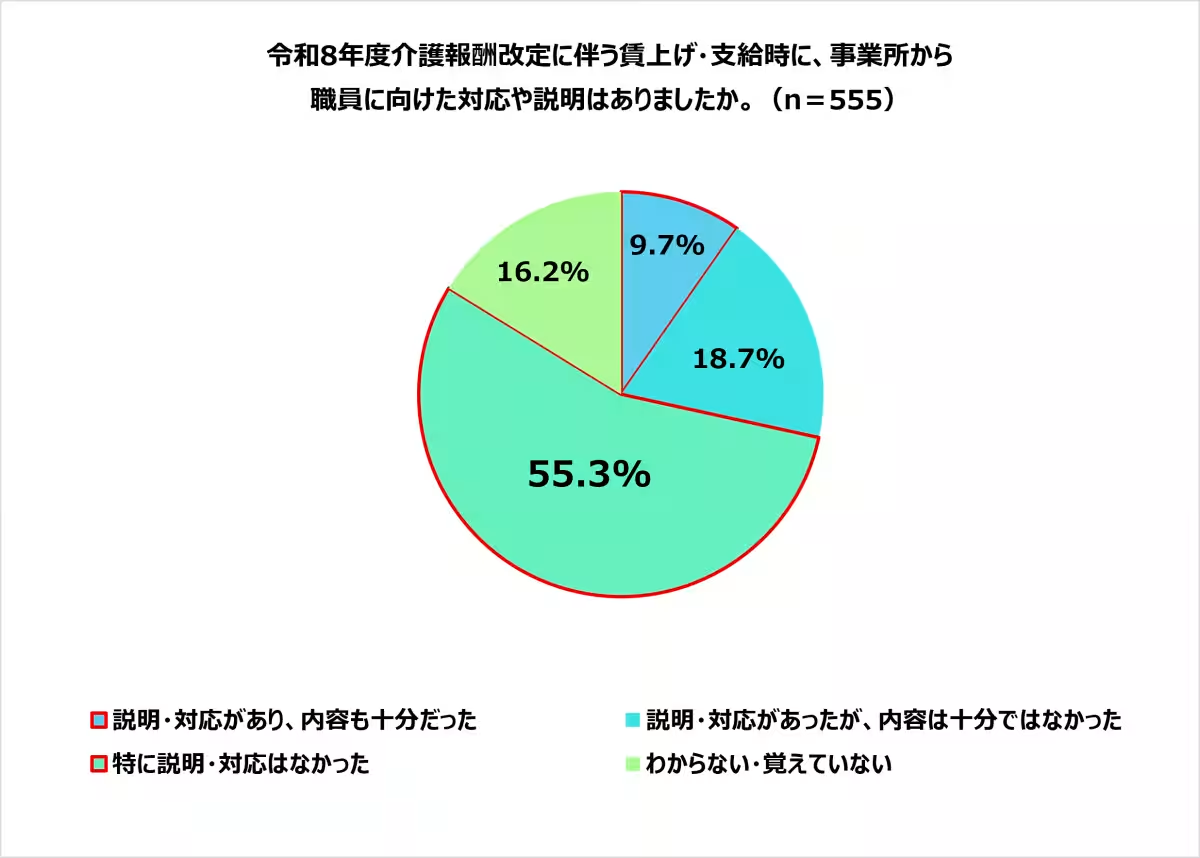
3. Lack of Communication from Employers: Only 9.7% of respondents felt adequately informed about the reform by their employers, with more than half stating they received no explanation regarding the adjustments.
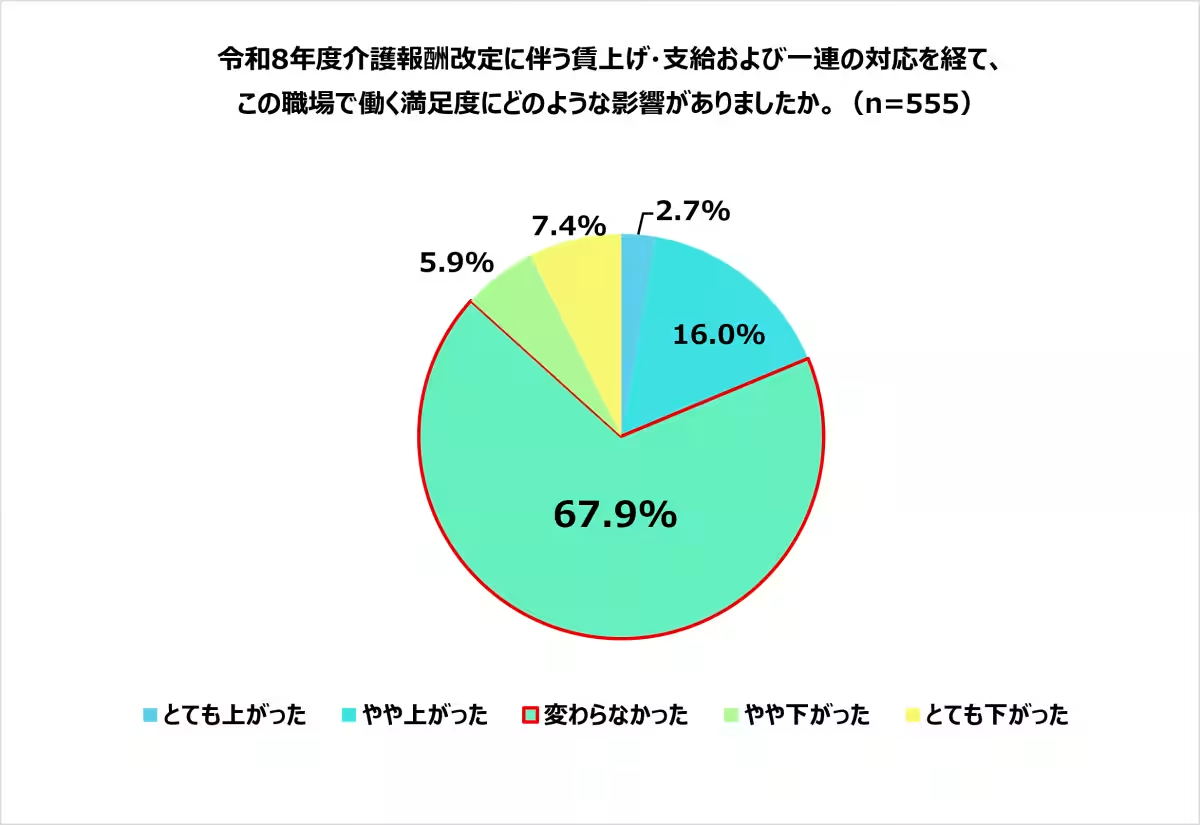
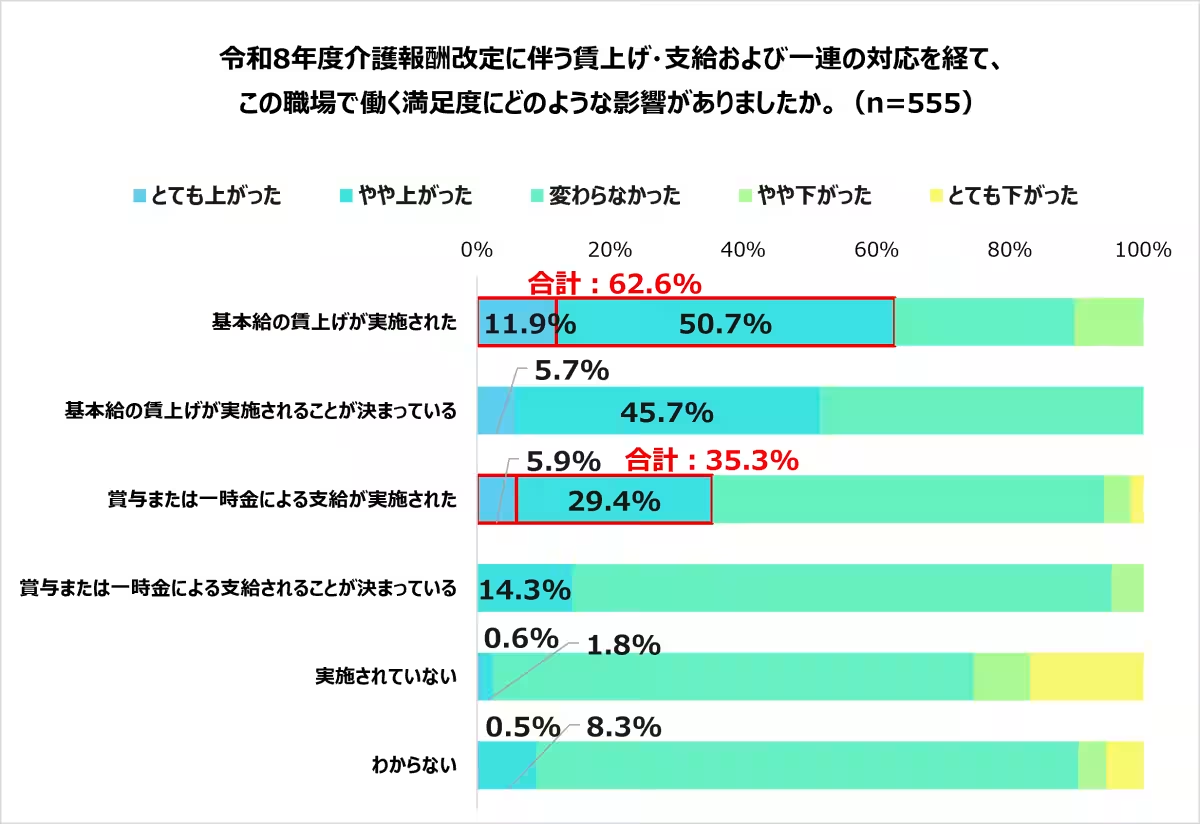
4. Workplace Satisfaction: The majority, 67.9%, reported that their workplace satisfaction remained unchanged despite the compensation reforms. However, for those whose base salaries did increase, 62.6% felt more satisfied compared to just 35.3% who were rewarded through bonuses.
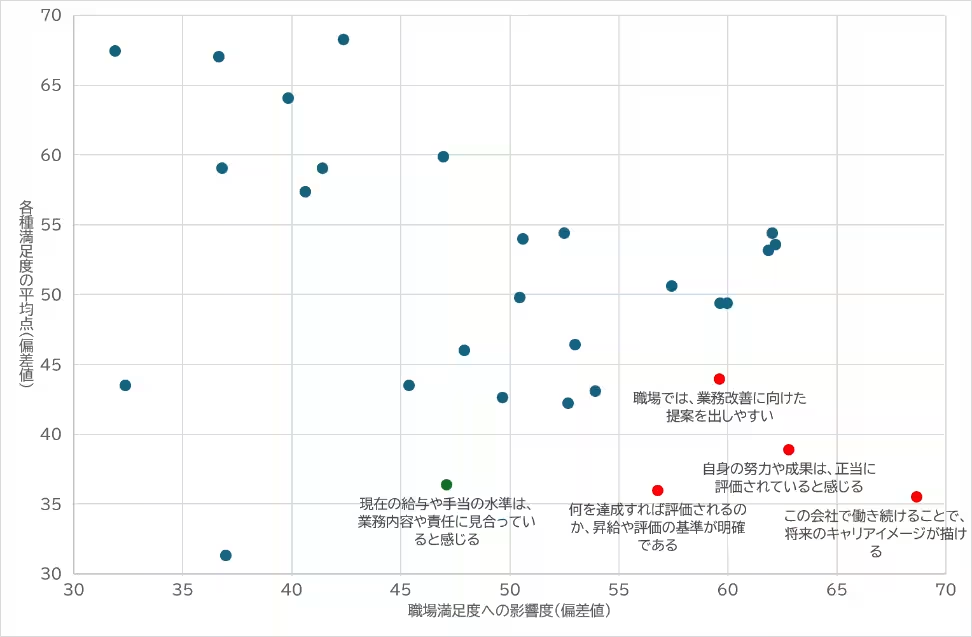
5. Areas of Improvement: The survey highlighted crucial areas where job satisfaction is notably low, including career advancement opportunities, fairness in evaluations, and the ease of proposing operational improvements. Interestingly, the direct impact of wage levels on satisfaction was relatively modest.
Expert Insights
Yuichiro Shiozaki, head of the welfare career division at SMS, emphasized the seriousness of caregiver shortages in Japan's aging society. He expressed that while the recent interim compensation increase was intended to boost the workforce's conditions, the actual reception and understanding of these changes among workers need deeper attention.
Shiozaki pointed out the disparity in perceived satisfaction, noting that the most significant factors contributing to workplace happiness extended beyond just salary hikes. Caregivers want structures that allow them to envision future career paths, ensure evaluations are fair, and provide channels for suggesting improvements in operations.
The SMS team remains dedicated to facilitating quality matches between caregivers and their workplaces, in addition to enhancing the overall work environment. The hope is that these changes will eventually help solidify staff retention and satisfaction in a critical industry.
Conclusion
While the recent caregiver compensation reform holds the potential for positive change, the data suggest a disconnect between intention and implementation. As Japan faces the realities of an aged society, addressing these discrepancies and fostering a communicative environment will be essential in attracting and retaining caregiving talent. The mission of SMS Co., Ltd. thus remains vital, focusing on improving the quality of life for caregivers while continuing to adapt to the evolving needs of society.
For further insights into the survey or to explore opportunities in caregiving, visit WellmeJob here.

Topics People & Culture)
【About Using Articles】
You can freely use the title and article content by linking to the page where the article is posted.
※ Images cannot be used.
【About Links】
Links are free to use.