



The Rise of Side Jobs in Japan: Insights from Job Resarch on 2025 Trends
The Rise of Side Jobs in Japan: Insights from Job Research on 2025 Trends
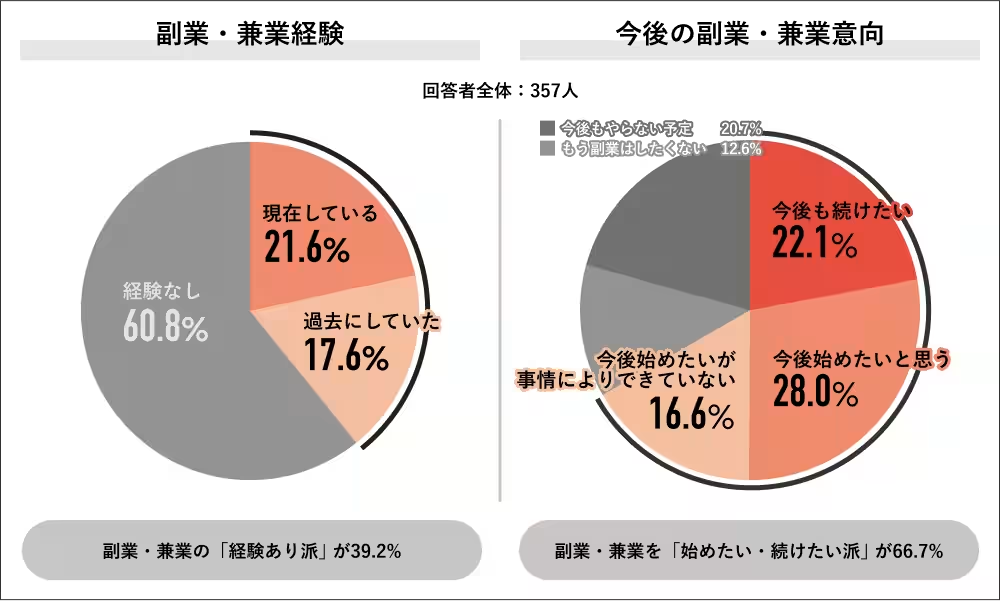
In a study conducted by Job Research, a division of Persol Career Co., nearly 40% of respondents reported having experience with side jobs. This significant percentage reflects a growing trend among professionals seeking ways to diversify their income and enhance their skill sets. As the Japanese economy continues to face challenges such as rising living costs, many workers are increasingly interested in pursuing additional streams of income.
Study Overview
The study was carried out among 357 working adults in Japan, with questions focusing on their experience with side jobs, income levels, and attitudes towards future side business opportunities. The survey noted that since the Japanese Ministry of Health, Labour and Welfare revised guidelines promoting side jobs and dual employment, interest has surged. A remarkable 66.7% of participants expressed a desire to either start or continue their side jobs, indicating a broad shift in professional mindset toward diversified income.
Income Insights and Trends
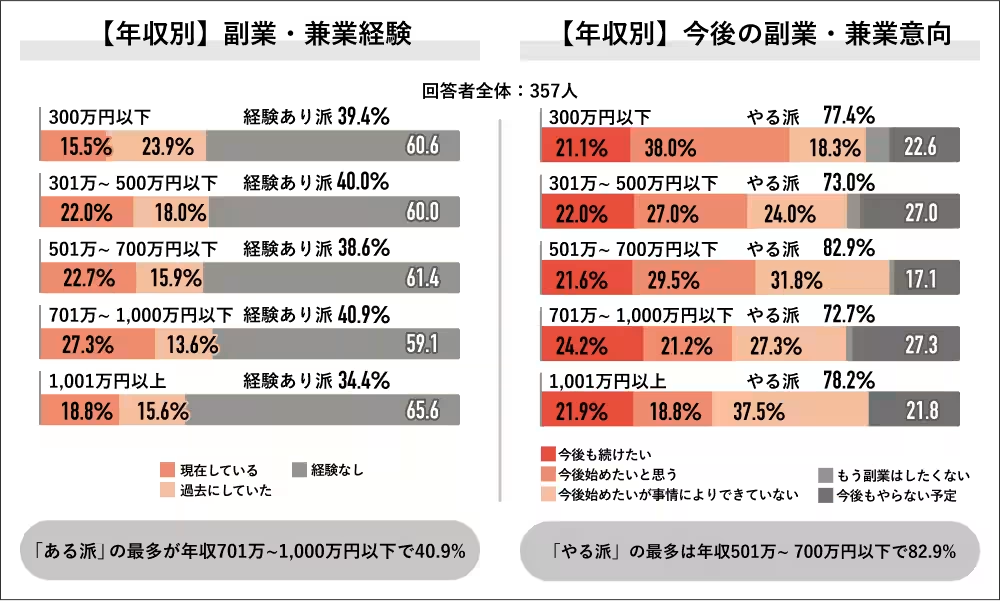
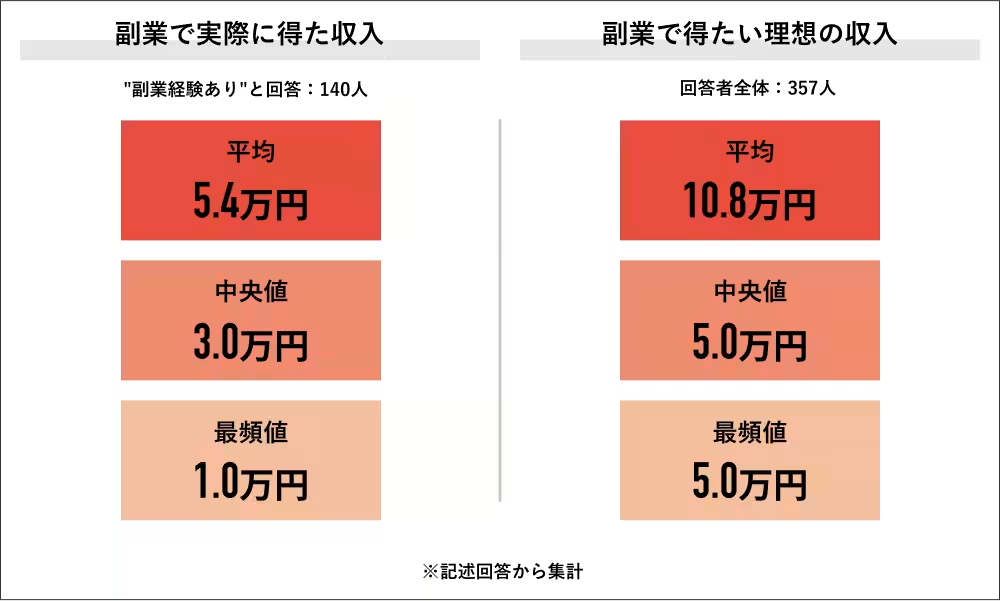
The income analysis revealed that the most significant number of respondents engaging in side jobs earned between ¥7 million and ¥10 million a year. Interestingly, while many have engaged in these ventures, the gap between their actual earnings and desired income is pronounced. Those who reported a side job found they made an average of ¥54,000 per month, while the ideal income expectation averaged around ¥108,000 per month.
This discrepancy suggests that while individuals are keen to supplement their income, the reality often falls short of their aspirations. A variety of factors contribute to this situation, including the nature of the work undertaken and the balance with their primary job.
Concerns About Side Jobs
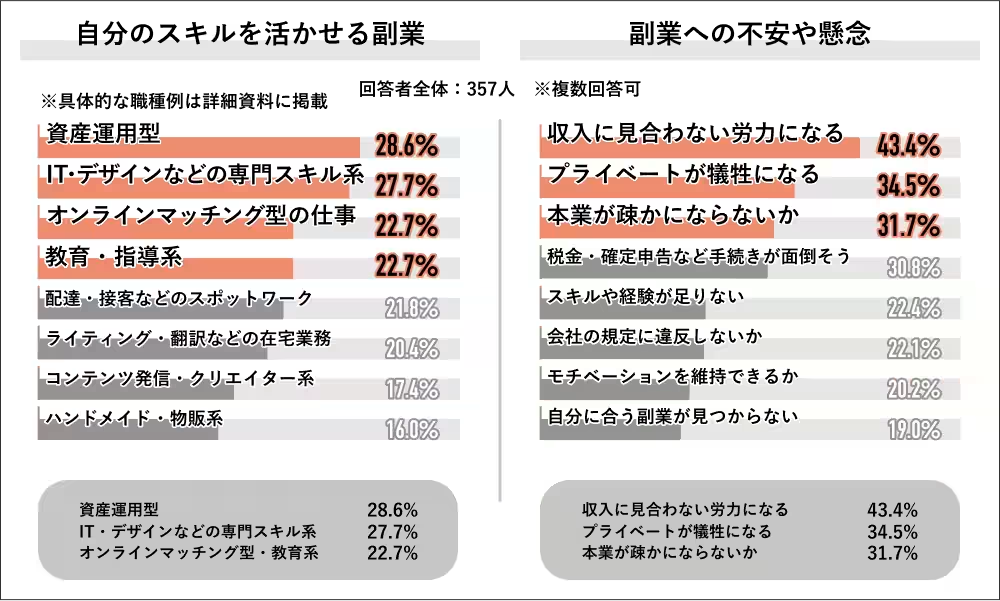
Despite the enthusiasm, many participants expressed concerns regarding side jobs. The primary worries cited were the potential for side work to consume excessive time for minimal financial return and the fear that personal lives or primary work responsibilities could suffer. With 43.4% of respondents indicating worries about work-life balance, it’s clear that while interest in side jobs is high, there is a significant burden accompanying this choice.
Interest in Local Side Jobs
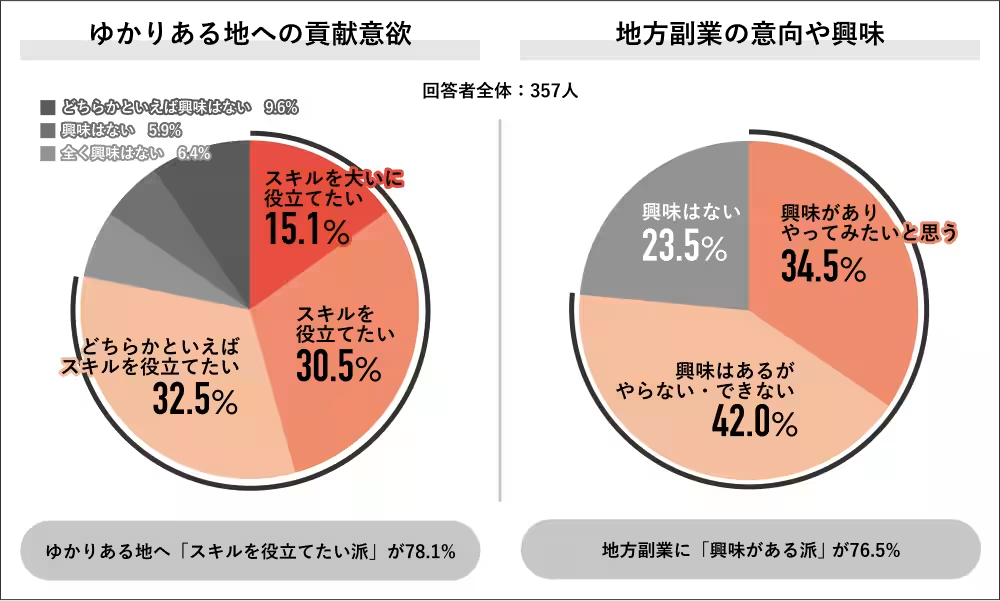
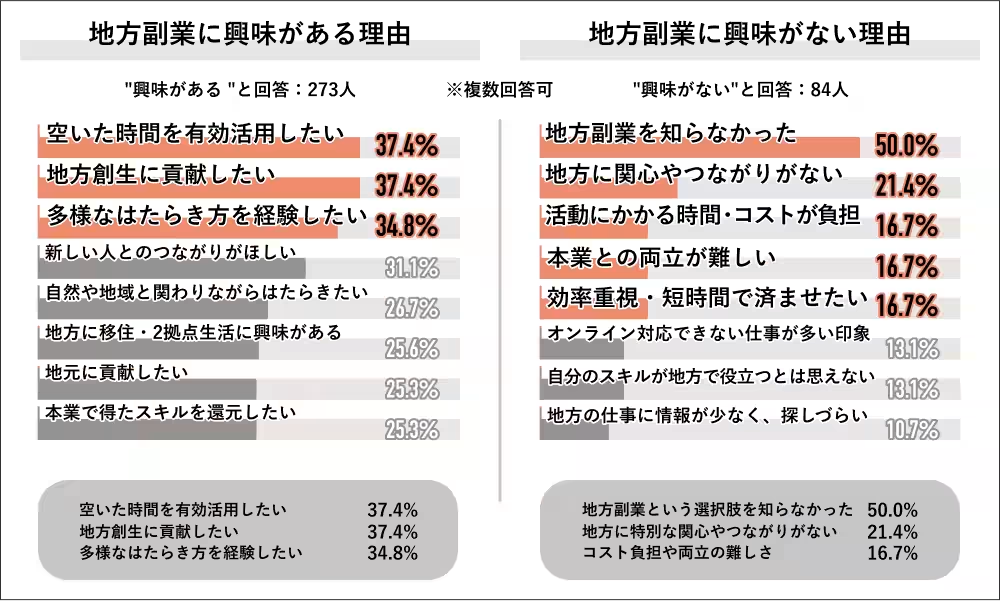
Moreover, the study showed that a noteworthy 78.1% of participants indicated a desire to utilize their skills in local communities, with 76.5% expressing interest in local side jobs. Those interested sighted reasons such as wanting to effectively use their free time and contribute to regional development as main motivations. However, a lack of awareness about local side job opportunities was cited as a significant barrier.
Conclusion
This trend underscores a critical shift in how professionals in Japan approach their careers and financial stability. Side jobs are evolving from a niche interest into a common element of modern work culture, demonstrating an eagerness among employees to adapt and fill potential income gaps. As such, companies and local governments should respond to this trend by creating supportive environments for side jobs, encouraging a culture that embraces flexible working arrangements and allowing individuals to thrive both personally and professionally.
The growing engagement in side jobs signals a broader narrative of changing work dynamics and personal empowerment, making it crucial for stakeholders to foster a supportive framework for these emerging practices. With more professionals advocating for side jobs, the future of work in Japan appears to be increasingly versatile, embracing the complexities of balancing multiple roles and income sources.

Topics Business Technology)

【About Using Articles】
You can freely use the title and article content by linking to the page where the article is posted.
※ Images cannot be used.
【About Links】
Links are free to use.