



Awareness of Skin Cancer Symptoms Low Despite High Survival Rates
Understanding the Need for Prompt Skin Cancer Awareness
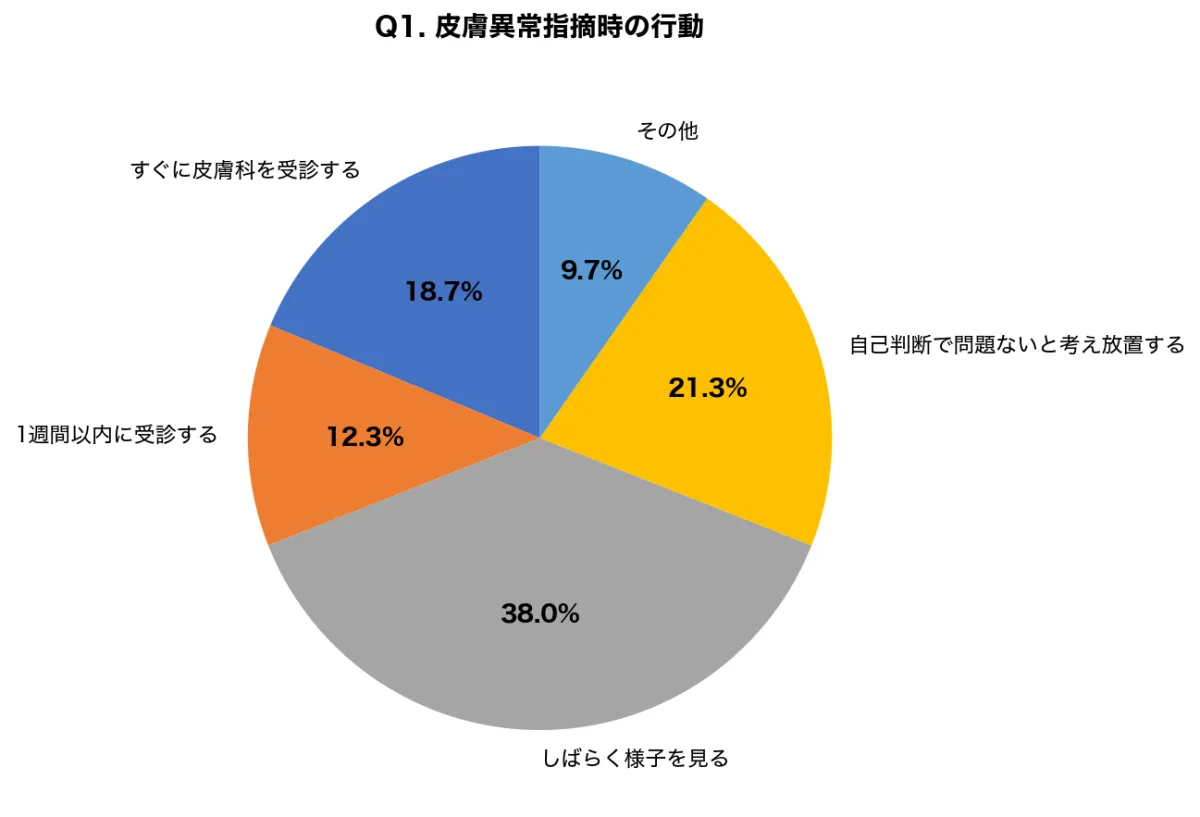
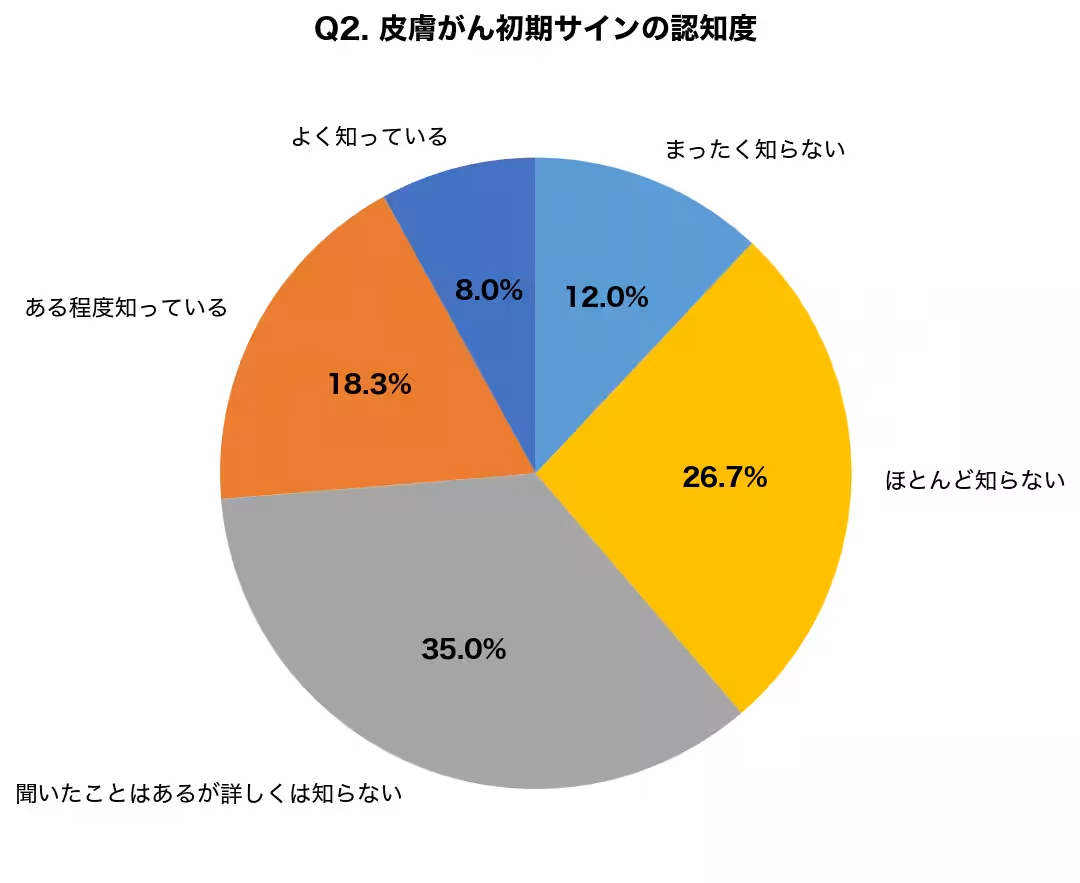
Recent findings underscore a worrying trend: despite the critical importance of early detection in skin cancer, many individuals ignore the warning signs highlighted during routine health examinations. A survey conducted by I.C. Clinic revealed that a staggering 59.3% of participants who were alerted to skin abnormalities opted to simply wait and see rather than seeking immediate medical advice. Furthermore, over 70% admitted to not being aware of the initial signs of skin cancer, indicating a significant knowledge gap that could undermine patients' health outcomes.
Importance of Early Detection
Skin cancer is one of the most treatable forms of cancer if detected early. Research shows that the 5-year survival rate for early-detected cases can exceed 90%. However, when individuals neglect their symptoms, especially following a health check-up that identifies issues like unusual moles or unexplained wounds, the risk of metastasis rises alarmingly.
Survey Highlights
- - The survey involved 300 participants aged between 20 and 60.
- - While 59.3% chose to ignore their symptoms, only 31% sought medical consultation within a week of receiving a warning about their skin condition.
- - A horrifying 73.7% of respondents could not confidently identify the early signs of skin cancer.
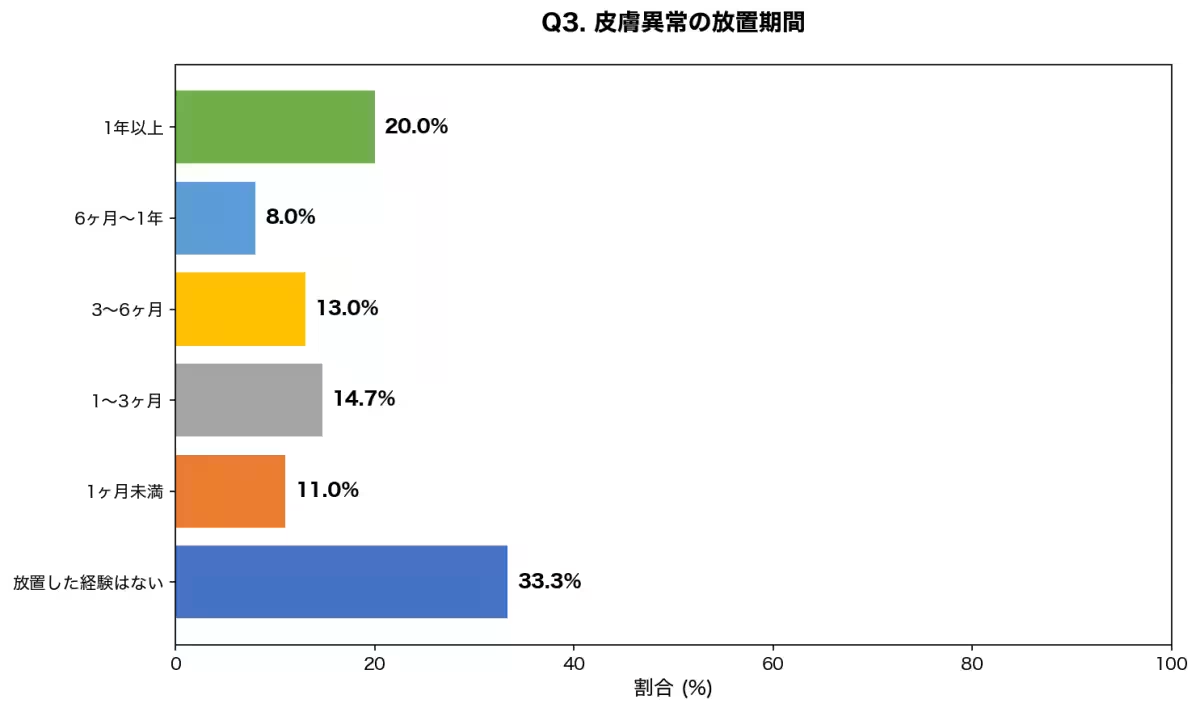
- - Among those who had ever disregarded skin issues, 42% reported having done so for over a year.
Types and Risk Factors of Skin Cancer
1. Basal Cell Carcinoma: This is the most common form and generally grows slowly. It often appears as a raised, pearly bump.
2. Squamous Cell Carcinoma: The second most common type, presenting as scaly patches or nodules on sun-exposed skin.
3. Melanoma: The deadliest form, characterized by irregularly shaped moles, which require urgent medical attention.
ABCDE Rule for Self-Examination
The ABCDE rule is a simple guideline for self-screening moles:
- - A for Asymmetry: One half does not match the other half.
- - B for Border: Edges are irregular or ragged.
- - C for Color: The color is not uniform.
- - D for Diameter: The mole is larger than 6mm.
- - E for Evolution: There are changes in size, shape, or color.
Recommendations for Action Based on Findings
Healthcare professionals, particularly in dermatology, emphasize the importance of consulting a specialist when skin abnormalities are observed. The study's conclusions advocate for increased awareness and education regarding skin cancer, particularly for people aged 40 and above or those who have a family history of the disease.
The ideal timeline for consultation is within two weeks of a health examination that raises concerns. This is to ensure that any potential conditions are treated early, thus avoiding complications related to untreated skin cancer.
Attitudes Towards Check-Ups and Specialists
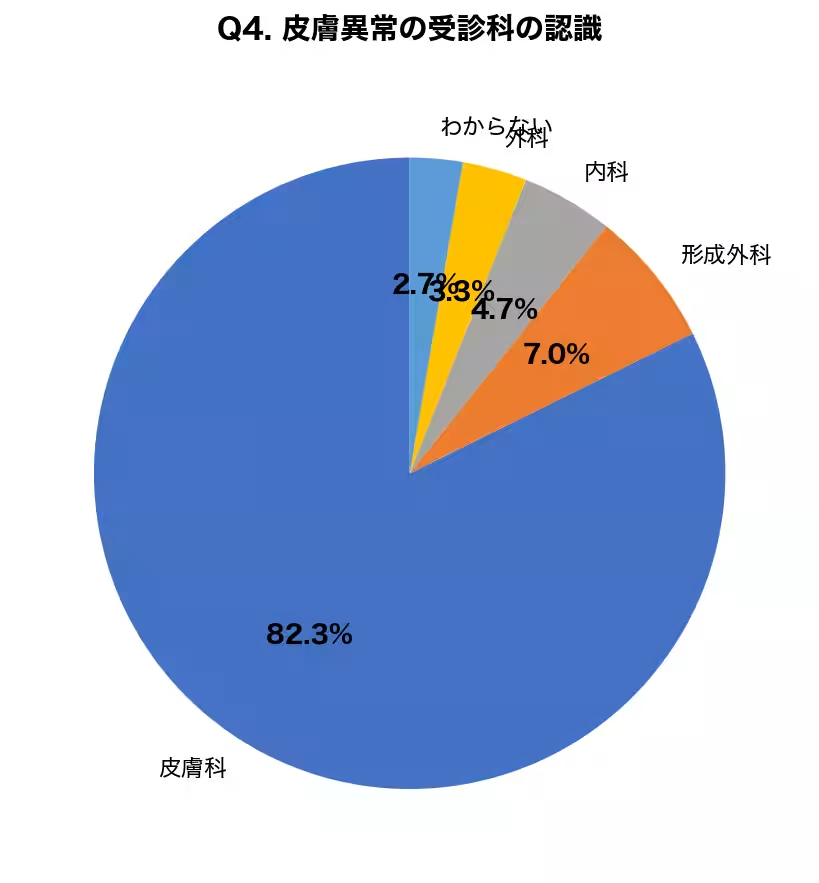
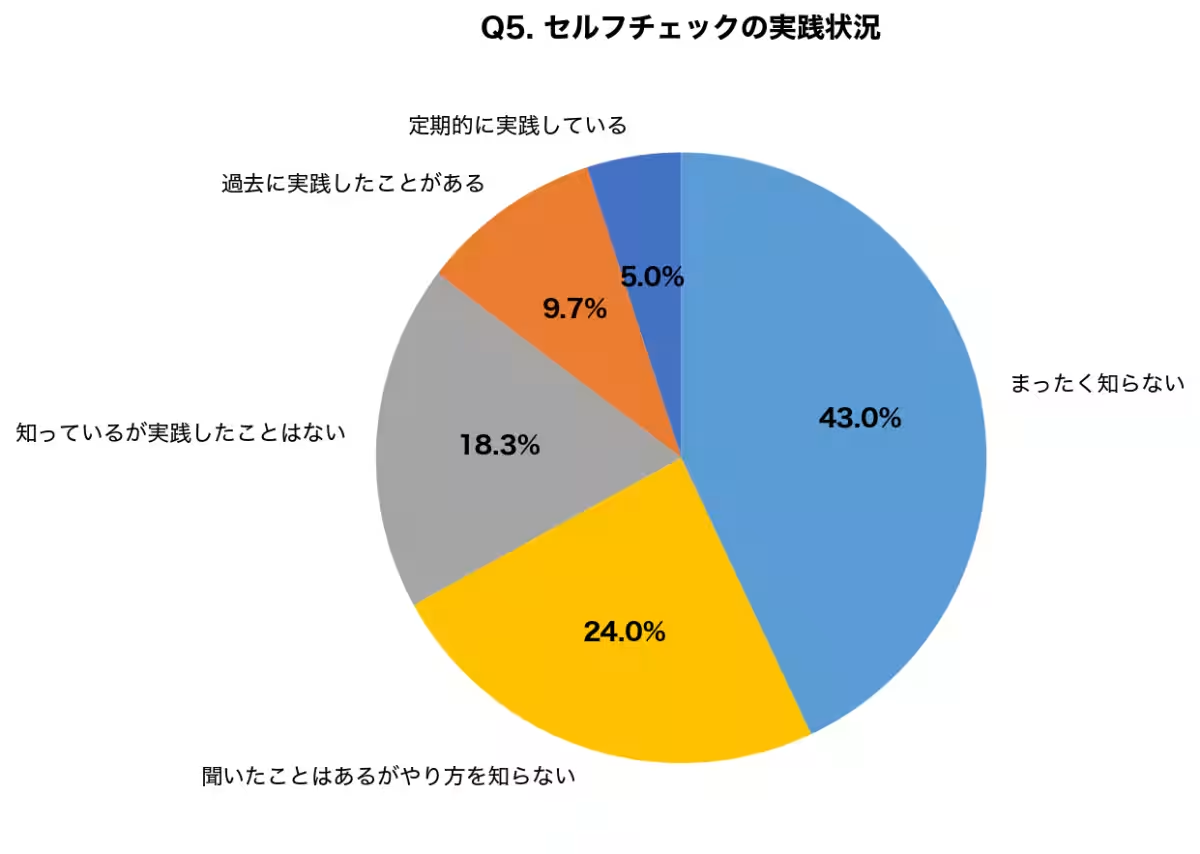
Interestingly, while awareness about visiting a dermatologist is relatively high, with 82.3% of respondents believing a skin issue warrants such a visit, the actual implementation of self-checks remains low. Only 14.7% reported having used methods like the ABCDE rule for monitoring their skin health.
Closing Thoughts
Dr. Kouta Takakuwa, an expert in dermatological surgery, advocates for public education surrounding the early signs of skin cancer, especially as many are unaware of their symptoms. As the health check-up season approaches, awareness must be raised to emphasize the significance of proactive healthcare behaviors concerning skin health. By recognizing early signs and seeking timely consultations, individuals can dramatically improve their chances of positive outcomes in the fight against skin cancer. Remember, if you notice any sudden changes in your skin or moles, consult a dermatologist promptly.
Topics Health)









【About Using Articles】
You can freely use the title and article content by linking to the page where the article is posted.
※ Images cannot be used.
【About Links】
Links are free to use.