



A Breakthrough in Seasonal Hydrogen Utilization for Office Buildings
Advancements in Seasonal Hydrogen Utilization
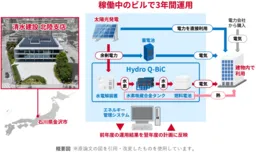
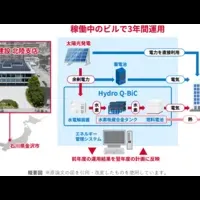
In a pioneering three-year endeavor, the National Institute of Advanced Industrial Science and Technology (AIST) and Shimizu Corporation have successfully established a hydrogen energy utilization system called Hydro Q-BiC® in an operational office building in Kanazawa, Japan. This project, conducted from 2021 to 2023 at the Shimizu Hokuriku branch, aimed to optimize the storage and utilization of hydrogen derived from surplus solar power by converting it into electricity and heat.
During winter, the demand for energy significantly increases, particularly for heating and hot water. Traditionally, managing the surplus energy generated during sunnier months for use in the colder months has posed considerable challenges. By examining three years of operational data, the research team demonstrated an innovative approach to seasonal energy management that not only contributes to energy security but also maximizes the efficiency of renewable energy.
Key Project Insights
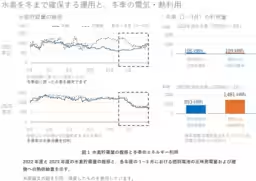
The project implemented a series of strategic operations to optimize hydrogen storage and consumption. One notable outcome was the increase in net electricity generation from fuel cells during winter months, which jumped from 106 kWh in 2022 to 893 kWh in 2023. This increase can largely be attributed to the strategic reduction in hydrogen consumption before winter, a method introduced during the 2023 operational planning.
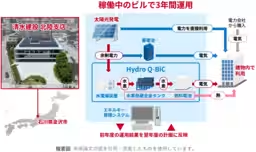
The collaboration involved the integration of various components, including a 140 kW solar power system, rechargeable batteries, electrolyzers, a titanium-iron hydrogen storage alloy tank, and fuel cells, all managed through an advanced energy management system. This comprehensive infrastructure allows for efficient energy production, storage, and usage within the building.
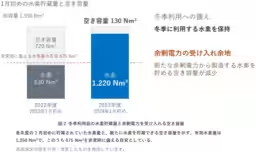
Furthermore, the findings from this study indicated that hydrogen serves dual purposes: it can stabilize short-term fluctuations with batteries while addressing long-term energy storage needs. During the operational period, about half of the hydrogen capacity was reserved for emergency use, which reflects the foresight in planning for unexpected power outages.
Navigating the Challenges of Energy Management
While the project yielded positive outcomes, it also uncovered certain challenges. The analysis revealed that if too much hydrogen is stored for winter use, the system struggles to accommodate additional surplus solar power generated in spring and early summer. Therefore, adjusting the storage limits according to historical and predicted trends became crucial for effective energy management.
In implementing dynamic storage strategies, the energy management system adjusted target hydrogen storage levels monthly based on real-time demand data and weather forecasts. This methodology proved essential in ensuring that adequate hydrogen supplies were available during peak winter demand.
The Importance of Continuous Improvement
The research team's ongoing commitment to refining their methodology is evident as they strive to improve predictive accuracy for solar power generation and energy consumption patterns in the building. Their ambition not only supports carbon neutrality objectives but also aims to increase the practicality and feasibility of hydrogen utilization in large-scale building applications.
As the research progresses, the partnership plans to expand its findings to different climatic conditions and various building types. The knowledge gained from the Hydro Q-BiC® deployment is set to influence future designs and implementations of hydrogen energy systems globally.
Conclusion
Overall, this innovative project stands at the forefront of the shift towards renewable energy sources and energy-efficient practices in building management. As organizations strive for sustainable energy solutions, the success of Hydro Q-BiC® exemplifies the potential for hydrogen to play a critical role in energy transition strategies, especially in urban environments facing increasing energy demands.
For more technical details, refer to the study published in the International Journal of Hydrogen Energy on November 10, 2026. The article titled Three-year real-world operation of a hydrogen energy utilization system in an office building: Seasonal energy shifting and operational improvement is a key reference for those interested in the advancements of hydrogen technology.
This initiative not only emphasizes the potential of hydrogen as a seasonal storage solution but also illustrates the practical roadmap towards optimizing energy use in contemporary infrastructure.
Topics Energy)
【About Using Articles】
You can freely use the title and article content by linking to the page where the article is posted.
※ Images cannot be used.
【About Links】
Links are free to use.