



Unveiling the Practical OJT Manual from JMAC for Today's Workforce Challenges
Unveiling the Practical OJT Manual from JMAC for Today's Workforce Challenges
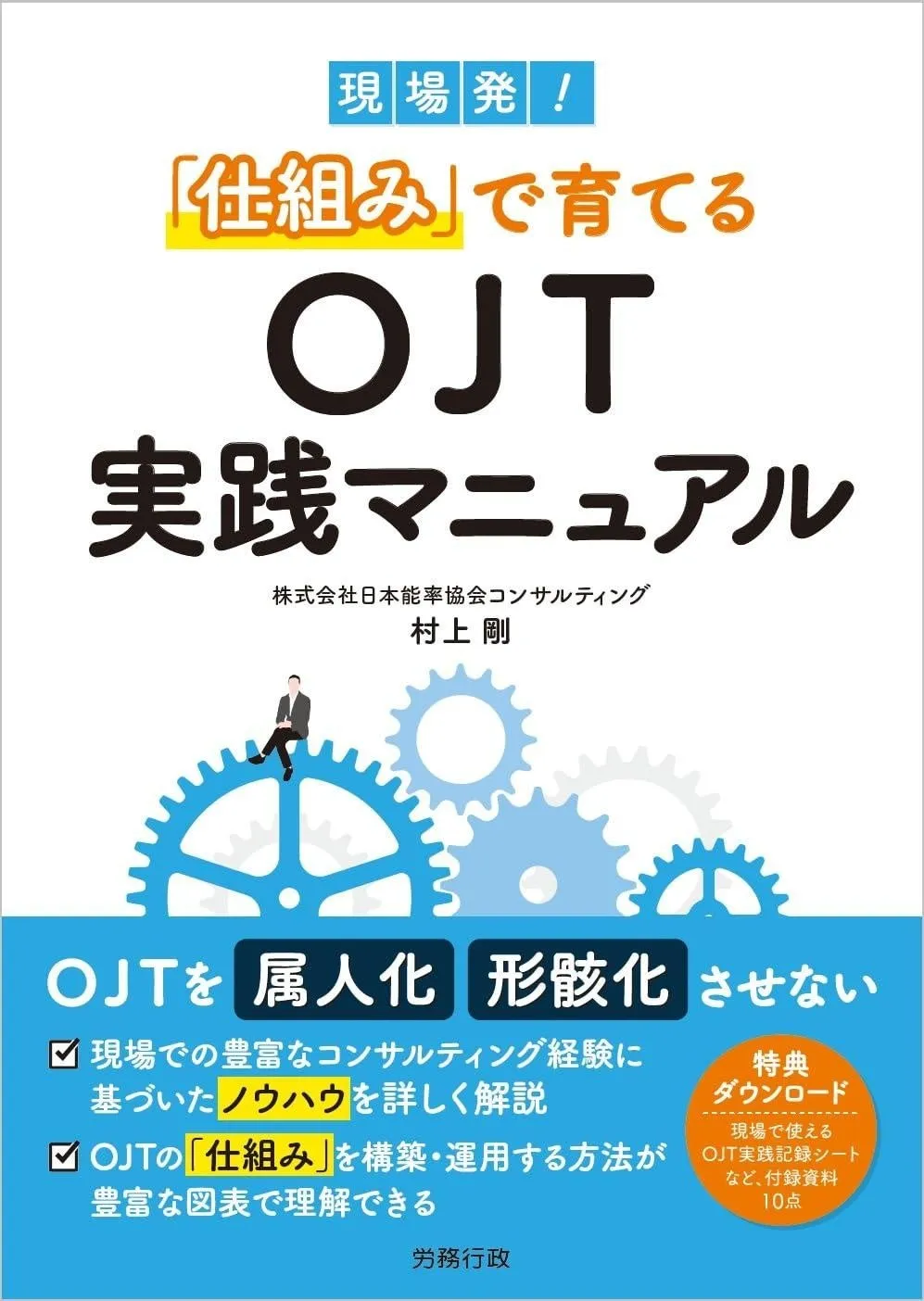
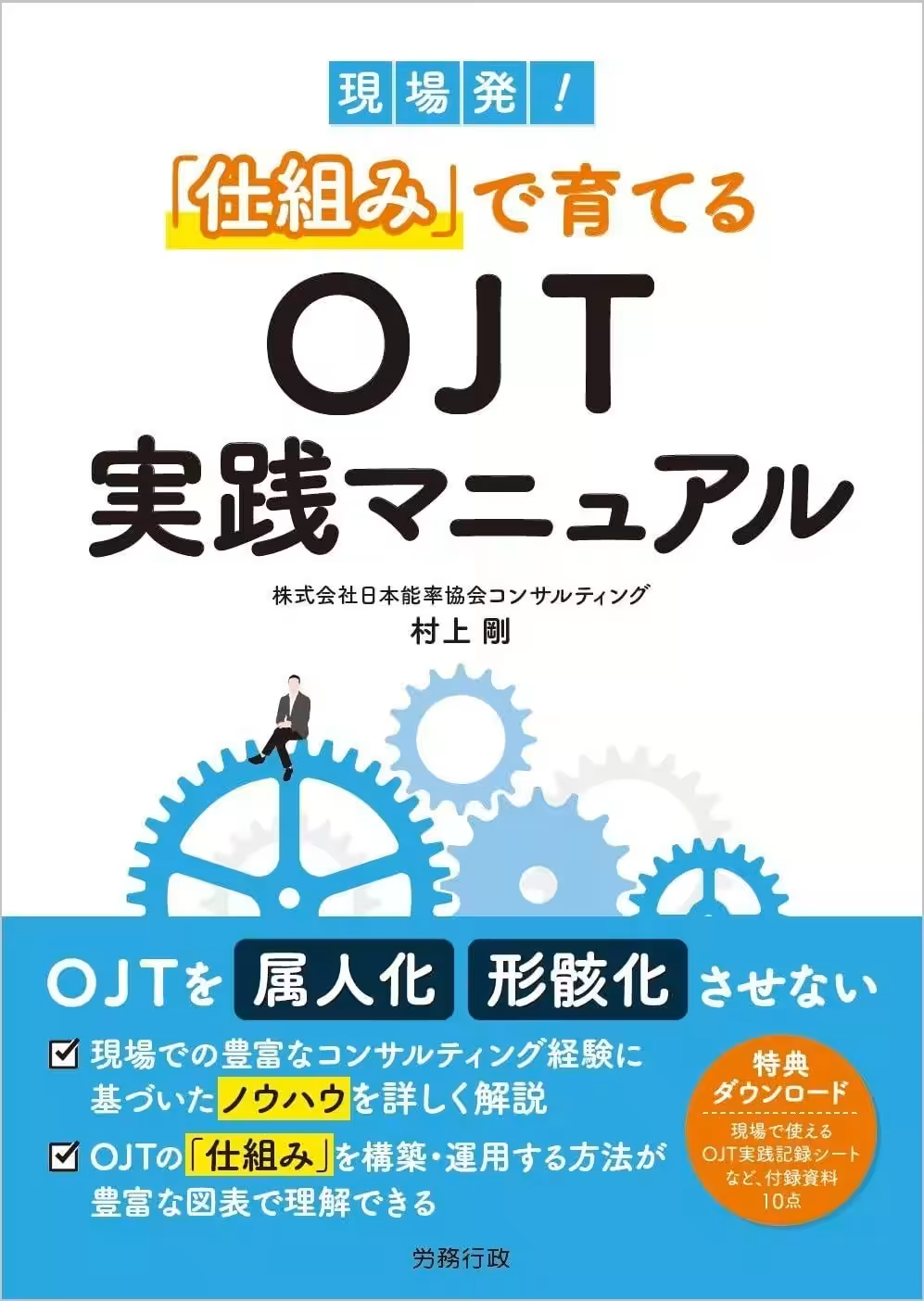
The Japan Management Association Consulting (JMAC), led by CEO Yohei Otani, is set to publish a new book titled "Practical Manual for On-the-Job Training (OJT) Using a Systematic Approach" on March 14, 2026. Authored by Takashi Murakami, a seasoned consultant with extensive experience in human resource management, this guide addresses the persistent issues of individual reliance and formalism in OJT practices.
The Need for Systematic OJT
In today’s corporate landscape, OJT remains a cornerstone in younger employee development. However, companies face myriad issues such as uncertainty in teaching methods and a lack of comprehensive oversight. Recent labor shortages and increased workloads have further exacerbated these challenges, leading to stagnation in development and an overdependence on individual attributes of trainers. JMAC recognizes that these challenges should not rest solely on personal initiative but must instead be resolved through organizational structures. This belief forms the foundation of the new manual.
Book Features: How This Manual Stands Out
The "Practical Manual for OJT" is designed to be an accessible and reliable resource for managers and trainers. Here’s a glimpse of its unique features:
1. Visual Learning Through Diagrams: Featuring over 50 visual aids, the manual simplifies complex management processes involved in OJT. Readers will find clear illustrations about the PDCA (Plan-Do-Check-Act) cycle and guidelines for planning. This visual approach fosters immediate comprehension of OJT practices.
2. Downloadable Resources: The book offers ten supplementary materials that are readily downloadable from JMAC's website. These include OJT goal management sheets and interview forms that can be practically applied in daily operations, enhancing the utility of the manual in real-world scenarios.
3. Case Studies for Real-life Issues: The text presents relatable case studies, tackling common workplace obstacles, such as prioritization of tasks over employee development. By providing clear solutions to these issues, readers can better envision the application of these principles in their organizations.
Contents Breakdown
The manual includes:
- - Chapter 1: Concepts of OJT
- - Chapter 2: Current Status and Challenges of OJT
- - Chapter 3: Building and Operating OJT Systems
- - Chapter 4: Training OJT Staff and Participants
- - Chapter 5: Strategies for Efficient and Effective OJT
- - Appendix Materials: Supporting resources for immediate implementation.
The Future of Workforce Training
In a rapidly changing labor environment, fostering the next generation of talent is crucial for the sustainability of businesses. JMAC is committed to its mission of transforming organizations and society through this publication. The manual seeks to aid in establishing a sustainable training framework that doesn't rely on individual experiences. Furthermore, JMAC plans to continue offering consulting services leveraging the latest research and digital technologies, including AI-driven support systems.
Meet the Author
Takashi Murakami
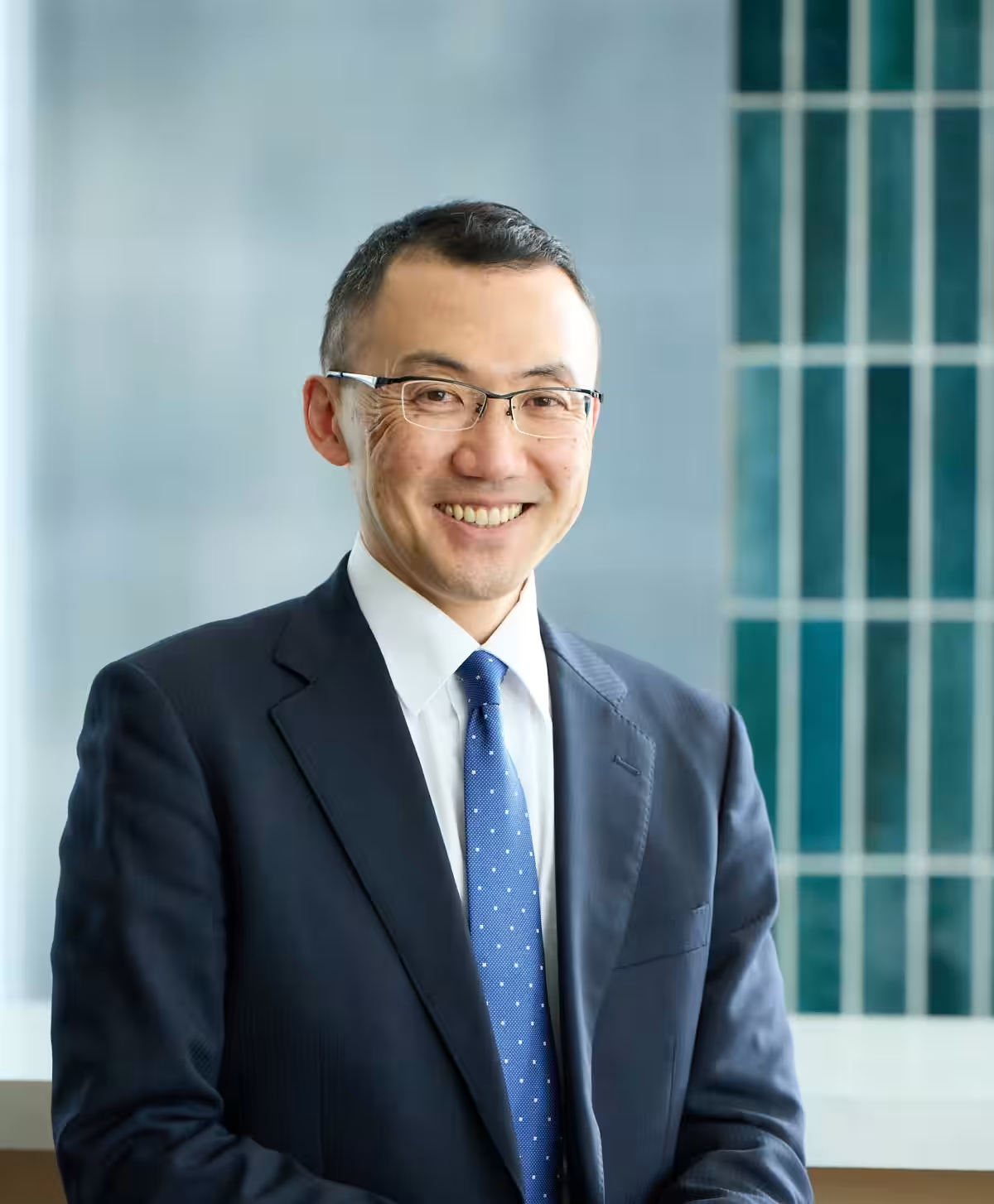
Takashi Murakami serves as a Senior Consultant and the Head of the Organization and Human Resources Consulting Division at JMAC. His extensive background in human resources and organizational reform enables him to deliver valuable insights into the nuances of OJT. His guidance is vital in navigating human capital management and social value initiatives.
For more information, visit JMAC’s official website: JMAC Website
Related Consulting Services
- - Consultancy for Developing Systematic Training Frameworks
- - Programs to Enhance Communication Skills
- - Consulting for Comprehensive Career Development for Employees
JMAC stands ready to assist organizations in building sustainable and effective workforce development strategies tailored to meet contemporary challenges.

Topics People & Culture)

【About Using Articles】
You can freely use the title and article content by linking to the page where the article is posted.
※ Images cannot be used.
【About Links】
Links are free to use.