



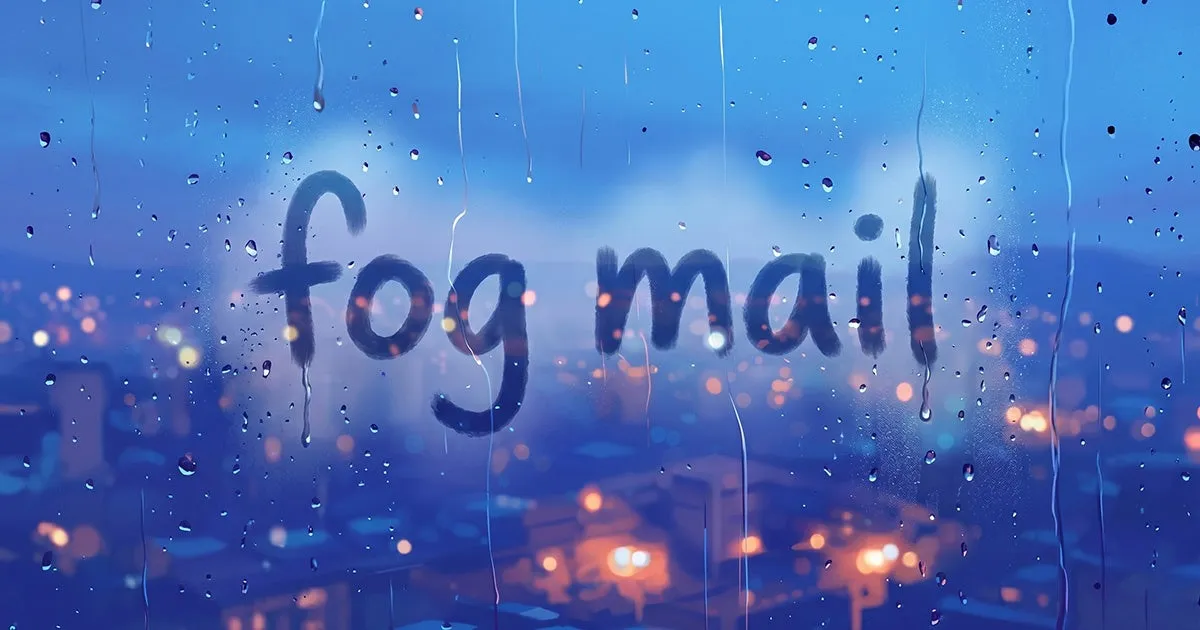
Discover the Unique Experience of Sending Messages with Fog Mail—A Web App That Erases in 10 Minutes
Experience the Innovative Fog Mail
In a world dominated by instant messages and emails, a new web app called Fog Mail is offering a refreshing twist on communication. By harnessing the nostalgic experience of writing on fogged glass, this innovative tool allows users to compose and send ephemeral text messages that vanish after just 10 minutes. It’s a blend of technology and a timeless experience that takes us back to our childhood days when we would breathe on a cold window and write our thoughts.
What is Fog Mail?
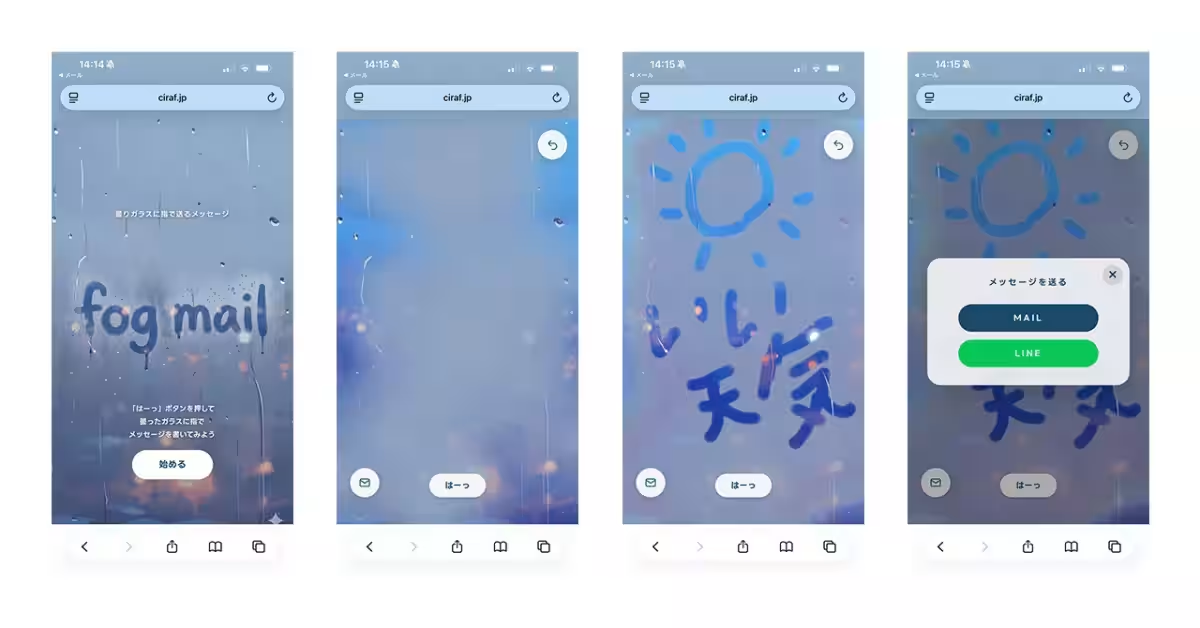
Fog Mail is a unique web application accessible through a smartphone browser. The concept is simple yet fascinating: by blowing on the screen using the “haa” button, the display becomes misty, letting users write messages with their fingers. Once the message is crafted, a unique URL is generated, which can be sent via email or LINE to recipients. When they open it, the same fogged effect appears on their screen, allowing them to experience the message in the same way. And just like that, in ten minutes, the message disappears, forging a sense of urgency and exclusivity in communication.
A Nostalgic Inspiration
The inception of this app sprouted from a universal experience—writing on fogged train windows. The creators wondered if it was possible to replicate this joyful activity in a digital space. Unlike conventional messaging platforms, Fog Mail emphasizes the transient nature of communication. The combination of the messages disappearing and the shared experience between the sender and receiver forms a unique bond, making digital communication feel more personal and human.
Key Features of Fog Mail
- - Haa Button: This button triggers the fog effect on the screen. The more you press it, the thicker the fog becomes, enhancing the writing experience!
- - Writing Messages: Users can easily write messages by tracing their fingers on the fogged glass, revealing their text as the mist clears.
- - URL Sharing: After writing, users can send the generated unique URL. When the recipient opens it, the same message appears mirrored on their own 'foggy' screen.
- - Auto-Deletion: The messages are designed to vanish automatically after 10 minutes, adding excitement and anticipation to each exchange.
Technical Overview
Fog Mail operates seamlessly on smartphones, specifically optimized for iOS Safari and Android Chrome browsers. The app is constructed using Next.js along with Supabase and utilizes the Canvas API for a smooth and interactive user experience. The development journey also involved significant contributions from Claude Code (Anthropic).
The fantastic part about Fog Mail? It’s completely free to use! There’s no installation necessary, meaning anyone can try their hand at this novel experience directly through their mobile browser.
For those interested in the technical aspects and the development journey, the team at Ciraf Inc. has shared their insights and challenges encountered during development in a comprehensive note article. It’s a must-read for aspiring developers and tech enthusiasts alike, especially those keen on individual projects utilizing Claude Code.
👉 Read more about the development process
About Ciraf Inc.
Founded in Tokyo, Ciraf Inc. is dedicated to creating web content, visual media, and branding solutions that resonate with users. With a passion for pioneering and interactive experiences, they have explored various mediums to connect people in new and exciting ways through technology.
- - Company Name: Ciraf Inc.
- - Location: Tokyo, Japan
- - CEO: Hirotaka Onoe
- - Business Focus: Web, visual media, and branding production
- - Website: Ciraf
For inquiries regarding Fog Mail, you can reach out directly to:
- Email: [email protected]
- Contact Us: Ciraf Contact
In summary, Fog Mail is not just a web app; it’s an invitation to engage in a whimsical and interactive form of communication that rekindles a lost simplicity in how we convey messages. Why not give it a try?
Note: Fog Mail is an original web content created and operated by Ciraf Inc. Currently, it is only available for smartphone use. Accessing the site from a PC will direct users to a mobile-specific guide.
Topics Entertainment & Media)
【About Using Articles】
You can freely use the title and article content by linking to the page where the article is posted.
※ Images cannot be used.
【About Links】
Links are free to use.