



FANCL's Health Big Data Study Links Breakfast Habits With Nutritional Status
FANCL's Health Big Data Study
FANCL Corporation recently conducted its fifth Health Big Data Study, which cleverly ties together breakfast habits and their effects on nutritional status and health concerns. The analysis involved over 33,000 participants who had undergone urine tests as part of their first purchase of FANCL's custom supplements, "Personal One." The focus of this study was particularly on 26,489 individuals who regularly eat breakfast.
Key Findings
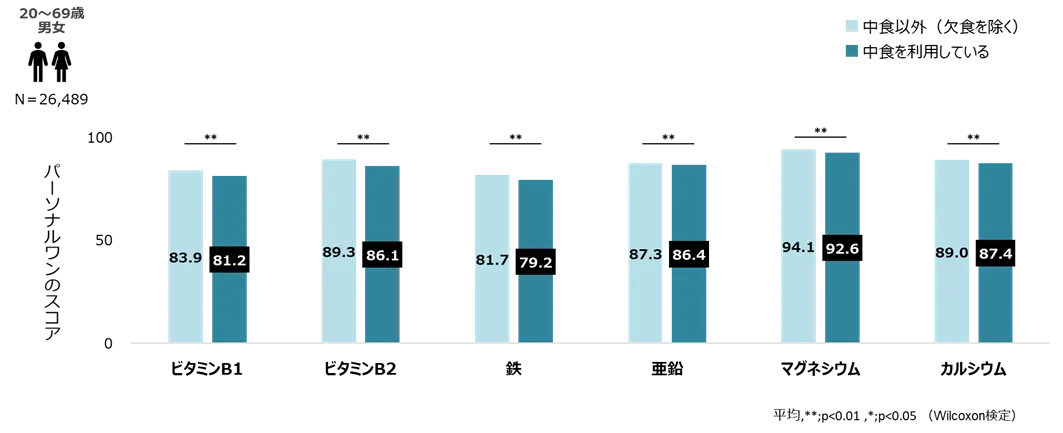
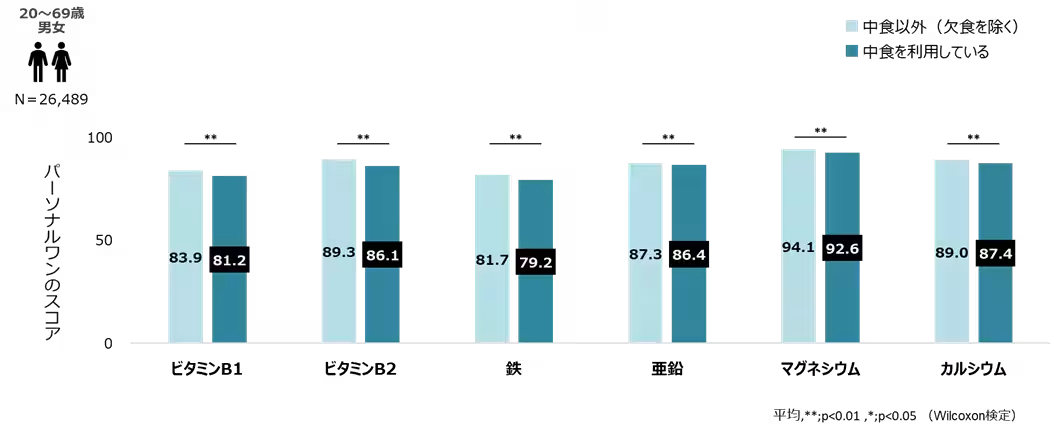
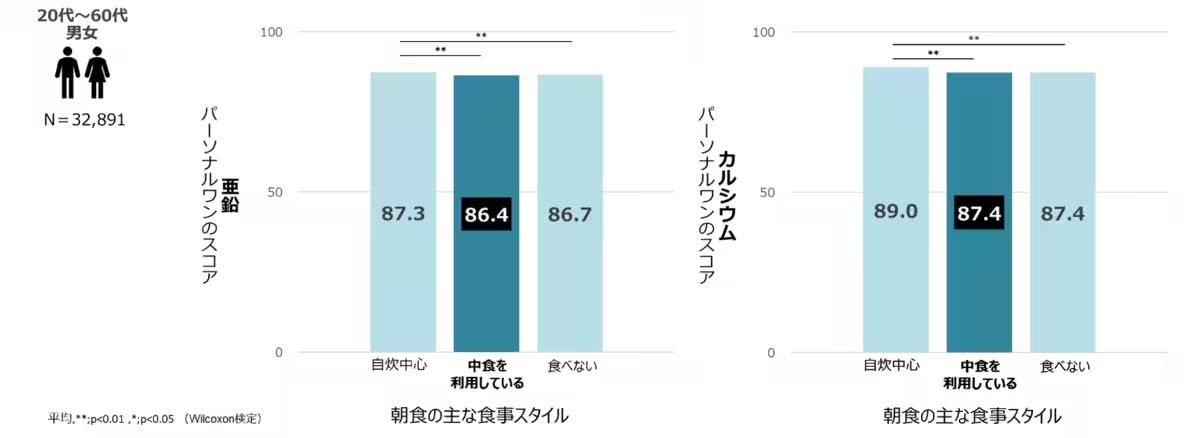
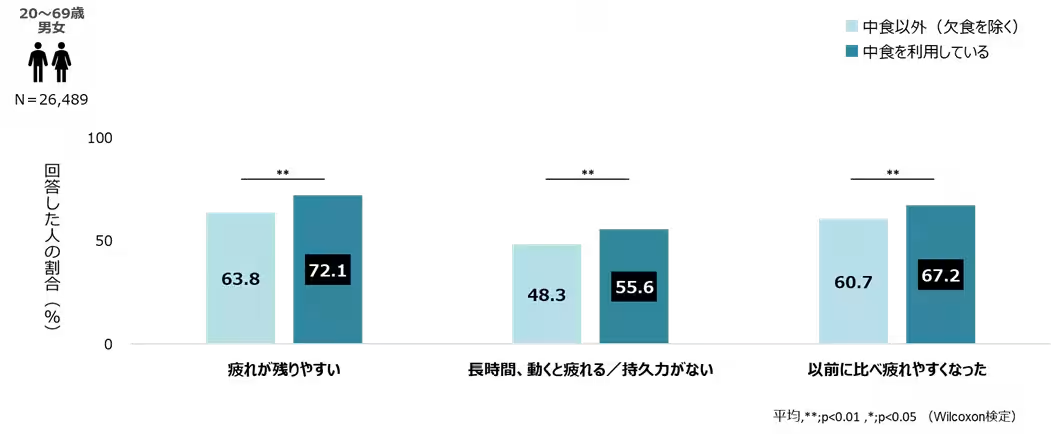
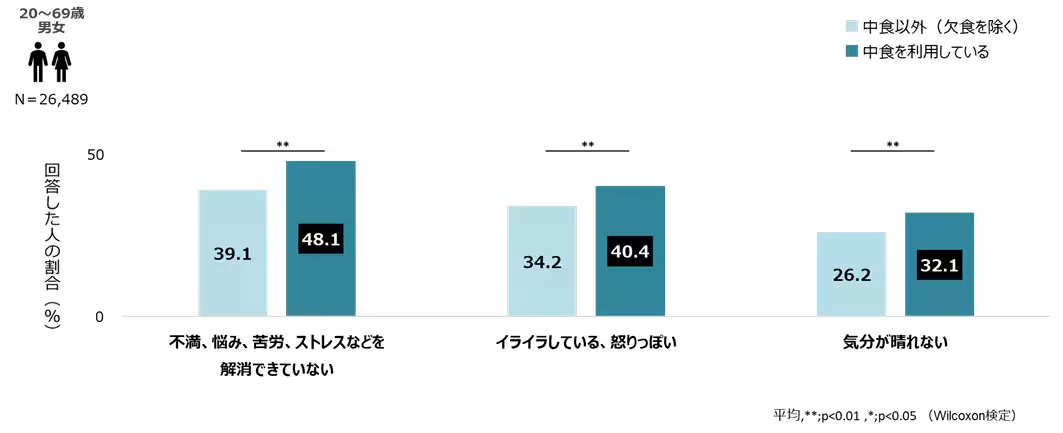
The results indicate that participants who relied on "nakashoku"—or convenience meals, including commercially prepared food like bento boxes, instant meals, and ready-to-eat dishes (including bread)—showed lower levels of essential nutrients such as zinc and calcium. Interestingly enough, their nutritional status closely resembled those who frequently skip breakfast altogether. Additionally, individuals preferring nakashoku reported significantly higher levels of fatigue and stress.
Nutrient Deficiencies
The study highlighted three essential findings:
1. Low Vitamin and Mineral Intake
Those who opted for nakashoku exhibited a concerning trend of low vitamin and mineral intake compared to individuals utilizing more home-cooked meal options (excluding those who skip breakfast). The intake levels of critical nutrients like zinc and calcium were found to be deficient, drastically affecting overall health.
2. Increased Fatigue
Higher levels of fatigue were reported among those consuming nakashoku for breakfast. They expressed feelings of persistent tiredness, low stamina during physical activities, and a noticeable increase in fatigue compared to past experiences.
3. Heightened Stress and Mood Issues
Participants consuming convenience meals were also more likely to admit they were struggling with stress management and mood disturbances, often feeling irritable and unable to lift their spirits.
A New Era for FANCL
Since starting its supplement business in 1994, FANCL has made significant strides in supporting customer health through their products. In response to the evolving landscape of health challenges, particularly concerning sleep and exercise, FANCL aims to enhance its role as a comprehensive health support entity. With a robust focus on the trio of essential health elements—nutrition, sleep, and exercise—FANCL intends to dive deeper into its extensive data to present insightful findings to the general public, further emphasizing the importance of overall well-being.
Looking Forward
FANCL recognizes that changing lifestyle habits necessitate an adaptable approach. Their continuous research and feedback will draw from over 50,000 data points related to customers' eating habits and health experiences through the "Personal One" program by May 2024. This commitment to understanding and targeting specific health needs highlights FANCL's dedication to elevating its services and ensuring customer health holistically.
As part of the company's initiative, FANCL hopes to spread awareness regarding essential dietary practices while simultaneously addressing the complexities of our modern-day lifestyles through their studies like this one. Such research not only underscores the nutritional challenges many face but also paves the way for practical solutions.
Expert Insights
The study also featured insights from nutrition expert Katsumi Shibata. He elaborated on the implications of consuming convenience meals in comparison to home-cooked and restaurant meals. Particularly, the timeframe between preparation and consumption of meals can significantly impair nutrient quality, especially vitamins.
Conclusion
FANCL’s extensive research and commitment to promoting healthy living are a testament to their standing in the nutritional supplements industry. By correlating breakfast habits with health metrics, they are setting the stage for improved dietary practices and healthier lifestyles. Consumers are encouraged to engage with their dining choices, ultimately aiming for a more fruitful, health-conscious existence.
Topics Health)
【About Using Articles】
You can freely use the title and article content by linking to the page where the article is posted.
※ Images cannot be used.
【About Links】
Links are free to use.