



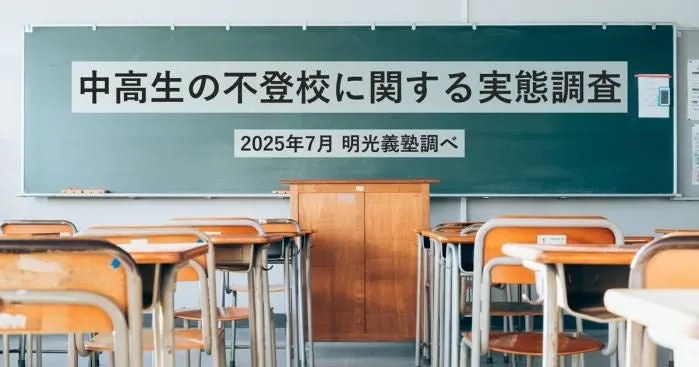
Diverse Educational Paths for Students Facing Attendance Issues: Insights from Meiko Gijuku Survey
Diverse Educational Paths for Students Facing Attendance Issues
In today's educational landscape, the phenomenon of students facing challenges in attending school is increasingly prevalent. A recent survey conducted by Meiko Gijuku, a prominent tutoring organization, sheds light on the academic choices available for junior high and high school students currently experiencing school attendance issues. This investigation involved responses from 400 parents of students in need of alternative learning environments and reveals significant trends in educational paths, including a rise in the popularity of correspondence courses.
Increasing Incidence of Attendance Issues
According to the Japanese Ministry of Education, the number of students who have struggled with attending school is set to hit a record high by 2025. The survey indicates that various factors contribute to these attendance issues, including academic pressures, interpersonal relationships, and health concerns. As schools and local authorities work to create diverse learning environments and improve support systems, many families continue to seek effective solutions tailored to their children's needs.
Key Survey Findings
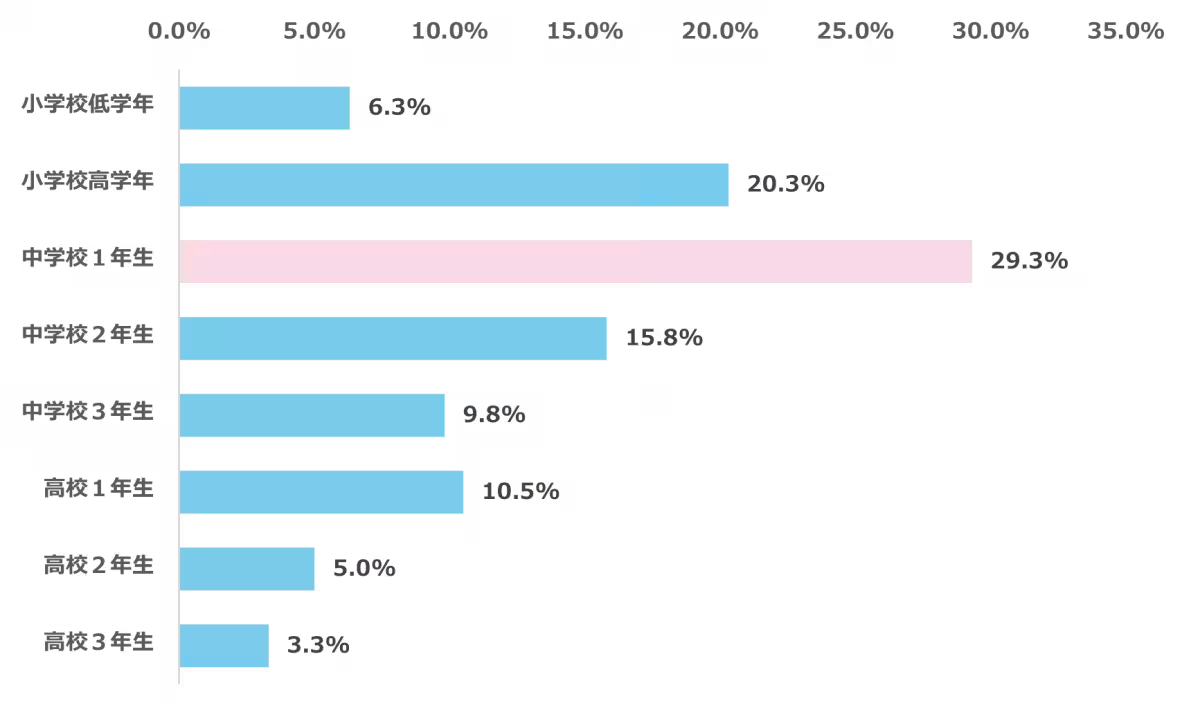
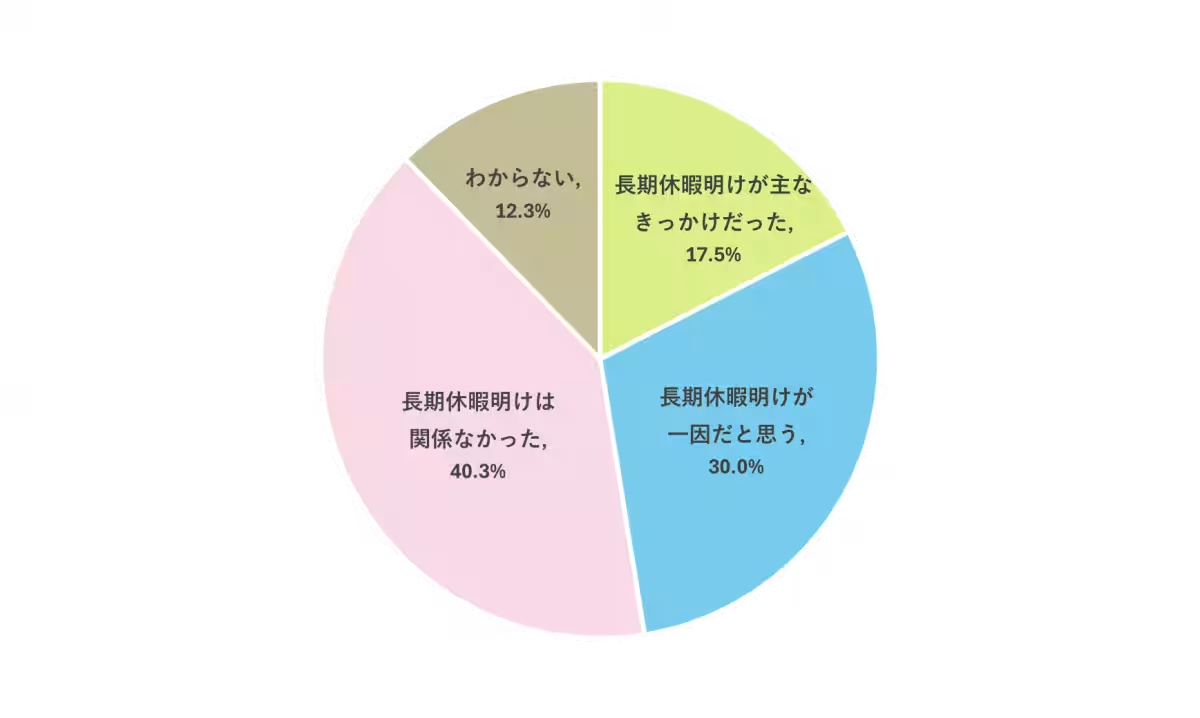
1. Challenges Faced: The survey indicates that many families encounter significant challenges when their children enter junior high school, commonly referred to as the ‘first-year wall,’ where stress about academics and social relationships escalates. In fact, nearly 30% of responses indicated that their children became non-attenders in their first year of junior high school.
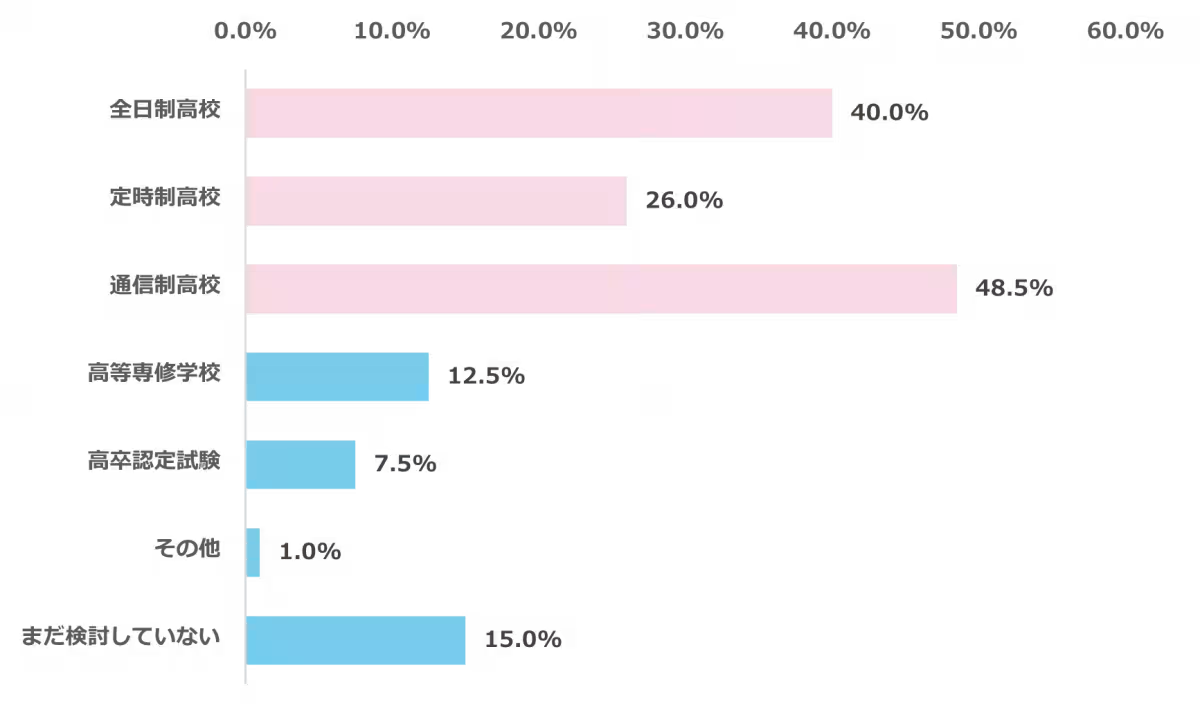
2. Types of Educational Institutions Considered: Among the respondents, 48.5% indicated that they are considering correspondence schools for their children, while 40% are looking at full-time high schools and 26% at part-time high schools. This demonstrates a significant diversification in educational pathways that families are exploring.
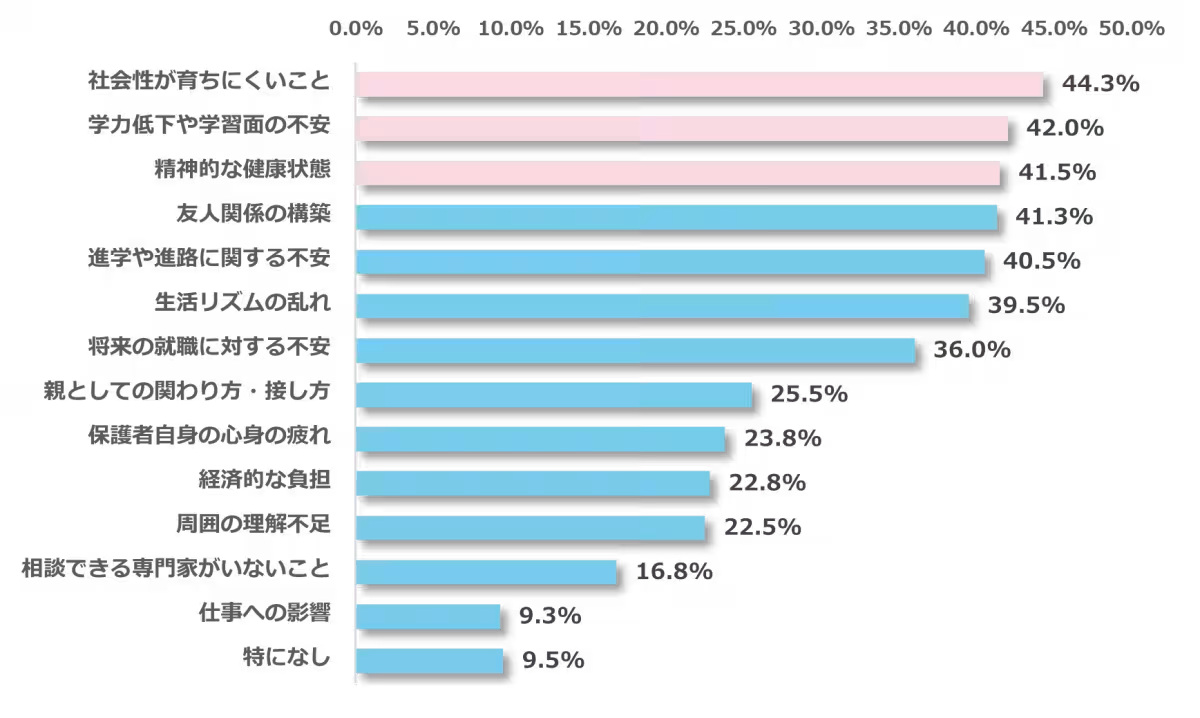
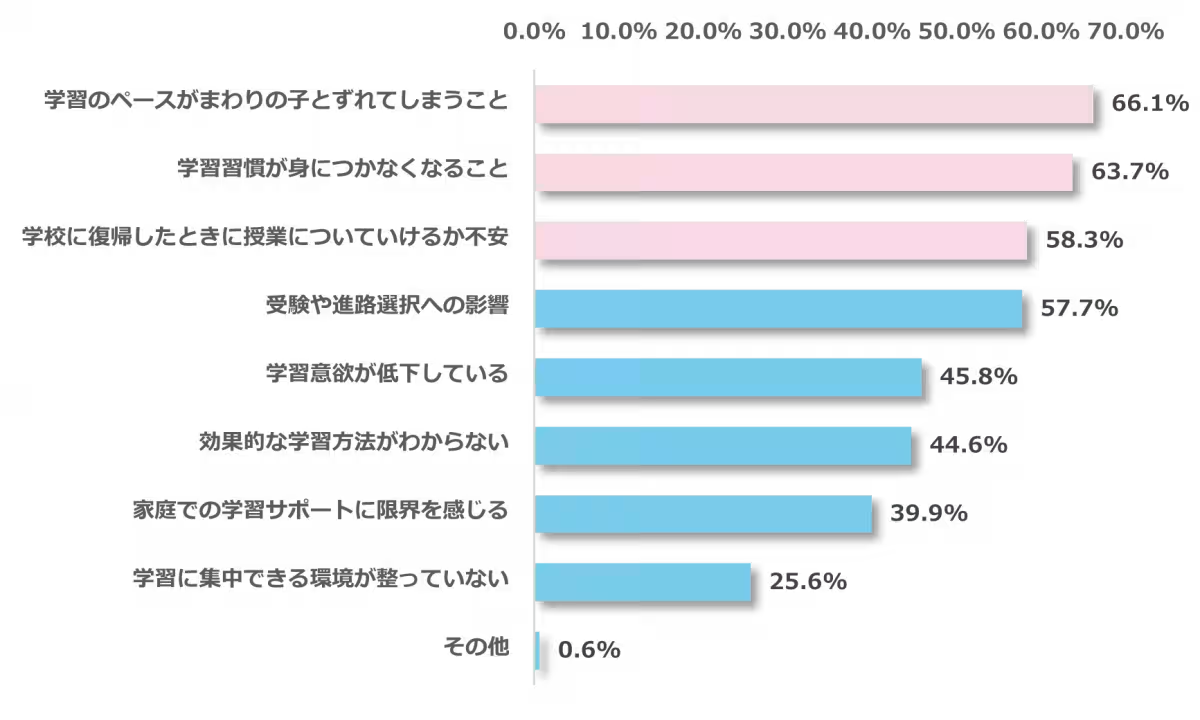
3. Parental Concerns: The primary concerns voiced by parents revolve around the social development of their children, with 44.3% fearing that their child may struggle to develop social skills. Additionally, 66.1% expressed anxiety about their child's learning pace being out of sync with peers, highlighting the importance of individualized attention in education.
Learning Habits Despite Challenges
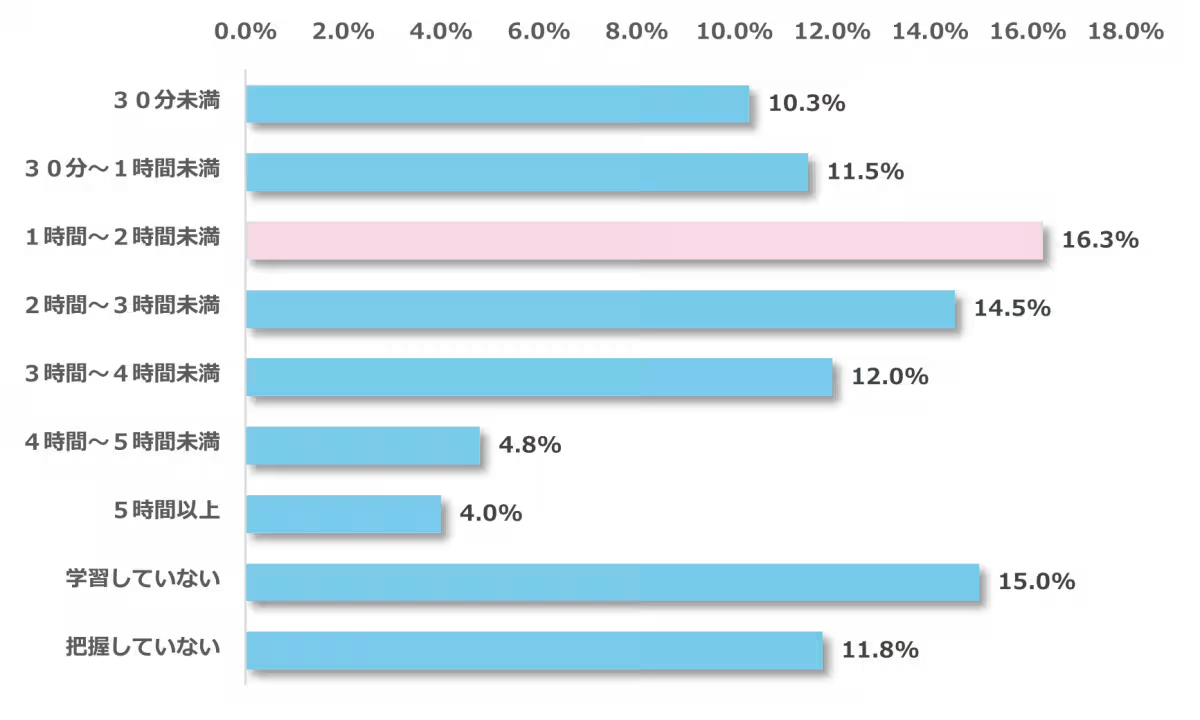
Despite the pressures of being out of school, the survey revealed that some students are managing to maintain study habits, with over 25% logging between two to four hours of study daily. This indicates that while attendance may be an issue, the commitment to learning remains strong for many children. However, it's important to acknowledge that a segment of students are also completely disengaged from educational activities.
Support and Resources
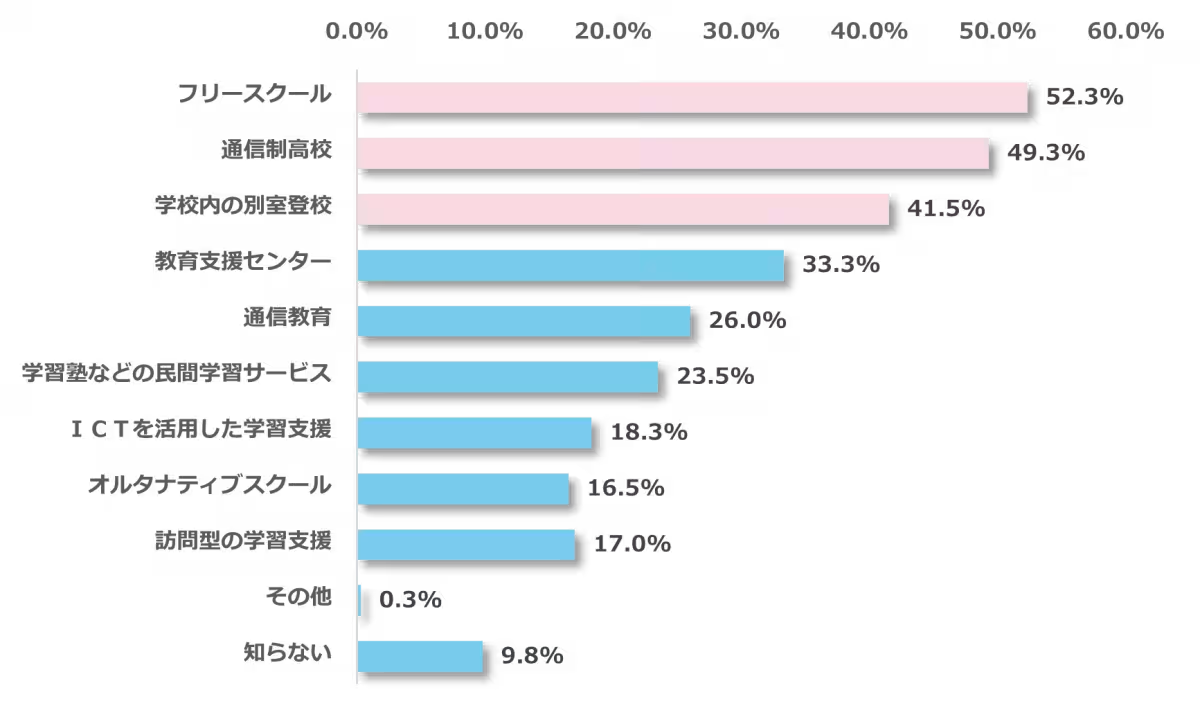
The survey also highlights a significant awareness of educational options among parents. Free schools were recognized by 52.3% of respondents as a supportive alternative for non-attending students, followed closely by correspondence schools, indicating a growing recognition of diverse educational pathways available to struggling learners.
In light of these findings, educational providers are encouraged to continue enhancing their support systems and resources. Providing relevant information about alternatives and creating a network of assistance can help alleviate the concerns parents feel regarding their children's education.
Conclusion
This survey underscores the importance of understanding and addressing the unique needs of students facing attendance issues. The willingness of parents to pursue diverse educational paths reflects a proactive approach to ensuring that their children can continue their education in a manner that suits their individual circumstances. As the landscape of education evolves, ongoing dialogues between educational institutions and families will be crucial in creating supportive environments that foster learning and growth.
In the pursuit of creating a

Topics Other)
【About Using Articles】
You can freely use the title and article content by linking to the page where the article is posted.
※ Images cannot be used.
【About Links】
Links are free to use.