



Rising Temperatures: Insights into Public Perception on Extreme Heat Preparedness
Understanding Public Sentiment on Extreme Heat
A recent survey conducted by FWD Life Insurance Company, based in Tokyo, addressed the rising concerns related to extreme heat among the Japanese public. The survey gathered responses from 1,000 individuals aged 20 to 59 and revealed a stark contrast between awareness and proactive measures regarding the heat.
Summary of Findings
Anxiety over Extreme Heat Yet Low Preparedness
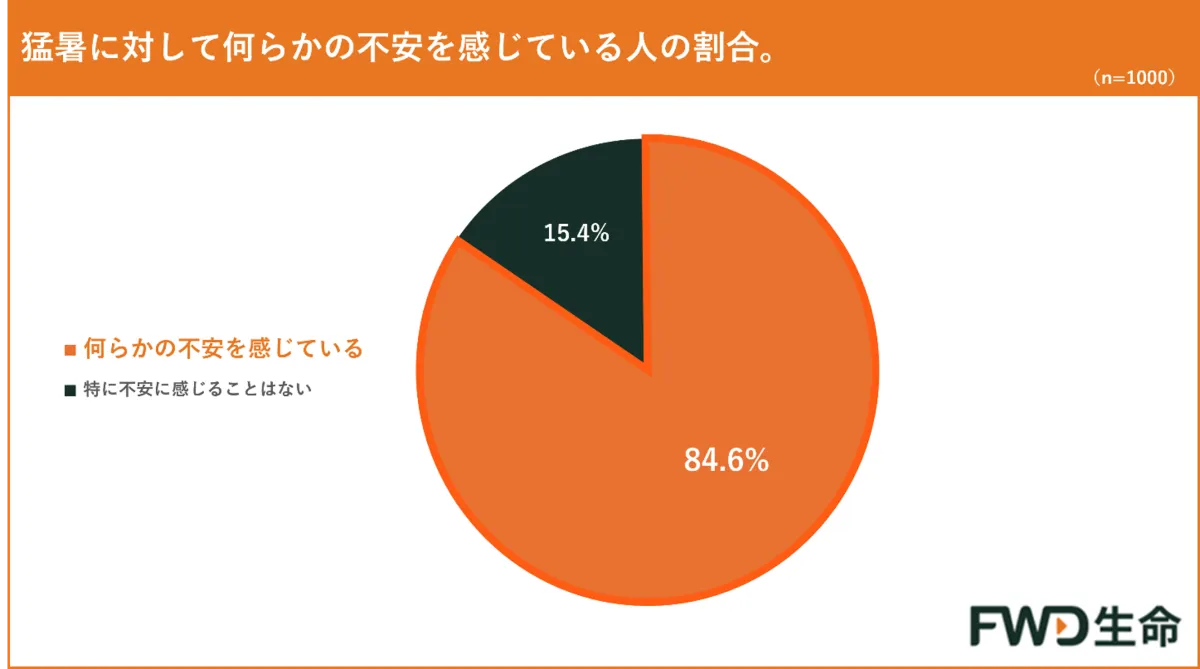
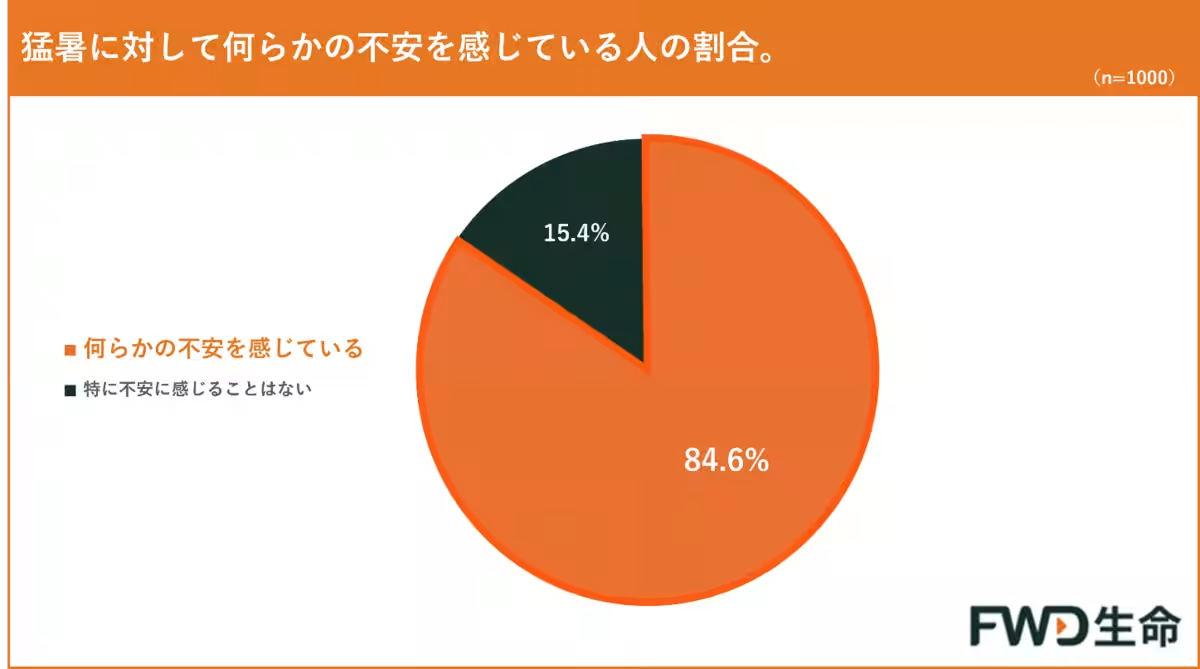
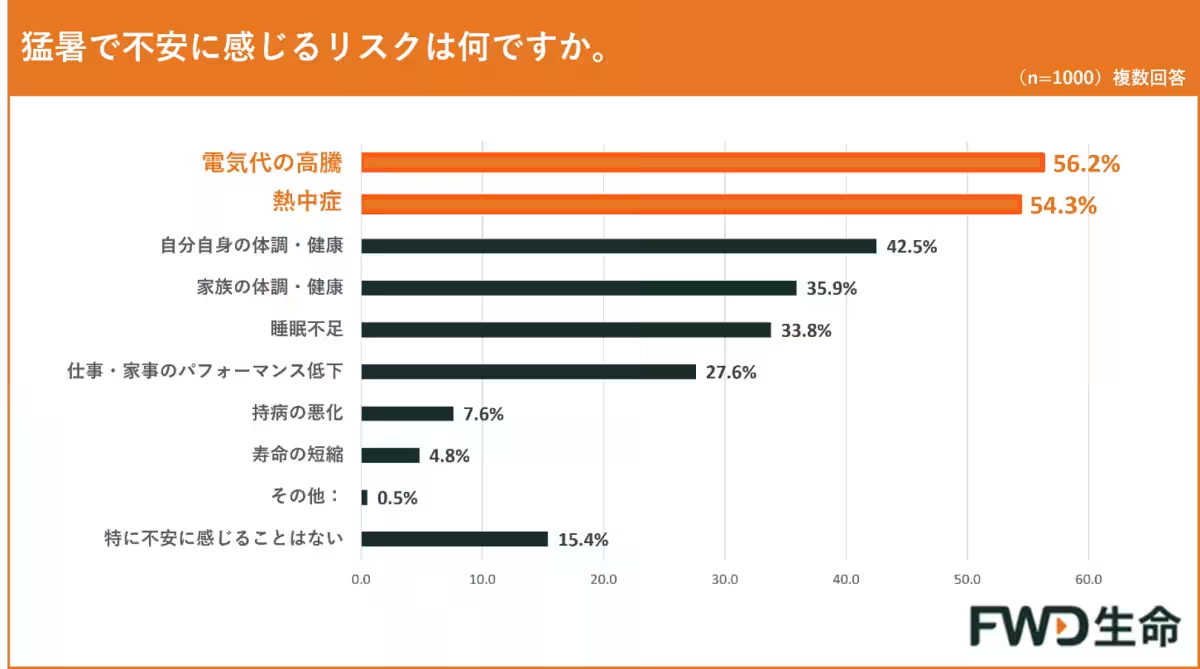
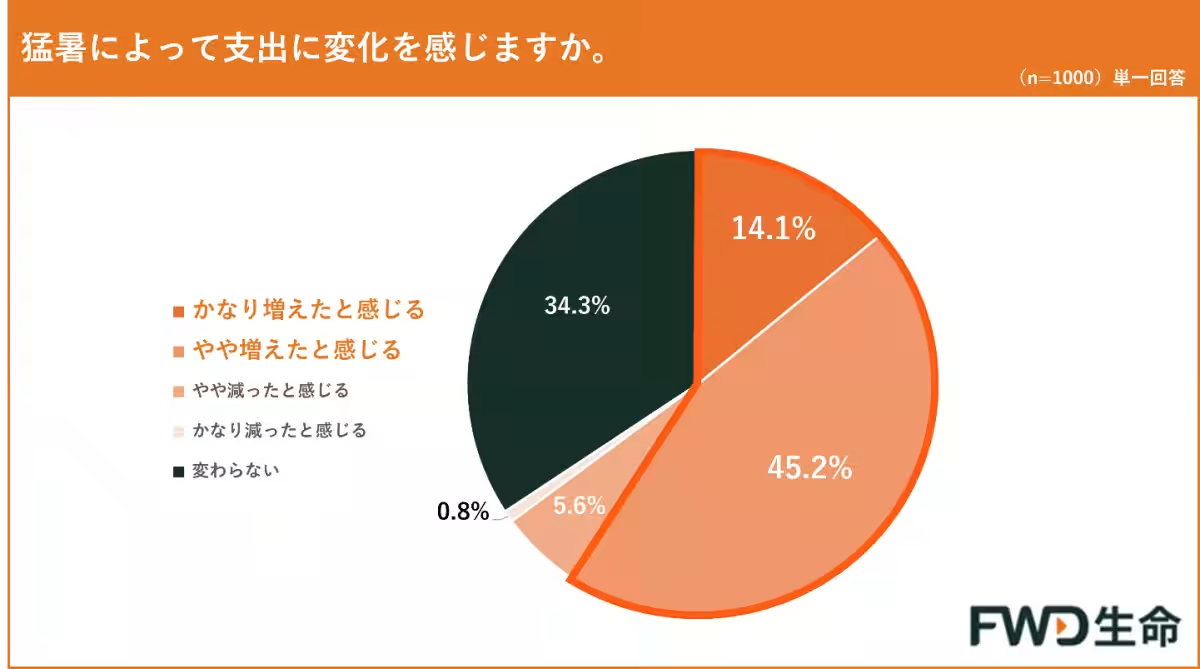
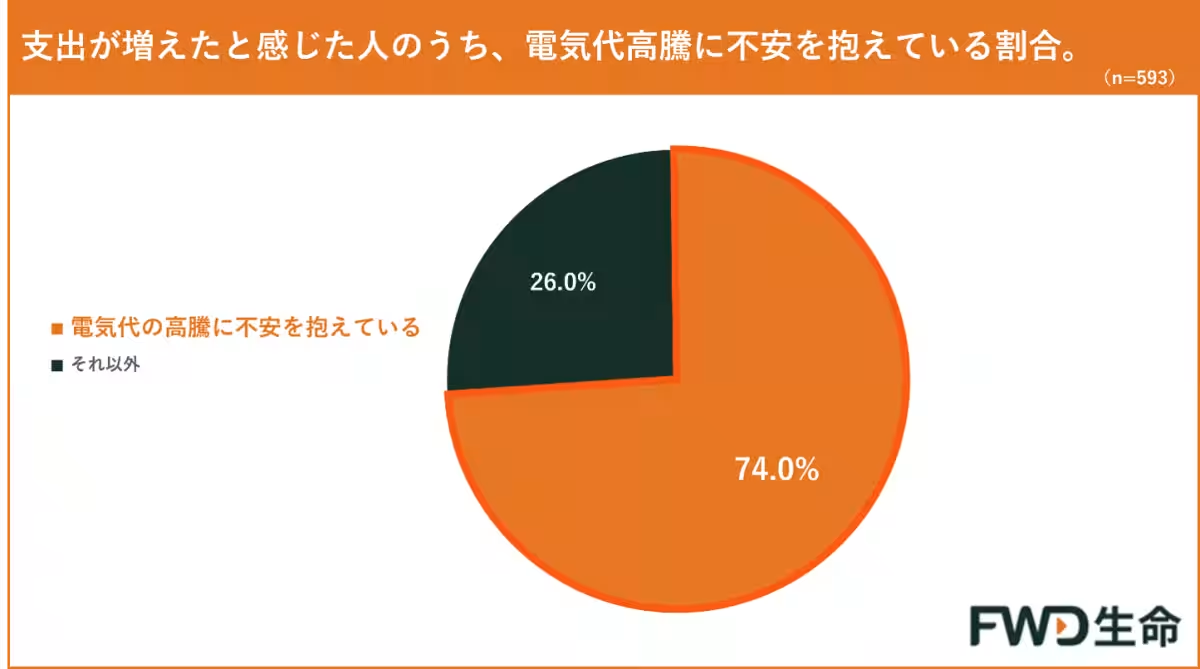
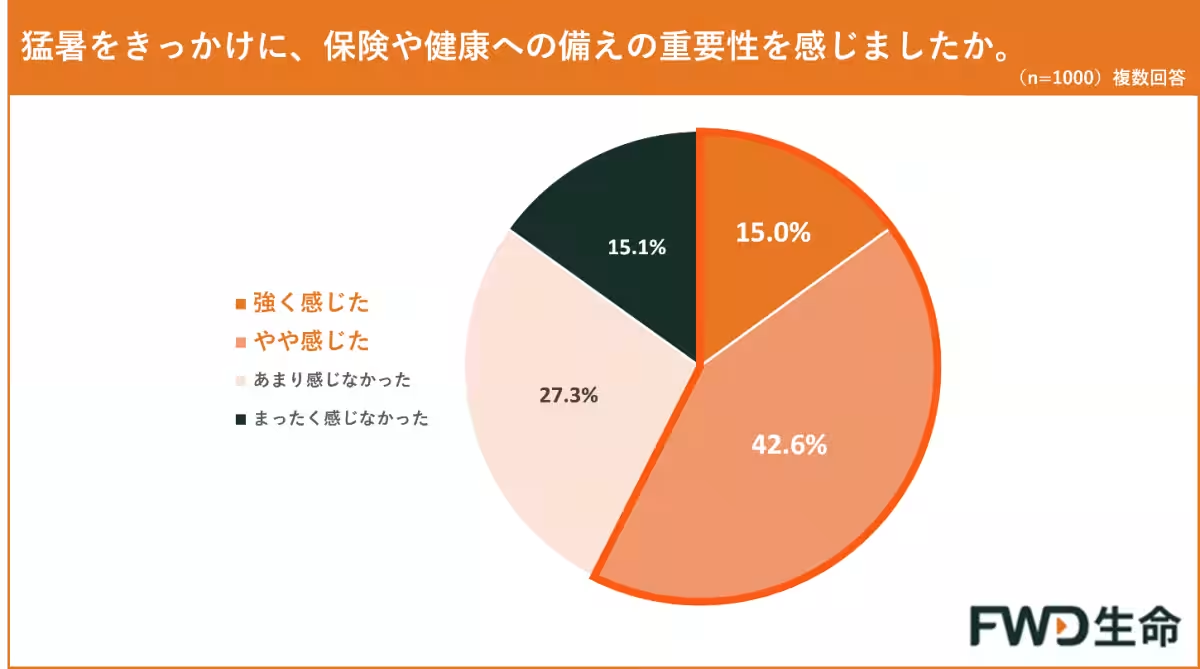
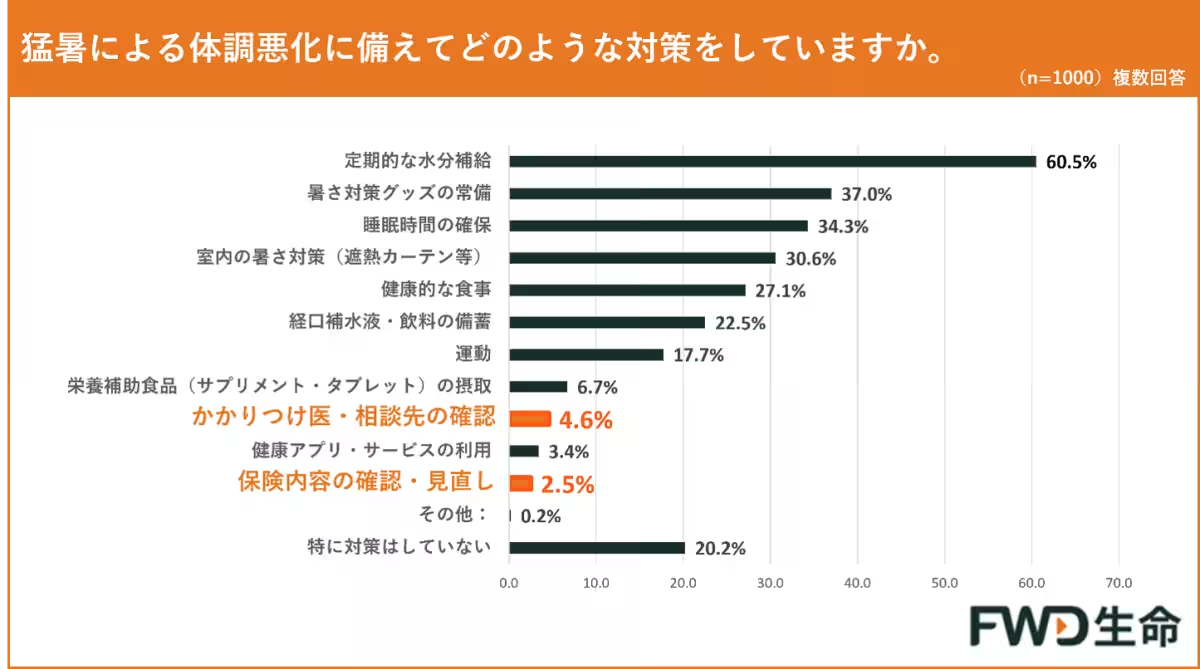
A significant 84.6% of respondents expressed concerns about extreme heat, specifically citing increased electricity bills (56.2%) and the risk of heatstroke (54.3%). Interestingly, nearly 60% of participants noted higher living expenses due to the heat, and about 57.6% acknowledged the importance of being prepared for health and insurance needs. However, when it came to actual preparations, only 4.6% confirmed they had checked in with their family doctors, and merely 2.5% had reviewed their insurance plans. This discrepancy highlights a concerning gap between awareness and action, prompting questions about societal readiness for a future characterized by extreme temperatures.
Work Environment During Extreme Heat
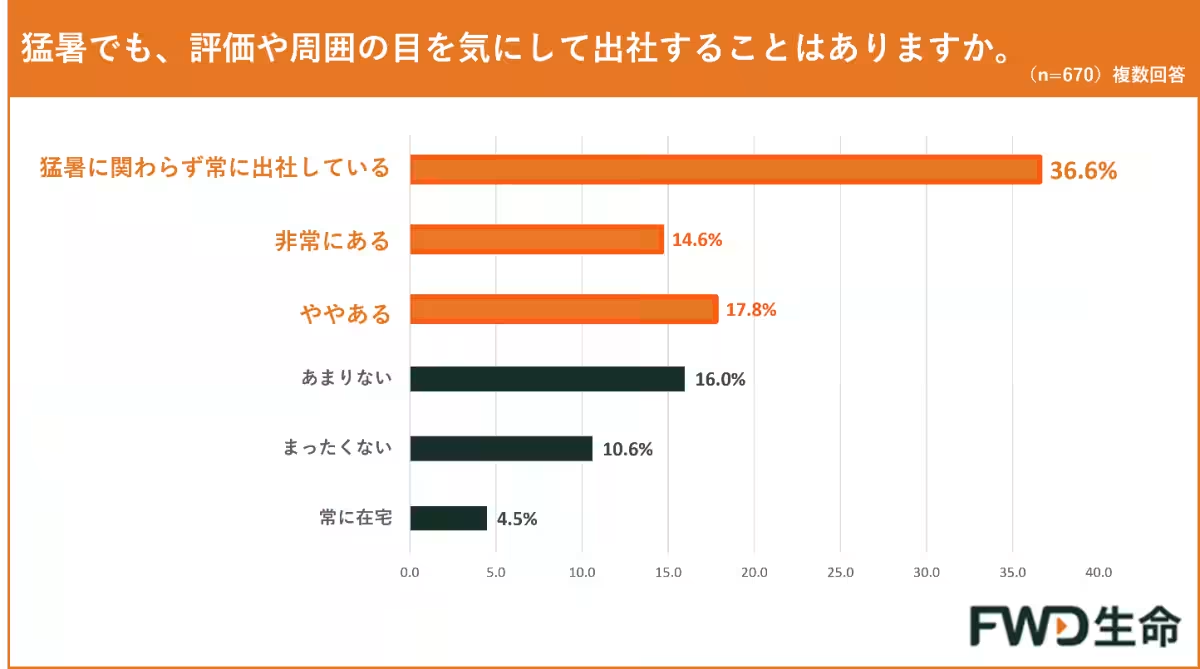
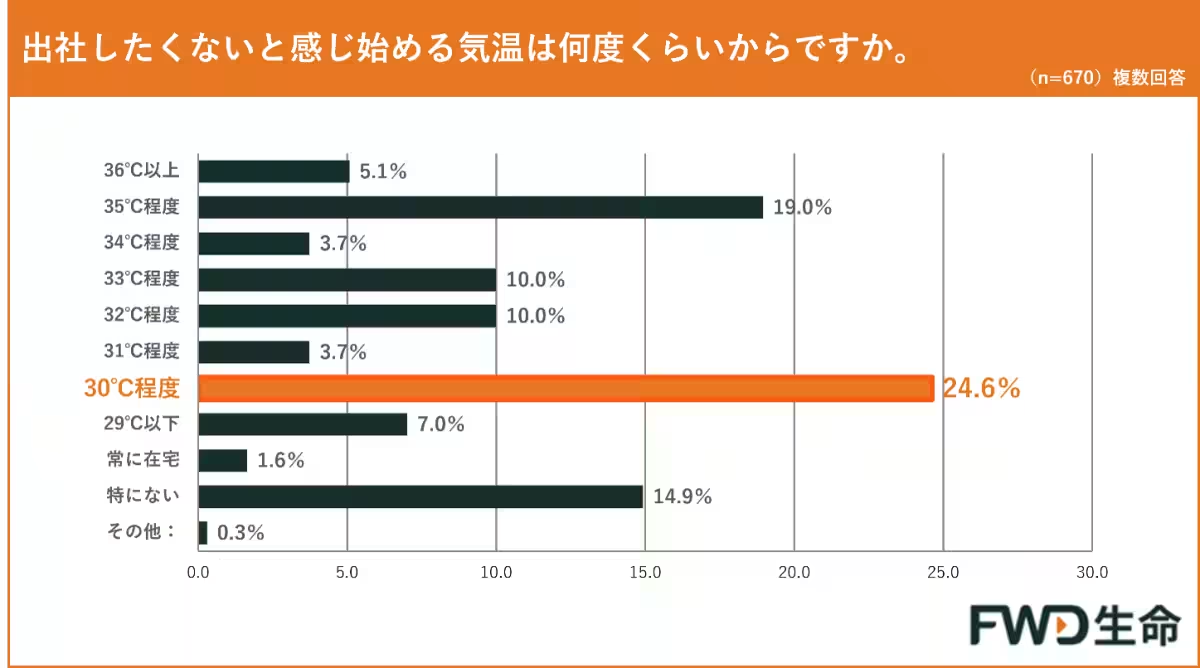
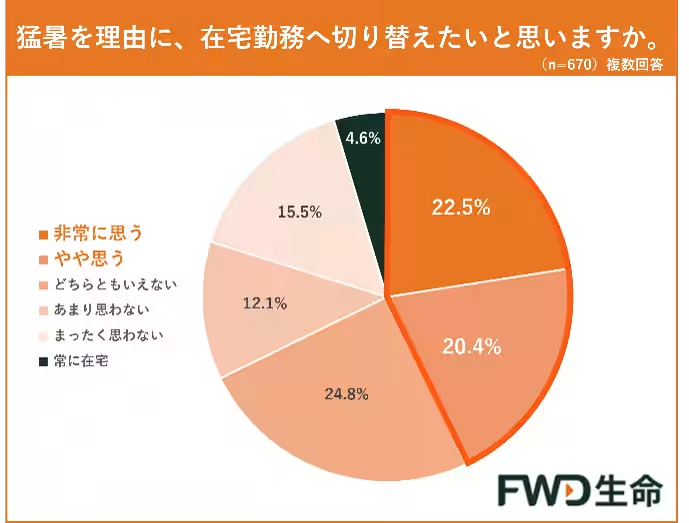
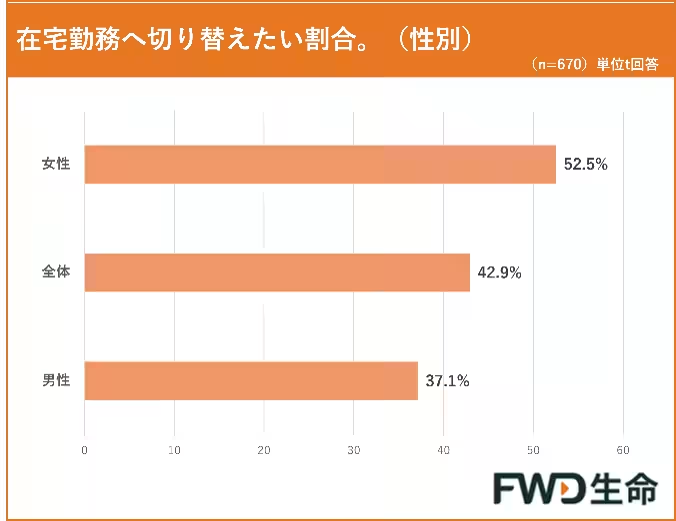
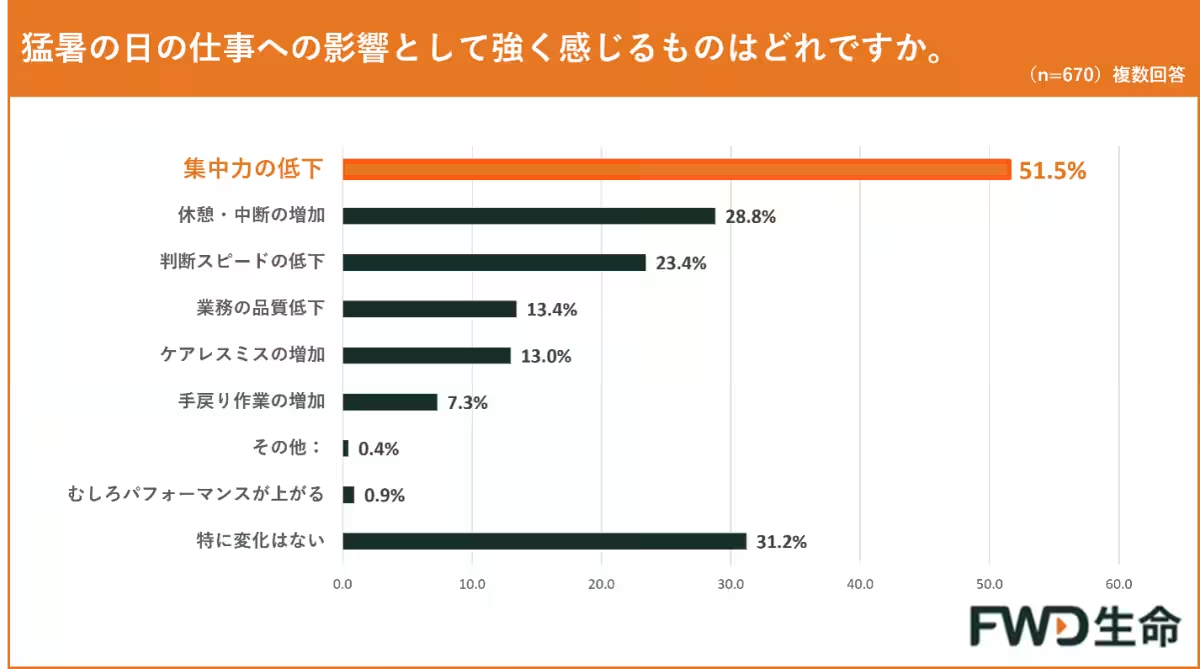
The survey also touched upon the impact of extreme temperatures on work life. Almost 69% of individuals reported feeling pressured to commute to work during extreme heat, with most feeling that their threshold for discomfort began at around 30 degrees Celsius (24.6%). Notably, over 42% expressed a desire to switch to remote work during these conditions, indicating the growing need for employers to address the implications of high temperatures. Furthermore, 51.5% noted a decrease in concentration levels during extreme heat, along with increased interruptions (28.8%) and reduced decision-making speed (23.4%). This suggests immediate action is required to adapt workplace practices to ensure productivity and employee health.
Societal Adaptations Needed
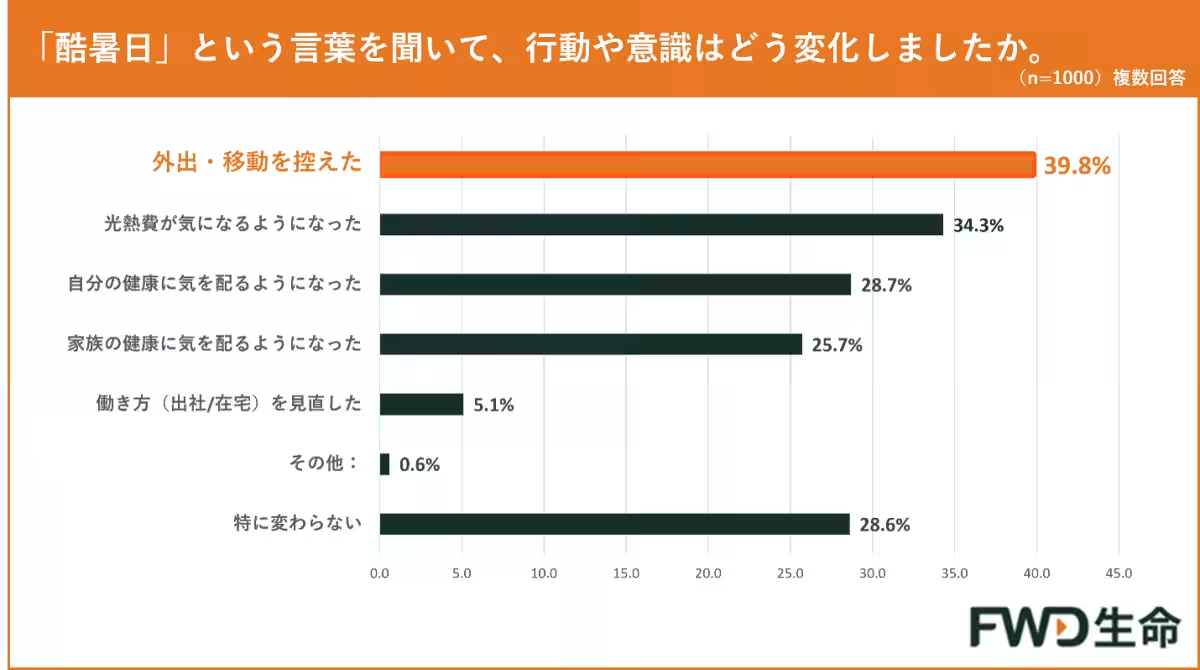
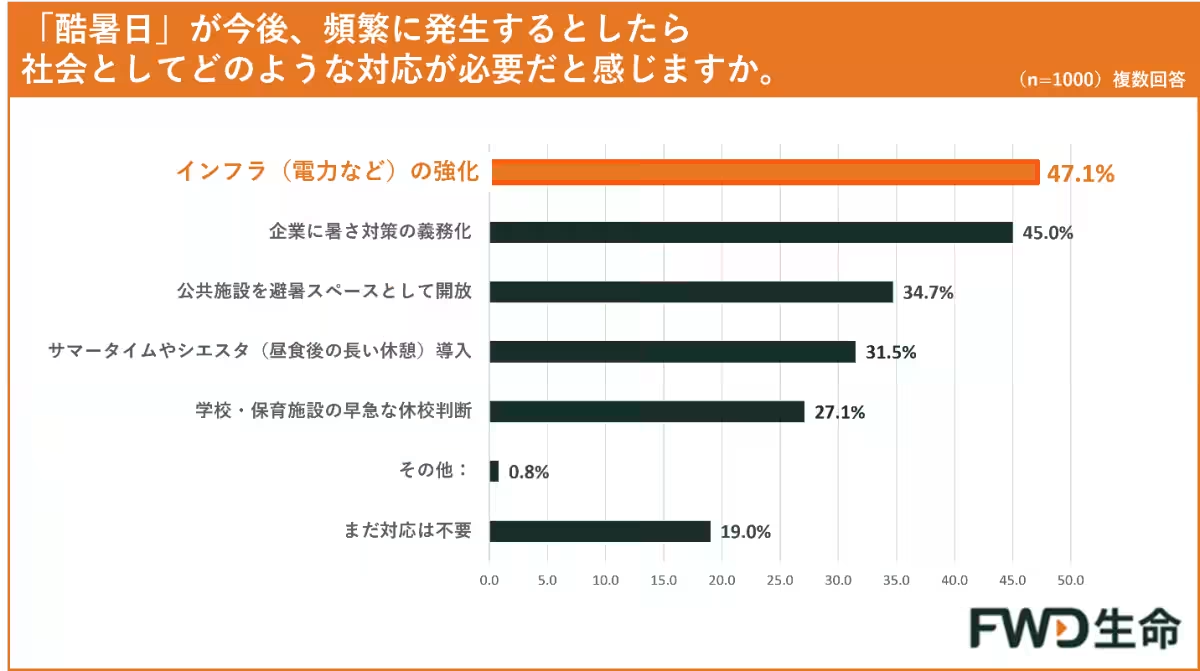
Respondents also indicated a growing desire for societal changes to manage extreme heat better. Nearly 40% chose to limit their outings on extreme heat days, with 34.3% becoming more mindful of utility costs. Many voiced the need for improved infrastructure (47.1%), the adoption of siesta practices (31.5%), and clearer guidelines for school closures during heat waves (27.1%). These findings illustrate a collective yearning for systemic changes that reflect the reality of living in an era where extreme heat events are becoming more prevalent.
Survey Methodology
The research involved an online survey conducted from June 15 to 16, 2026, targeting a balanced demographic of 1,000 men and women across Japan. The results highlight significant shifts in lifestyle and awareness concerning the effects of climate change on daily life.
Conclusion
The dramatic increase in extreme temperature days is reshaping public perception and behaviors regarding heat preparedness, suggesting a crucial need for both individual and societal adaptation. FWD Life Insurance recognizes these changes and is committed to supporting clients in managing health and lifestyle risks associated with extreme weather. With initiatives such as distributing heat safety kits and ensuring employee health during heat waves, FWD Life is positioning itself as a forward-thinking entity in a rapidly changing climate landscape.
For more details about FWD Life Insurance and their offerings, you can visit their website at www.fwdlife.co.jp.
Topics Consumer Products & Retail)


【About Using Articles】
You can freely use the title and article content by linking to the page where the article is posted.
※ Images cannot be used.
【About Links】
Links are free to use.