



Recent Study Reveals the Impact of Reservation Cancellations on Dining Businesses
Recent Study Reveals the Impact of Reservation Cancellations on Dining Businesses
A recent survey conducted by Synchro Food, which operates the comprehensive support platform "Restaurant.com," has unveiled troubling statistics affecting the dining industry. Focused on the experiences of restaurant owners, the findings underscore the significant financial pressures stemming from cancellation fees and the frequency of no-shows.
Survey Overview
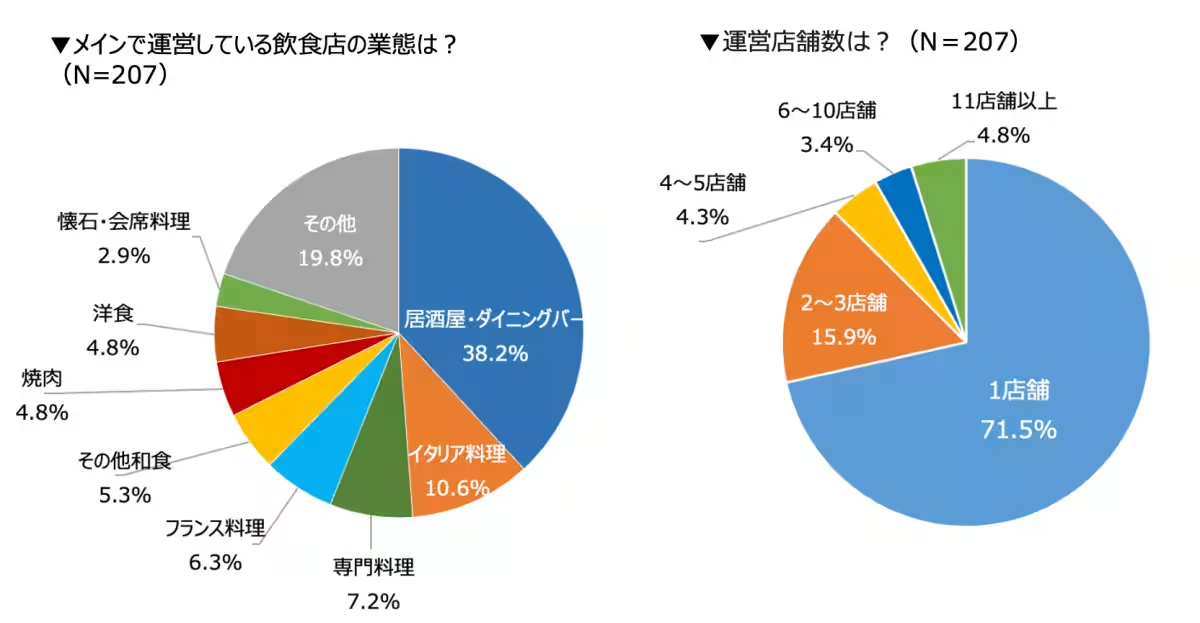
The survey included responses from 207 members of Restaurant.com, targeting restaurant owners and operators, and was conducted from April 15 to April 21, 2026. A significant 71.5% of respondents operate a single restaurant, with the majority located in Tokyo, suggesting the results reflect trends primarily affecting urban dining operations where reservations play a crucial role.
Key Findings
A High Rate of Cancellations
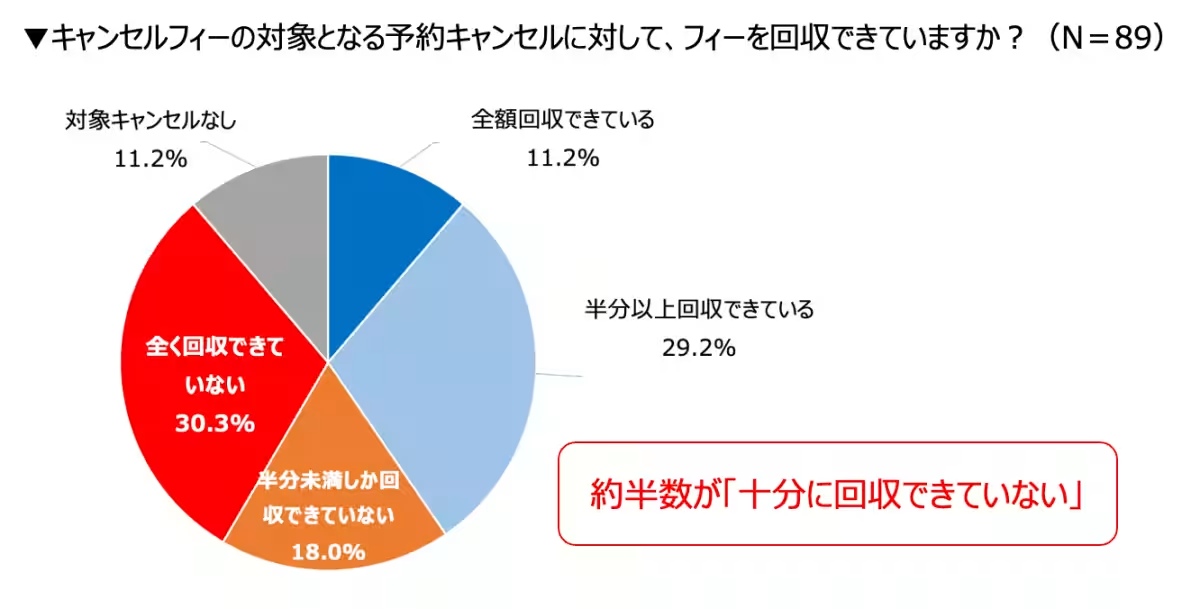
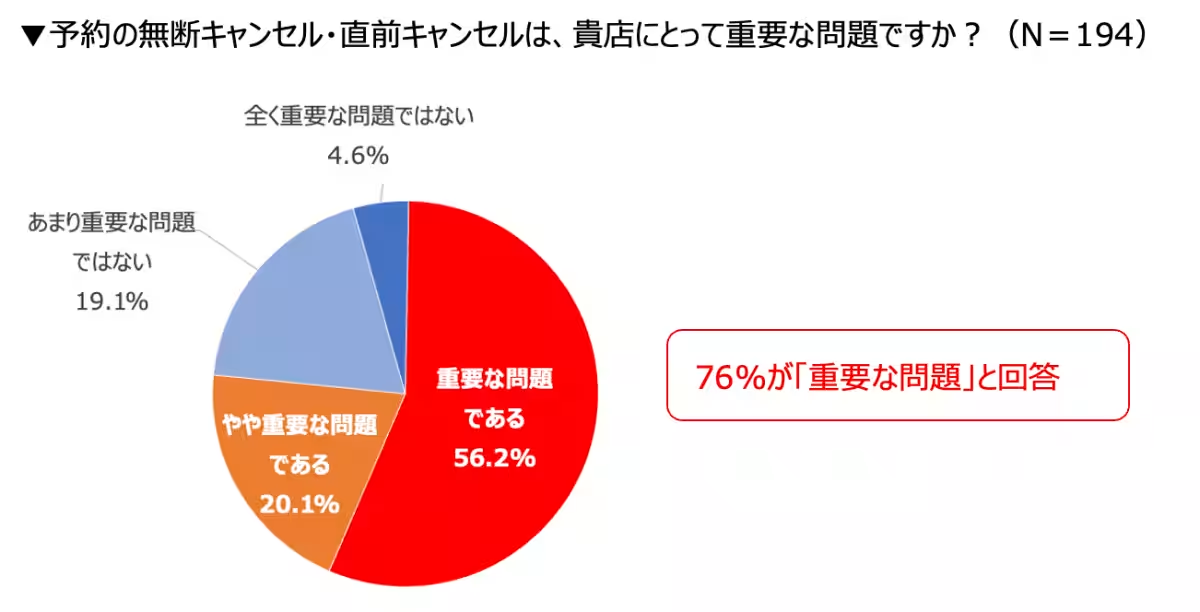
The survey revealed that restaurants experience an average of about 10.5 cancellations and around 80,000 yen in losses, with some businesses reporting as many as 60 canceled reservations at once, leading to maximum losses of 800,000 yen. Alarmingly, nearly half of all restaurant owners indicated they were unable to fully recover their cancellation fees, emphasizing the financial toll of last-minute and no-show reservations, which 76% recognized as a significant issue.
The Importance of Reservations
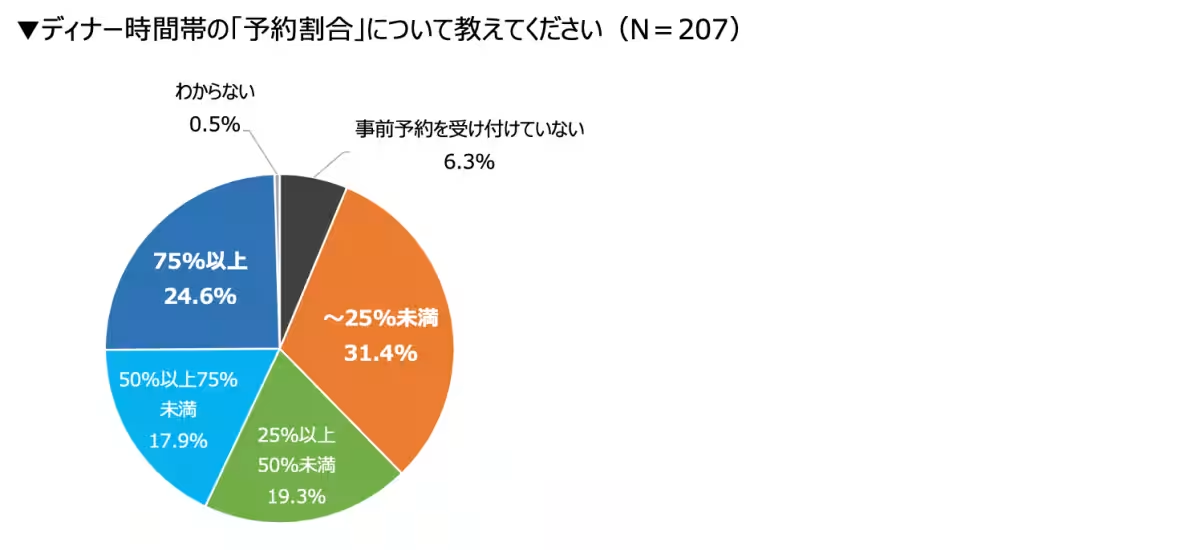
When asked about the percentage of dinner revenue derived from reservations, over 40% of restaurants indicated that more than half of their dinner income comes from reserved tables, making effective reservation management critical. Only a small fraction of 6.3% of restaurants reported not accepting reservations, underscoring the necessity of leveraging booking systems in the industry.
Insufficient Preventive Measures
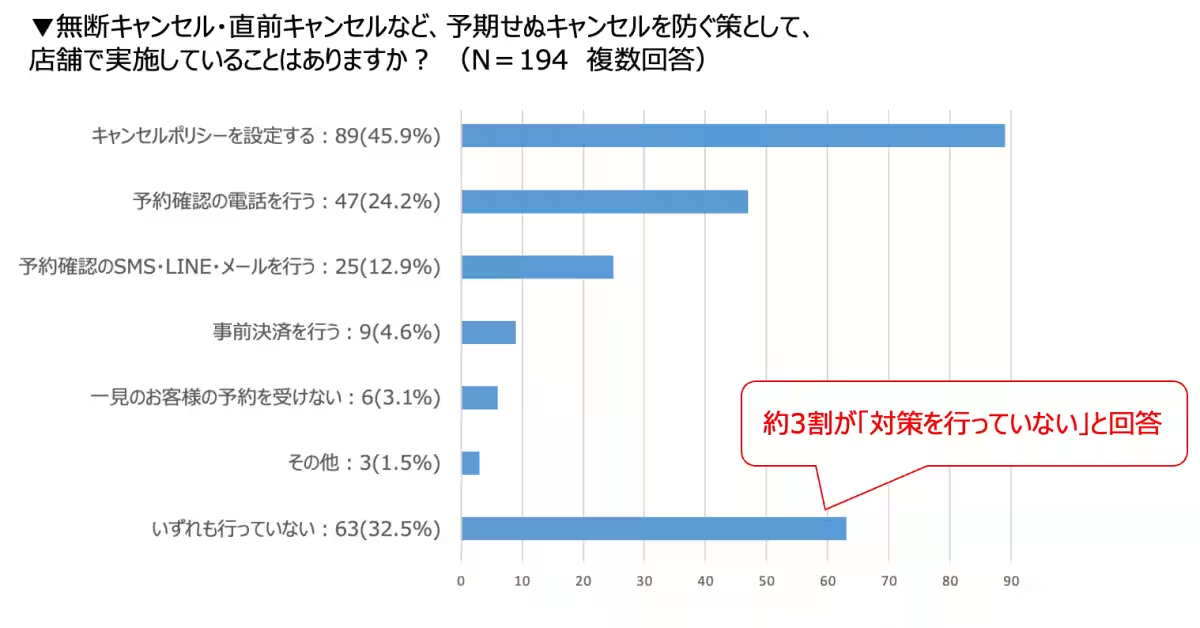
Despite recognizing the magnitude of the problem, approximately 30% of respondents admitted they had no preventive measures in place for unexpected cancellations. The most common strategy employed was setting a cancellation policy (45.9%), followed by confirmation calls (24.2%) and sending SMS/email confirmations (12.9%). However, a staggering 32.5% of restaurants reported they do not implement any countermeasures against cancellations.
Frequent Cancellation Issues
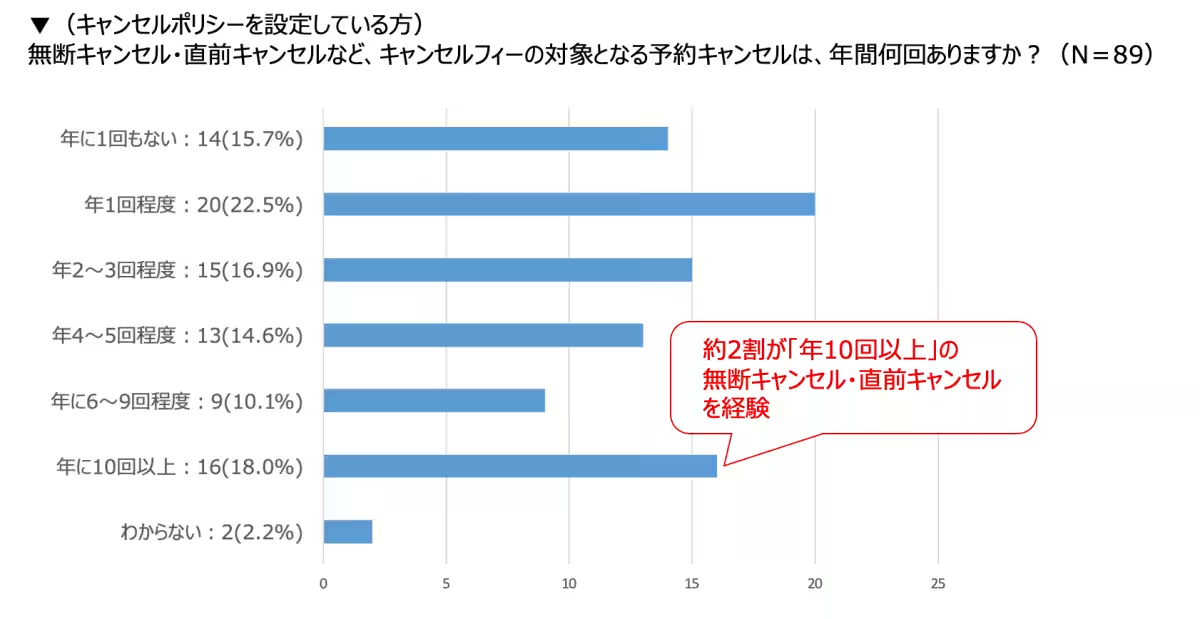
More than a fifth of the respondents faced annual cancellations exceeding ten times, with various restaurants experiencing repeated losses throughout the year. The ongoing challenge posed by cancellations suggests that many establishments are susceptible to substantial financial damage due to customer unpredictability.
Efforts to Recover Fees
Respondents provided insights into their approaches to dealing with cancellation fees. Common strategies included contacting customers via phone or email to request payment, with some restaurants even resorting to legal channels when needed. Instances of being ignored or facing refusals were also highlighted, illustrating the frustrating dynamics of enforcing cancellation policies.
Customer Conflicts
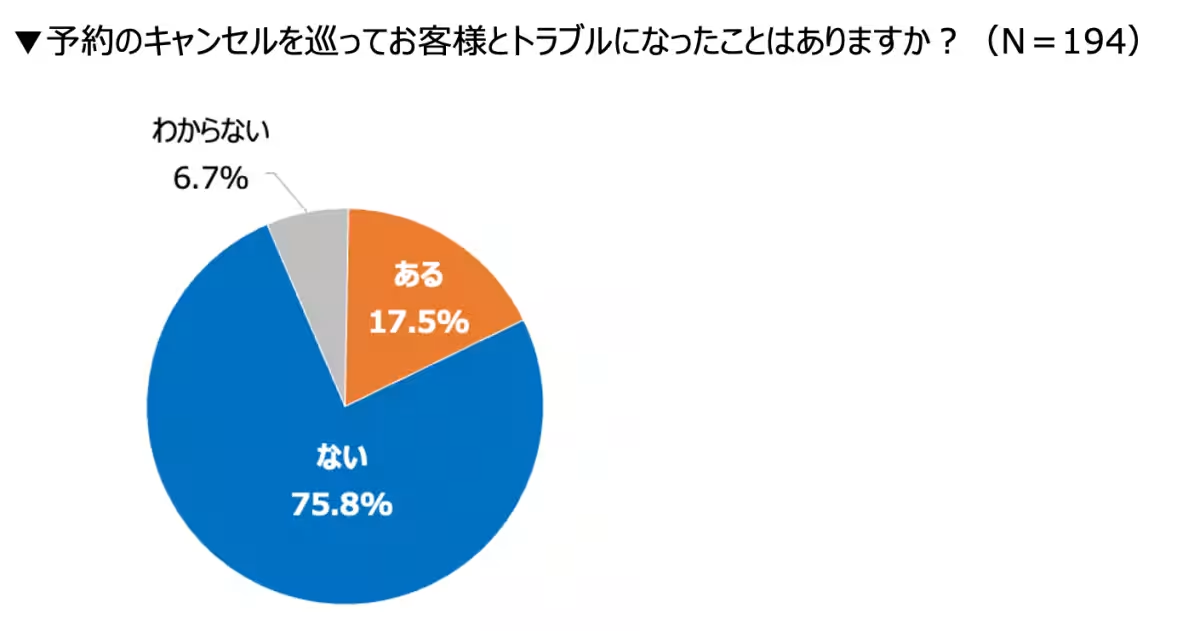
Further complicating matters, around 17.5% of respondents reported having faced conflicts with customers relating to cancellations, often stemming from misunderstandings regarding cancellation policies or disputes over the notification of cancellations by customers. Such conflicts were typically characterized by aggressive behaviors from customers and often left restaurant owners navigating difficult conversations over policy terms.
Conclusion
Overall, the findings from Synchro Food's survey shed light on the stark realities of managing a dining establishment today. The prevalence of reservation cancellations and no-shows has become a major concern, fundamentally impacting the financial stability of restaurants. It lies upon restaurant owners to innovate their approaches to handling reservations and implementing robust policies that can mitigate the negative effects of last-minute cancellations. As the dining landscape continues to evolve, restaurants must adapt or risk facing increased operational challenges.

Topics Consumer Products & Retail)
【About Using Articles】
You can freely use the title and article content by linking to the page where the article is posted.
※ Images cannot be used.
【About Links】
Links are free to use.