



Karatsu Farm & Food Aims for Nature Positive Goals by 2030 with New Initiatives
Karatsu Farm & Food's Vision for a Nature Positive Future
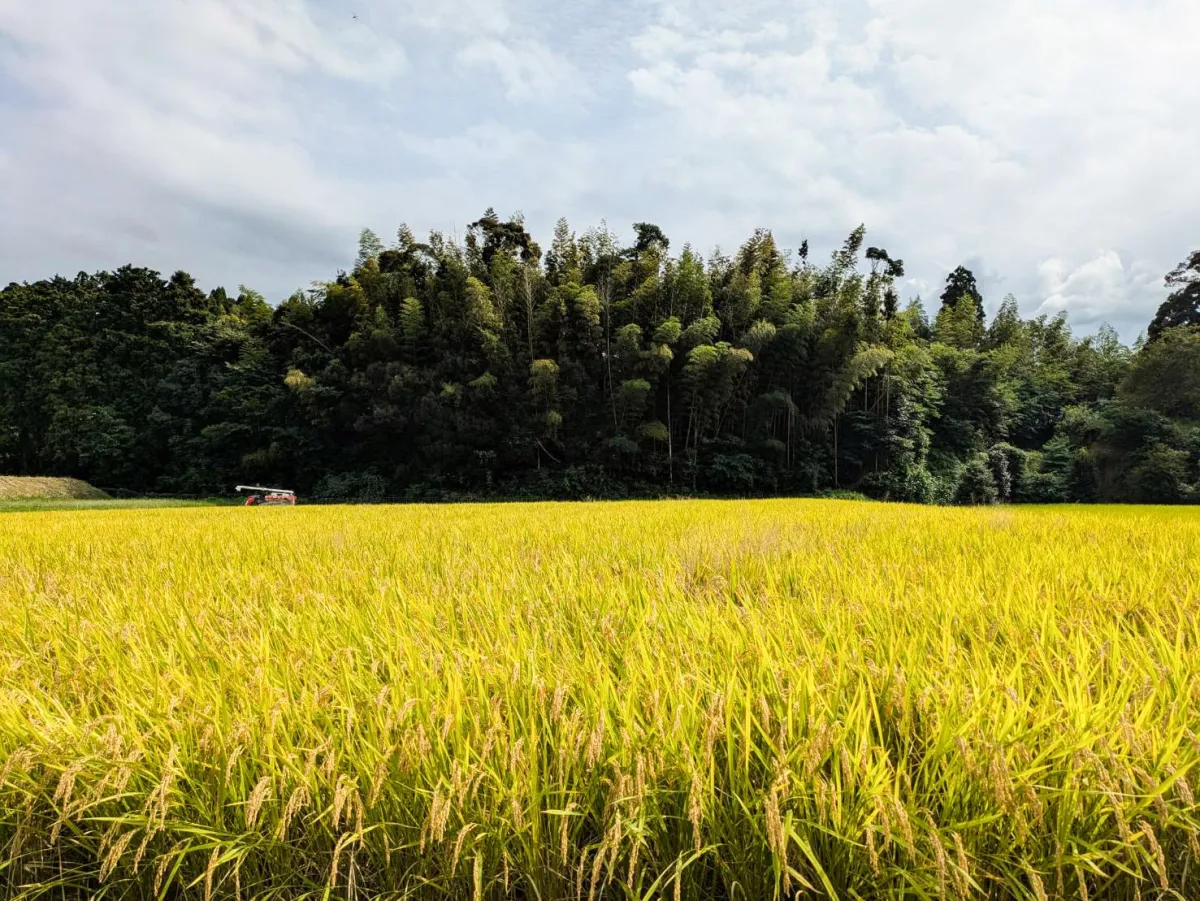
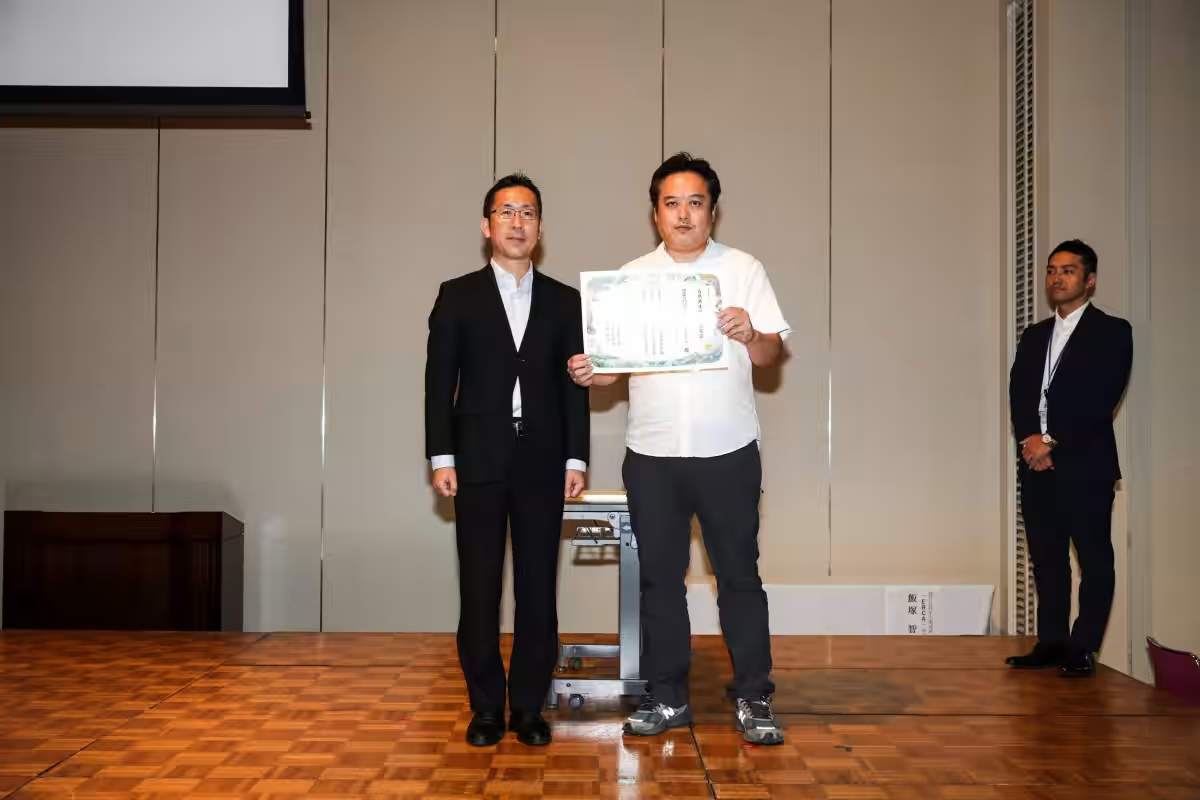
On September 30, 2025, at the Sabo Hall in Tokyo, Karatsu Farm & Food, a non-profit organization based in Karatsu City, Saga Prefecture, participated in the Nature Symbiosis Site Certification Ceremony. This event marks a significant step toward promoting biodiversity conservation and community circulation, with the scenic rural landscape of Yokomakuri in Aichi Town serving as the core area for these initiatives. Karatsu Farm & Food is committed to spreading these activities both nationally and internationally.
Advancements in Legislative Framework
With the new law taking effect in April 2025, there has been a substantial push for the acceleration of biodiversity conservation activities. This law allows for the recognition of activity plans by the chief minister and streamlines related procedures. The adoption of regulatory exceptions is now more feasible, equipping local efforts with the tools necessary for swift and effective execution. Karatsu Farm & Food is utilizing this new framework to connect the region’s natural beauty and quality of life to future endeavors.
Expanding Local Initiatives
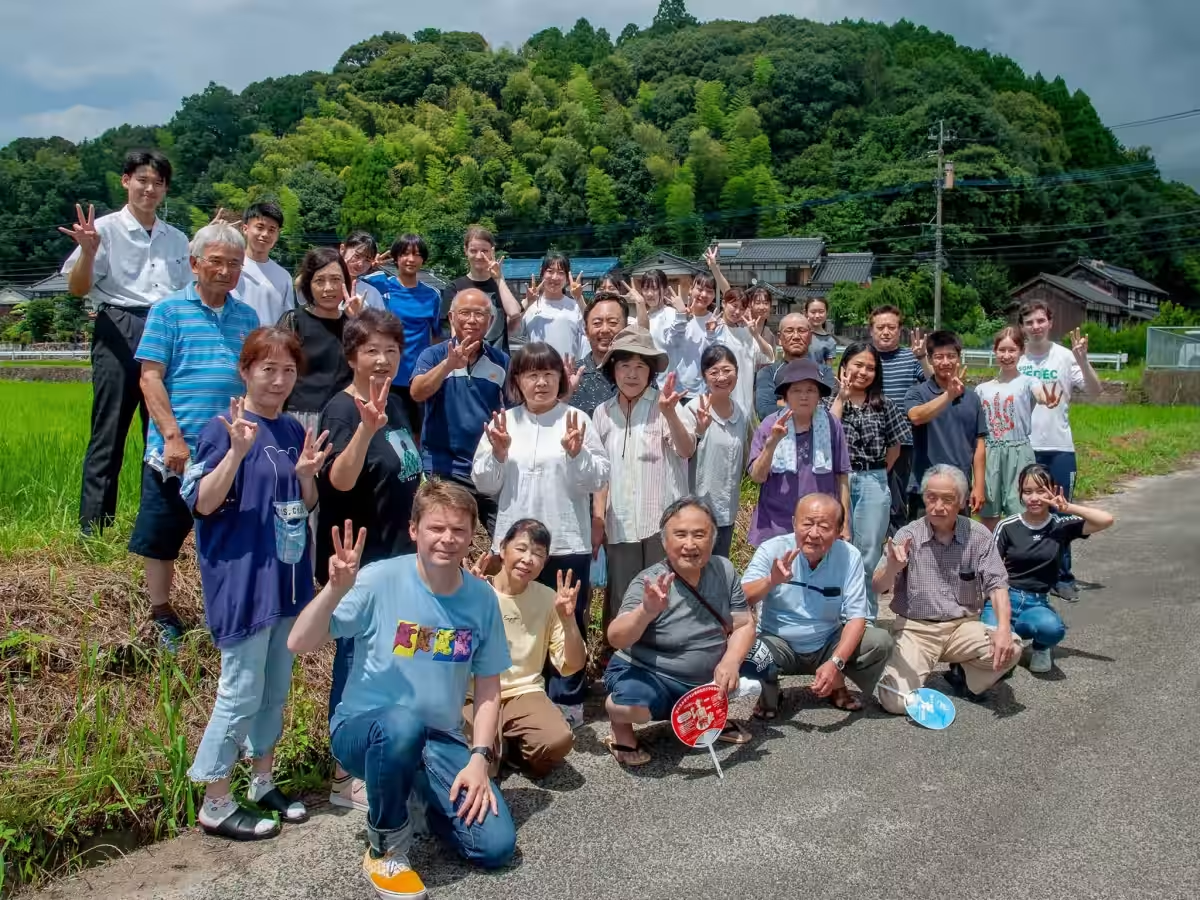
At the heart of Karatsu's community development is the collaboration with Aichi Town based around the Yokomakuri area, which aims to foster a mutual education cycle through the production of Nature Symbiosis Rice. This initiative promotes local involvement in environmental education while contributing to biodiversity enhancement.
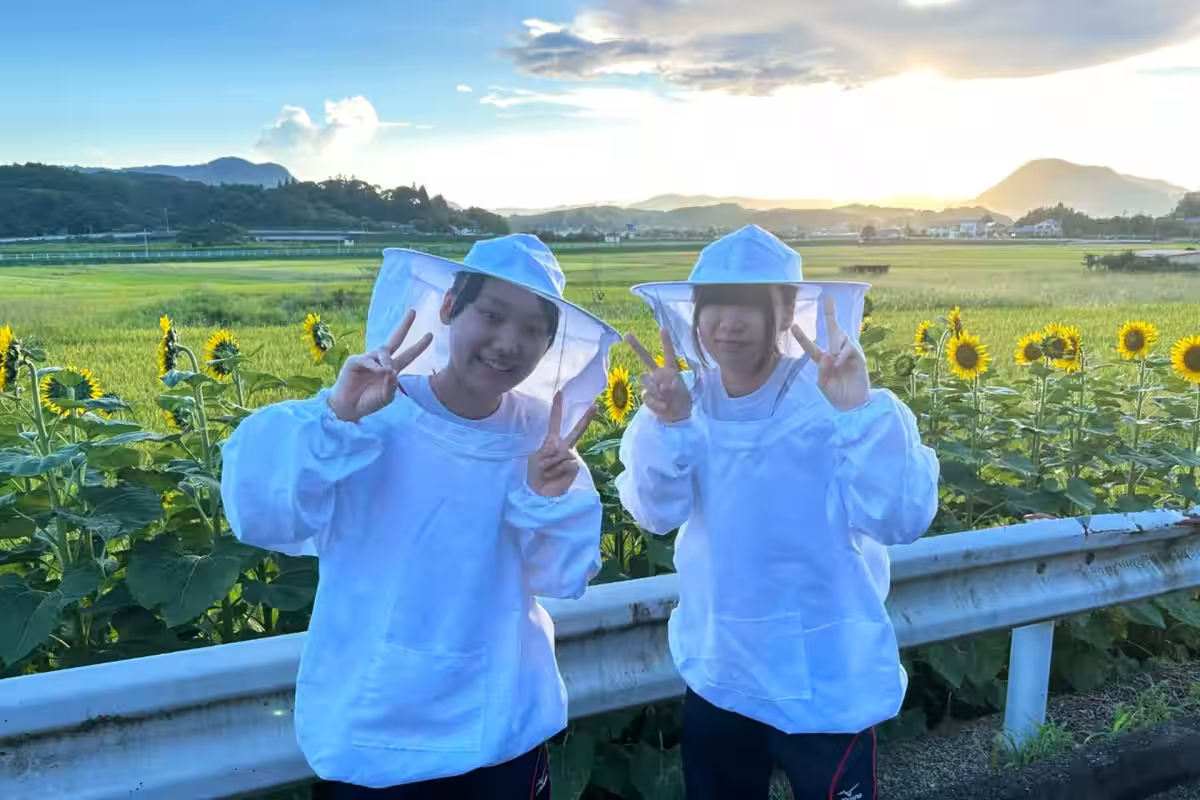
The Karatsu Bee Project, one of the featured initiatives, has gained national attention, having been registered as the first project from Karatsu in the GREEN×EXPO 2027 collaboration program. This project integrates workshops, observational studies, and upcycling craftsmanship, aimed at nurturing the next generation of talent while enhancing regional value.
Agricultural Practices That Foster Sustainability
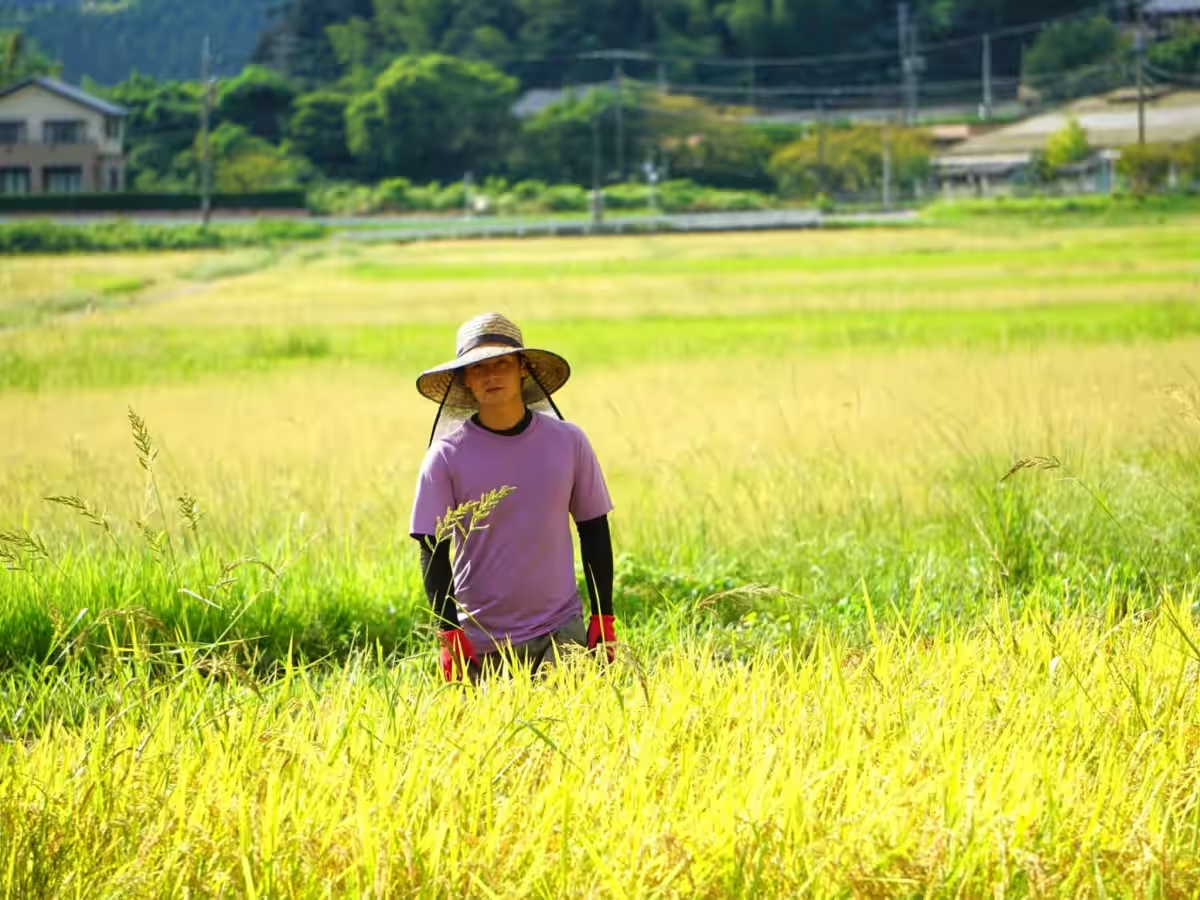
In the Yokomakuri area — recently recognized as the first Nature Symbiosis Site in Saga Prefecture — efforts are underway to revitalize 5.8 hectares of abandoned rice paddies. Local residents are engaged in the production of Nature Symbiosis Rice, which thrives in a system where rice, waterways, and forests coexist. This holistic approach leads to the cultivation of rice rich in flavor and nutrients, while reinforcing a commitment to sustainable production practices that yield both taste and environmental stewardship.
Key Components of Agricultural Management:
- - Bamboo forest management and resource utilization through thinning
- - Low-input farming techniques focusing on ecosystem health
- - Creating “co-education” spaces connected to experience, observation, and learning
The journey toward becoming a recognized Nature Symbiosis Site involves multiple steps, with Karatsu Farm & Food gradually disseminating its natural coexistence initiatives from local to national and international platforms. They joined the 30by30 Alliance in April 2023, marking a significant milestone in this journey.
Engaging the Community
On April 19, 2024, they paid a courtesy visit to the Karatsu City Mayor after receiving their official Nature Symbiosis Site certification. The subsequent months saw the proclamation of their Nature Positive Declaration and their designation as a regional ESD activity promotion hub, culminating in the registration of Yokomakuri as an OECM in the international database — an unprecedented achievement for Saga Prefecture.
Future Prospects
The recognition of nature symbiosis sites in Kyushu has now reached a total of 47. Events such as Nature Positive Christmas at Daimaru Fukuoka Tenjin department store on November 8 are pivotal for highlighting these efforts. Through a symbolic tree event that attracts numerous visitors, Karatsu's initiatives will reach broader national and international audiences.
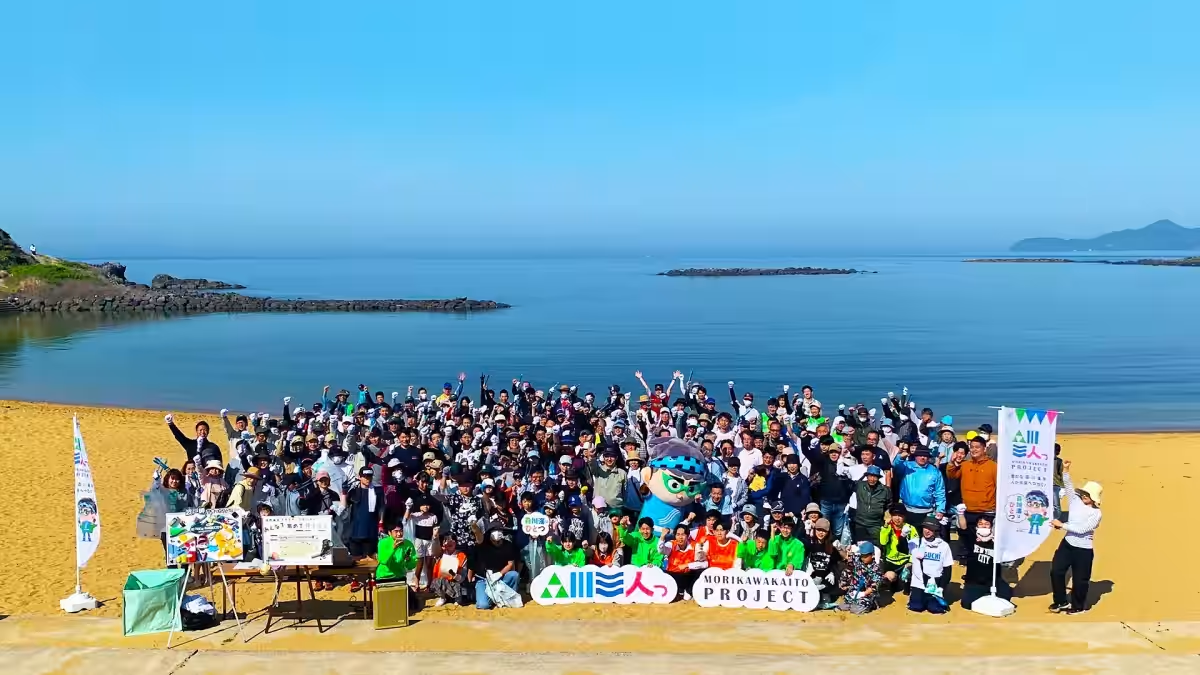
Karatsu Farm & Food envisions a continued deepening of community-oriented initiatives that center around nature symbiosis, leveraging collaborations with local businesses, government bodies, schools, NGOs, and research institutions. Their multi-faceted approach connects research, education, product development, tourism, and technological support, all working in tandem toward the practical implementation of their vision. With the aim of achieving a Nature Positive environment by 2030, they are steadfastly embedding sustainable practices within the fabric of the local community's values.


Topics Environment)
【About Using Articles】
You can freely use the title and article content by linking to the page where the article is posted.
※ Images cannot be used.
【About Links】
Links are free to use.