



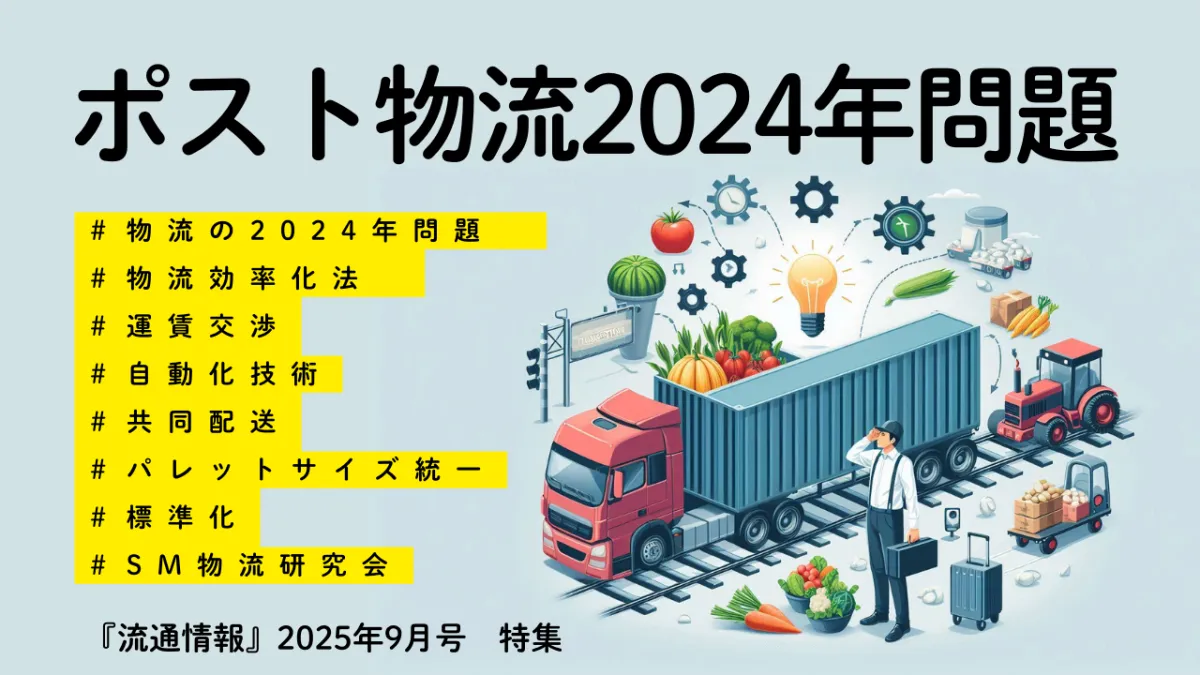
Exploring the Future of Logistics: Understanding the Post-2024 Challenge
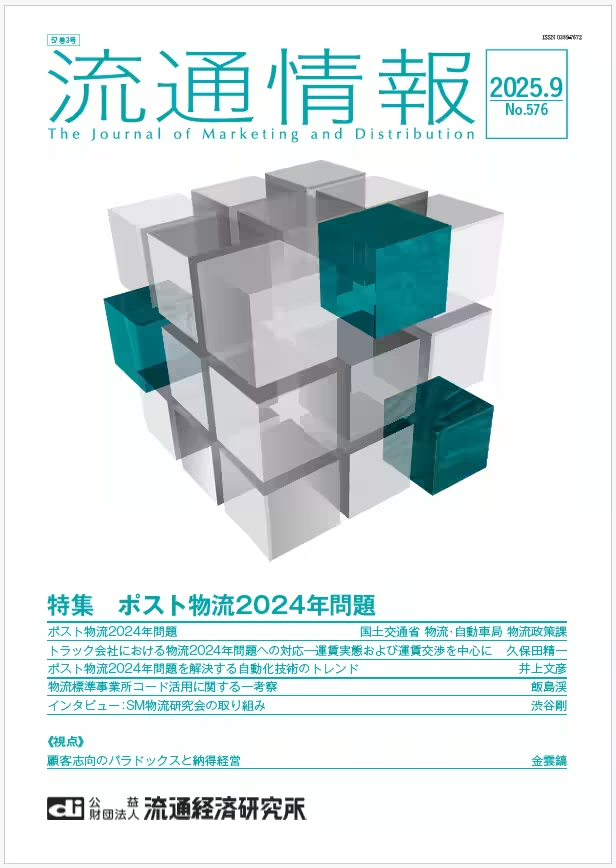
The Future of Logistics: Insights from the Latest Edition of 'Ryuutsu Joho'
In its latest issue, the research journal 'Ryuutsu Joho' focuses on a critical theme: the 'Post-2024 Logistics Problem.' This theme is particularly pertinent as the logistics industry is facing transformative challenges due to changes in policies and societal expectations anticipated around the year 2024. The issue aims to provide not only an understanding of these pressing matters but also strategies that correspond to the current realities and future aspirations of logistics industry stakeholders, policy-makers, and researchers.
Background on the Post-2024 Logistics Problem
The Post-2024 phase is set to revolutionize logistics operations from multiple perspectives, including policy, technology, and corporate responses. Contributors to this issue have meticulously analyzed pressing issues that logistics professionals are confronting right now, as well as strategic pathways for improvement moving forward. Readers will find valuable insights across various reports that encompass policy initiatives, corporate adaptations, and technological advancements aimed at fostering sustainable development in the logistics sector.
Highlights from Report One: Policy Perspectives
The first report offers expert insights from the Ministry of Land, Infrastructure, Transport, and Tourism, focusing on a 'policy package' that outlines a comprehensive response to the impending challenges. This report emphasizes three main pillars: revising commercial practices, enhancing logistical efficiency, and transforming the behavior of shippers and consumers. Additionally, it discusses prospects for overcoming issues related to insufficient transportation capacity, including strategies like modal shifts, facility enhancements, and the introduction of autonomous vehicles, all reflected in the next 'Comprehensive Logistics Policy Outline'.
Insights from Report Two: Corporate Challenges
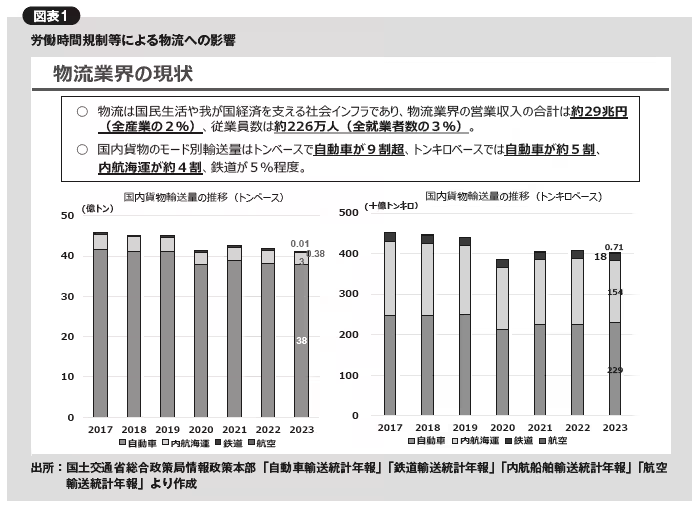
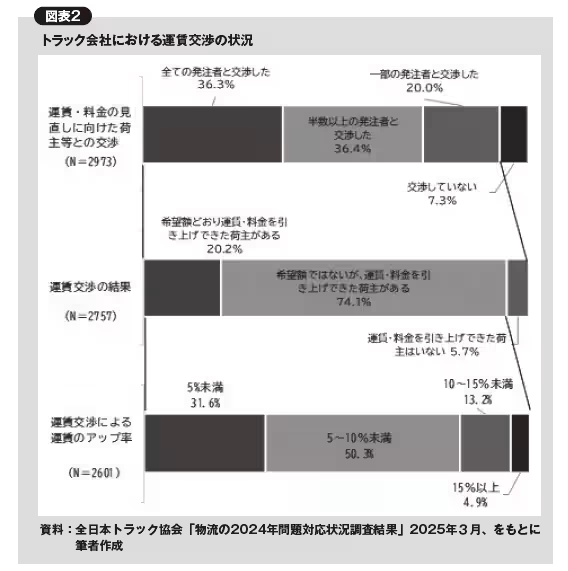
The second report, authored by Seiji Kubota from the Supply Chain Logistics Institute, zeroes in on the realities of fare negotiations within small-to-medium truck companies. While attempts to shorten wait times and improve transit processes are underway, there remains a gray area regarding fair fare stabilization, illuminating deeper structural issues within the industry.
Technological Innovations Discussed in Report Three
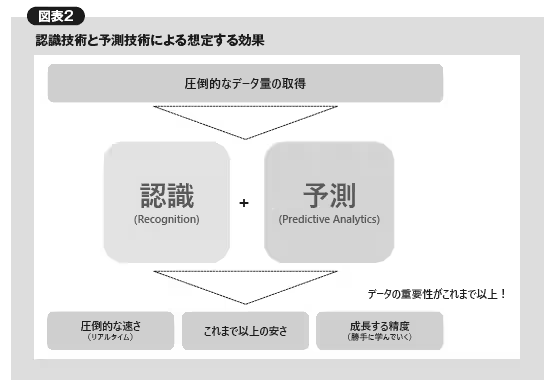
The third report, presented by Fumihiko Inoue of NX Research Institute, delves into automation technology trends that could significantly reshape logistics operations. It explores advancements in Autonomous Mobile Robots (AMR), Goods-to-Person (GTP) systems, and recognition and prediction technologies. Although these innovations hold immense potential, challenges surrounding standardization and return on investment are noted as critical barriers to widespread adoption.
Standardization in Logistics
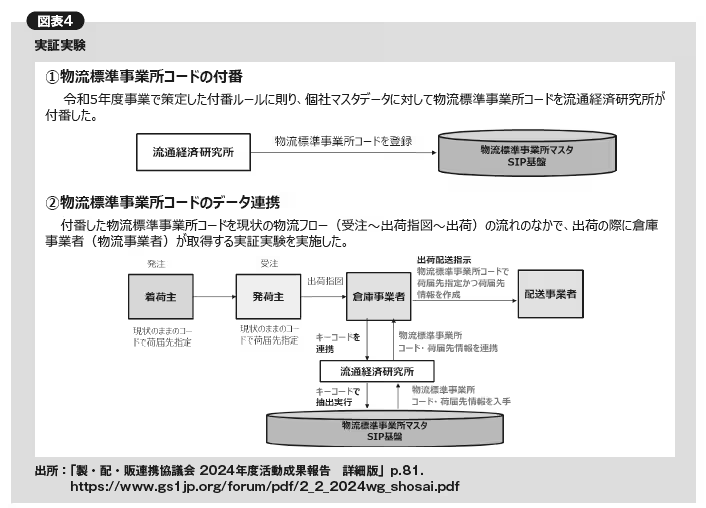
The fourth report highlights the importance of standardization, examining the implications of the Logistics Standard Business Place Code. This code could resolve issues related to inconsistent nomenclature and addresses inefficiencies in reconciliatory tasks, laying the groundwork for collaborative transportation solutions and a physical internet framework.
Interview: SM Logistics Research Group's Initiatives
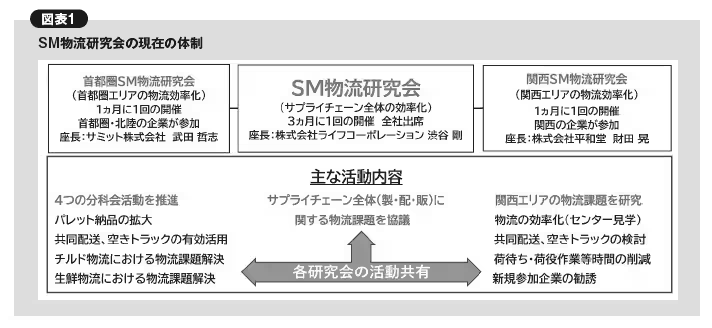
An interview with Tsuyoshi Shibuya from the SM Logistics Research Group showcases collaborative initiatives driven by retail leaders. These efforts focus on area-specific activities such as collaborative pallet deliveries and resolving challenges in fresh and chilled logistics. The case study exemplifies a model of autonomous logistics improvement achieved through inter-company cooperation rather than solely through policy frameworks.
Future Outlook: Key Issues and Strategies
This special issue not only addresses the immediate challenges posed by the Post-2024 situation but also emphasizes the importance of strategic thinking and consumer-oriented management approaches in logistics. In particular, it views these pressing challenges as opportunities for growth and innovation within the sector, suggesting that change is not only necessary but beneficial for all stakeholders involved.
About ‘Ryuutsu Joho’
'Ryuutsu Joho' is a bi-monthly research journal dedicated to significant themes related to distribution activities and marketing, offering exclusive content to its members. With a focus on the food industry, retail operations, wholesale enterprises, and logistics, it serves a diverse audience that includes researchers, students, and other professionals. The journal emphasizes research findings that are unique and not readily available elsewhere, supporting practical applications in the field.
Subscription Information
With a subscription fee of 33,000 yen (including tax), readers gain access to a wealth of information through the journal. Subscribers benefit from an electronic version that includes unlimited access to content published from January 2017 onward, allowing for convenient PDF downloads. More information about the journal and subscription options can be found at Ryuutsu Joho Information.
Topics Consumer Products & Retail)
【About Using Articles】
You can freely use the title and article content by linking to the page where the article is posted.
※ Images cannot be used.
【About Links】
Links are free to use.