



Navigating Japan's Energy and Decarbonization Policy Directions Amidst Asia's Economic Ripple Effects
Exploring Japan's Energy Policies and Their Economic Impact
In light of rising global tensions, particularly the ongoing war in Iran and the resulting blockade of the Strait of Hormuz, Japan faces one of its most significant energy crises since the post-war era. Scheduled for June 4, 2026, an informative seminar will be hosted by Taishi Sugiyama, the Chief Researcher at the Canon Institute for Global Studies, focusing on the future of Japan's energy and decarbonization policies, and their cascading effects on the Asian economy.
Overview of the Seminar
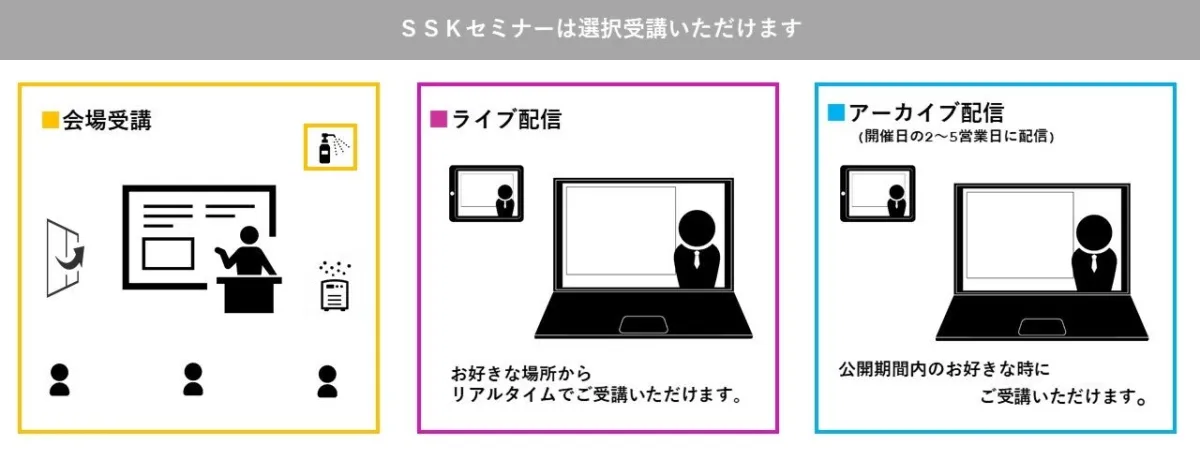
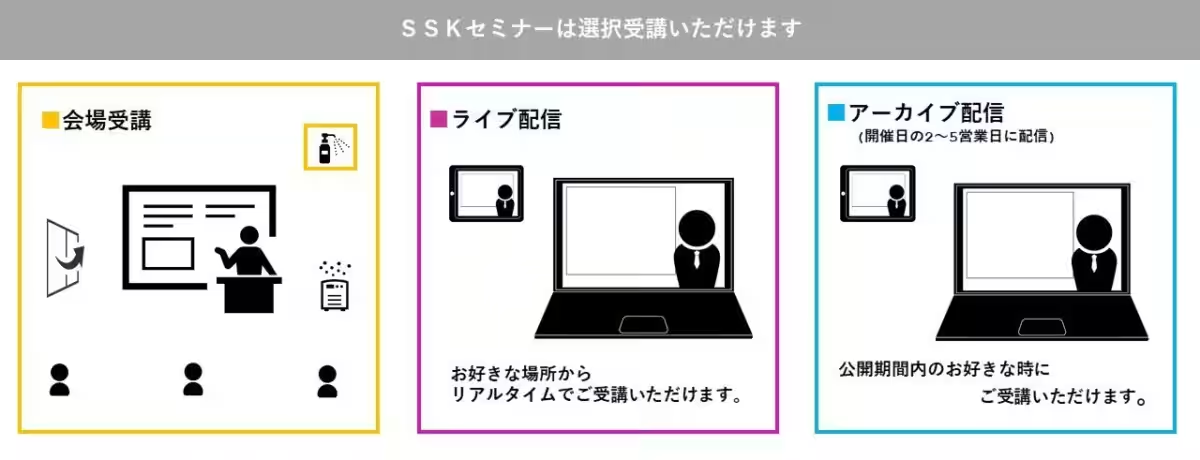
The gathering will take place in Tokyo, with both in-person attendance and online options available via Zoom. Participants can expect a detailed analysis of the current energy crisis triggered by geopolitical uncertainties that directly affect Japan's reliance on Middle Eastern oil, most of which passes through the crucial Strait of Hormuz.
Key Seminar Topics
1. Impact of the Hormuz Blockade on Global and Asian Energy Supply
The blockade has immediate repercussions for countries reliant on oil from the Middle East. Japan’s structure, heavily reliant on foreign oil, faces severe bottlenecks that necessitate urgent reassessment and diversification of energy supplies.
2. Japan’s Dependency on Middle Eastern Resources
An analytical view will reveal how Japan's economy could falter should supply shortages occur. The discussion will cover specific challenges and bottlenecks experienced during potential disruptions.
3. Responses from Asian Nations and Supply Chain Challenges for Japan’s Manufacturing Sector
We will explore how neighboring countries are responding to the crisis and how these developments impact the supply chains of Japan’s manufacturing industries.
4. Facts and Misconceptions Regarding Climate Change and Decarbonization
Data-driven insights will delve into the realities of climate change, addressing common misconceptions associated with it and discussing its implications for energy policy.
5. Constraints Imposed by Decarbonization Policies and Emission Trading Systems
The seminar will critically assess the limitations that decarbonization strategies impose on Japan's energy security, emphasizing the need for a more balanced approach.
6. Diversifying Fossil Fuel Procurement and Nuclear Power Reactivation
To stabilize energy supplies, discussions will highlight the importance of diversifying resources and the potential reopening of nuclear facilities as a viable option for ensuring energy security.
7. Q&A and Networking Opportunity
Participants will have the chance to engage with the speakers during a Q&A session, fostering invaluable networking opportunities through business card exchanges.
Conclusion
In a world where energy stability can no longer be taken for granted, Japan's proactive approaches toward diversifying energy sources while balancing decarbonization goals are critical. This seminar serves as a platform for essential discussions aimed at shaping a resilient energy policy framework for Japan and its economic partners in Asia.
Registration Information
For more information regarding registration and event details, please visit the official seminar page. Those who wish to engage in this critical dialogue surrounding energy security and policy evolution are encouraged to attend.
About SSK
The New Social System Research Institute (SSK) has been organizing business seminars since its establishment in December 1996, focusing on providing strategic insights in an ever-evolving business environment. With around 500 seminars held annually, SSK continues to be a leader in delivering relevant information to enhance business opportunities and collaborations.
Topics Energy)
【About Using Articles】
You can freely use the title and article content by linking to the page where the article is posted.
※ Images cannot be used.
【About Links】
Links are free to use.