




Japanese Residents Favor Food Tax Cuts as Costs Rise Amid Economic Struggles
Understanding Japanese Perspectives on Food Consumption Tax
As the Japanese government solidifies its plans to reduce the food consumption tax, a significant survey conducted by tax expert Yuichi Sugawara on his popular YouTube channel, "脱・税理士スガワラくん" (Datsu Zeirishi Sugawara-kun), sheds light on the public's sentiment regarding this critical issue. More than 600 participants aged 20 to under 80 share their views amidst rising living costs, indicating a pressing need for change.
Survey Overview
Conducted online in July 2026, the survey aimed at shedding light on the Japanese population’s perspectives on the food consumption tax. Key findings reveal that while many support maintaining the current 8% rate, a significant portion of the population desires a reduction.
- - Survey Period: July 24, 2026
- - Participants: 600 individuals, distributed evenly across genders and age groups (ranging from 20 to under 80 years old).
- - Conducted by: Freeasy
Essential Findings:
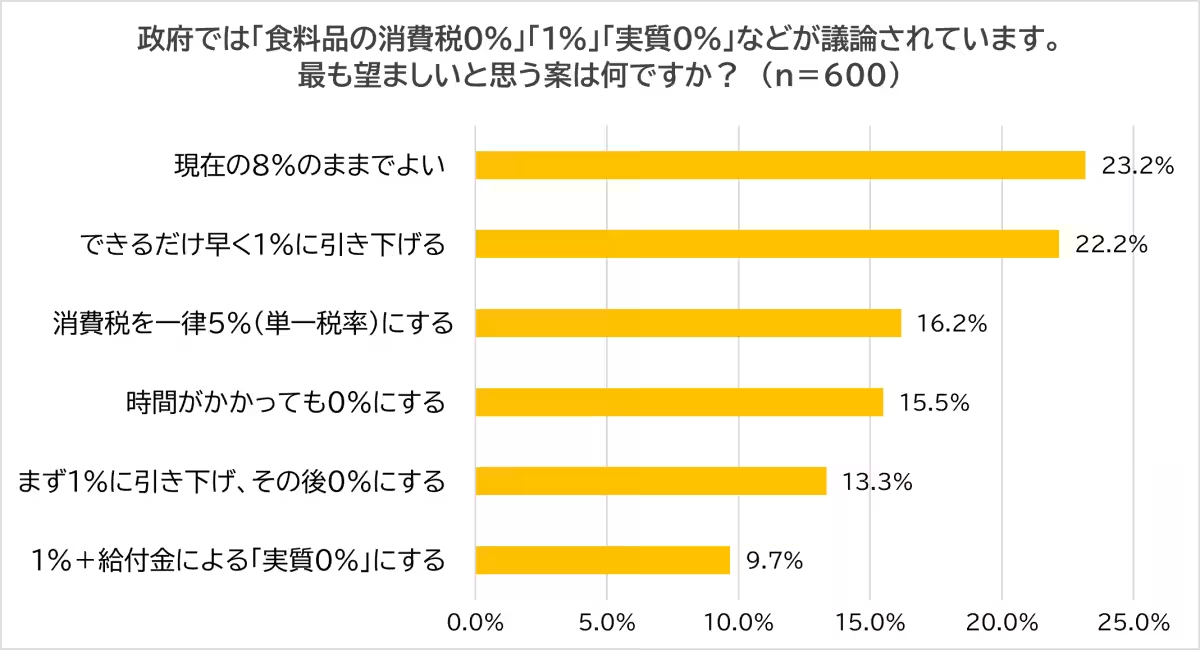
- - Support for Maintaining 8%: While 23.2% prefer maintaining the current rate, over 60% favor some form of tax reduction.
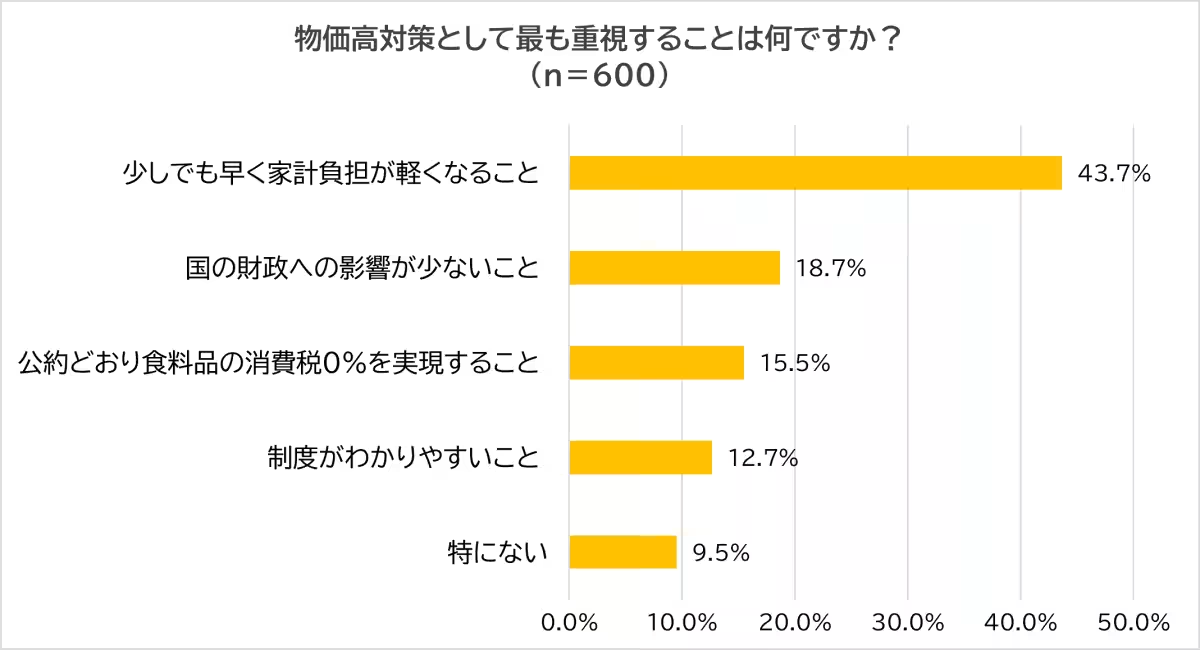
- - Demand for Speed: More than 40% prioritize quick implementation over the system itself.
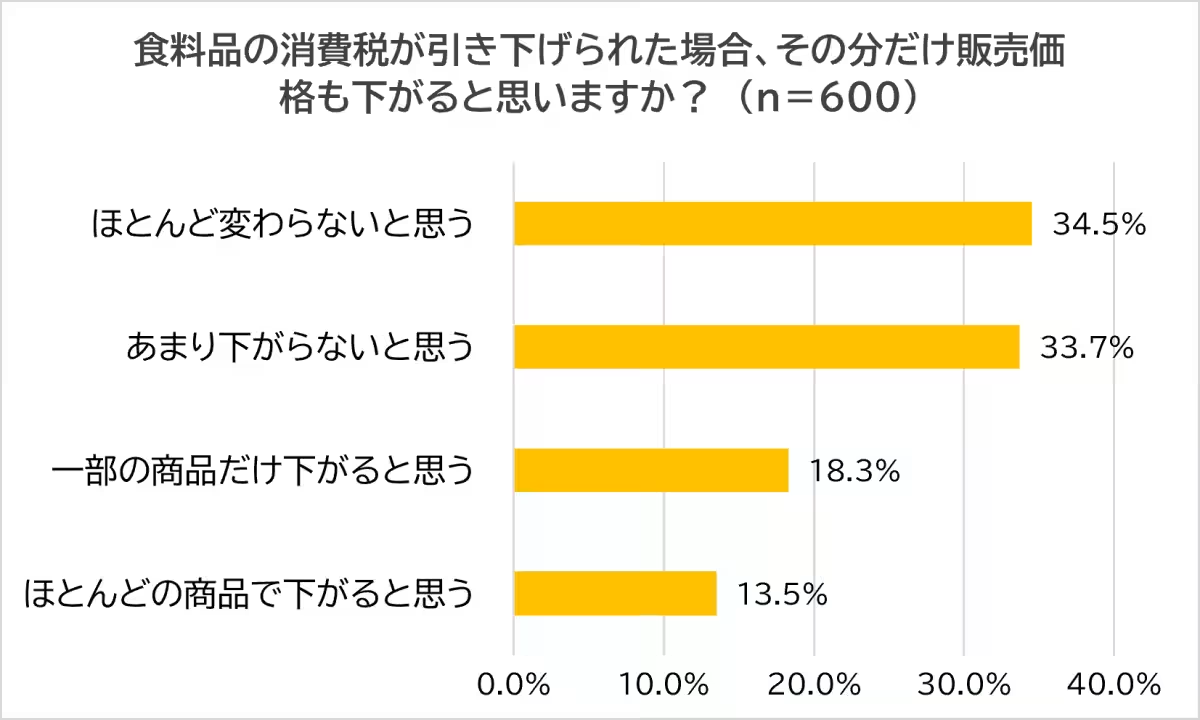
- - Limited Expectation of Price Cuts: Nearly 70% believe that a tax cut will not significantly lower food prices in the short term.
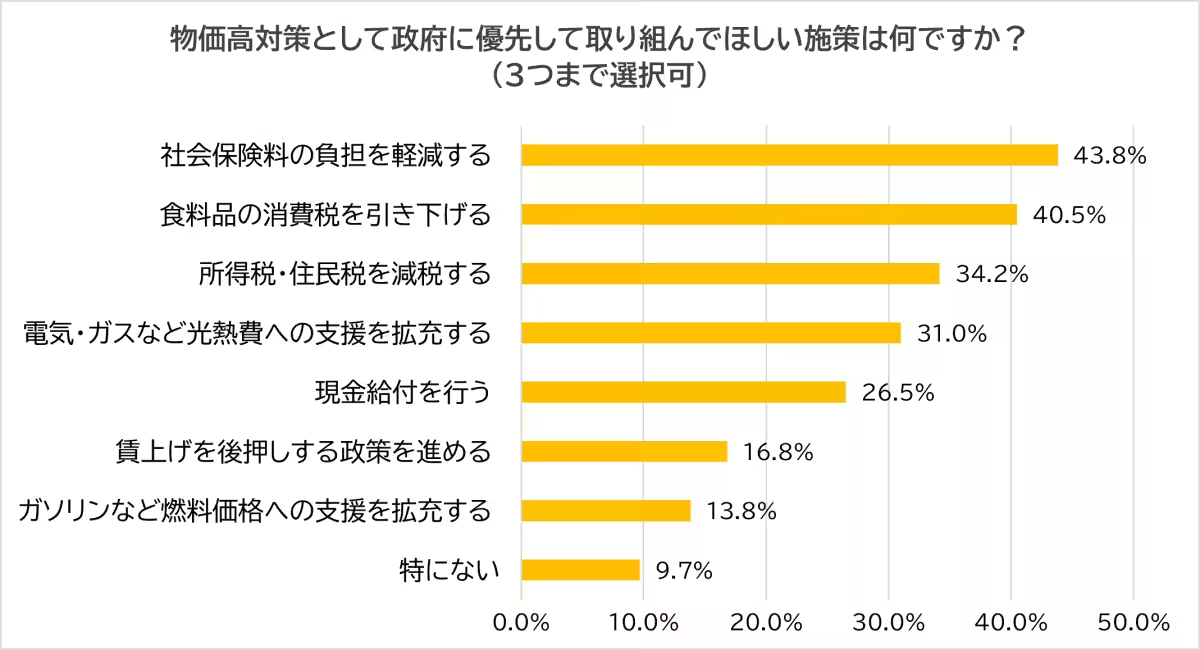
- - Policy Priorities: The public favors reducing social insurance burdens over a tax cut on groceries.
Key Insights from the Survey
When participants were asked about the most desirable state for food consumption tax, the responses indicated a split opinion. The majority (about 60.7%) supported a reduction in the tax rate in various forms:
- - Quick Cuts: 22.2% want an immediate reduction to 1%.
- - Long-Term Objectives: 15.5% wish for a slow move towards a 0% tax rate.
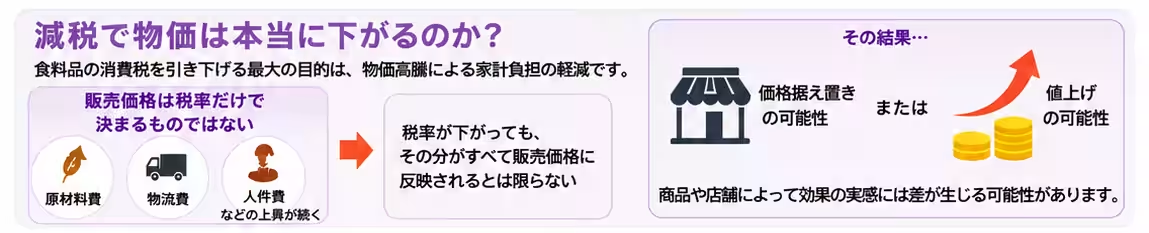
Interestingly, the survey suggests a significant disconnect between support for a tax reduction and the anticipated impact on sales prices, with 68.2% envisioning minimal changes in costs for consumers. Many consumers believe that logistics, labor, and material costs will likely dilute the anticipated benefits of a tax cut.
Public Sentiment and Policy Implications
In terms of prioritizing governmental actions to alleviate the effects of inflation, respondents overwhelmingly chose social insurance fee reductions (43.8%) over food tax cuts (40.5%). The public’s perspective demonstrates an urgent call for immediate financial relief amidst growing economic pressures.
However, it raises critical considerations regarding government strategies for implementing tax policies that successfully address societal needs.
Tax Rate Variants: 0%, 1%, and the Concept of ‘Effective Zero’
As discussions continue about possible food consumption tax reductions, debates have emerged surrounding the different proposed rates:
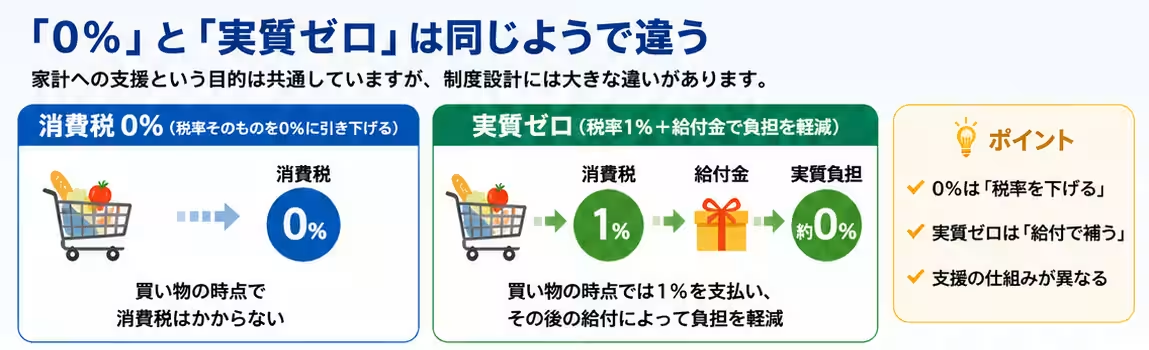
- - 0% Tax: Proposes eliminating the tax entirely.
- - 1% Tax with Compensation: Retains a nominal tax combined with compensatory payments to low-income households, effectively bringing their tax burden closer to zero.
Why the 1% Proposal Gains Traction
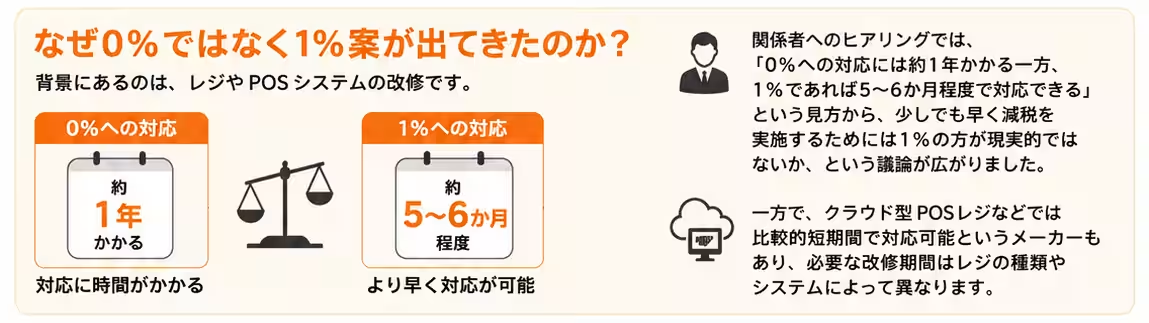
The 1% tax proposal has garnered support primarily because of the logistical implications of adjusting point-of-sale systems to accommodate a zero tax rate. Experts argue that implementing a 1% tax could take only 5-6 months, whereas a full 0% implementation could require as long as a year.
Yet, certain advancements in technology could minimize these transition periods, indicating that solutions vary by business capabilities.
The Necessity of Comprehensive Tax Reforms
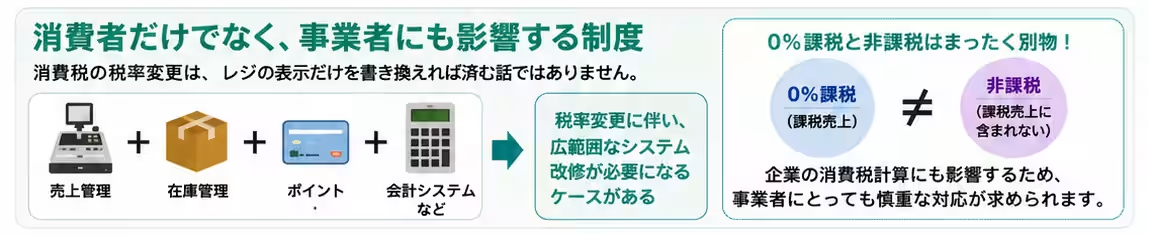
Amidst this discussion, it’s crucial to understand that tax changes impact various stakeholders beyond consumer relief. Businesses need to overhaul their accounting systems and push for an adaptable economic model that sustains and supports significant tax reforms.
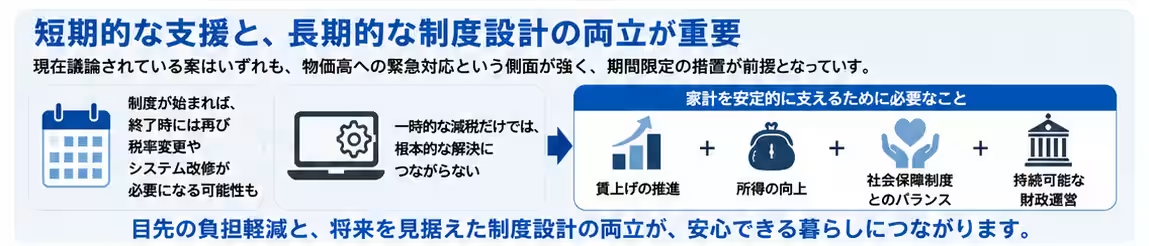
While the objective is clear—to reduce the financial burden of rising costs on households—the approach must balance immediate relief with longer-term policy effectiveness.
Conclusion
The data from Sugawara’s survey reflects a collective inclination towards expedited tax reductions while indicating challenges tied to consumer price expectations. As Japan navigates these fiscal complexities, not only must the efficacy of current tax proposals be scrutinized, but also their potential implications on the economy as a whole. The call for swift action resonates widely, but achieving a practical, fair, and sustainable solution requires more than just a simple tax rate change—it entails creating a coherent strategy that aligns with broader economic imperatives.
- ---
About Yuichi Sugawara
Born in 1975 in Mie Prefecture, Yuichi Sugawara is a tax accountant and specialist in financial management. His YouTube channel, which focuses on tax-saving strategies, has garnered over 1.73 million subscriptions. Sugawara is recognized for his educational contributions and has successfully published several bestselling books related to financial management.
Company Overview
- - Company Name: Sugawara LLC
- - Headquarters: Nagoya, Aichi Prefecture, Japan.
- - CEO: Yoshinori Horie
- - Founded: November 8, 2023
- - Business Scope: Seminar operations, YouTube content creation, consulting services.
- - Website: Sugawara LLC


Topics Other)

【About Using Articles】
You can freely use the title and article content by linking to the page where the article is posted.
※ Images cannot be used.
【About Links】
Links are free to use.