



Unexpected Findings on Content Performance in AI Era: News Pages Achieve Over 13% CVR
Introduction
In the rapidly evolving landscape of digital marketing, the introduction of generative AI, such as ChatGPT, has brought about significant changes in user search behaviors and corporate Web marketing strategies. To explore these shifts, PLAN-B Marketing Partners, a Tokyo-based firm specializing in SEO and digital marketing support, conducted a detailed correlation analysis between user sessions generated through generative AI (LLM inflow) and traditional organic search inflow.
The Need for Research
As generative AI becomes more prevalent, it’s crucial to understand which types of content are effectively creating new touchpoints with users and converting them. While prior analyses of LLM inflow and natural search inflow have been limited, this study dives deeper into over 1,200 pieces of content across various pages within the PLAN-B domain, including its marketing media site, "PINTO!" This analysis aims to clarify the relationship between LLM and organic search inflows, particularly focusing on high-value content that exhibits both specialization and uniqueness, characteristics that are becoming increasingly relevant in AI assessments.
Research Overview
The correlation analysis of LLM inflow and organic search inflow was conducted in 2025, utilizing GA4 to extract session data. Through this method, we scrutinized the LLM inflow across different pages, thereby uncovering trends that assist in understanding how generative AI evaluates content.
Key Findings
1. Positive Correlation between LLM and Organic Search:
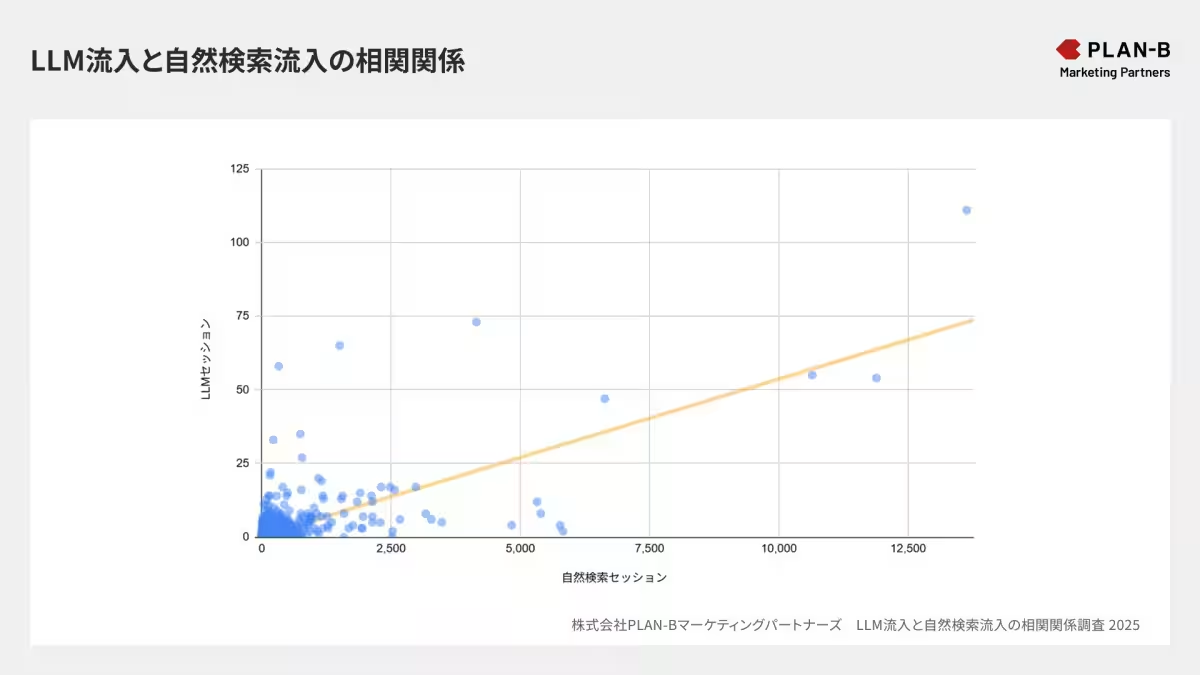
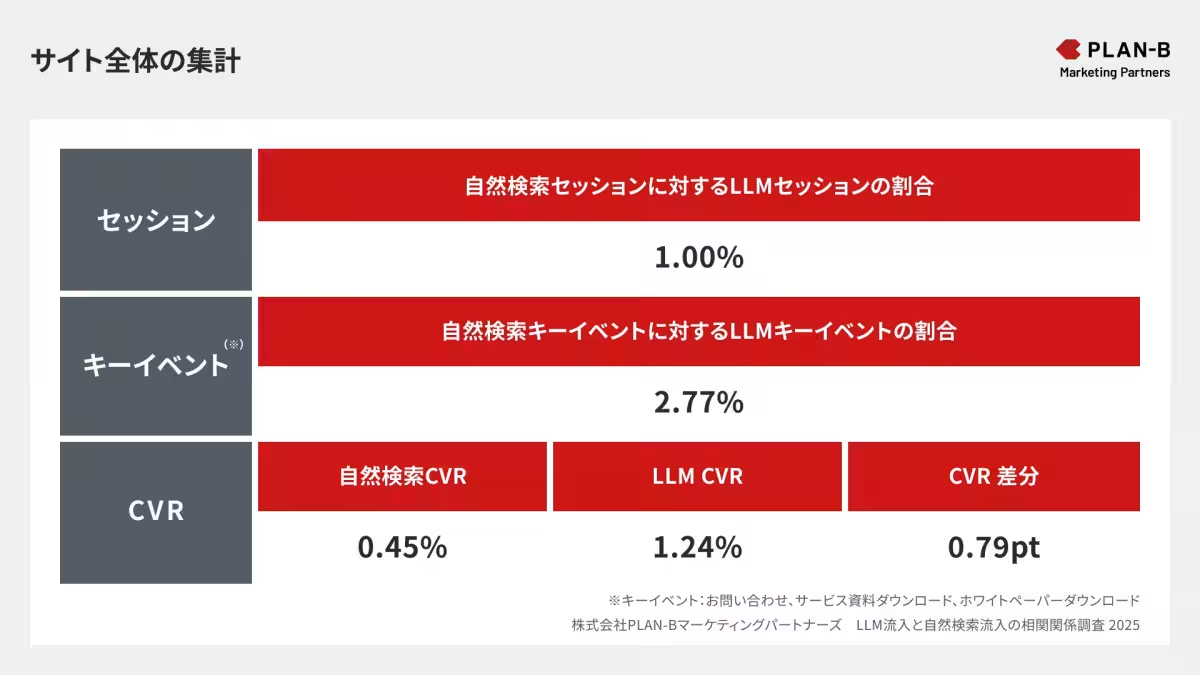
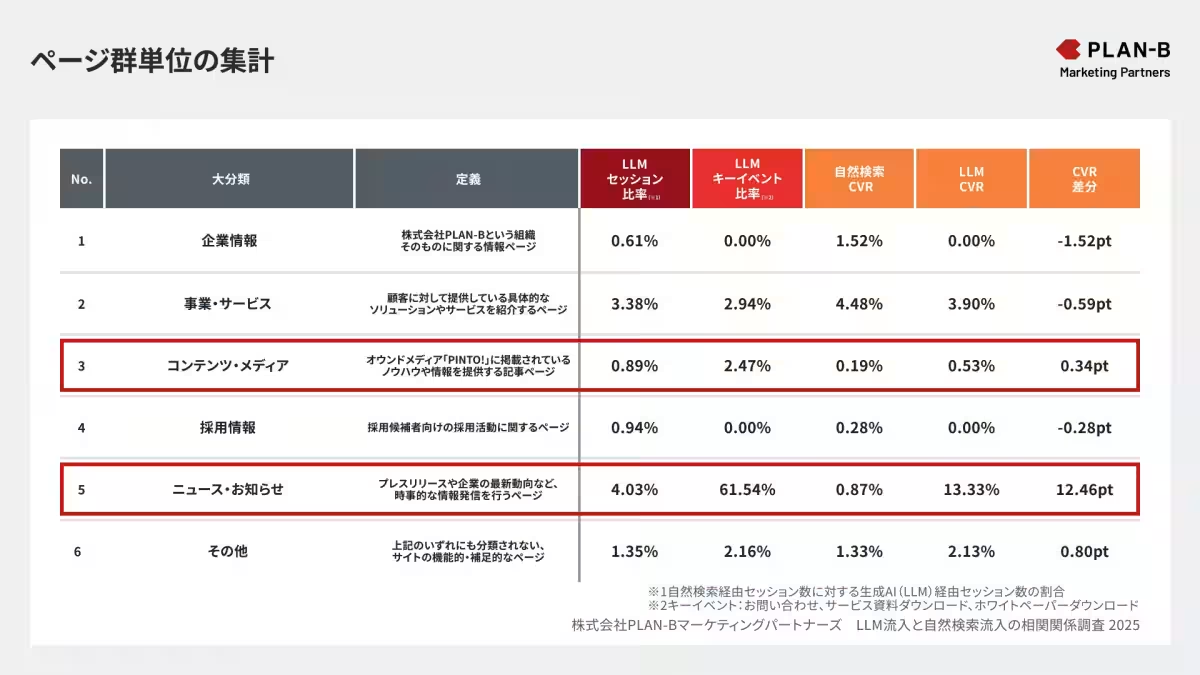
The analysis revealed a positive correlation between access from traditional search engines and LLM inflow. More specifically, pages that garnered significant organic traffic also saw higher LLM traffic. Despite LLM inflow constituting just 1.00% of the total sessions on the site, the conversion rate (CVR) from LLM inflows was notably higher at 1.24%, compared to 0.45% for organic search.
This suggests that generative AI is better at presenting information that aligns with user intents and contexts, thereby enhancing conversion opportunities.
2. High Performance in News and Media Sections:
Notably, pages categorized under "News & Announcements" exhibited a pronounced trend, where both session counts and key events (like inquiries and downloads) from LLM inflows significantly exceeded those from organic search.
The unique characteristics of first-party information, such as company press releases, enhance generative AI's tendency to reference them, thereby facilitating a higher traffic flow. Similarly, the content within PLAN-B's owned media, "PINTO!," also reflected a rising trend in LLM inflows, indicating a strong user engagement based on content relevance and interactivity.
3. Top Content Types Driving LLM Inflow:
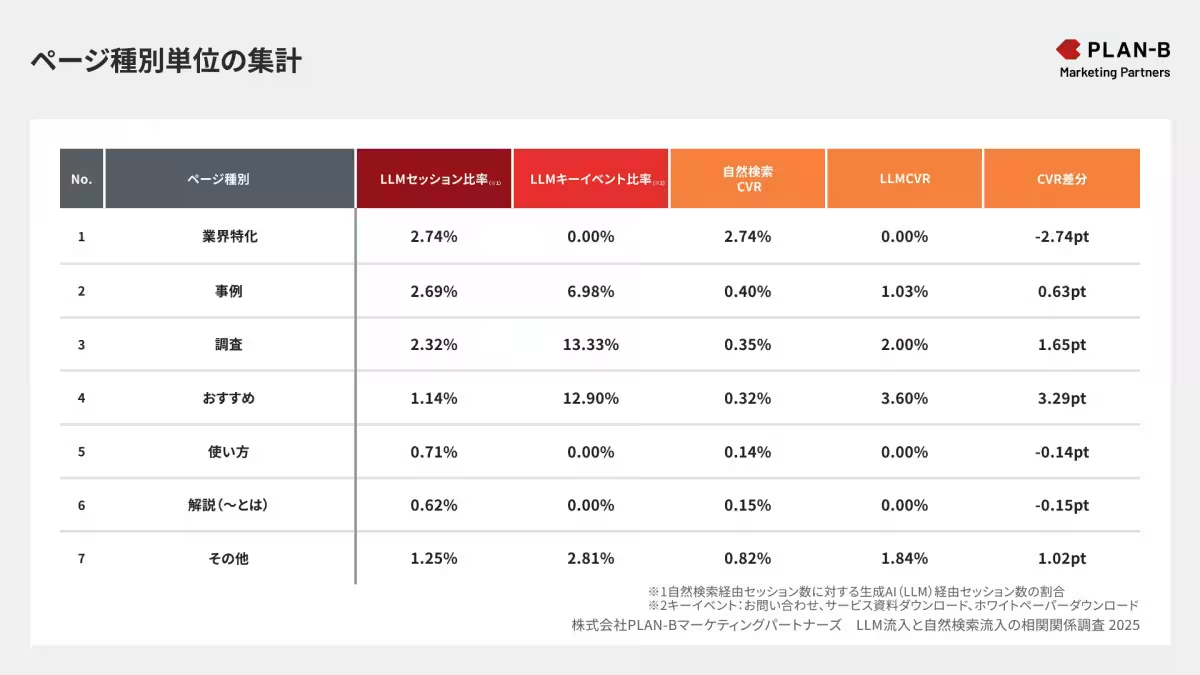
Analysis further identified specific page types demonstrating high LLM session ratios. The top contenders included:
- Industry-Specific Articles (2.74%): These articles focused on dedicated industries combined with SEO, yielding insightful information.
- Case Studies (2.69%): Content describing client success stories or integrating various case examples around specific themes.
- Research Reports (2.32%): Articles based on unique research findings or data-driven releases.
- Recommendation Lists (1.14%): These provide users with curated advice on tools or agencies.
All these page types are characterized by their originality and engagement tailored towards audience needs, making them more appealing to generative AI.
Observations on General Content Types:
In contrast, generic explanatory content, like "What is..." or "How to use..." showed poorer performance in LLM inflow ratios and conversion rates. While popular in organic search, these articles might not generate sufficient AI engagement, suggesting a shift towards aiming for more specialized content that reflects user needs and industry insights.
Conclusion
The findings from the research underscore a clear positive correlation between LLM inflow and organic search inflow, with LLM inflow resulting in notably higher conversion rates. This research highlights the importance of creating content rich in original insights and tailored to user needs. As we stand on the brink of further generative AI proliferation, implementing strategies that cater to both search engines and AI will be vital. Companies should focus on delivering unique content that not only attracts search queries but also appeals to AI evaluations, ultimately driving higher conversion rates and business success.
Future Considerations
As digital marketing continues to evolve, leveraging generative AI in conjunction with SEO will be crucial. By designing content strategies that emphasize unique information and understand user interactions, companies can enhance their reach and impact in the digital space.


Topics Consumer Products & Retail)
【About Using Articles】
You can freely use the title and article content by linking to the page where the article is posted.
※ Images cannot be used.
【About Links】
Links are free to use.