



Understanding Labor Dynamics Across 15 Major Industries in Japan
Analysis of Labor Dynamics among Japan's Major Industries
In a comprehensive report by Human Resocia, a leading staffing solutions provider based in Shinjuku, Tokyo, insights into the labor structures of 15 primary industries in Japan were revealed. This analysis was conducted to aid companies in developing effective recruitment and talent acquisition strategies based on the unique characteristics of each industry. The findings indicate significant variances in labor demographics, recruitment trends, and the geographic concentration of the workforce as of 2025.
Key Findings
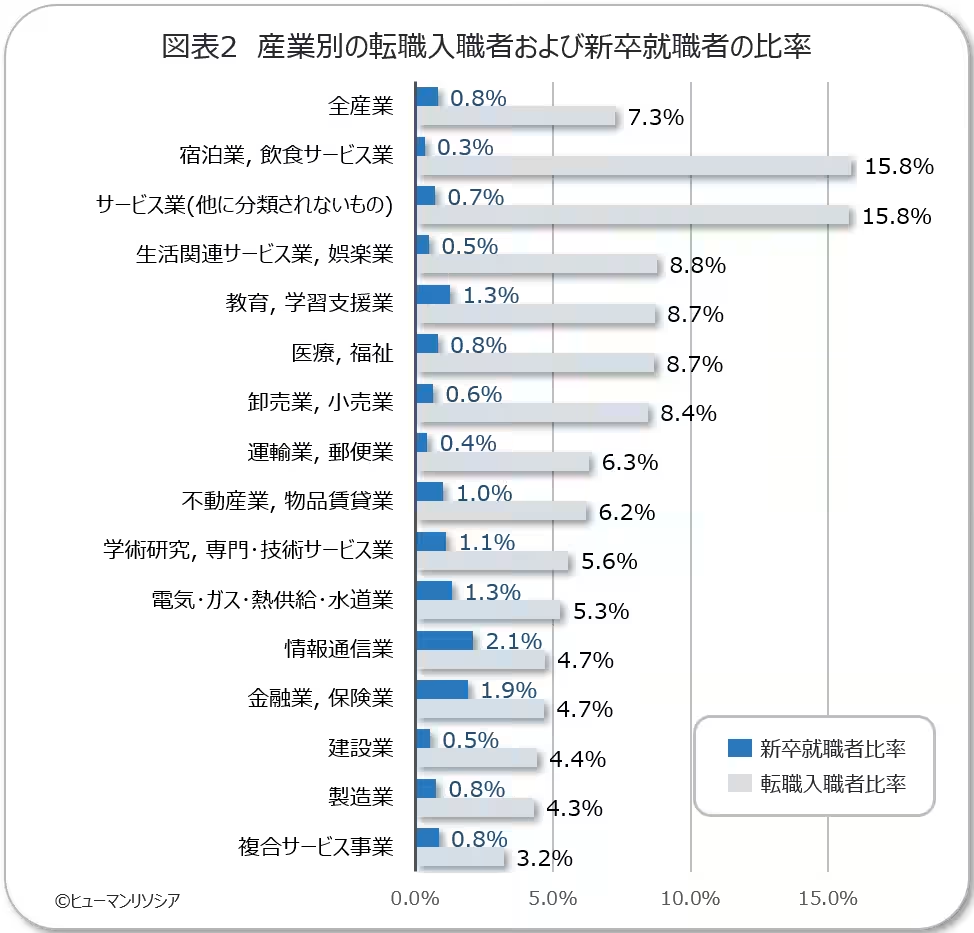
1. Diverse Labor Structures: The report identifies differences among labor structures across the analyzed industries using twelve distinct metrics. It highlights how sectors such as information and communications boast a high ratio of new graduate hires, whereas industries like accommodation and food services primarily rely on experienced hires through job transitions.
2. Increased Senior Workforce in Construction: Notably, in the construction industry, the proportion of workers aged 65 and above surpasses that of those aged 29 and younger, pointing to a significant shift in workforce demographics and the need for intergenerational knowledge transfer.
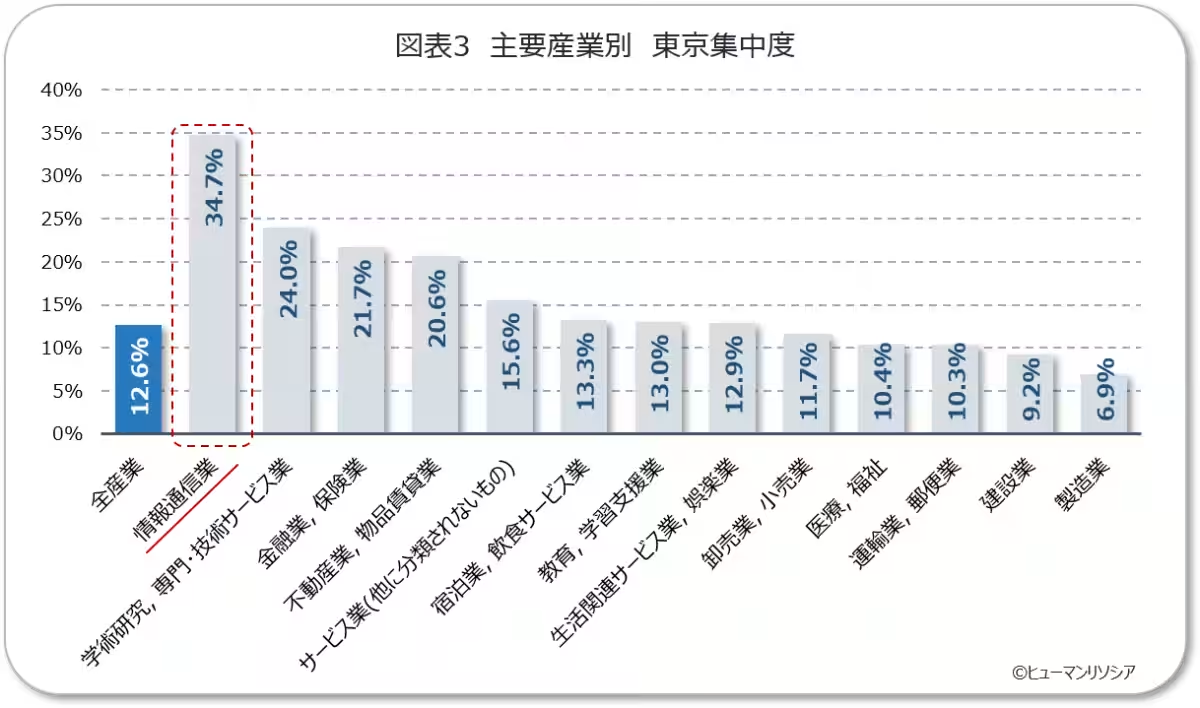
3. Tokyo Concentration in Information and Communications: The analysis shows an overwhelming concentration of jobs in Tokyo within specific sectors, especially in information and communications, where 34.7% of the workforce is based. This significantly exceeds the overall average of 12.6% across all industries, suggesting that certain sectors are highly urbanized and concentrated in metropolitan areas.
4. Recruitment Trends Vary by Industry: The study reveals a stark contrast in recruitment sources, with the information and communications sector having a high percentage of new graduate hires at 2.1%, while the accommodation and food service sector shows a notable emphasis on recruitment through job transitions, with entries accounting for 15.8%. Companies must tailor their strategies accordingly to address these differences effectively.
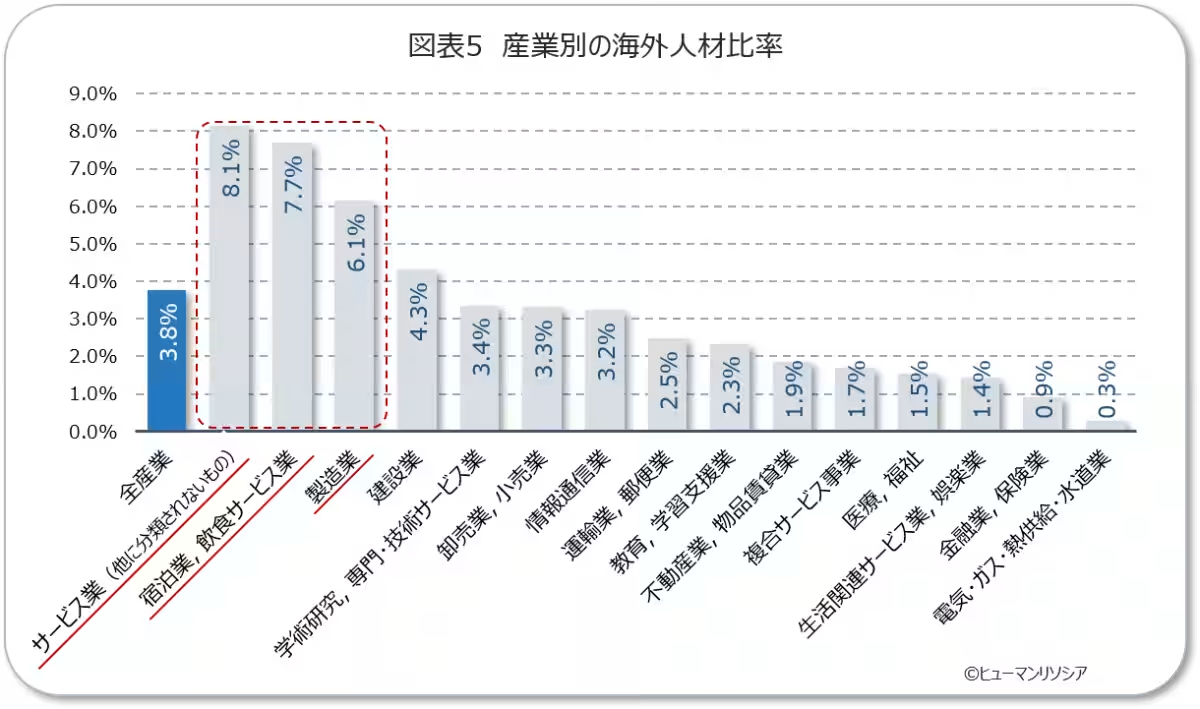
5. Increase in Foreign Workers: The report notes an increasing reliance on foreign labor within Japan, with approximately 2.57 million foreign workers contributing to various industries. This reflects a growing recognition of the benefits of diversifying the workforce amid the declining birthrate and aging population.
Background and Purpose
Japan faces a significant labor shortage exacerbated by an aging population and declining birthrates. Consequently, understanding the varied factors affecting labor acquisition and retention in different industries has become paramount. The research aimed to shed light on these disparities, offering practical insights for firms looking to navigate this challenging landscape.
Detailed Insights
Labor Population Distribution
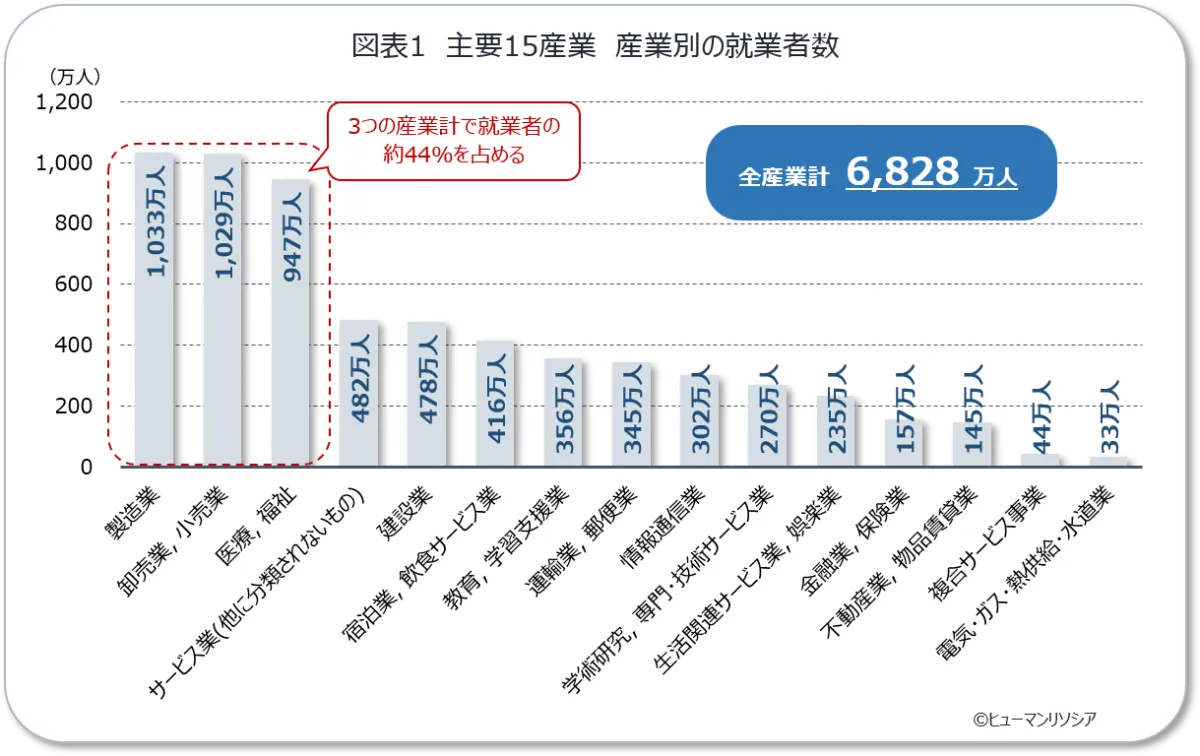
Among the 15 analyzed sectors, three major industries—manufacturing, wholesale and retail, and healthcare—account for approximately 44% of the total workforce, with manufacturing alone employing more than 10 million individuals. This concentration underlines the integral role these fields play in Japan's economy.
Age Composition Variances
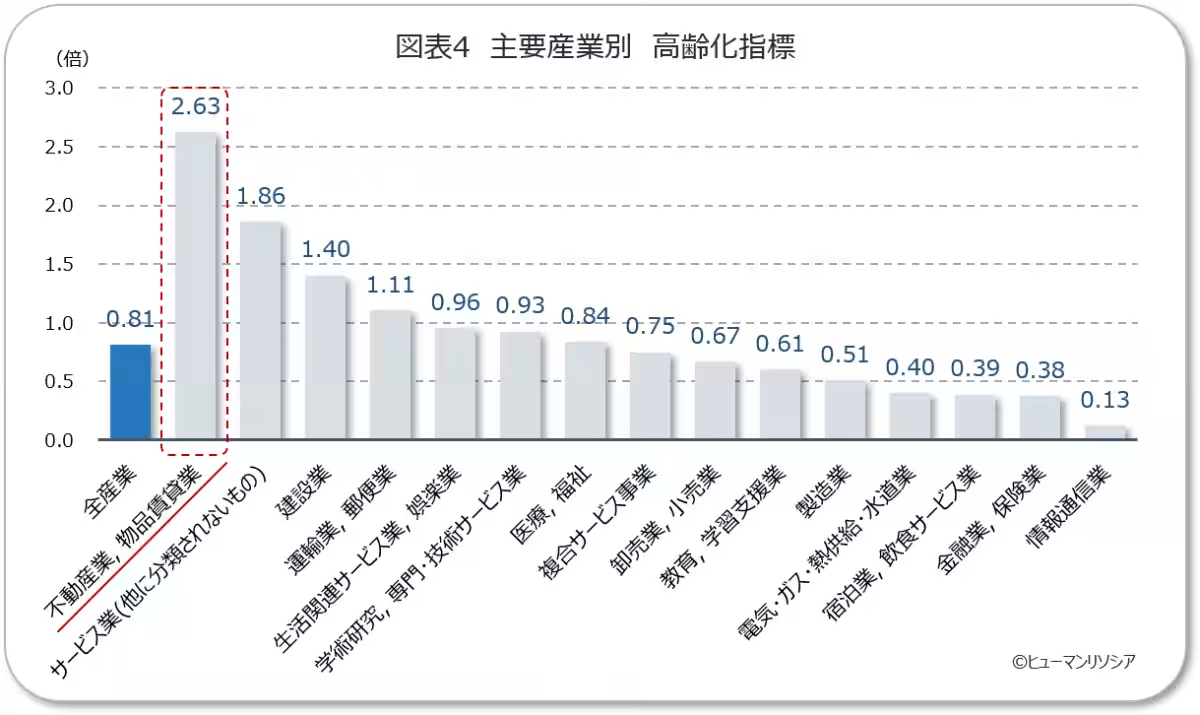
The data indicates that sectors such as real estate and rentals see a higher concentration of senior workers, with ratios indicating that older employees far exceed their younger counterparts, thereby increasing the “aging index” within these industries significantly. The emphasis on retaining knowledge and skills from senior staff will be crucial as industries grapple with youth engagement.
Recruitment Strategy Adjustments Needed
With a growing trend towards flexible employment and remote work, especially post-pandemic, industries such as finance and communication ought to recalibrate their hiring strategies, focusing on new graduates while also fostering environments conducive to retired and seasoned professionals returning to the workforce.
Conclusion
Overall, the analysis underscores the necessity for industries to adapt their recruitment tactics considering the distinctive labor dynamics presented in the current market. By recognizing and leveraging the strengths and challenges inherent in each sector, companies can better position themselves to mitigate labor shortages and strengthen workforce demographics through informed human resource practices.
About Human Resocia
Founded in 1988, Human Resocia is dedicated to providing integrated staffing services, including recruitment, workforce management, and digital solutions. The company is committed to addressing Japan's labor challenges through innovative and adaptive strategies in workforce development.
Topics People & Culture)
【About Using Articles】
You can freely use the title and article content by linking to the page where the article is posted.
※ Images cannot be used.
【About Links】
Links are free to use.