



Understanding the Challenges of Working Caregivers: Insights from SOYOKAZE's Recent Study on Respite Care
Understanding the Challenges of Working Caregivers
As Japan's elderly population continues to rise, the issue of caregivers balancing work and family responsibilities is garnering increasing attention. A recent survey conducted by SOYOKAZE, a company specializing in caregiving services, reveals alarming statistics about the emotional and physical burdens felt by working caregivers—individuals aged 45 to 65 caring for elderly parents at home.
Survey Overview
SOYOKAZE executed a survey from April 30 to May 1, 2026, to understand the realities of working caregivers who provide home care to their aging parents. They discovered that more than 90% of respondents feel a significant burden on their physical and emotional wellbeing. The survey included 330 working caregivers, revealing critical data regarding the challenges they face in providing care while maintaining a career.
Major Findings
Emotional and Physical Burden
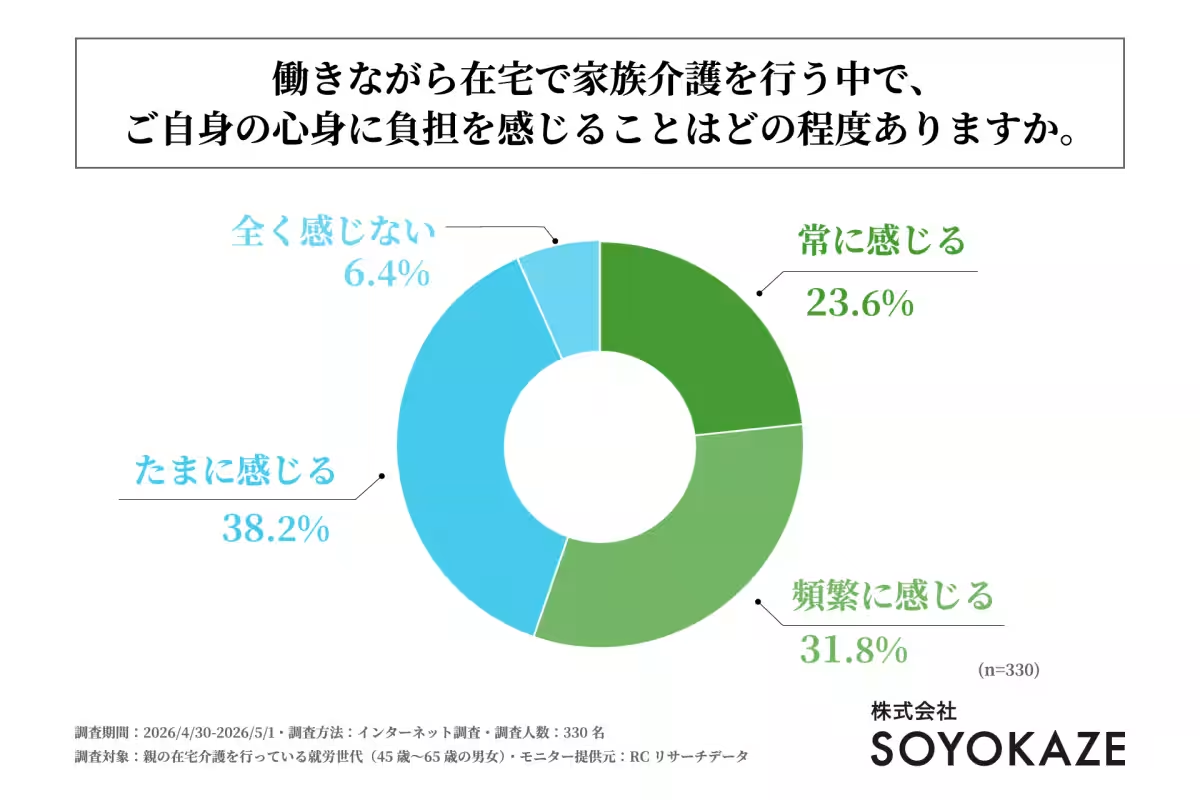
The majority of respondents—over 90%—reported that they experience mental and physical stress linked to their caregiving roles. Specifically, 38.2% acknowledged that they occasionally feel burdened, while 31.8% noted that they frequently experience such feelings. This illustrates the profound impact that caregiving has on the mental health of these individuals.
Difficulty in Finding Time for Self-Care
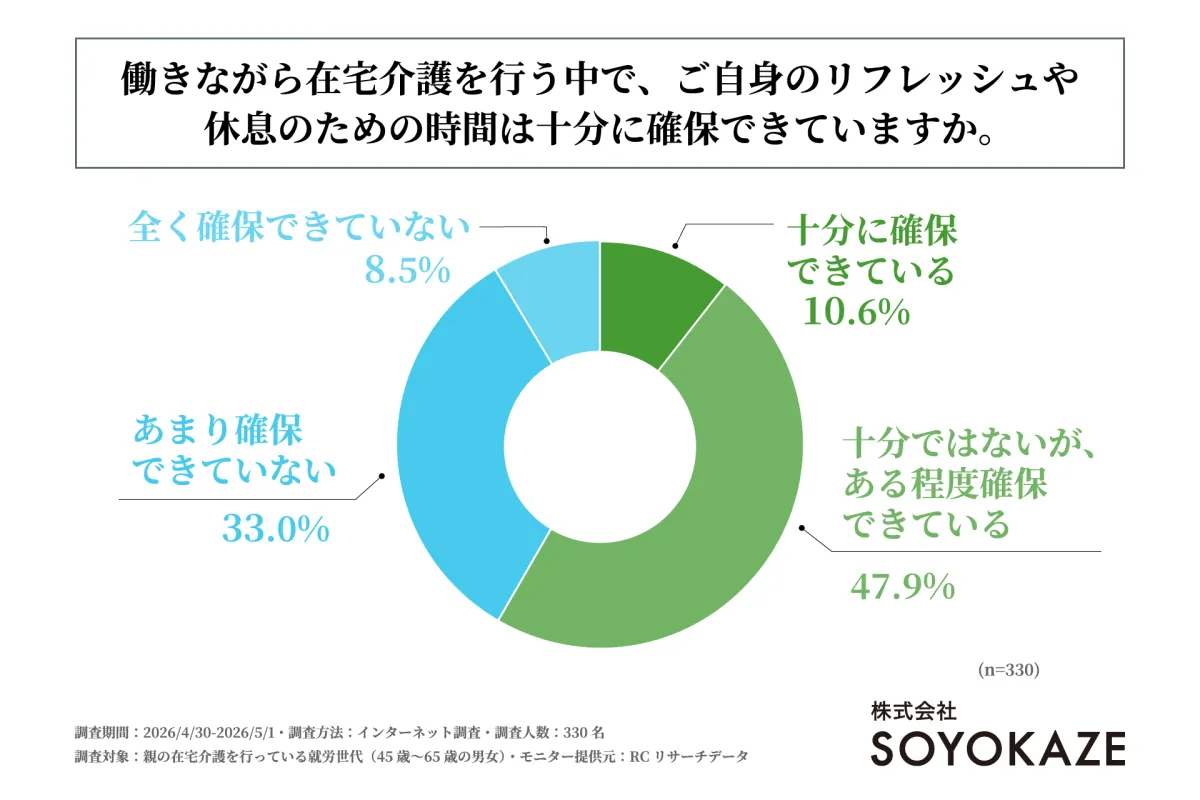
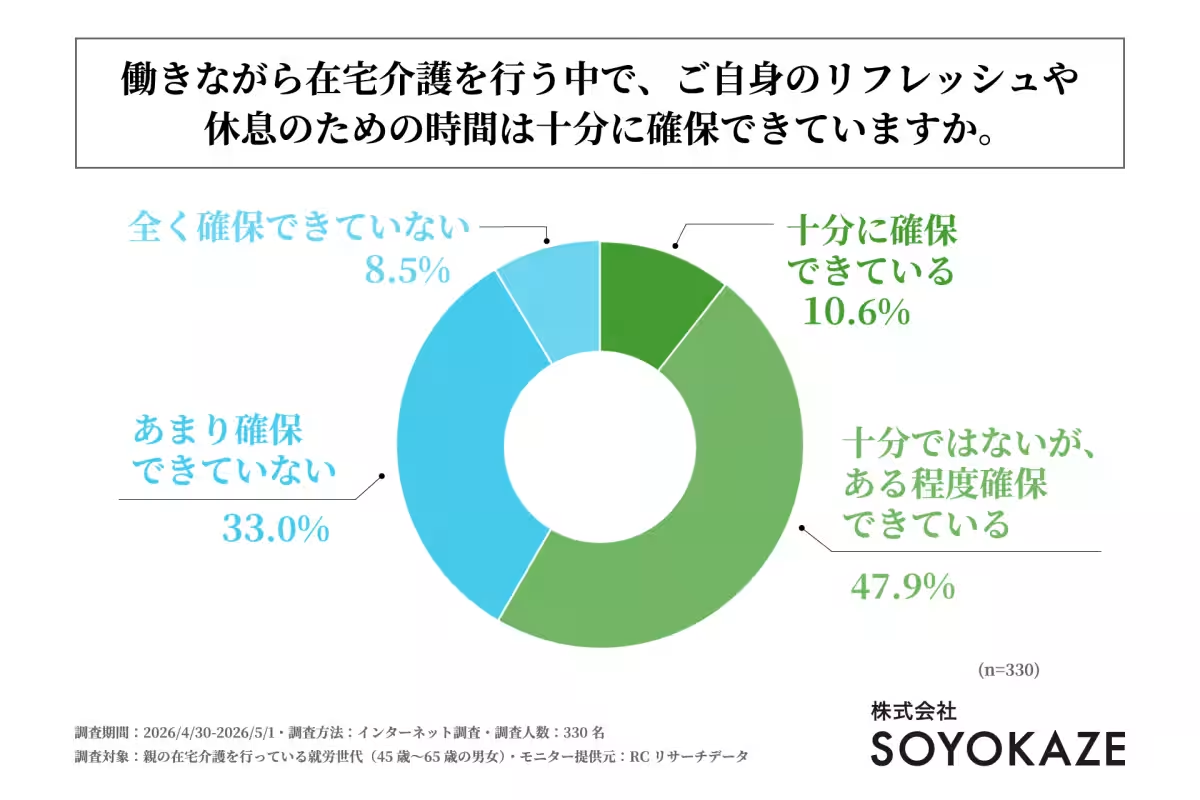
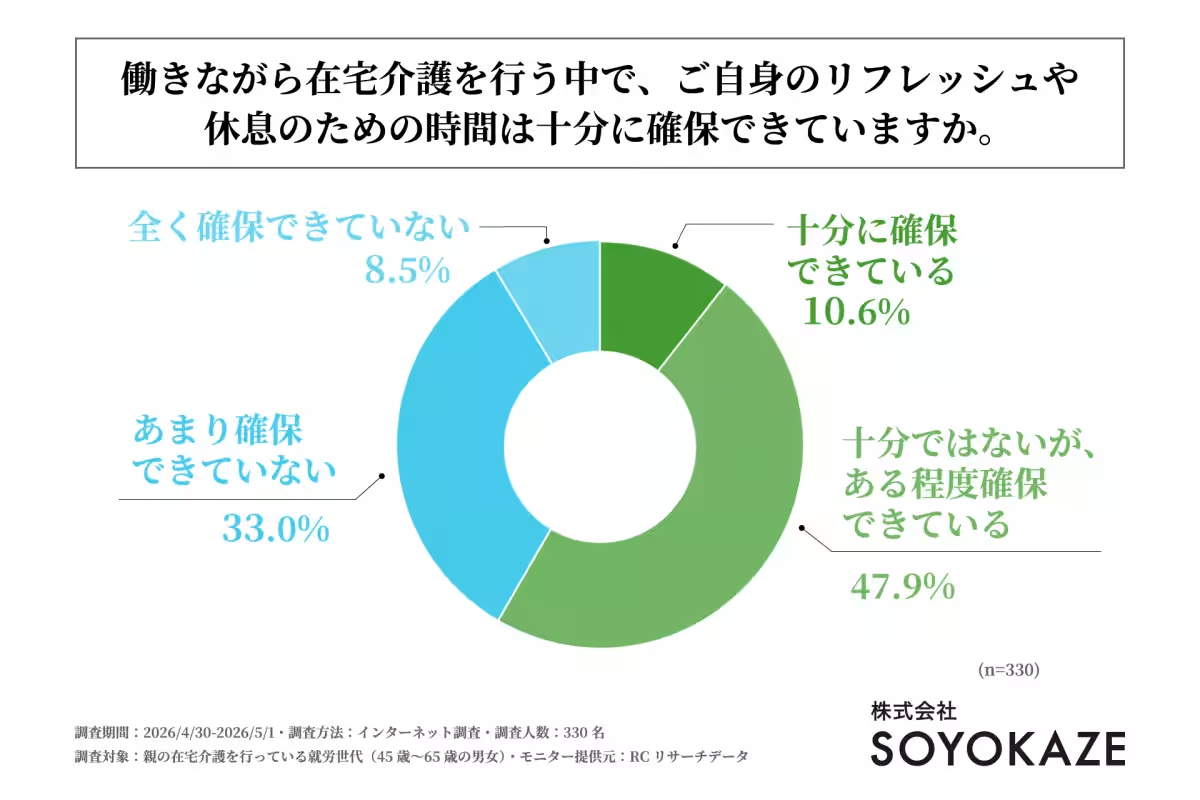
In a related area, the survey indicated that nearly 90% of working caregivers struggle to carve out time for their own refreshment and rest. When asked, 47.9% acknowledged they had limited, but some time for self-care, while 33.0% felt they had little time at all. The findings starkly underscore how this demographic is often unable to prioritize their mental health amidst the demands of caregiving.
Psychological Stress as a Major Concern
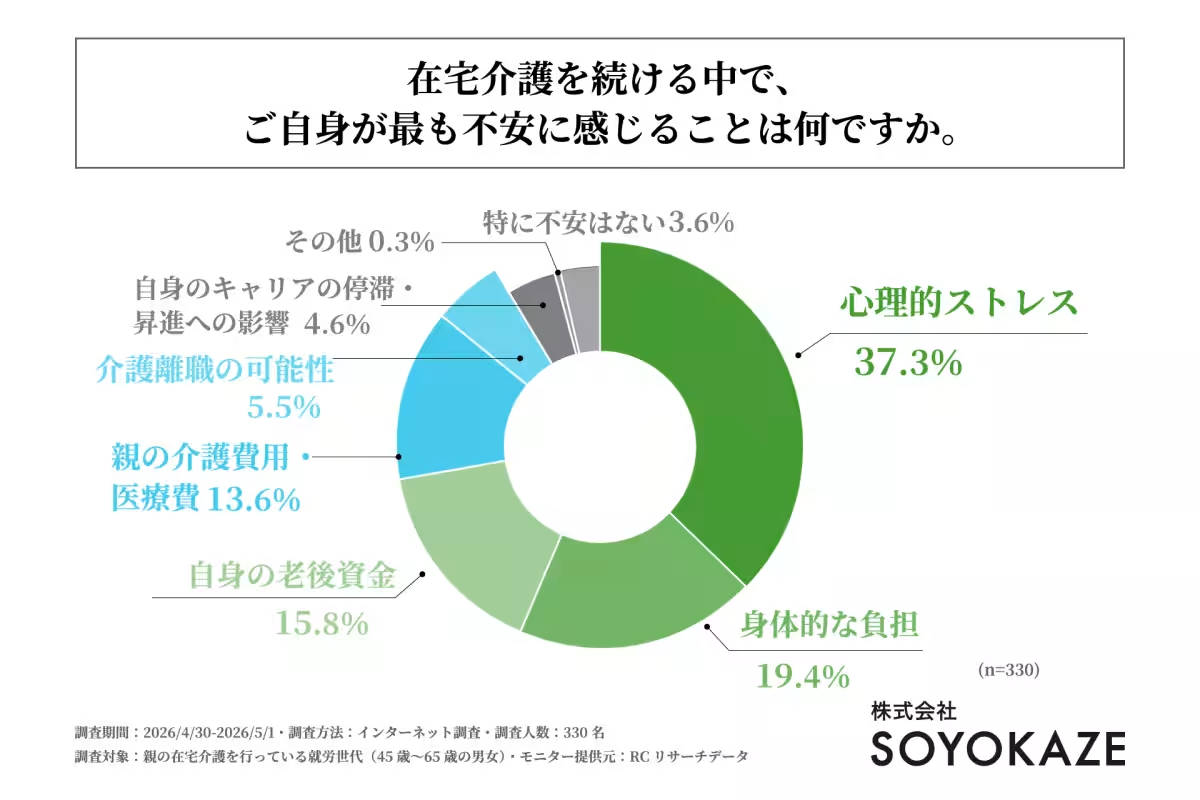
When queried about their foremost worries related to caregiving, 37.3% expressed that psychological stress was their biggest concern, followed by physical burden (19.4%) and worries about their future retirement funds (15.8%). It highlights that mental health support should be a priority for caregivers.
Experience with Respite Care
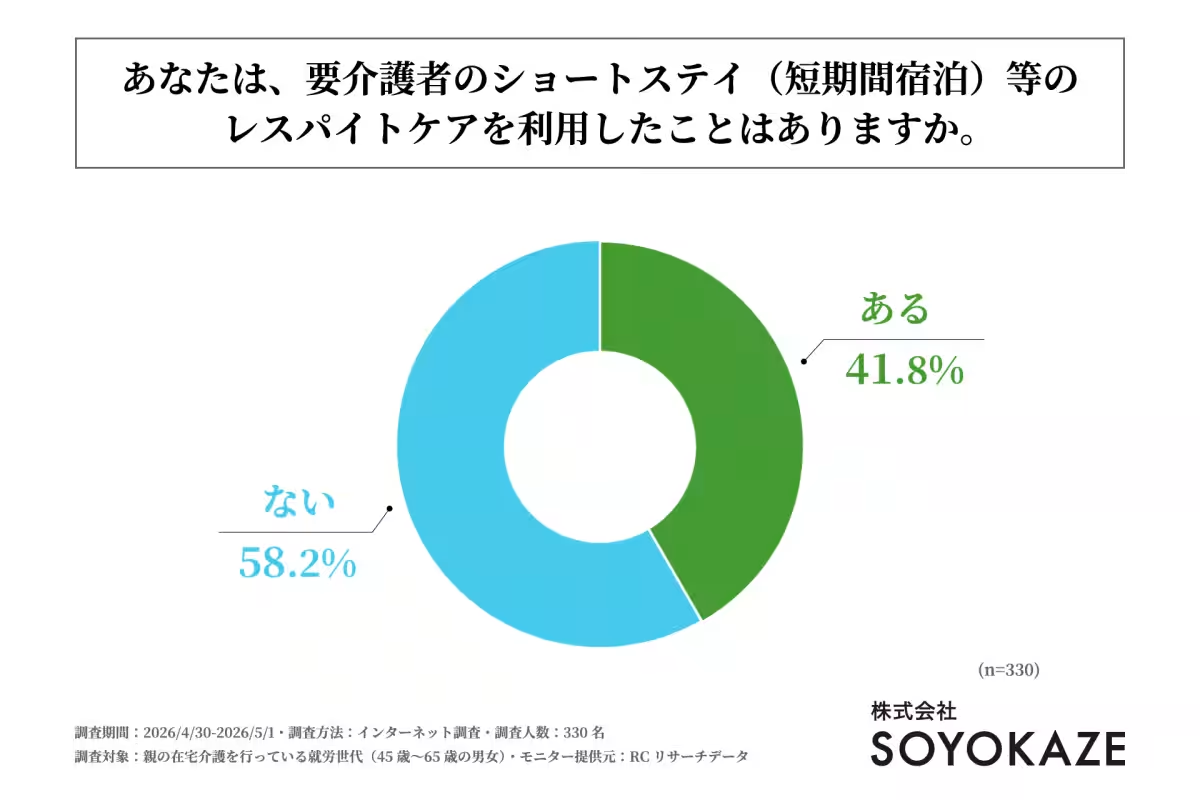
Interestingly, the survey found that over 40% of working caregivers had utilized respite care services, such as short-term stays for the elderly. Despite the prevalent need for these services, 58.2% indicated they had never availed themselves of respite care, emphasizing a gap in accessing much-needed support.
Desire for Respite Services
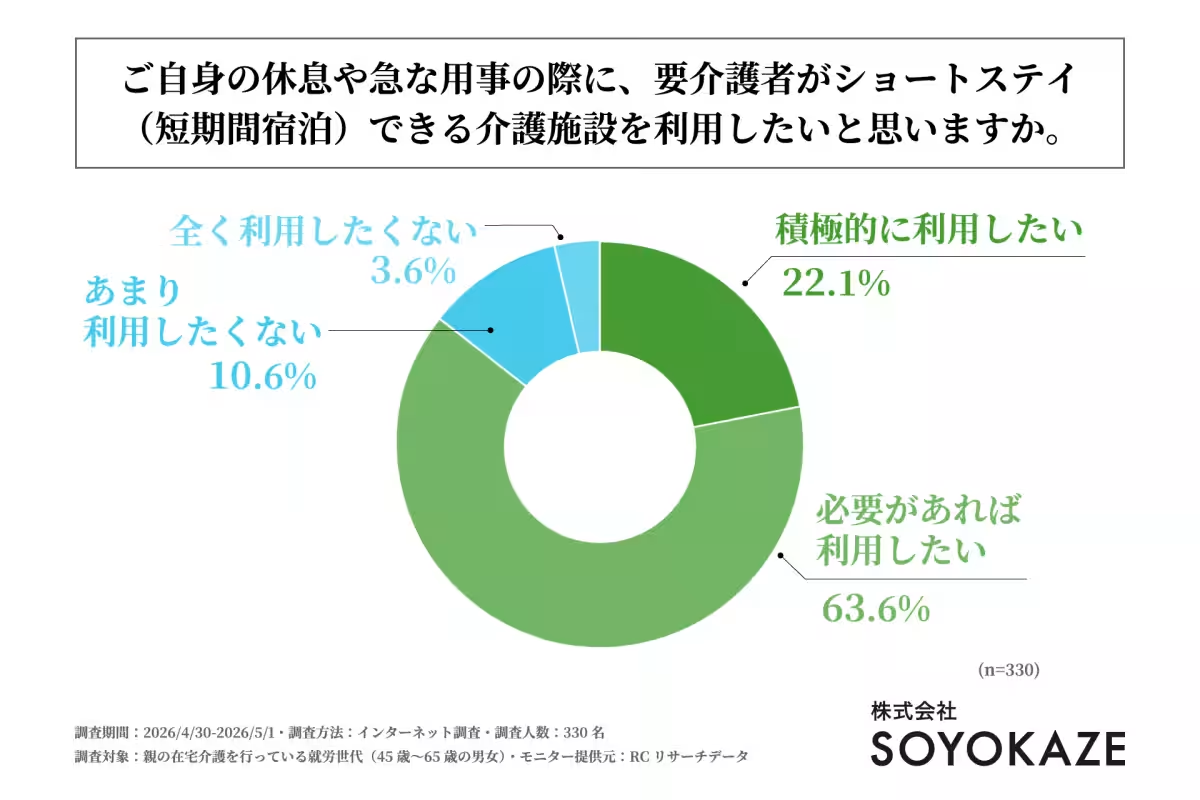
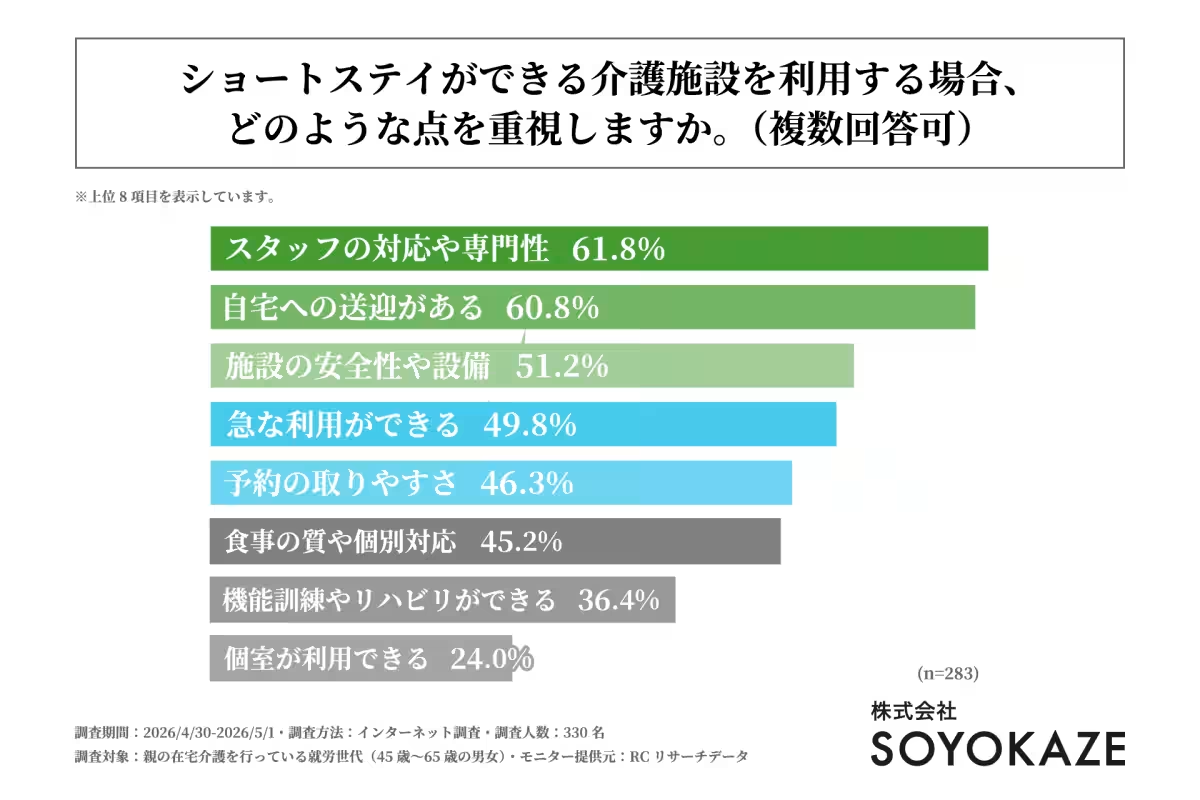
In terms of wanting to benefit from respite care services, a striking 85% of caregivers expressed a desire to use facilities that allow short stays for their care recipients during their own urgent needs or periods of rest. The top three factors that caregivers prioritize when considering such facilities include staff professionalism (61.8%), transportation services (60.8%), and safety standards (51.2%).
Conclusion
SOYOKAZE's research reveals the concerning reality faced by working caregivers, with the need for respite care becoming increasingly vital. The significant emotional and physical burdens they endure can be alleviated through better access to respite services. SOYOKAZE is committed to supporting families by providing flexible short-stay services that cater to the needs of both the caregivers and their elderly parents. By addressing these challenges, we can foster an environment where caregivers find the much-needed relief they require to continue providing care without sacrificing their own well-being.
For more information on SOYOKAZE’s short-stay services, visit their website.
About SOYOKAZE
Founded in June 1975 and located in Tokyo's Minato Ward, SOYOKAZE has built a robust reputation as a provider of care services. Their diverse offerings—including fitness and meal delivery—illustrate their comprehensive approach to supporting families in need. With a commitment to excellent service, they prioritize creating a safe and supportive environment for elderly care.
Topics Health)
【About Using Articles】
You can freely use the title and article content by linking to the page where the article is posted.
※ Images cannot be used.
【About Links】
Links are free to use.