



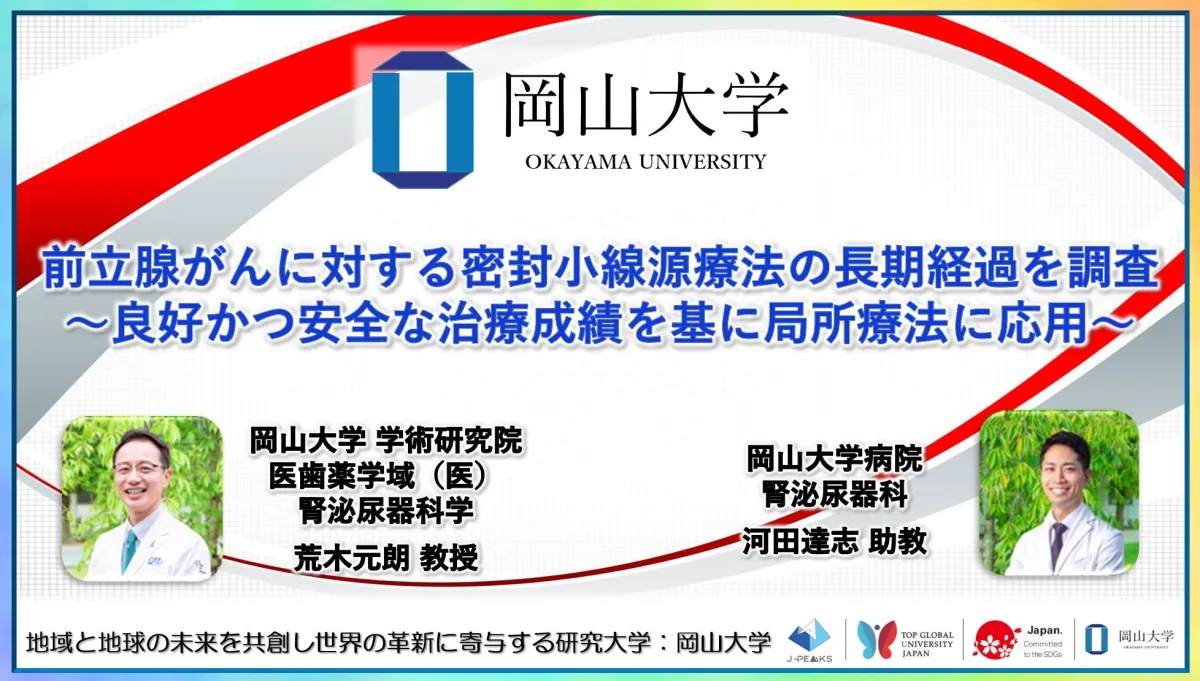
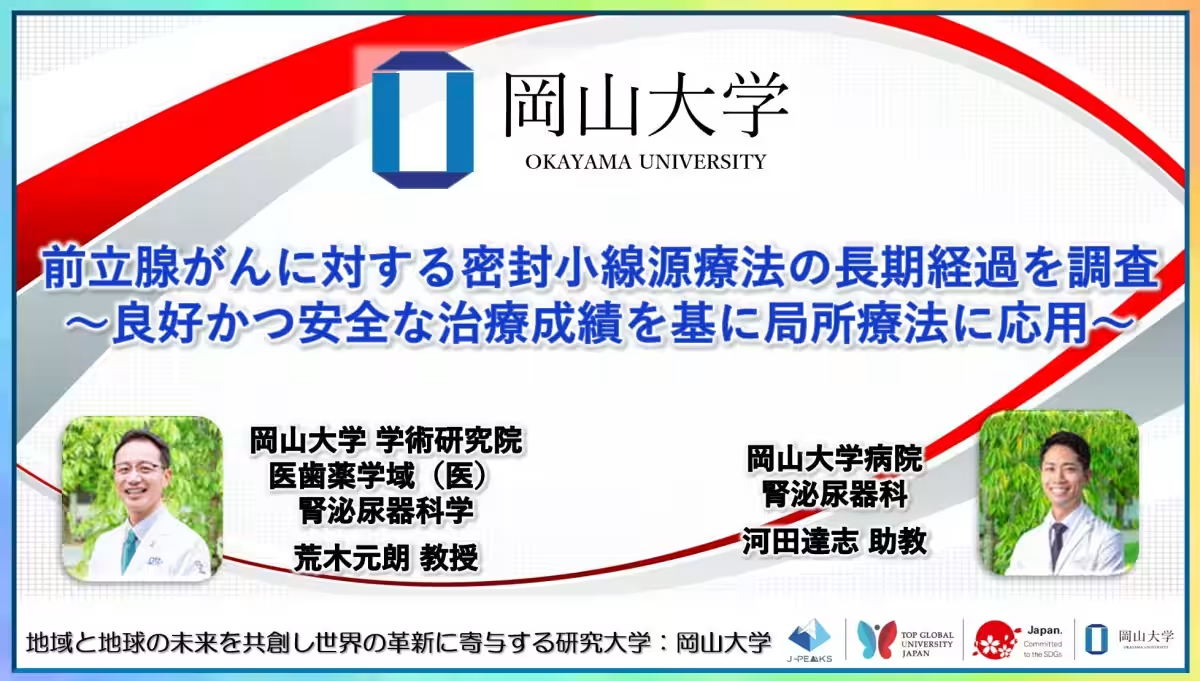
Long-Term Outcomes of Brachytherapy for Prostate Cancer at Okayama University Hospital
Breakthrough Results in Prostate Cancer Treatment at Okayama University Hospital
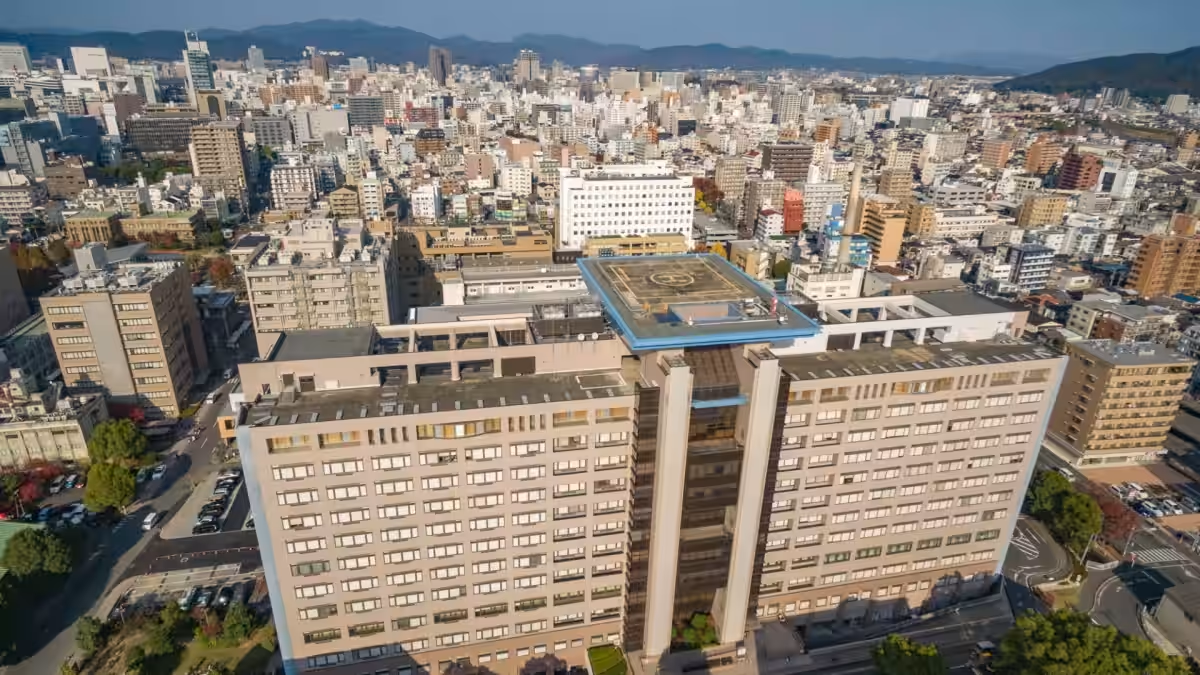
In a significant medical advancement, Okayama University Hospital has reported the long-term outcomes of brachytherapy, a pioneering treatment method for prostate cancer. Conducted over an extended period of nearly two decades, this investigation offers promising insights into the effectiveness and safety of this innovative therapy.
Overview of Brachytherapy
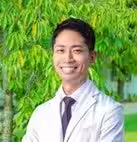
Brachytherapy is a method that involves implanting small radioactive capsules into the prostate gland to deliver targeted radiation to cancerous cells. This technique is less invasive than traditional surgical options and allows patients to maintain their routine daily activities during treatment. Under the guidance of Professor Motoo Araki and Assistant Professor Tatsuji Kawada, a study was conducted on 648 patients treated over the last twenty years.
Remarkable Survival Rates
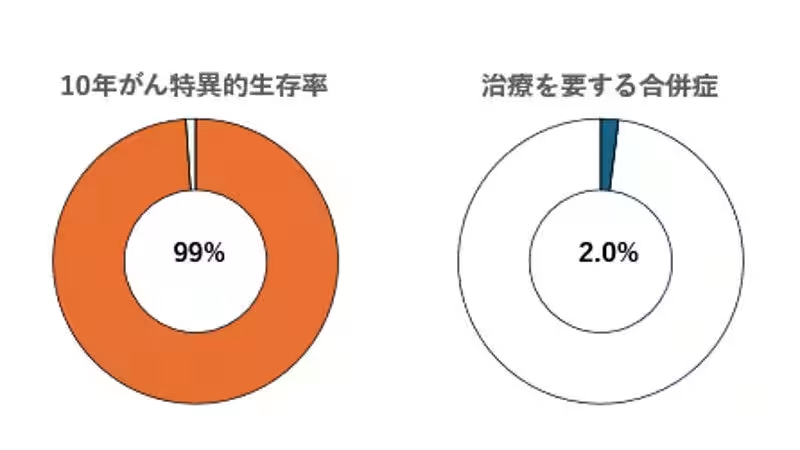
The study, which evaluated the outcomes for over 10 years post-treatment, revealed that the cancer-specific survival rate stood at an impressive 99%. This indicates that only 1% of the patients who received this therapy died from prostate cancer within a decade. This remarkable statistic underscores the treatment's efficacy in combating prostate cancer while preserving the patient's quality of life.
Notably, more than 90% of the patients maintained stable tumor marker levels, indicating no resurgence of the cancer after a decade of treatment. These results demonstrate the potential of brachytherapy as a reliable option for managing prostate cancer.
Focus on Patient Safety and Minimizing Side Effects
Alongside the high survival rates, the study highlighted the low incidence of side effects, further establishing the safety profile of brachytherapy. As prostate cancer treatment continues to evolve into more minimally invasive techniques, researchers are looking toward incorporating focal therapy, which specifically targets cancerous tissues while sparing surrounding healthy cells. This refined approach aims to enhance treatment effectiveness while reducing side effects even further.
Future Directions
As stated by Professor Araki, the findings of this long-term study provide essential evidence for the viability of brachytherapy, balancing the goals of cancer eradication and preserving the patient's quality of life. The advancements in MRI and molecular imaging technologies will likely enhance the precision of targeted therapies, leading to more personalized and effective treatment options for prostate cancer patients.
Assistant Professor Kawada echoes this sentiment, noting the importance of maintaining the lifestyle of patients during treatment. Many patients reported no changes to their life rhythms after treatment, reflecting high satisfaction levels with their care. Moving forward, the focus will be on delivering even more precise treatments, allowing a significant reduction in treatment burden for prostate cancer patients.
Conclusion
The long-term success of brachytherapy for prostate cancer at Okayama University Hospital offers hope and direction for the future management of the disease. The high survival rates and low side effect profile pave the way for innovative approaches like focal therapy, assuring patients that they can receive effective cancer treatment without compromising their quality of life.
In closing, the research findings affirm the potential of brachytherapy in revolutionizing the landscape of prostate cancer treatment, allowing for better patient outcomes and satisfaction. Continuous efforts in refining these techniques will undoubtedly enhance the quality of care for patients dealing with this prevalent condition.
For those seeking further information on this groundbreaking research, please consult the related papers published in the International Journal of Urology or contact Okayama University Hospital for inquiries regarding treatment options and clinical practices.
Topics Health)
【About Using Articles】
You can freely use the title and article content by linking to the page where the article is posted.
※ Images cannot be used.
【About Links】
Links are free to use.