



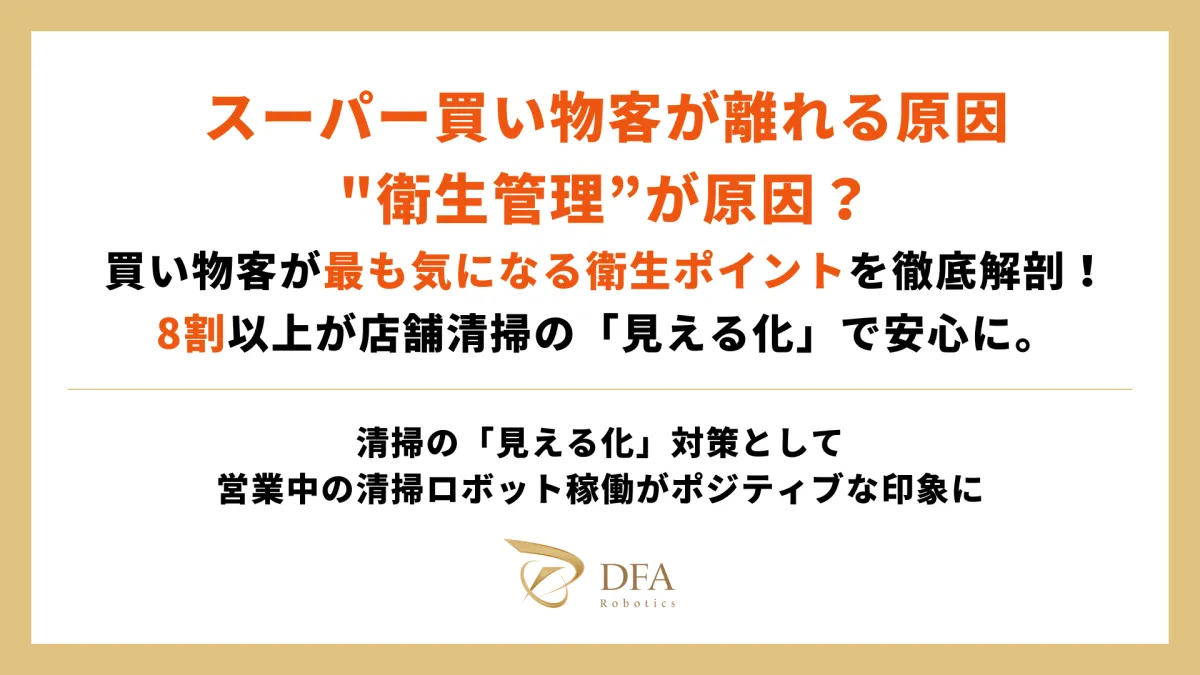
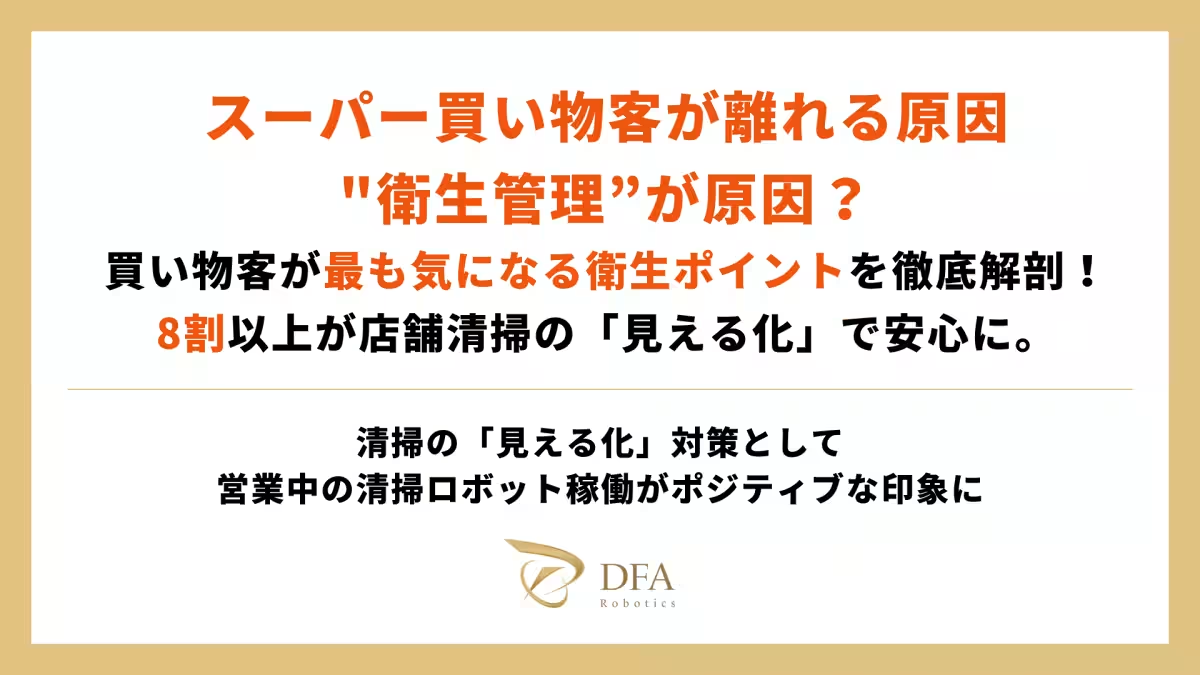
Hygiene Awareness in Supermarkets: Insights from Recent Survey
Understanding Hygiene Awareness Among Supermarket Shoppers
Introduction
In today's competitive supermarket landscape, customer satisfaction directly correlates with sales. A recent survey conducted by DFA Robotics has revealed a concerning trend: the rising apprehension of shoppers regarding hygiene standards in stores. This article delves deeply into the findings and what they mean for the future of supermarket operations.
Survey Overview
DFA Robotics, a Tokyo-based robotics solutions company, surveyed 111 individuals aged 30 to 60 who shop at supermarkets at least once per week. The goal was to gauge the current hygiene awareness among these consumers and understand its implications for supermarket management.
Key Findings
1. Shoppers are Highly Aware of Hygiene
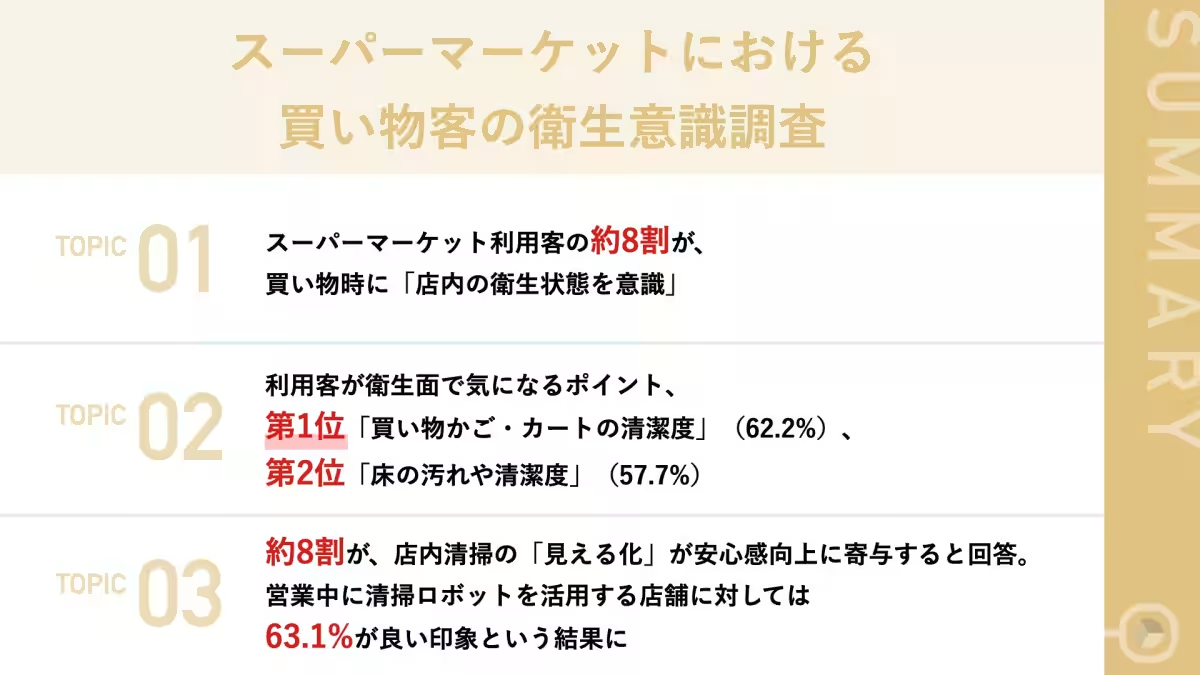
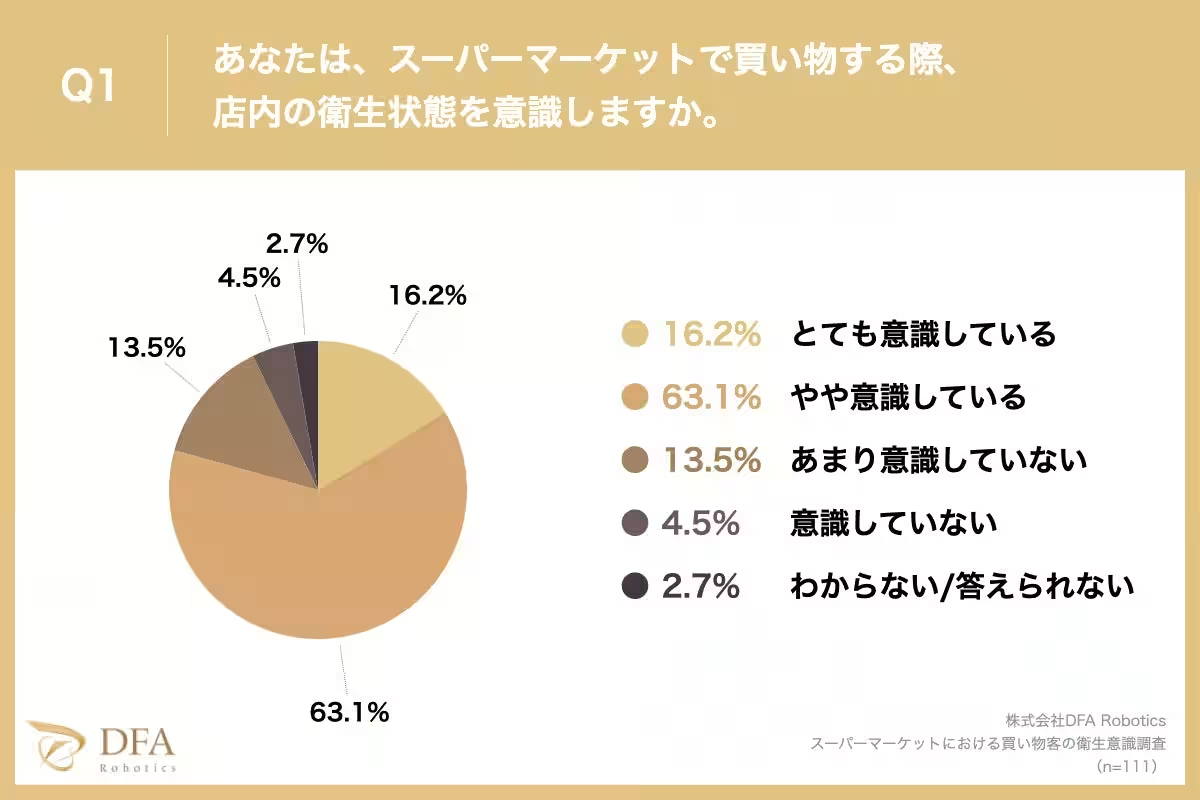
Approximately 79.3% of respondents indicated that they are conscious of the store's hygiene while shopping.
- - Self-reported Awareness: 16.2% of shoppers stated they are highly aware, while 63.1% are somewhat aware.
2. Top Hygiene Concerns
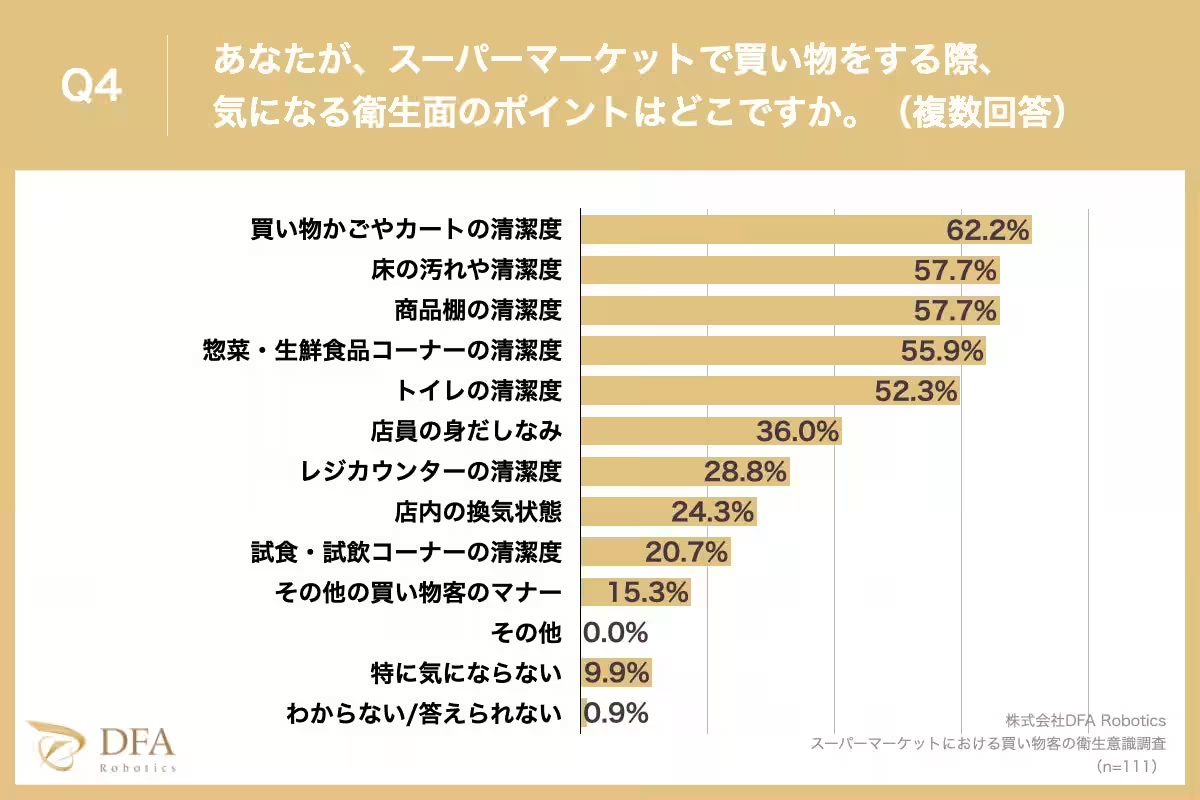
The survey pinpointed specific areas of concern for shoppers:
- - Cleanliness of Shopping Carts and Baskets: 62.2% ranked this as their biggest worry.
- - Cleanliness of the Floors: 57.7% were concerned about dirtiness in this area.
- - Cleanliness of Product Shelves: Another 57.7% shared this concern, indicating the visibility of hygiene issues throughout the shopping experience.
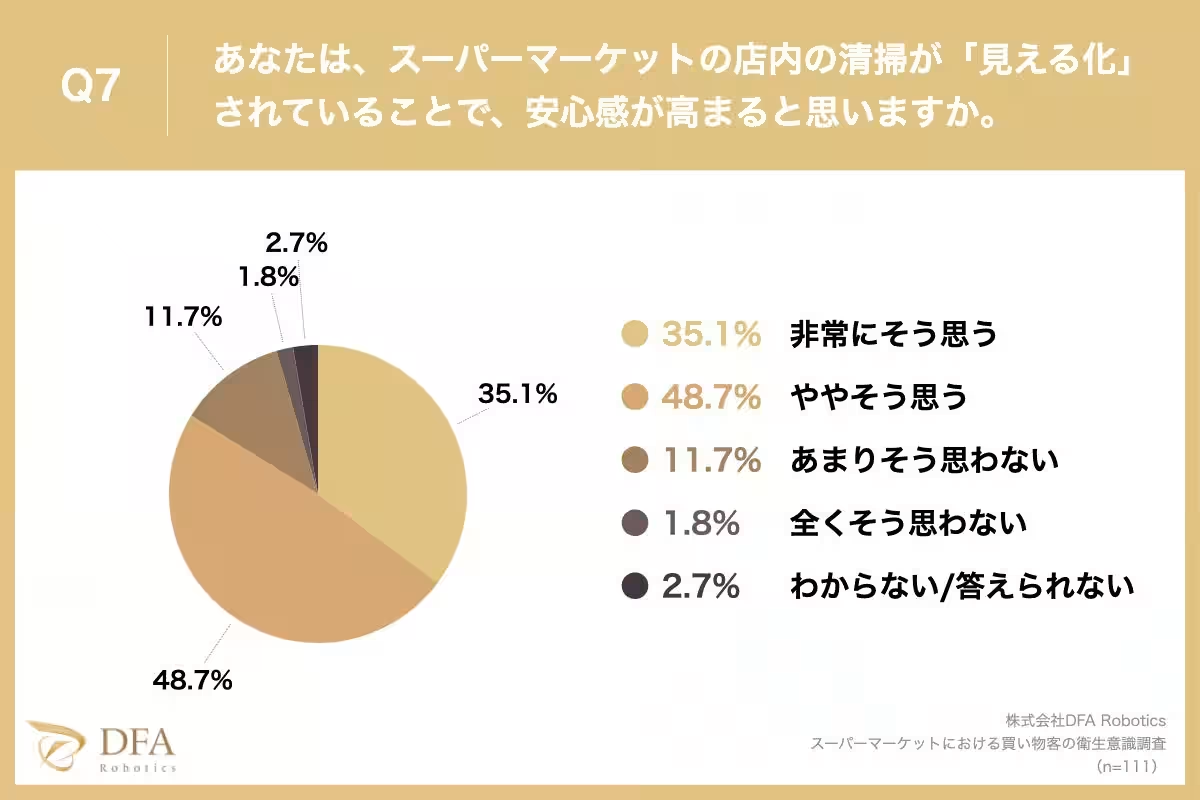
3. The Importance of Visible Cleaning
A significant 83.8% of respondents believe that visible cleaning efforts in stores enhance their comfort and trust in the shopping environment.
- - Positive Impressions of Cleaning Robots: About 63.1% expressed favorable views towards stores that use cleaning robots during operating hours.
Implications for Supermarket Management
For Store Owners
The findings underscore the critical need for supermarket owners and managers to address hygiene concerns actively. With competition soaring, falling short on hygiene could result in losses not just in trust, but also in revenue.
- - What This Means for Store Owners: Stores that cannot identify the root cause of declining foot traffic may find insights in this survey—hygiene appears to be a pivotal factor.
- - Keeping Standards High: For those striving to maintain or boost their cleaning quality, investing in robotic cleaning solutions may be the answer.
Attracting Staff and Maintaining Quality
As businesses face staffing challenges, incorporating cleaning robots not only streamlines operations but also elevates service quality.
- - Efficiency and Cost Savings: Robots can clean larger areas consistently while freeing up employees to focus on customer service and inventory management.
Conclusion
The consumer perception of hygiene in supermarkets is rising to the forefront of shopping priorities. With nearly 80% of shoppers prioritizing the cleanliness of the shopping environment, supermarket operators must adapt. The implementation of cleaning robots is not just a trend but a necessary investment for enhancing customer trust and ensuring cleanliness. DFA Robotics is at the forefront of this evolution, providing solutions that meet the demands of modern consumers while addressing the workforce challenges many retailers face.
To explore the complete survey findings, download the full report available on DFA Robotics' website.
About DFA Robotics
DFA Robotics is dedicated to creating futuristic solutions through robotics that enhance business operations. The company believes in leveraging technology to uplift human potential rather than replace it, making strides in the field of cleaning and service robots. For more information, visit DFA Robotics.
Contact: DFA Robotics
PR Division: TEL: 03-6823-2696
Email: [email protected]


Topics Consumer Products & Retail)









【About Using Articles】
You can freely use the title and article content by linking to the page where the article is posted.
※ Images cannot be used.
【About Links】
Links are free to use.