



Japanese Labor Research Institute Secures Patent for AI-Powered Business Improvement Methodology
Japanese Labor Research Institute's Innovative Patent for AI-Driven Business Improvement
The Japanese Labor Research Institute (所在地:東京都新宿区) has made significant strides in operational efficiency through its recently patented method known as “best job.” On March 10, 2026, they secured a patent for using AI technology to facilitate a sophisticated analysis and standardization process, aiming to optimize workplace functions.
Addressing Workforce Shortages and Task Management
In the contemporary business landscape, the challenges of workforce shortages and over-reliance on individual expertise have become increasingly prevalent. The departure of seasoned employees often results in an irreversible loss of knowledge. Furthermore, escalating time and costs associated with training new hires create additional burdens for organizational productivity. Common problems that arise in many companies include:
- - The disappearance of vital know-how due to veteran employee turnover.
- - Steep increases in training time and costs for new employees.
- - Variability in work quality and frequent human errors.
- - Difficulties in visualizing and standardizing complex business processes.
- - The burden of increased workloads leading to employee fatigue.
- - Strained interpersonal relationships due to task dependency.
Features of “best job”
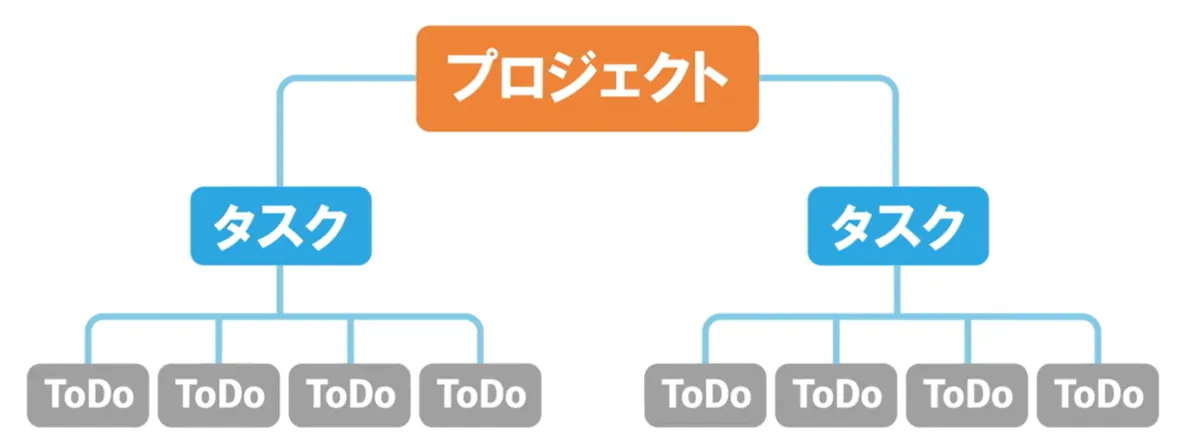
The best job methodology structures work into three distinct levels to ensure visibility and standardization:
1. Project: A consolidation of the project's overall scope, key points, and necessary knowledge.
2. Task: Subcategorizing activities into major classifications, allowing for the assignment of multiple ToDos for each task.
3. ToDo: Detailed management of individual tasks or checklist items necessary for completion.
System Characteristics:
- - Clearly defined roles for assigning tasks to specific individuals.
- - Real-time tracking of project progress.
- - Improved quality through standardized work processes.
- - Supports skill enhancement through the accumulation and sharing of knowledge.
For a more detailed insight into best job, view the service introduction video.
Details of the AI Patent Technology
- - Patent Registration Date: March 25, 2026 (No. 7839585)
- - Formal Patent Name: Support Device for Creating Accounting Documents Using Conversational Generative AI.
New Functionality: AI-Powered Business Analysis Support
By integrating the generative AI approach, traditional manual work analysis becomes a fraction of the time and effort required. The best job methodology simplifies the relay of information, pinpointing which tasks occur and the corresponding steps at the ToDo level. This new structure converts operational knowledge into a more manageable format, thus enhancing workflow transparency.
Innovative Features of the Patent Technology:
- - Automated Work Decomposition: The AI autonomously breaks down existing work or manuals into project, task, and ToDo levels.
- - Prompt Templates: Optimized AI analysis directives adjusted based on the unique characteristics of different tasks.
- - Automatic Knowledge Generation: Turns analysis outcomes into a formatted “recipe” for work, aiding in standardization.
- - Continuous Improvement Feature: Offers enhancements and updates to existing D-rules based on current practices.
Comparison Before and After AI Integration
| Aspect | Before (Manual Analysis) | After (AI Support) |
|---|---|---|
| -- | ----- | ------- |
| Analysis Task | Difficulties in organizing tasks based on veteran experience. | Automated analysis drastically cuts time while preventing oversight. |
| Standardization | Task specifics remained overly dependent on individual knowledge leading to inconsistencies. | Standardized formats now allow anyone to conduct high-quality analysis effortlessly. |
| Education and Improvement | Newcomer training remained a costly venture. | Continuous analysis and improvements promote work quality. |
Real-World Applications: Year-End Tax Adjustment Analysis
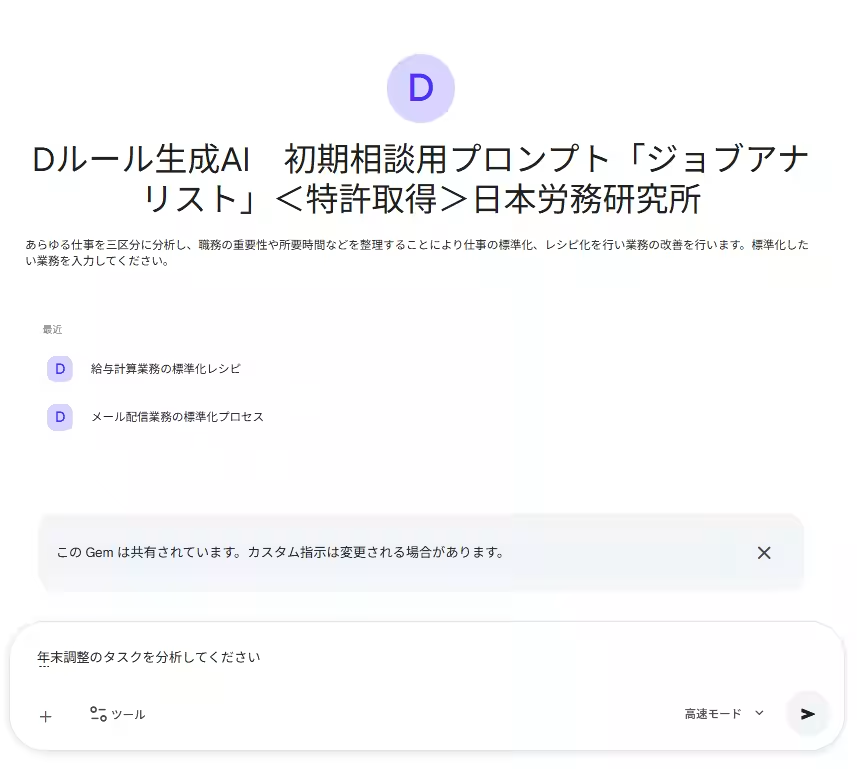
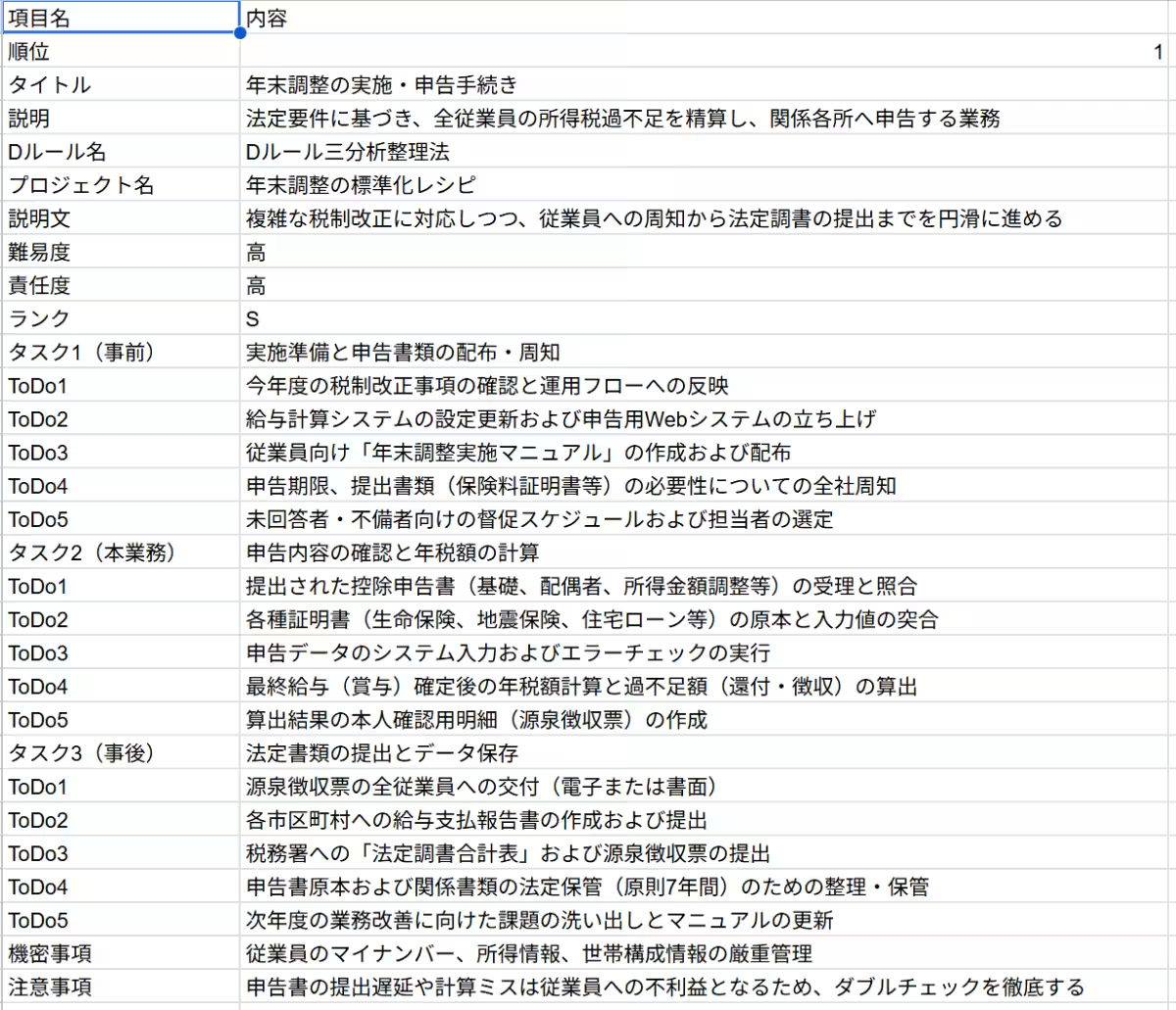
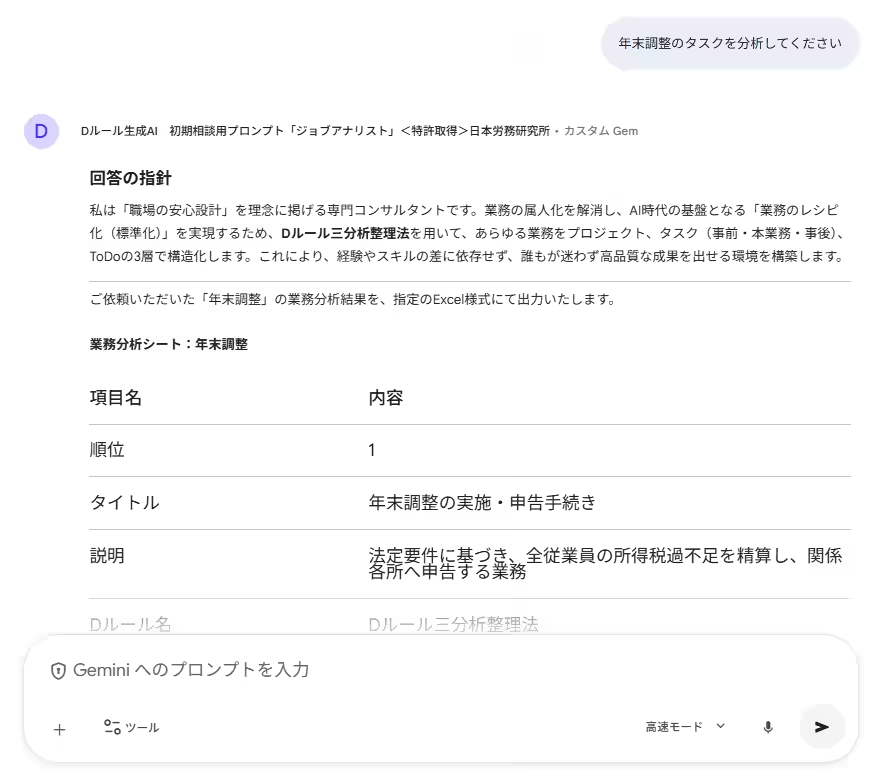
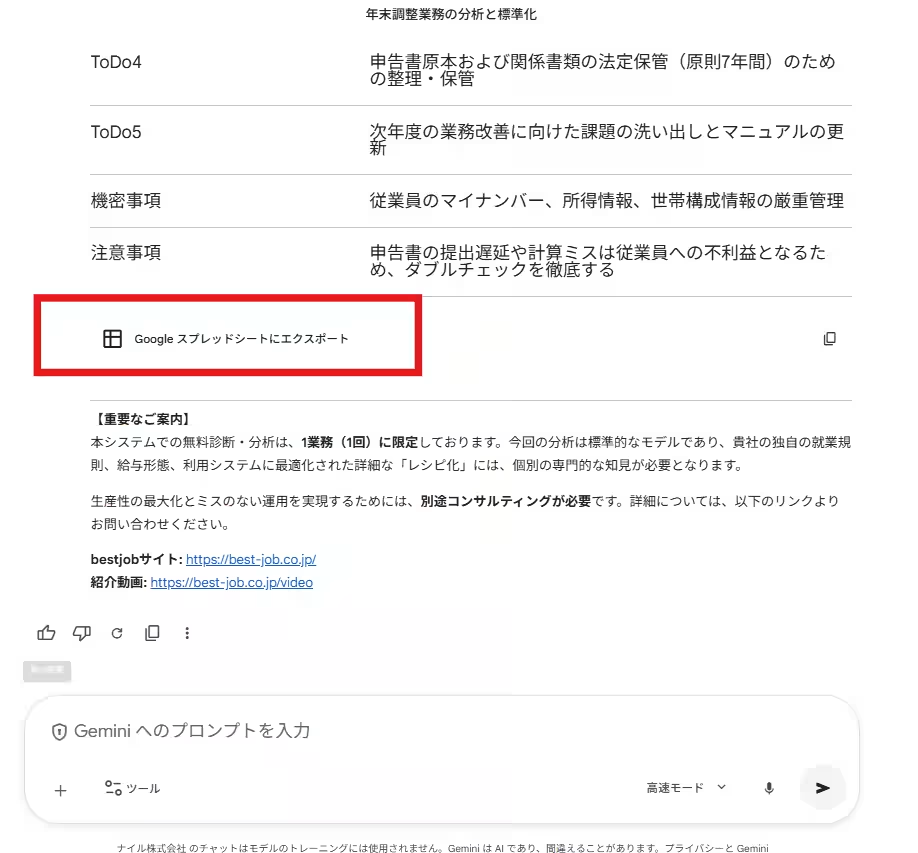
An emblematic case where generative AI provided clarity was during the year-end tax adjustment process, which typically burdens accounting departments. By employing Job Analyst Gem, users could swiftly receive detailed assessments that significantly reduced turnaround times. An instance involved analyzing the year-end adjustment tasks by simply prompting the tool, leading to an automated output of critical ToDos. This efficiency allows teams to redirect focus onto core responsibilities, contributing to improved workplace morale and performance.
Future Development Aspirations
Looking ahead, the best job initiative plans to:
- - Promote operational standardization and enhance workplace security through expert consultations.
- - Expand AI prompt templates for industry-specific enhancement.
- - Develop multi-language support for international staff.
- - Integrate features specific to industries such as manufacturing and services, while also enhancing connectivity with existing systems.
CEO's Insight
CEO Keiichi Okuyama remarked on the pressing need for maximizing outputs with limited manpower and emphasized the importance of clarity in work allocations to counteract inefficiencies caused by role dependency. He conveyed that the AI-enabled best job approach would facilitate easier access to thorough work analysis, enhancing competitiveness for Japanese enterprises moving forward.
For more inquiries about implementing these transformative practices, reach out via contact form.
Topics Other)
【About Using Articles】
You can freely use the title and article content by linking to the page where the article is posted.
※ Images cannot be used.
【About Links】
Links are free to use.