



KURANDO's Survey Reveals the Impact and Challenges of DX Tools in Logistics Centers
The Challenges of DX Tools Implementation in Logistics Centers
Introduction
In recent years, the logistics industry has faced increasing pressure to enhance productivity and efficiency. Amidst challenges like Japan's 2024 logistics issue, companies are increasingly turning to Digital Transformation (DX) tools. However, a survey conducted by KURANDO, a company based in Shinagawa, Tokyo, highlights significant concerns regarding the effectiveness of these tools—a finding that is both enlightening and warrants deeper exploration.
Background of the Survey
KURANDO's research targeted logistics managers who have recently implemented DX tools in their centers. The primary objective was to investigate the perceived impact and challenges associated with these digital solutions in enhancing operational efficiency. The survey was conducted online between July 24 and July 28, 2025, gathering insights from 218 logistic professionals aged between 20 to 50.
Key Findings
1. Widely Used DX Tools
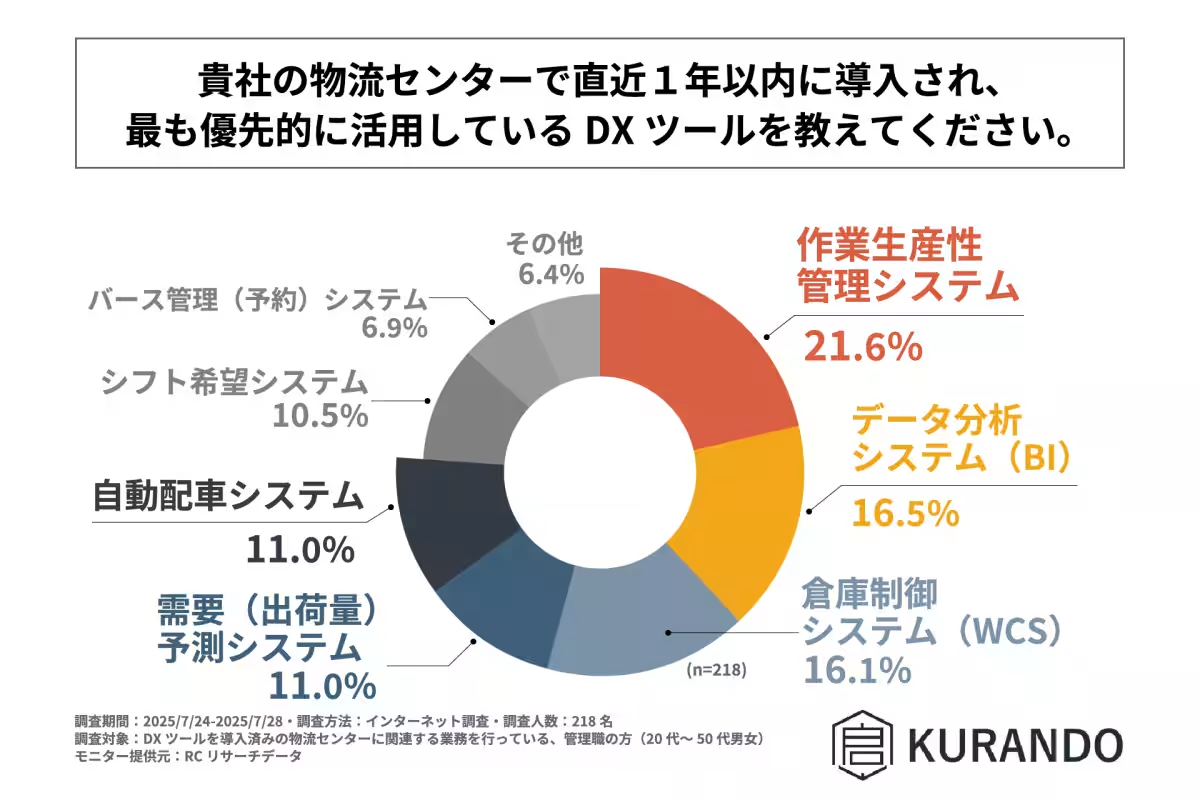
The survey revealed that the most commonly utilized DX tool in logistics centers is the Work Productivity Management System. Around 21.6% of respondents affirmed they prioritized this tool, while Data Analysis Systems and Warehouse Control Systems also received notable mentions.
2. Primary Goals of Implementing DX Tools
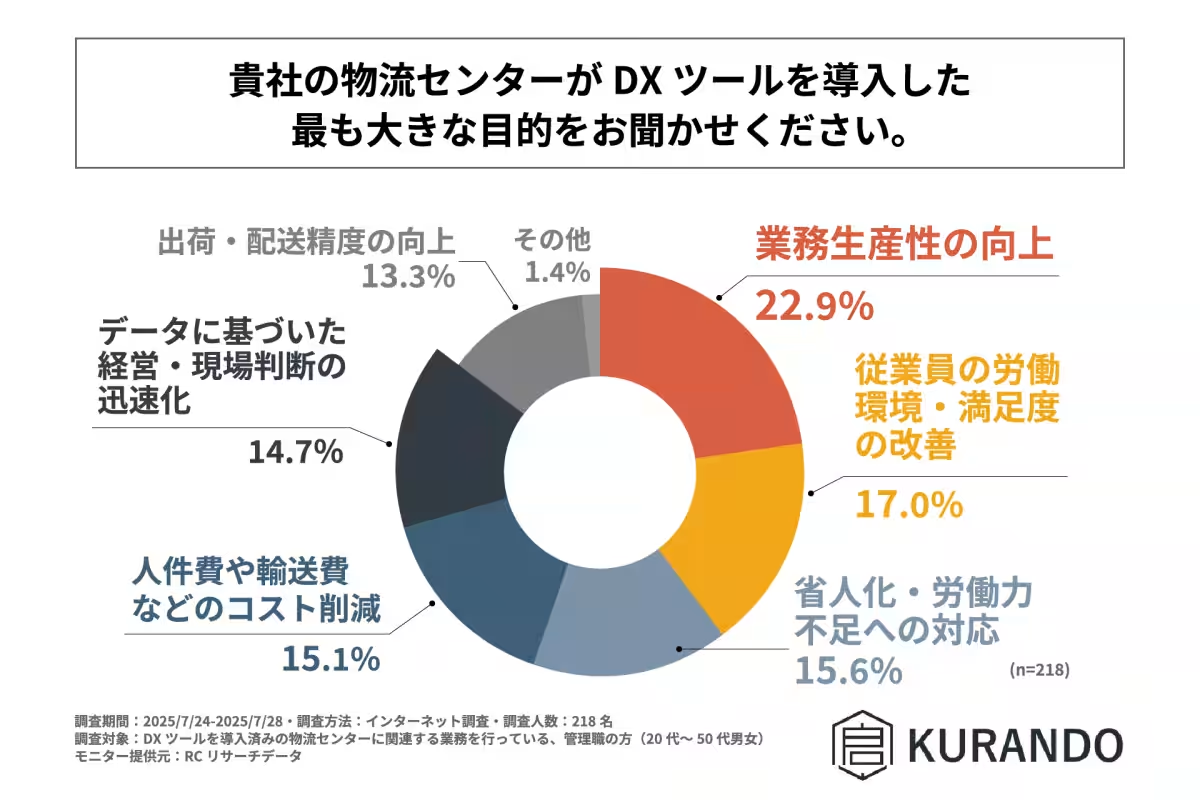
When asked about the primary objectives for implementing DX tools, respondents indicated three main goals: improving business productivity (22.9%), enhancing employee working conditions and satisfaction (17.0%), and addressing labor shortages through automation (15.6%). These findings suggest that while the motivations for adopting DX tools vary, the overarching aim remains consistent across the industry: to operationalize efficiency and satisfaction.
3. Disappointment in Expected Outcomes
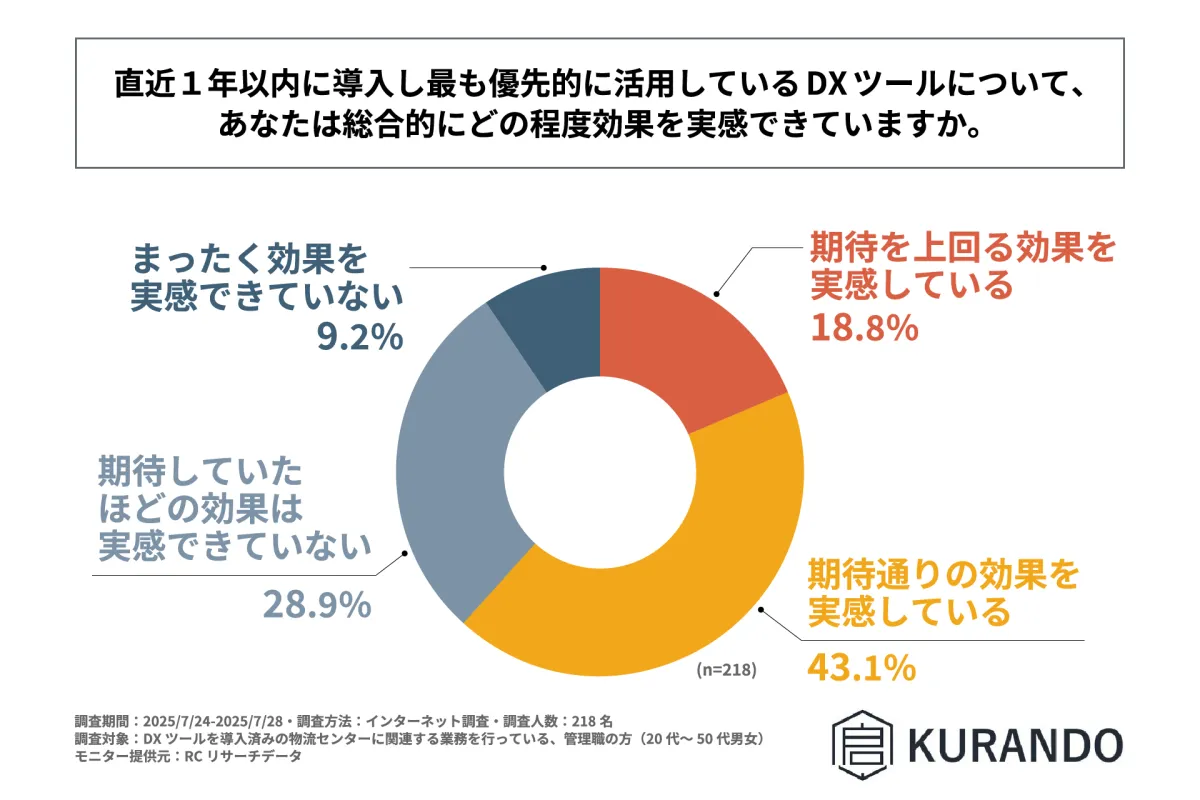
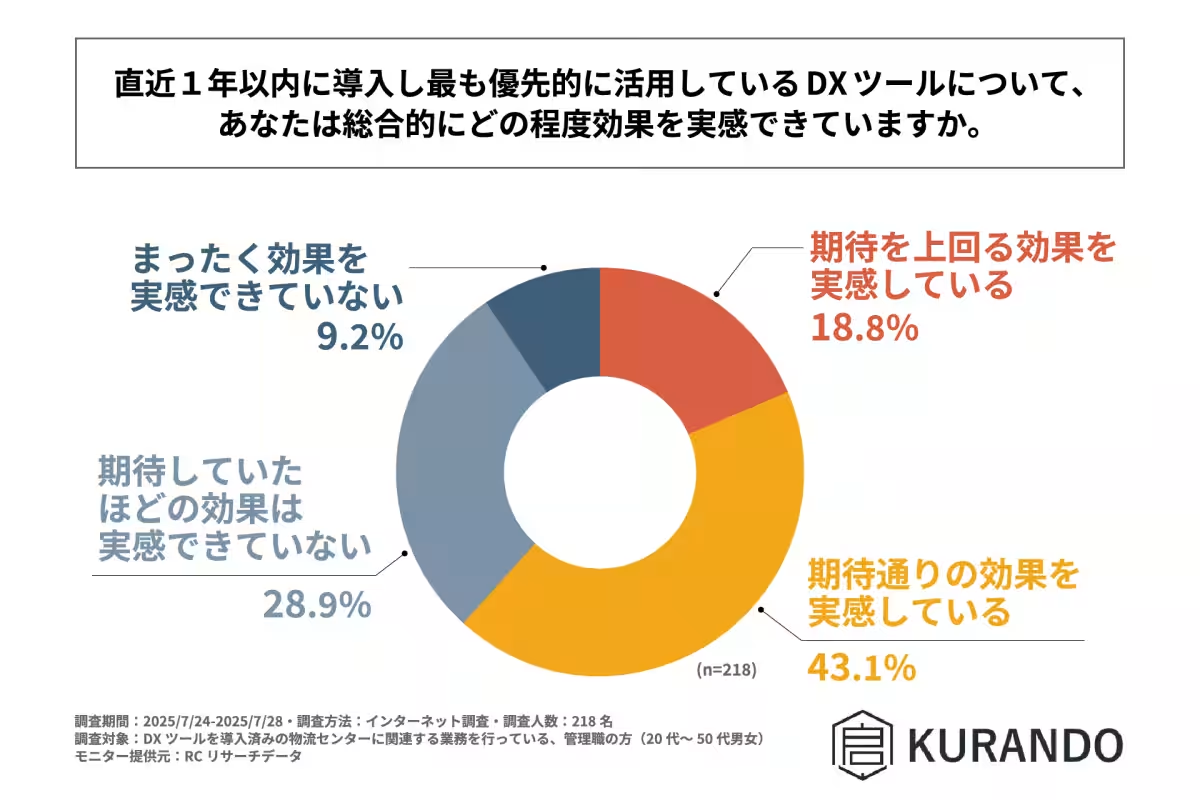
A concerning statistic emerged when participants were asked about their satisfaction with the effects of the DX tools they implemented. Approximately 28.9% expressed they did not experience the anticipated benefits, while 9.2% stated they noticed no improvement at all. This realization indicates that nearly four out of ten managers felt these tools failed to meet their initial expectations, pointing to a disconnect between investment and actual outcomes.
4. Limited Utilization Among Employees
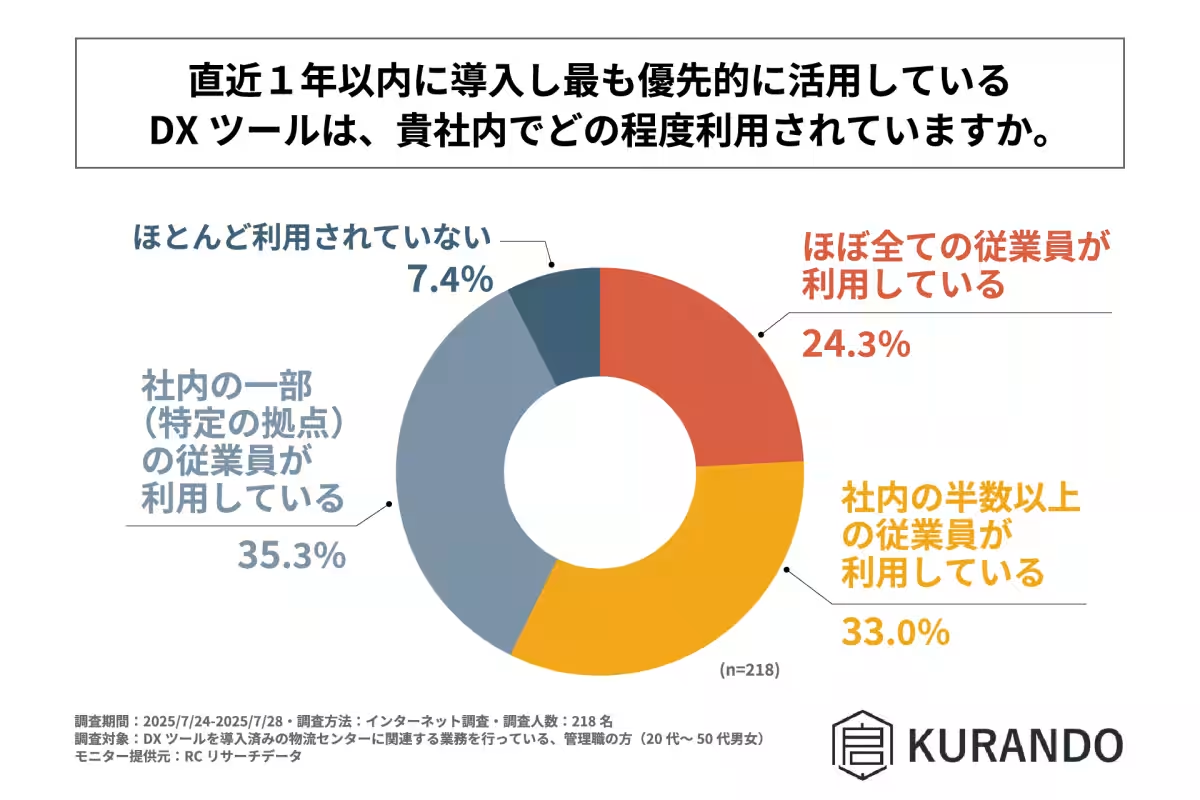
The survey also highlighted that over 40% of logistically employed managers noted that their most prioritized DX tools were only used by a select few employees within the organization. This raises questions about how effectively these tools were being integrated into the workflow and whether training or buy-in was adequate.
5. Challenges in Broadening Usage
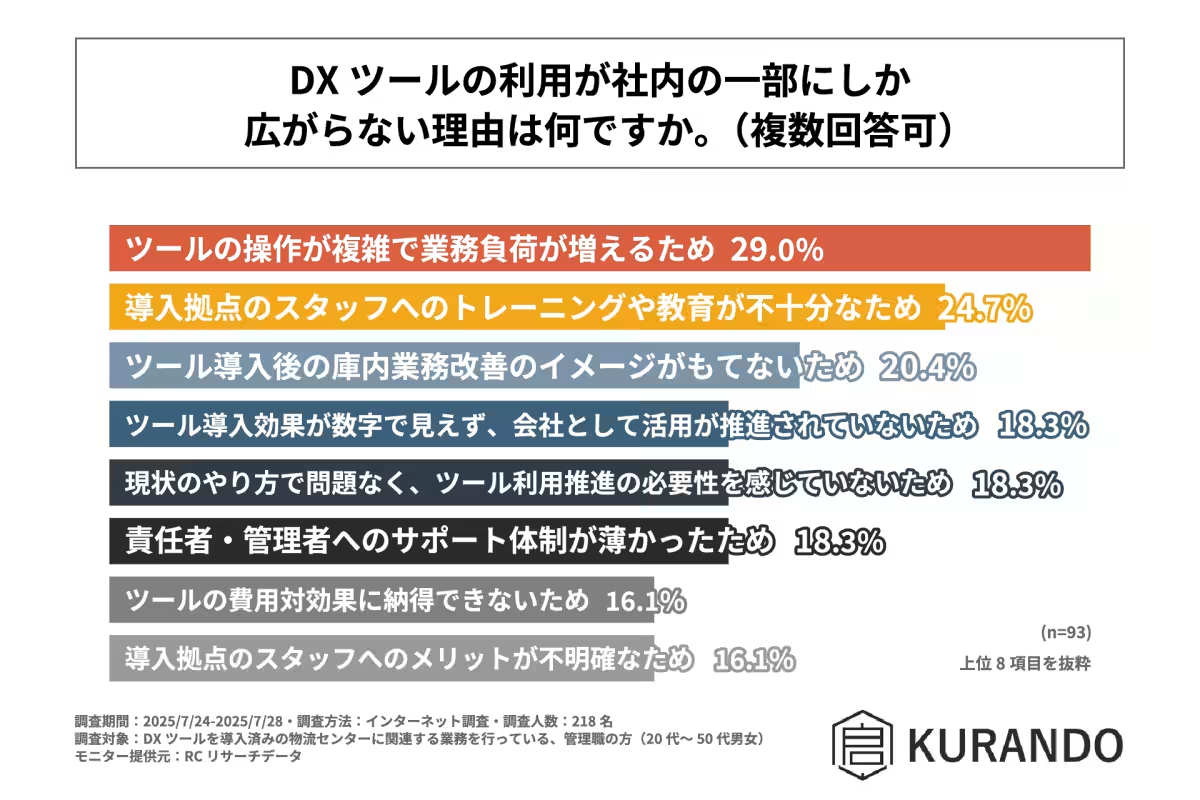
When respondents were queried about why DX tools were underutilized, the most common response (29.0%) indicated that the complexity of these tools added to the operational burden, thereby discouraging broader adoption. Other notable factors included inadequate training and challenges in visualizing the improvements brought by these tools.
6. Success Stories of Full Adoption
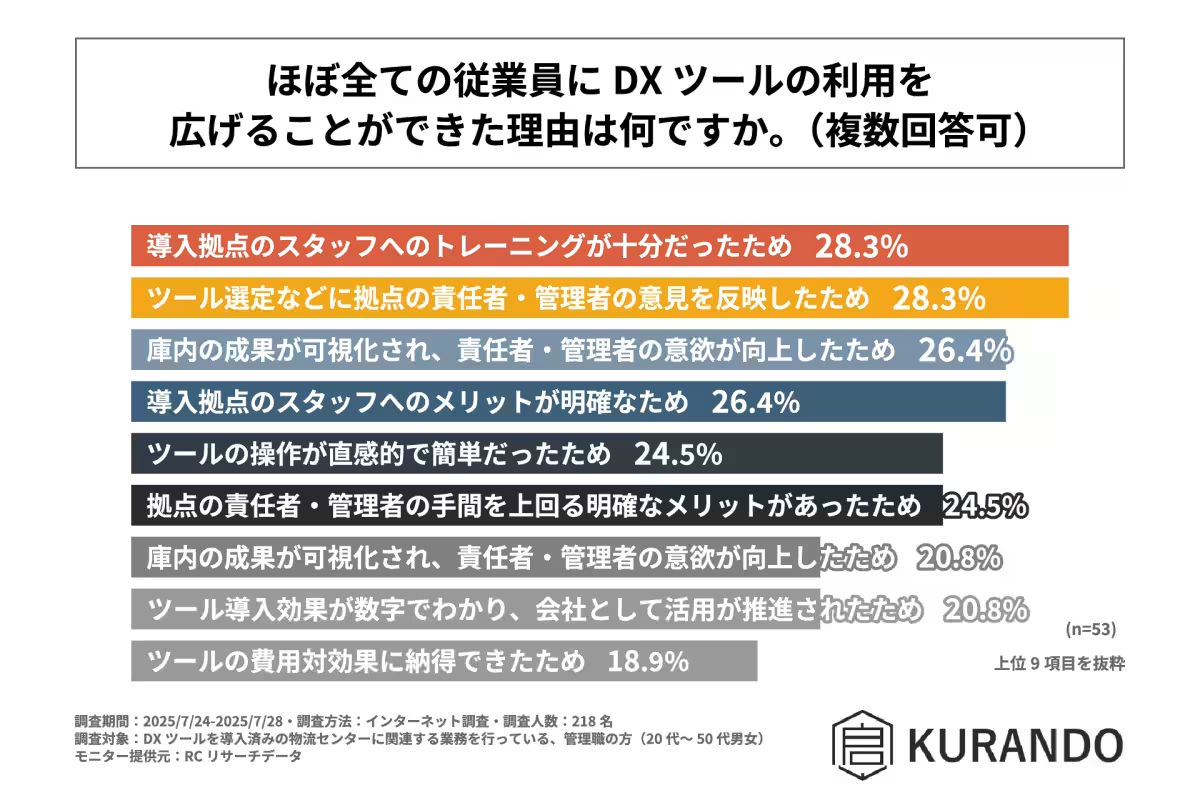
Conversely, managers from logistics centers where DX tools were widely utilized reported that the visibility of outcomes motivated employee engagement. Factors such as comprehensive staff training and incorporating management input during tool selection were noted as critical for successful implementation. These insights underline the importance of effective training and communication in promoting the utility of DX tools.
Conclusion
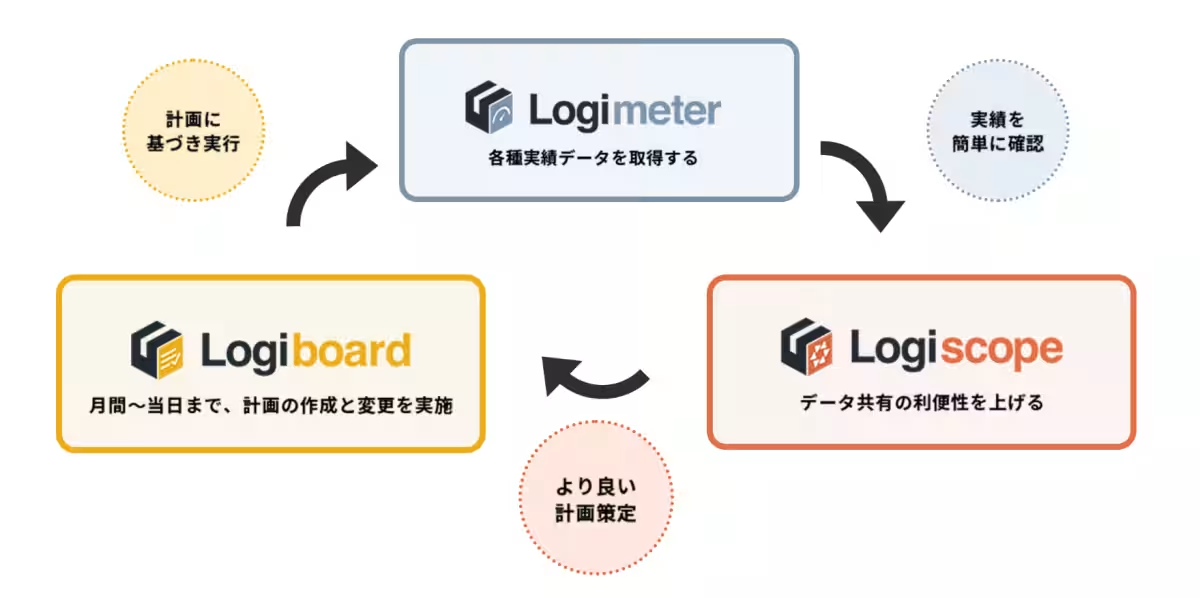
The findings from KURANDO's survey underscore a critical aspect of the ongoing digital transformation in logistics. While many companies strive to enhance productivity through DX tools, approximately 40% of managers remain skeptical about the benefits realized from their implementations. Issues such as tool complexity and insufficient employee training highlight potential pitfalls in achieving widespread acceptance. Nevertheless, those centers that have succeeded in fully integrating these tools have done so through effective training and transparent communication. KURANDO's offerings, such as Logimeter, Logiscope, and Logiboard, aim to address these challenges by enhancing visibility, simplifying user interfaces, and ensuring seamless data integration among all logistics team members. As the industry continues to evolve, companies must learn from these findings to foster an environment where digital transformation translates into real-world productivity gains.

Topics Business Technology)
【About Using Articles】
You can freely use the title and article content by linking to the page where the article is posted.
※ Images cannot be used.
【About Links】
Links are free to use.