



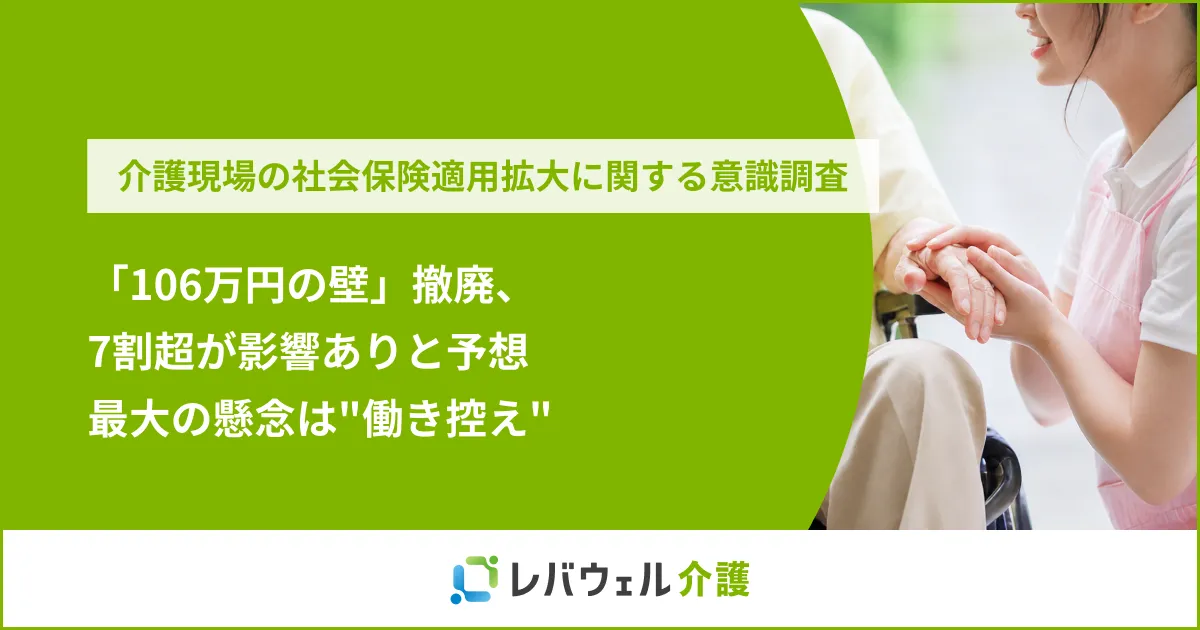
The Impact of the Upcoming Changes in Social Insurance on Japan's Caregiving Sector
The Impact of Upcoming Changes in Social Insurance on Japan's Caregiving Sector
The recent survey conducted by Levwell Corporation sheds light on how the Japanese caregiving industry anticipates the upcoming changes to social insurance regulations, specifically the removal of the so-called "1.06 million yen barrier" come October 2026. This change aims to broaden the eligibility for social insurance coverage for part-time workers, with expectations that it will dramatically alter the landscape for staffing and operations within caregiving facilities.
Key Highlights of the Survey
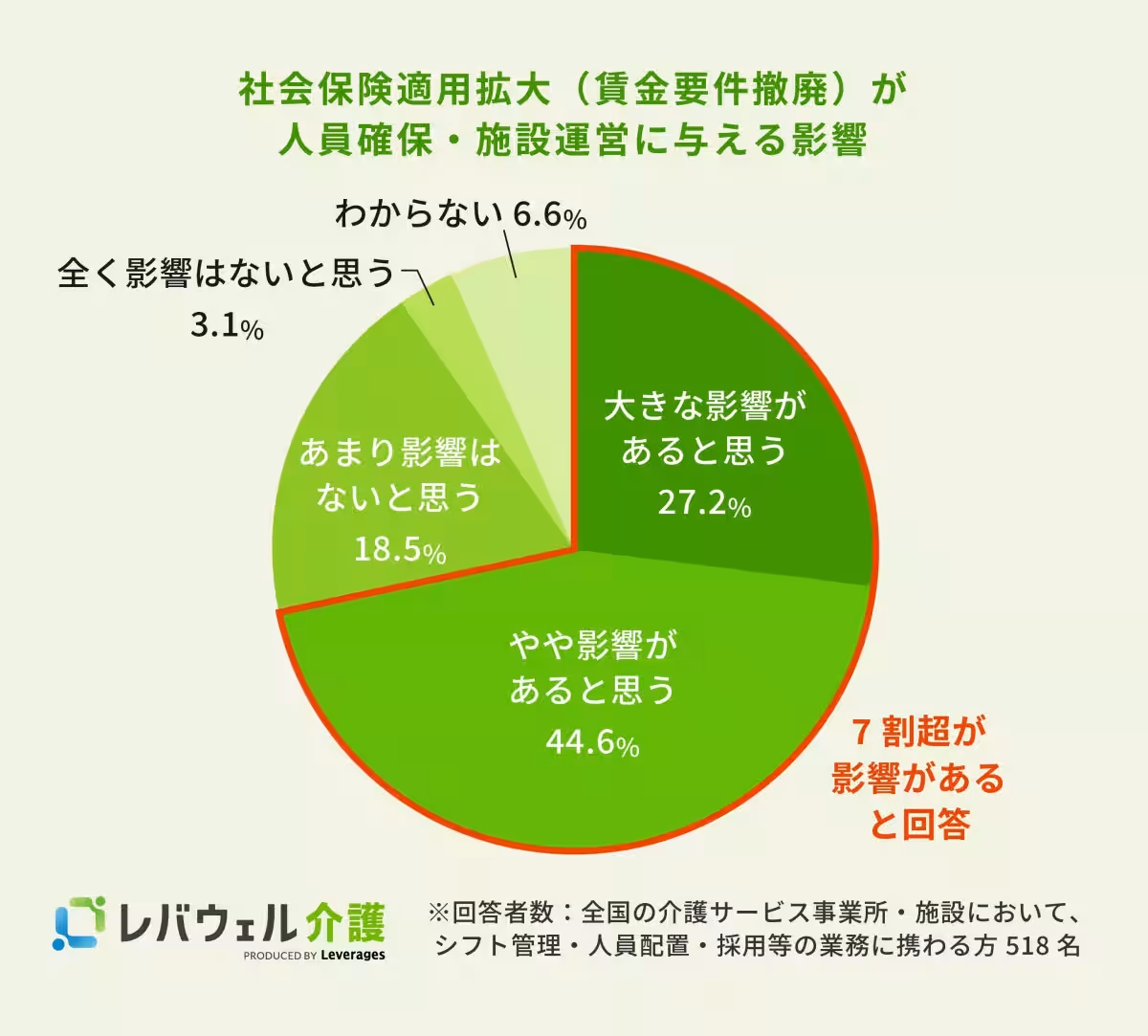
The survey involved 518 professionals associated with shift management, staffing, and hiring within caregiving services across Japan. A substantial 71.8% of respondents acknowledged that the anticipated expansion of social insurance coverage would significantly impact personnel recruitment and facility management. Specifically, the breakdown was as follows:
- - 27.2% felt it would have a significant impact,
- - 44.6% indicated it would have a moderate impact.
The implications of these changes raise major concerns among industry professionals, with the most significant worry being the rise in labor shortages resulting from potential work avoidance by current staff to sidestep social insurance contributions.
Concerns Regarding Labor Supply
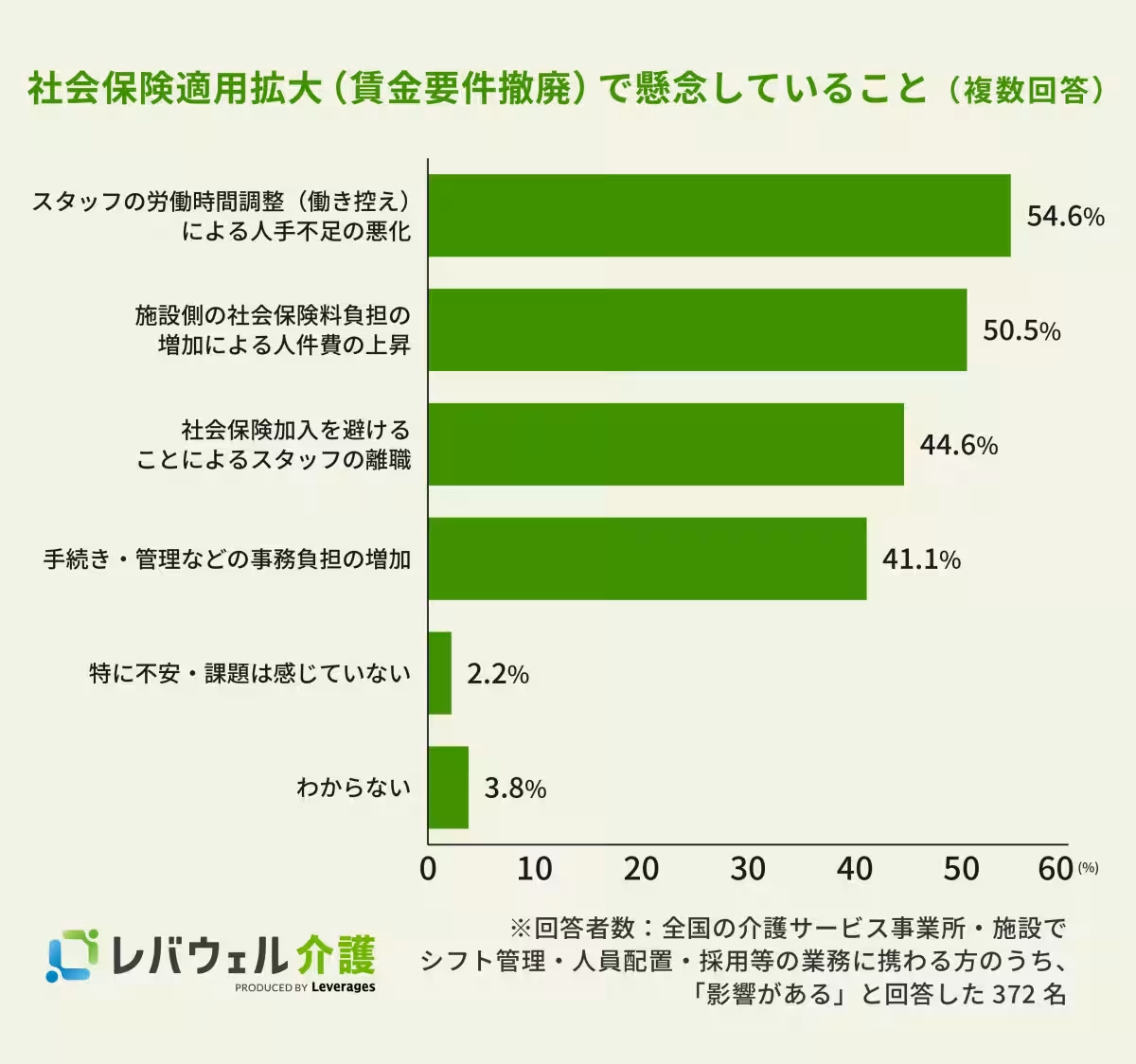
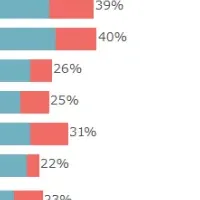
Of the respondents who believed the regulatory changes would have effects, the primary concern was the worsening labor shortages attributed to "work avoidance"—a sentiment expressed by 54.6% of the respondents. The second and third largest concerns encompassed:
- - Increased labor costs due to higher social insurance premiums (50.5%),
- - Staff turnover due to avoidance of social insurance enrollment (44.6%).
These findings reflect a broader apprehension that the forthcoming changes could exacerbate existing human resource challenges within the caregiving sector, which is already grappling with chronic staff shortages.
Future Implications According to Levwell Corporation
Tomohiro Konishi, President of Levwell Corporation, remarked on the impending changes, stating that with the proposed modification in the social insurance system, part-time workers must now work at least 20 hours a week to qualify for protection. This shift could compel part-time workers to adjust their working hours, potentially opting for fewer hours to avoid social insurance enrollment—a situation that could detrimentally impact the number of available hands in the caregiving sector.
Given the potential for heightened labor shortages, the need for diverse strategies to attract and retain talent becomes even more pressing. The industry now requires an environment where various professionals can continue working aligned with their goals and preferences. Furthermore, employers must be adept at selecting the right means for hiring that corresponds with the evolving landscape.
Levwell's Role in Addressing These Challenges
Levwell Corporation is committed to providing multiple recruitment options tailored to meet the needs of employers, seeking to stabilize workforce supply in the caregiving field. They stand ready to assist job seekers in finding positions that suit their skills and preferences, thereby contributing to alleviating the persistent labor shortages troubling this essential sector.
The survey underscores the urgency for innovation in recruitment practices and workplace environments to accommodate a generation of workers that could have their careers dictated by changing regulations.
Conclusion
As the implementation of the social insurance expansion approaches, more than just adjustments in administrative protocol are necessary. For the caregiving sector to thrive amidst these changes, a concerted effort must be made by both employers and job candidates to navigate this precarious terrain, fostering a sustainable workforce and ensuring the quality of care provided to society's most vulnerable populations. The path forward relies on adaptability, support, and innovative solutions aimed at cultivating a robust caregiving community amid transformation and uncertainty.
Topics Health)







【About Using Articles】
You can freely use the title and article content by linking to the page where the article is posted.
※ Images cannot be used.
【About Links】
Links are free to use.