




28% of Commuters Depend on Cars Amid Long Delivery Waits and Repairs
The Struggles of Commuters Without Personal Vehicles
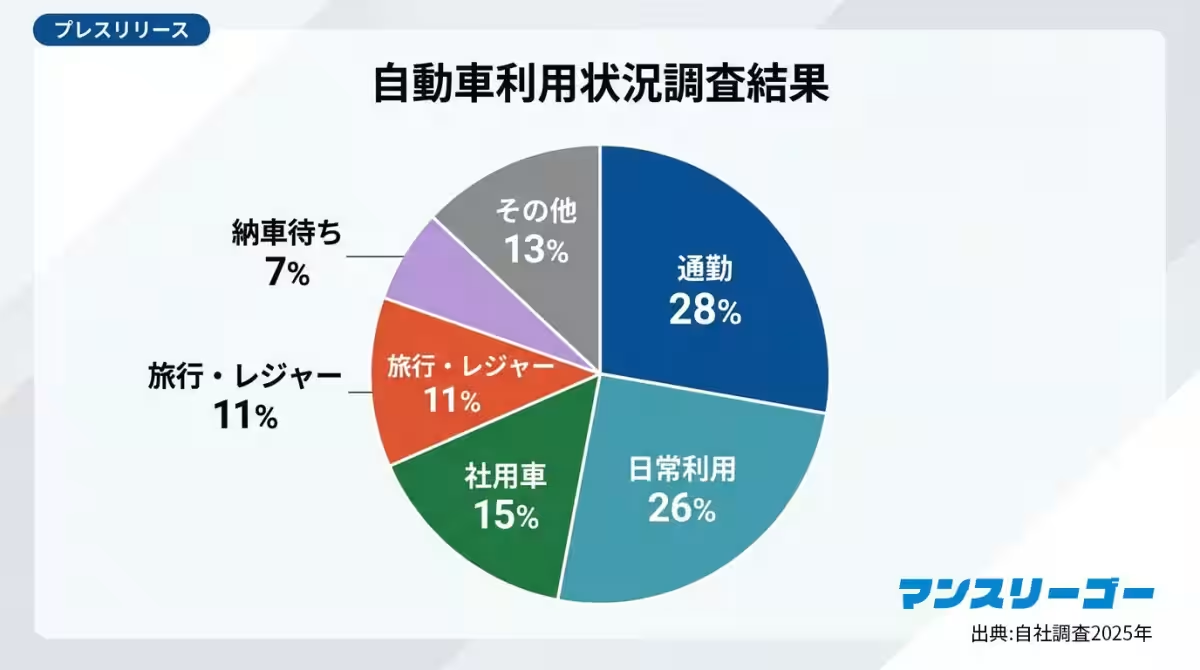
In today's fast-paced life, having access to a vehicle is often essential, especially for commuters. A recent survey conducted by Mobility Edition, which operates the long-term rental service Monthly Go, highlights a pressing issue that is increasingly affecting many individuals. According to the study involving 500 long-term rental car users, nearly 28% of respondents stated that failing to have a car significantly disrupts their commuting and overall daily activities.
Survey Insights: The Reality for Commuters
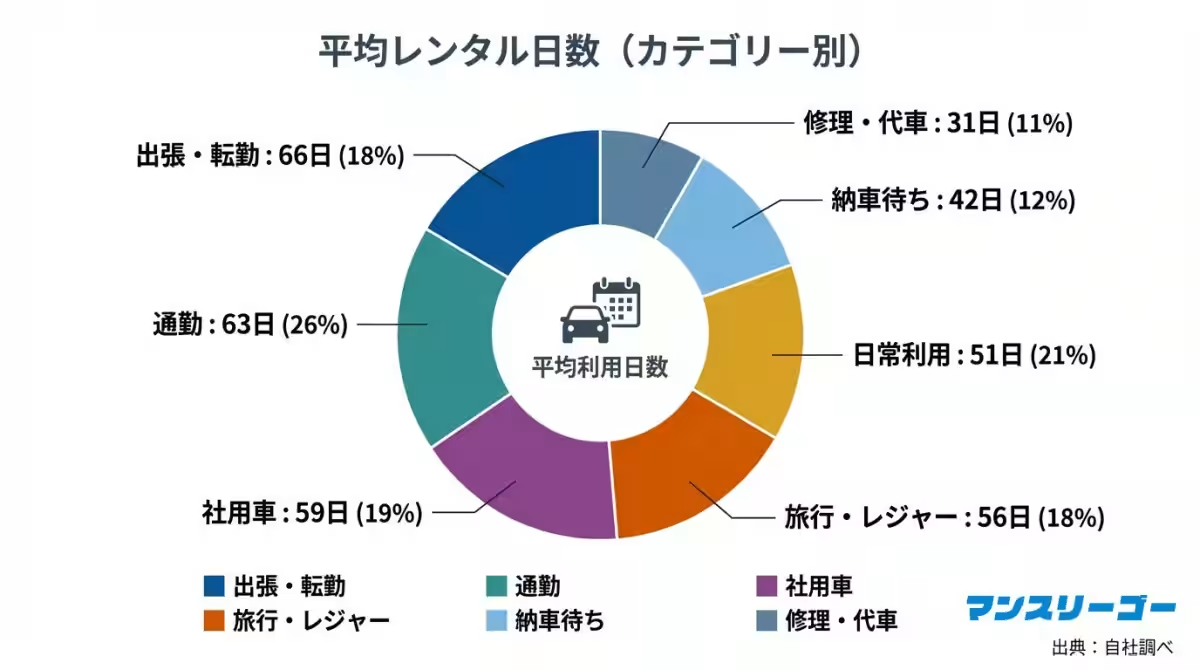
The survey found that the average duration for which individuals had to rent a vehicle was approximately 63 days. This finding underscores a vital demographic that faces challenges when temporarily unable to use their vehicles due to new car delivery delays or extended repair times. For these individuals, traditional short-term rental and leasing options do not sufficiently cater to their prolonged needs.
Within various categories of vehicle usage, commuting ranked as the predominant reason reported. Additionally, common automotive needs included everyday transportation, business use, recreational trips, and periods awaiting new vehicle delivery.
This lack of access to personal vehicles leads to severe logistical challenges in various life aspects such as:
- - Childcare: Transporting children to nurseries and after-school programs.
- - Work Commutes: Many jobs, especially those based in suburban or rural areas, necessitate a personal vehicle.
- - Healthcare Access: Attending medical appointments or caring for elderly relatives is often vehicle-dependent.
- - Shift Work: Early mornings or late-night shifts make public transport impractical for many.
Lengthy Waits and the Quest for Solutions
Car delivery delays are exacerbated by a myriad of factors, leading to urgent societal questions about mobility. The study also indicates that certain respondents experienced a gap of weeks to months where they found themselves without a vehicle. The primary restrictions faced by individuals in this scenario arise from the limited current options for vehicle access, primarily concentrated on:
- - Long-term leases, which typically last a year.
- - Short-term rentals, which often charge hefty daily fees.
- - Temporary loaners, which can be restricted in duration and available units.
Addressing the Gaps in Mobility
Monthly Go presents a viable solution by offering rentals that span one week to several months and provide the flexibility of cancelation. With capabilities of delivering vehicles to homes or stations and comprehensive maintenance covered under a flat fee, the service steps in as a critical bridge for those in need.
This survey emphasizes the critical need for accessible vehicles for individuals who do not have the luxury of owning a car to support their daily routines. Rather than merely being a choice between owning a vehicle or not, many people face a distinct scenario where, without a car, their daily lives would grind to a halt. The findings prompt a call to action for infrastructure that supports such needs.
Future Developments: Long-Term Rentals as Essential Infrastructure
As society evolves, the aim to cater to families and individuals reliant on cars expands. Further initiatives will enhance the long-term rental plans specifically tailored for commuters or those operating under special circumstances like relocation.
Moreover, partnerships with corporate entities and local governments will become paramount in addressing the communal challenge of insufficient access to vehicles during interim periods of waiting for deliveries or facing temporary vehicle shortages. This collective effort intends not only to address immediate issues but also to fundamentally integrate long-term rentals as a recognized segment of transport infrastructure.
Company Overview
Mobility Edition
- - Location: 1-32-5 Uehara, Shibuya, Tokyo, Japan
- - Service Name: Monthly Go
- - Business Focus: Long-term rental car and vehicle pickup services
- - Website: https://monthly-go.com/
In conclusion, a significant segment of society is currently grappling with a scenario where not having a vehicle equates to a halt in their lives, and thoughtful solutions must take precedence. The insights gained from this survey present an opportunity for sustainable development around vehicle accessibility.

Topics Consumer Products & Retail)
【About Using Articles】
You can freely use the title and article content by linking to the page where the article is posted.
※ Images cannot be used.
【About Links】
Links are free to use.