



The Surge in Impactful Content: Analyzing the Rise of Data-Driven Press Releases
The Surge in Impactful Content: Analyzing the Rise of Data-Driven Press Releases
In an era where information overload is a significant challenge for businesses, the need to effectively communicate with media and consumers has never been more critical. As brands compete for attention, they are increasingly seeking innovative ways to ensure their messages resonate. A notable trend has emerged from recent analyses by PRIZMA, a leading public relations agency, which highlights the effectiveness of research-driven press releases.
Traditional vs. Research Releases: An Overview
The standard approach to press releases faces stiff competition from the emerging trend of utilizing research data to enhance credibility. PRIZMA conducted a comparative study involving 512 PR and marketing professionals who have experience with both traditional and research releases. Titled 2025 Comparative Study of Traditional and Research Releases, this analysis assessed the effectiveness of these communication strategies over the past year and looked ahead to what organizations can expect moving forward.
Key Findings: The Shift Towards Research Releases
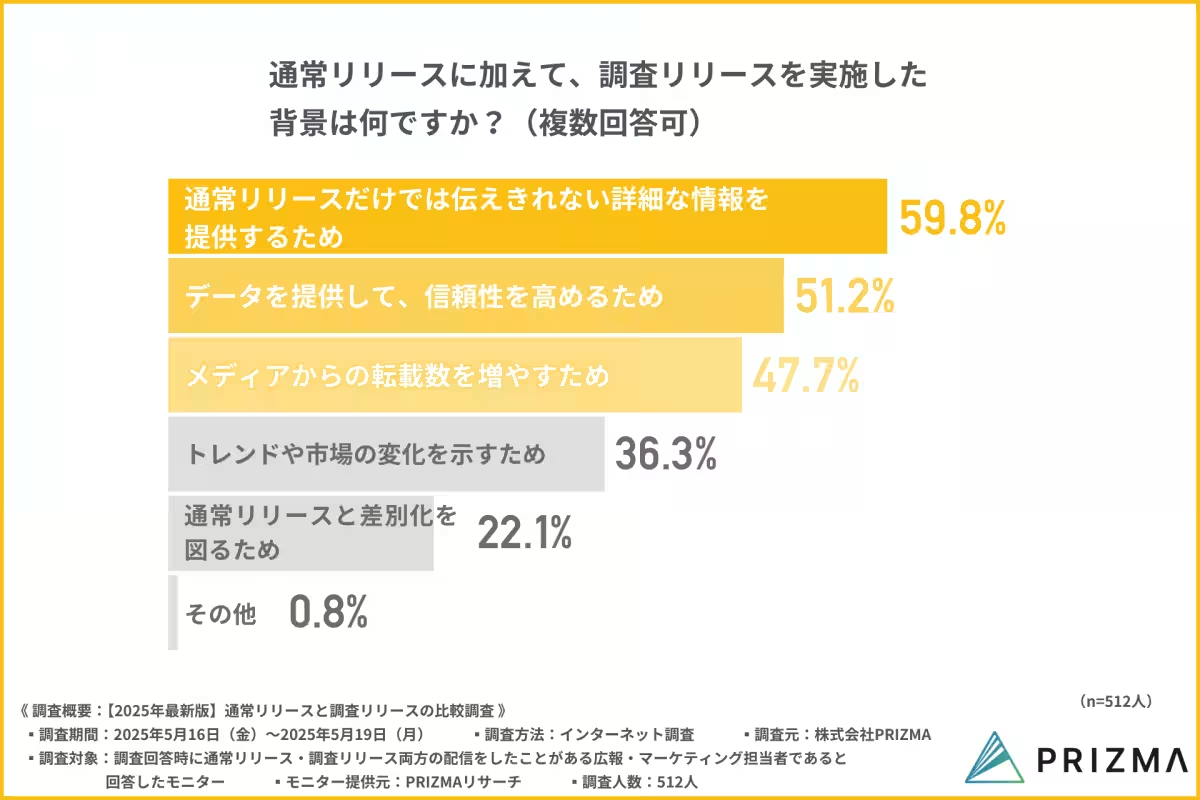
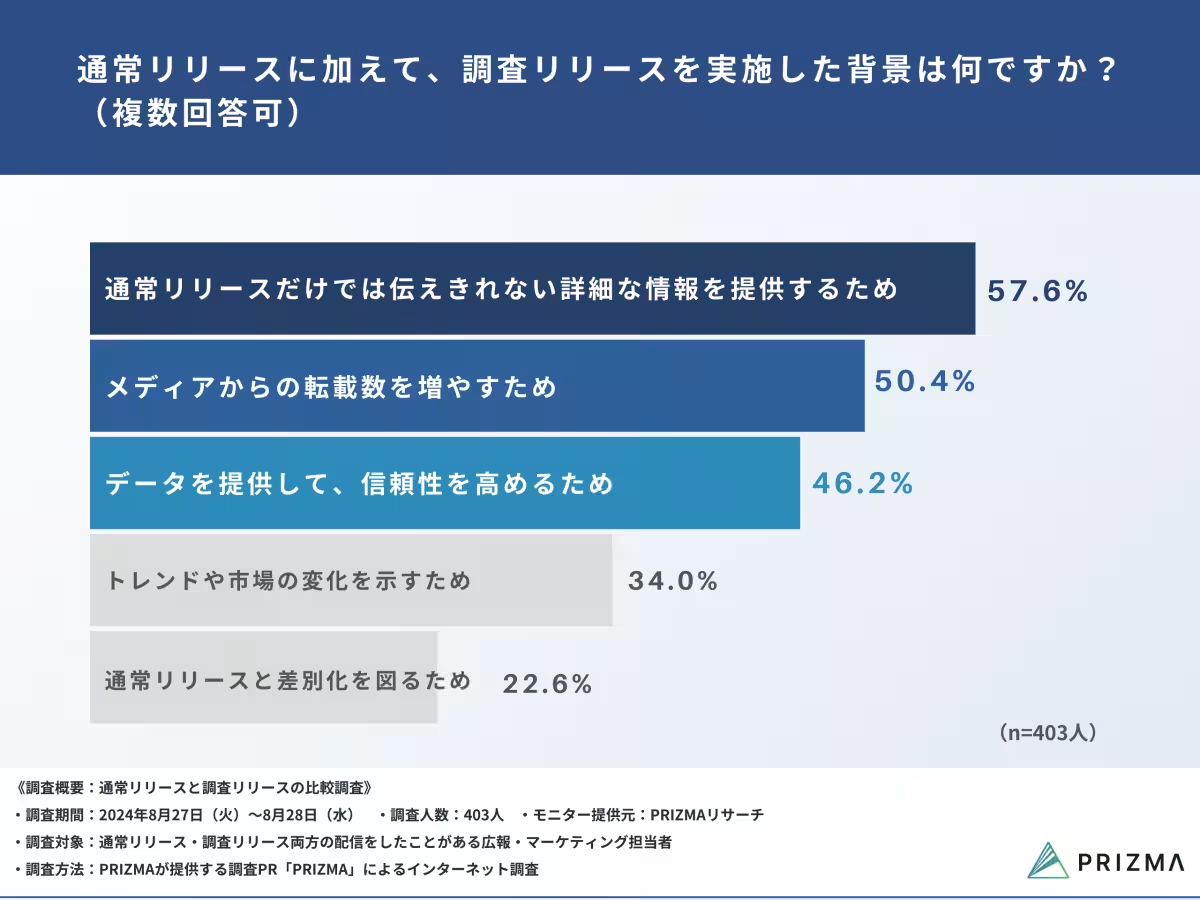
One of the study's key findings was the significant shift in how companies perceive the impact of research releases. When participants were asked about the rationale behind implementing research releases alongside traditional ones, three primary reasons emerged that showed notable growth:
1. Providing Detailed Information (59.8%)
2. Increasing Credibility through Data (51.2%)
3. Enhancing Visibility through Citation (47.7%)
Although 'increasing visibility' saw a slight decline, its value in the overall PR strategy remains. There's a marked tendency to prioritize 'communication strength' and 'trustworthiness' in the messaging, indicating a shift from merely defending a brand's position to leveraging data for storytelling.
The Dominance of Research Releases
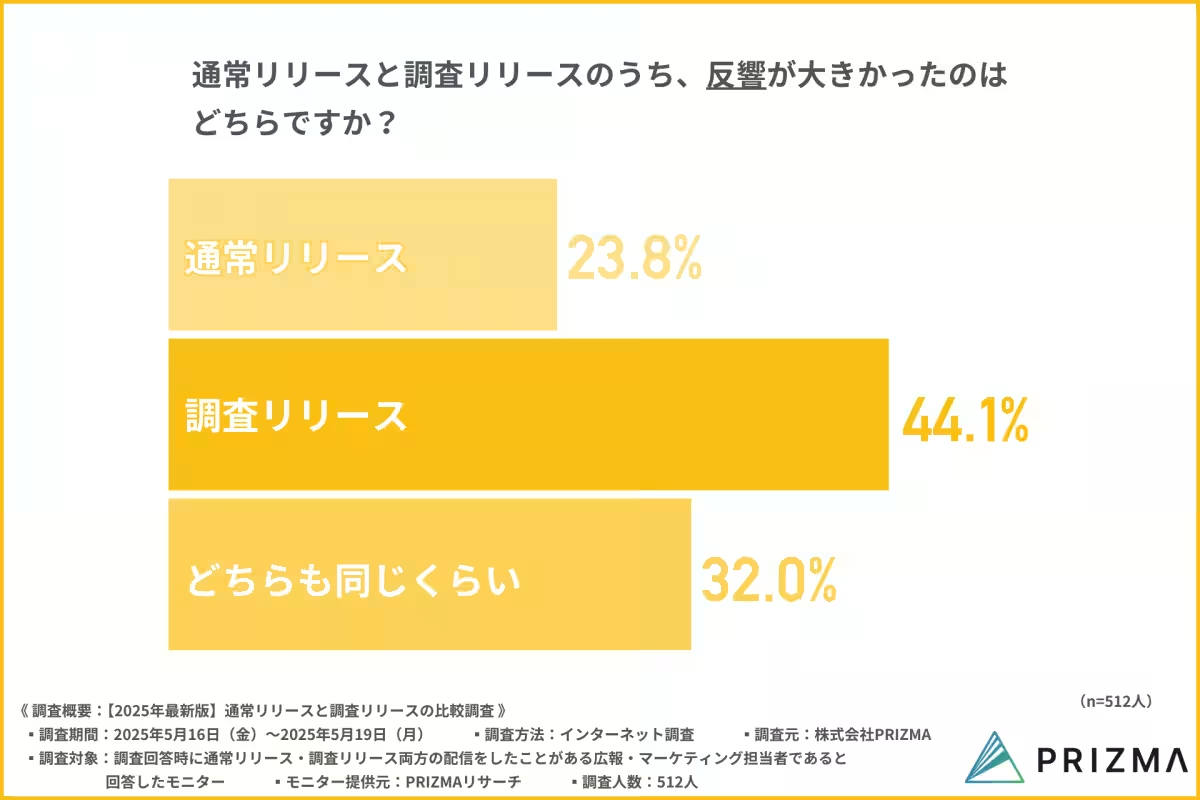
The comparison of responses regarding the impact of traditional versus research releases showcases a clear trend. In 2024, 42.9% of participants reported that research releases garnered more response, with this figure rising to 44.1% in 2025. Moreover, traditional releases consistently recorded engagement levels below 30% over these two years.
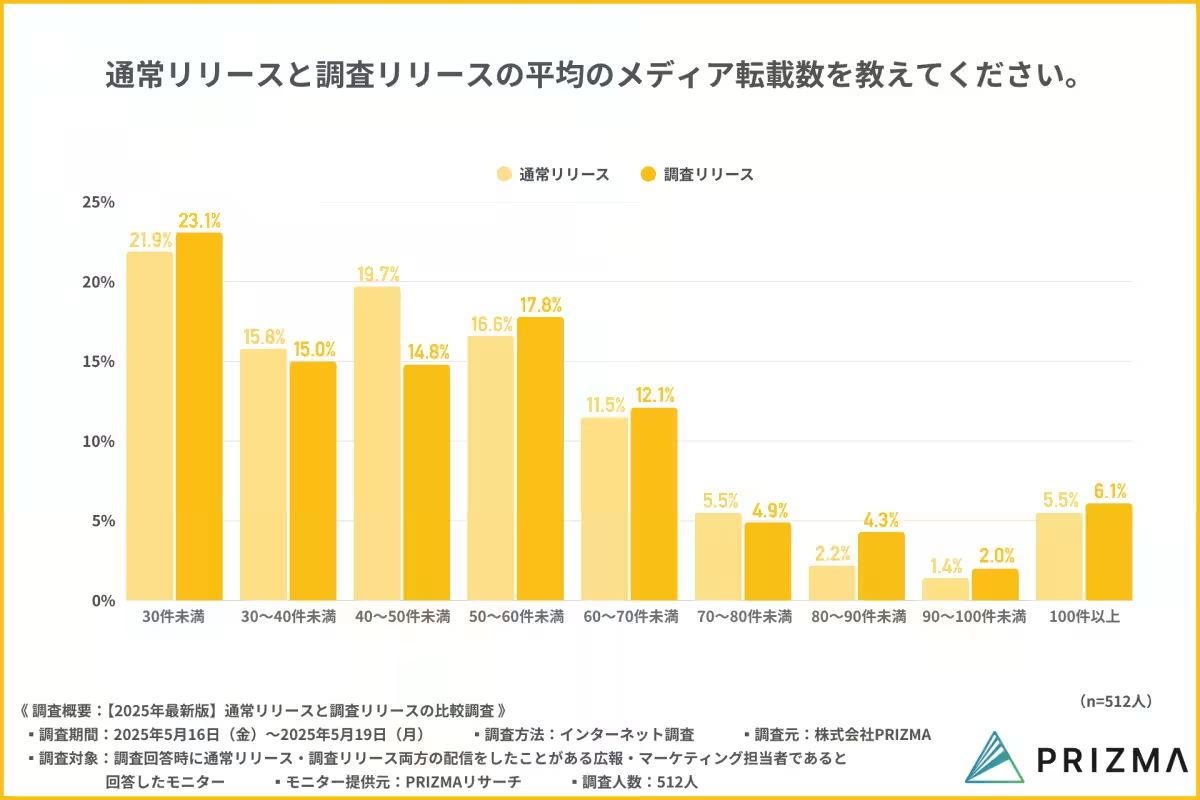
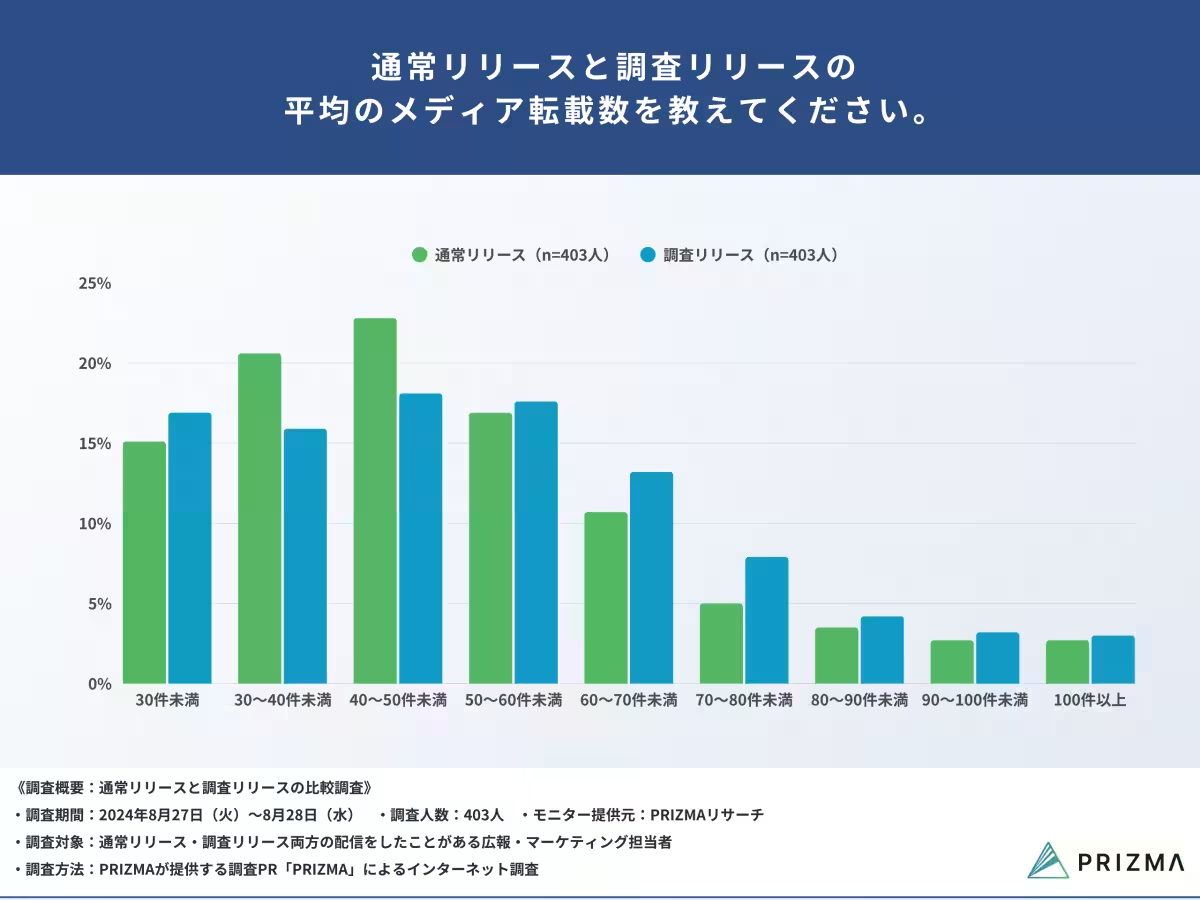
The study also highlighted that research releases outperformed traditional releases in media citations, indicating a higher potential for spreading impactful messages. Intriguingly, only 8.4% of traditional releases achieved high citation counts (70 or more), whereas research releases showed a more robust performance.
Reasons Behind High Impact of Research Releases
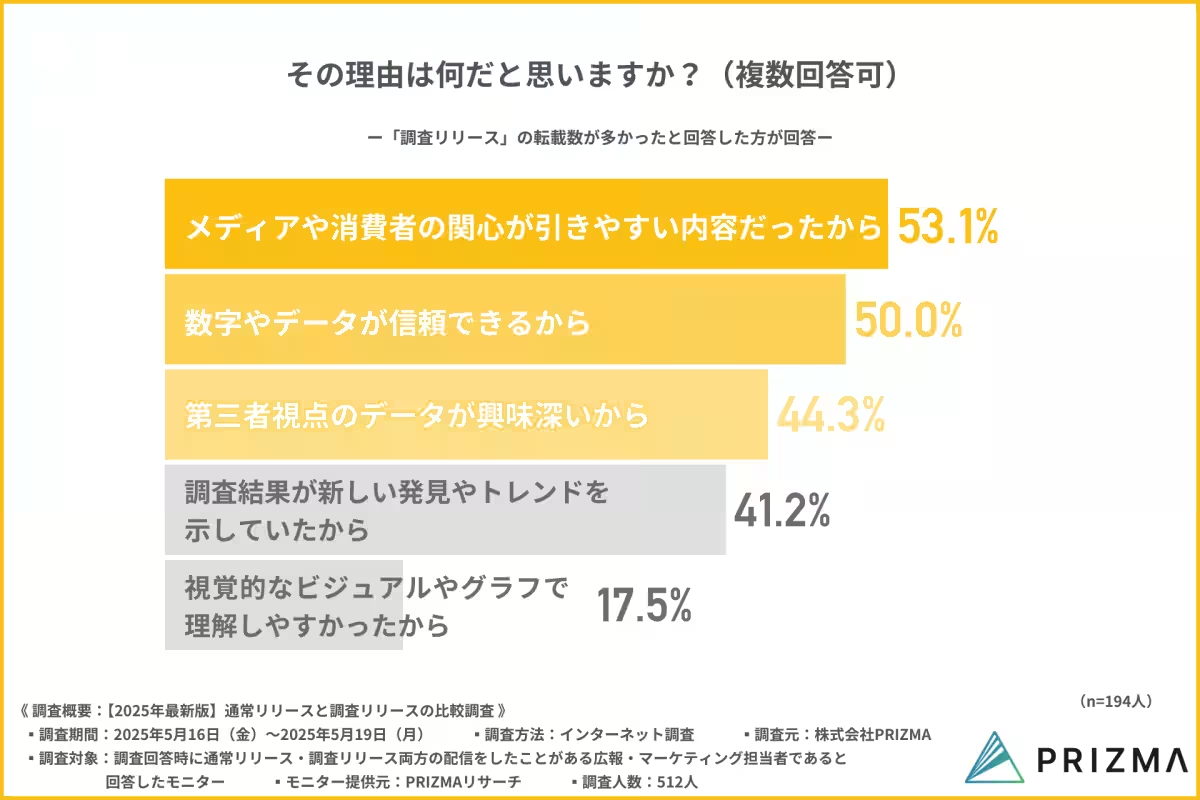
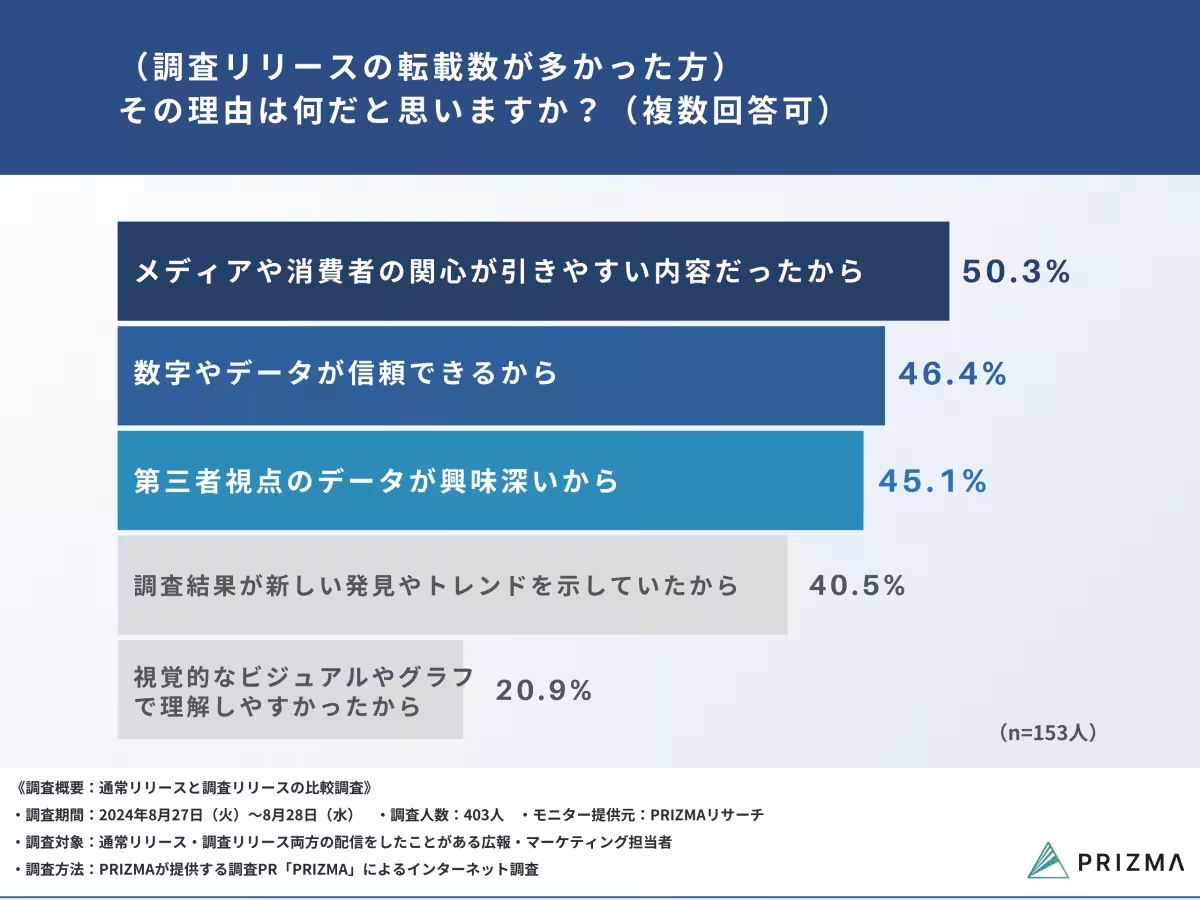
Participants shared that the high engagement and citation rates for research releases can be attributed to their perceived ability to capture interest and convey trustworthy data. In 2025, 'easier to attract interest' (53.1%) became the leading reason, reflecting a strong inclination towards engaging topics that resonate socially.
Elements like 'third-party perspectives' and 'trend relevance' also received steady support, suggesting a demand for data to narrate compelling stories rather than a mere collection of statistics.
Changing Inquiry Dynamics
When the participants were queried regarding the average number of inquiries generated, a marked change in distribution was noticeable, with a significant rise in inquiries linked to research releases. Furthermore, there was a shift in strategy, with many indicating a preference for utilizing both formats (traditional and research) based on situational appropriateness rather than strictly favoring one over the other.
Establishing Research Releases as Effective Tools
The trend analysis from 2024 to 2025 indicates that research releases are transitioning from a strategic choice to a necessary tactic for generating results. Their ability to deliver tangible outcomes is becoming increasingly evident among practitioners within the PR industry, particularly as organizations prioritize reliable and engaging content.
To maximize the impact of research releases, it is crucial to focus on not only the act of conducting research but also on how to effectively structure and communicate findings to the target audience. Factors such as thematic design, question framing, and visual representation are vital components that will shape the upcoming qualitative assessments of PR strategies.
In conclusion, collaboration between traditional and research formats will define future PR strategies. As the market evolves, developing a skill set around research-driven communication will be instrumental for PR professionals seeking to thrive in an increasingly data-centric environment. For additional insights and strategies, PRIZMA recommends leveraging their comprehensive services to enhance your organization's PR initiatives, ensuring that they are not just informative, but transformative as well.
Further Information
For more detailed data and insights, interested parties can access the complete report through PRIZMA’s website here.

Topics Business Technology)
【About Using Articles】
You can freely use the title and article content by linking to the page where the article is posted.
※ Images cannot be used.
【About Links】
Links are free to use.