




Cybozu's Survey Reveals Inefficiencies in the Construction Industry
Overview of the Survey Conducted by Cybozu on Construction Efficiency
Cybozu, Inc., based in Chuo-ku, Tokyo, has conducted a survey focused on the operational efficiency within the construction industry, targeting professionals such as site managers, executives, and management staff. The survey was prompted by the regulatory changes concerning overtime labor, especially with the approaching '2024 problem,' which indicates that while legal frameworks are advancing, practical adaptations in operations are lagging behind.
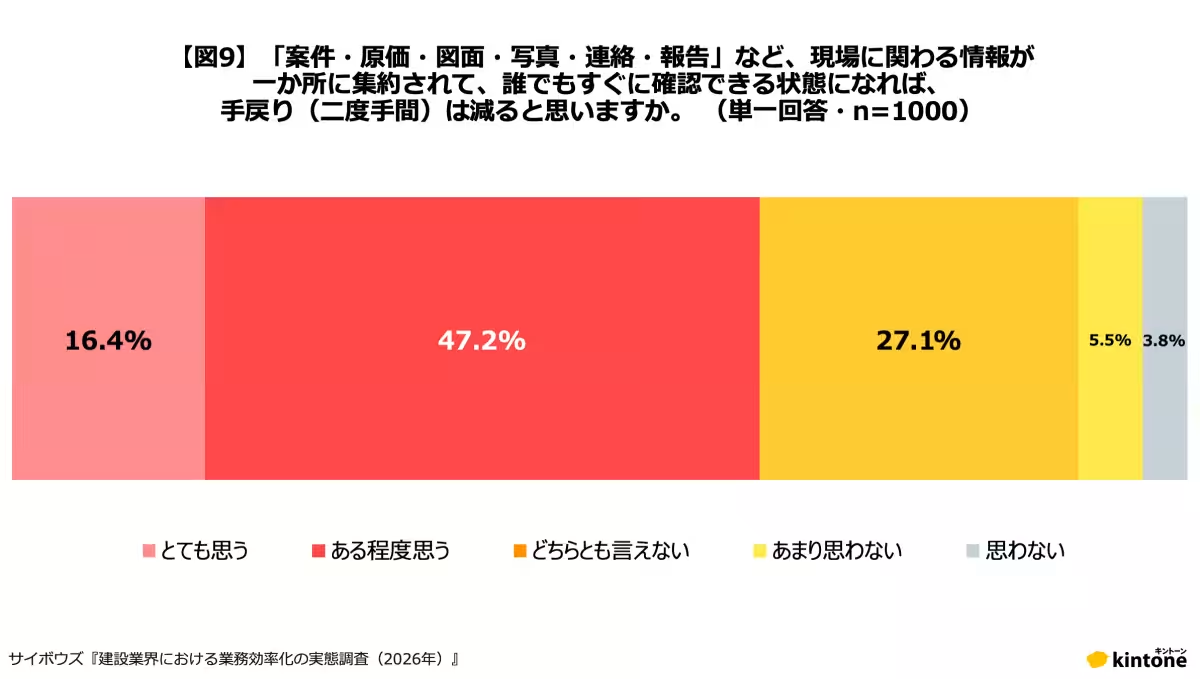
The results revealed that approximately 63.6% of construction workers believe that centralizing site information could lead to fewer rework instances. This suggests that the establishment of a unified information-sharing infrastructure could play a pivotal role in enhancing both the accuracy and efficiency of their work.
Key Findings
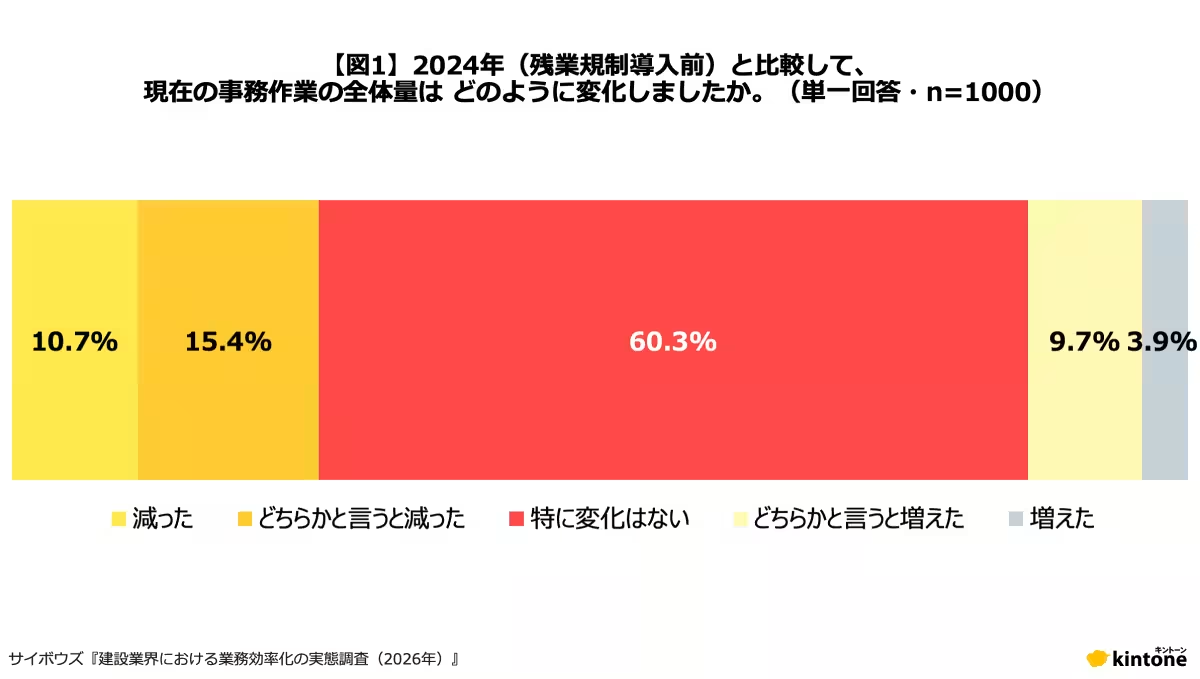
1. No Significant Change in Administrative Workload: Around 60.3% of respondents stated that the volume of administrative tasks has not decreased compared to before the overtime regulation was introduced. This insight indicates a persistent issue regarding administrative overload.
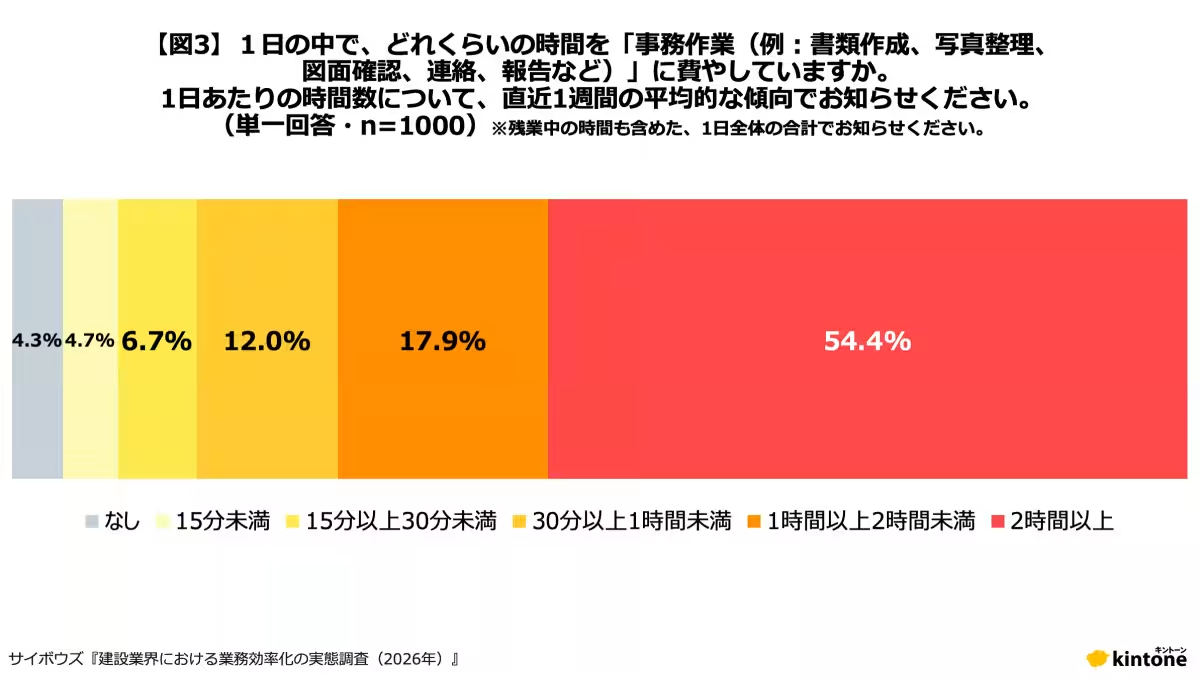
2. Time Spent on Administrative Tasks: More than half (54.4%) of those surveyed reported spending over two hours daily on administrative tasks. This statistic highlights a significant burden that affects their productivity.
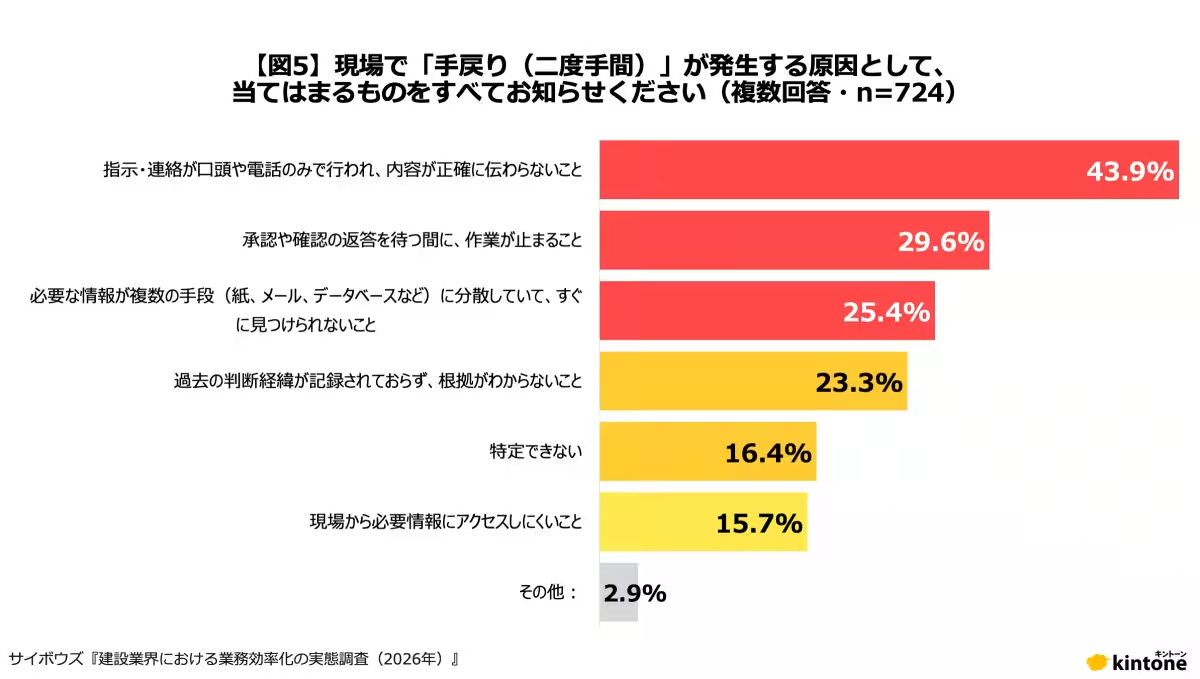
3. Frequent Instances of Rework: Approximately 46.7% of construction professionals experience rework at least once a month. The primary reasons for this include misunderstandings arising from verbal or phone instructions and delays due to waiting for confirmations.
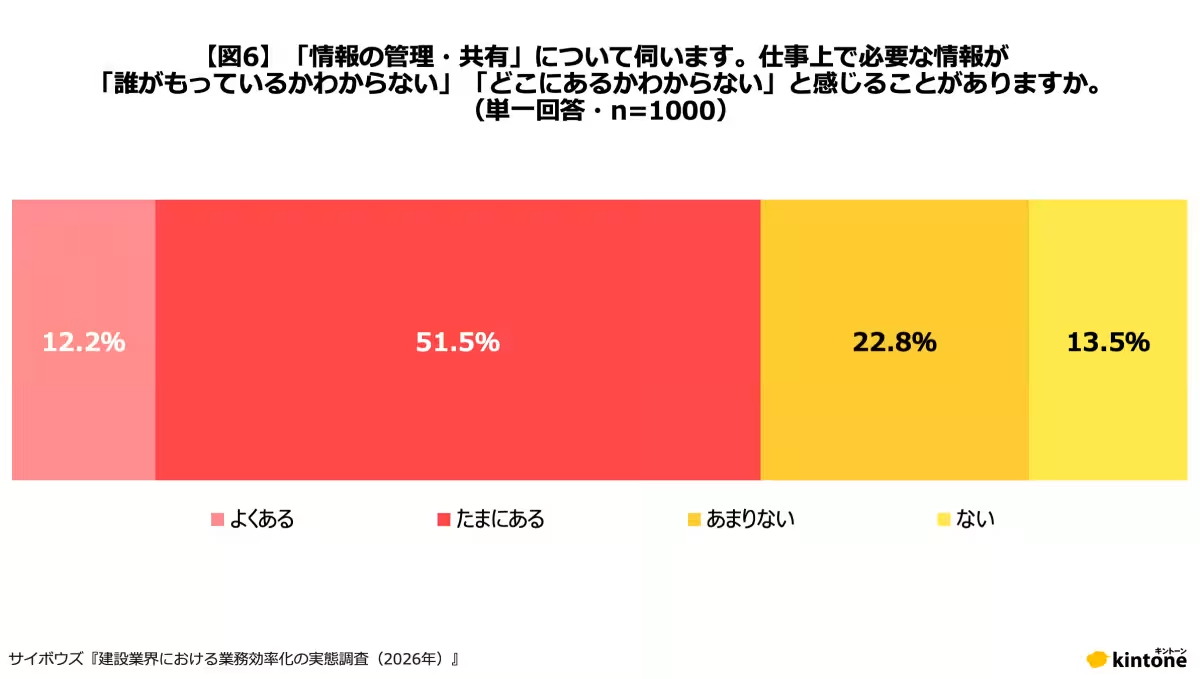
4. Information Accessibility Issues: A staggering 63.7% of respondents felt they were often in a state of 'information disorientation,' not knowing who possesses critical information or where to find it. This fragmentation of information undermines workflow efficiency.
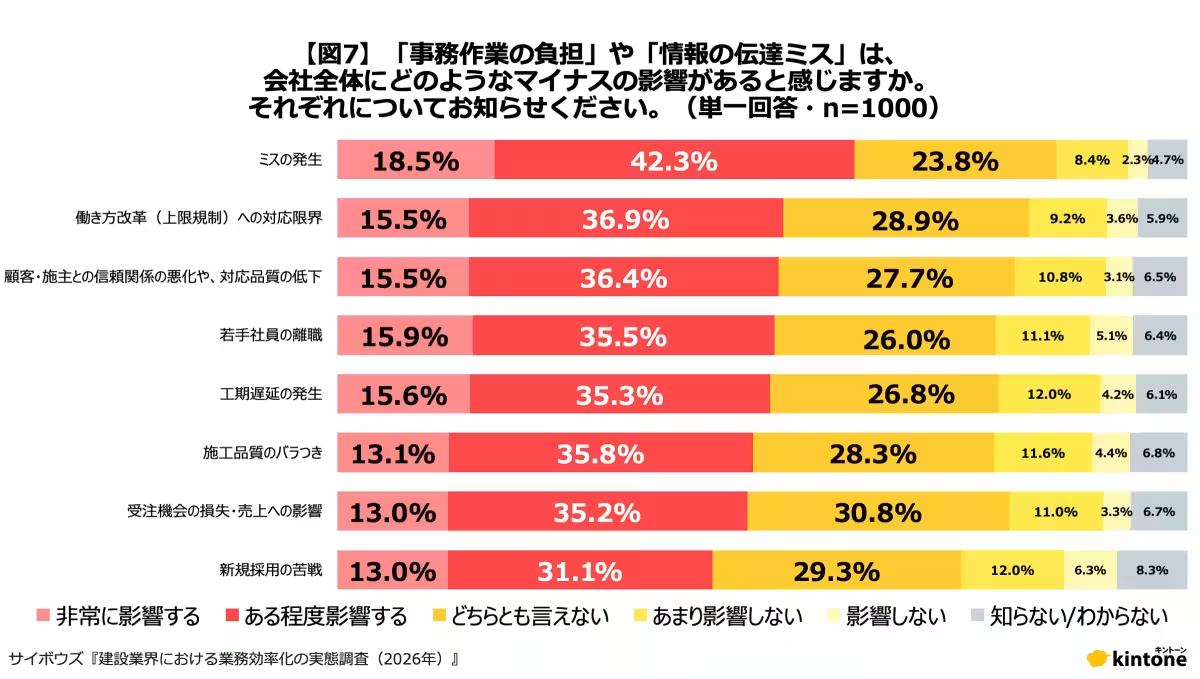
5. Consequences of Administrative Burden: Over 50% acknowledged that excessive administrative tasks and communication errors could lead to increased mistakes, challenges in adapting to labor regulations, loss of young talent, and delays in project timelines.
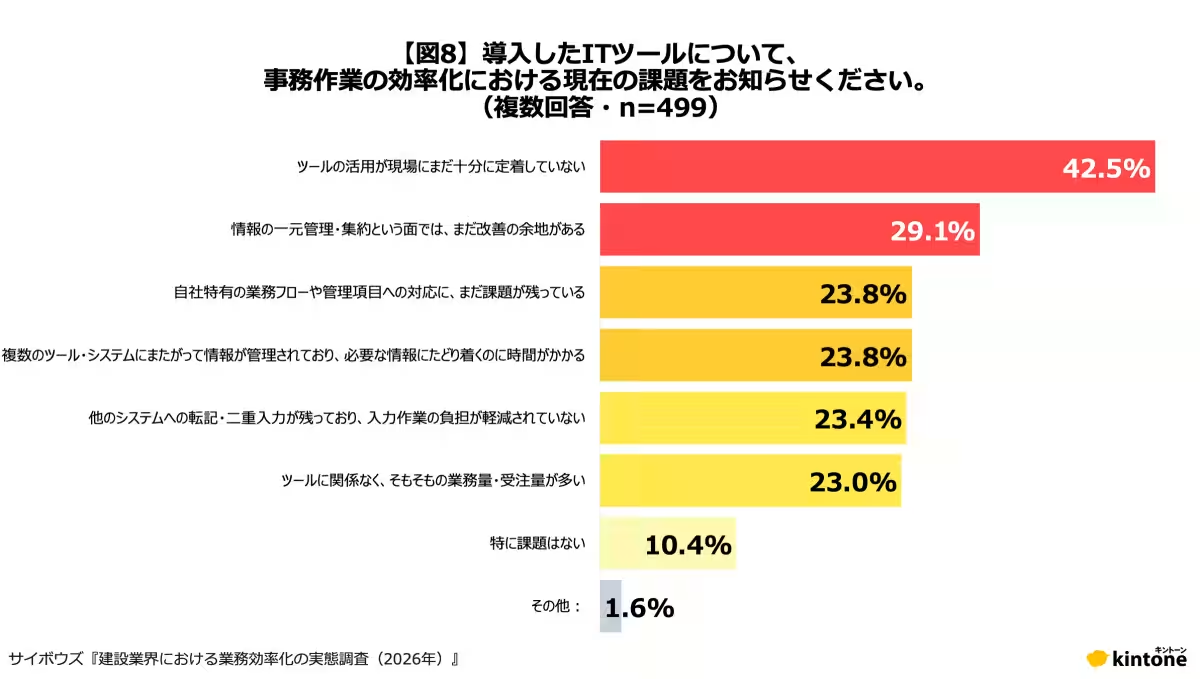
6. Underutilization of IT Tools: Among those who have adopted IT tools, 42.5% acknowledge insufficient integration of these tools at the project site, indicating a gap between tool implementation and practical application.
7. Optimism for Centralized Information: There is robust optimism regarding the impact of information centralization, with 63.6% of respondents believing that streamlining information could significantly reduce rework incidences.
Conclusion
The survey emphasizes the need for the construction industry to embrace more effective information management systems. Cybozu's findings suggest that addressing these inefficiencies by leveraging digital tools for better information accessibility and the streamlining of processes can help mitigate the burden of administrative tasks, ultimately enhancing productivity and project outcomes.
Initiative for Improvement
As the construction sector gears up for regulatory changes, it is imperative that companies prioritize the integration of digital solutions like Cybozu’s tools to forge a more efficient workplace. The focus should be on creating a cohesive environment where information flows seamlessly, ensuring that all employees have access to vital data, therefore minimizing downtime and rework.
This survey data offers crucial insights into the operational challenges faced in the construction industry and highlights the urgent need for reforms to enhance efficiency and effectiveness.

Topics General Business)
【About Using Articles】
You can freely use the title and article content by linking to the page where the article is posted.
※ Images cannot be used.
【About Links】
Links are free to use.