



Direct Observation of Magnetic Domain Wall Relaxation Dynamics Using Barkhausen Noise to Guide Material Design
Introduction
In recent years, the demand for low-loss soft magnetic materials has seen a sharp increase due to advancements in next-generation power electronics technologies. This surge in interest necessitates a comprehensive understanding of energy loss mechanisms, particularly abnormal eddy current losses caused by the motion of magnetic walls, which have a significant negative impact on efficiency, especially in high-frequency domains.
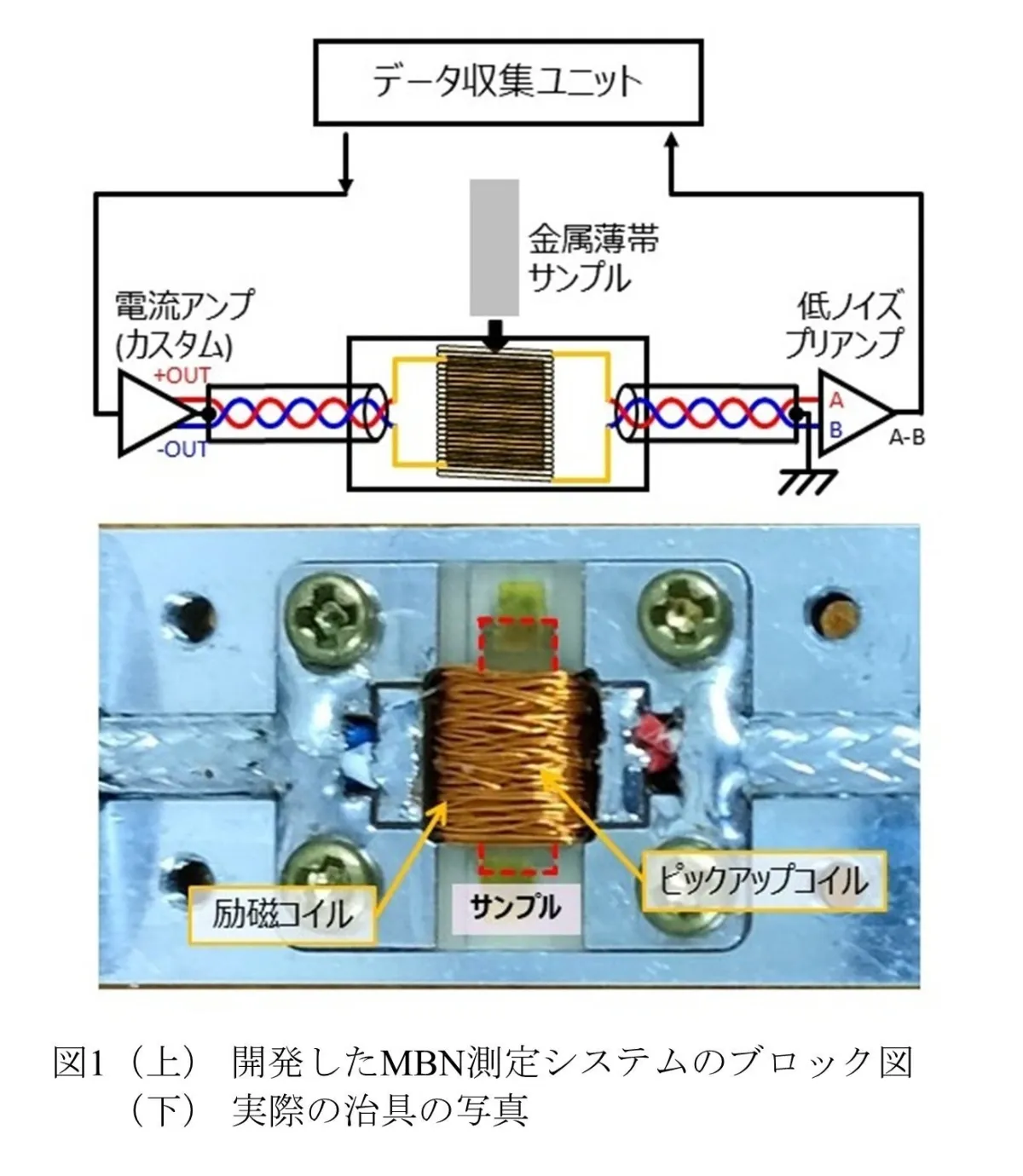
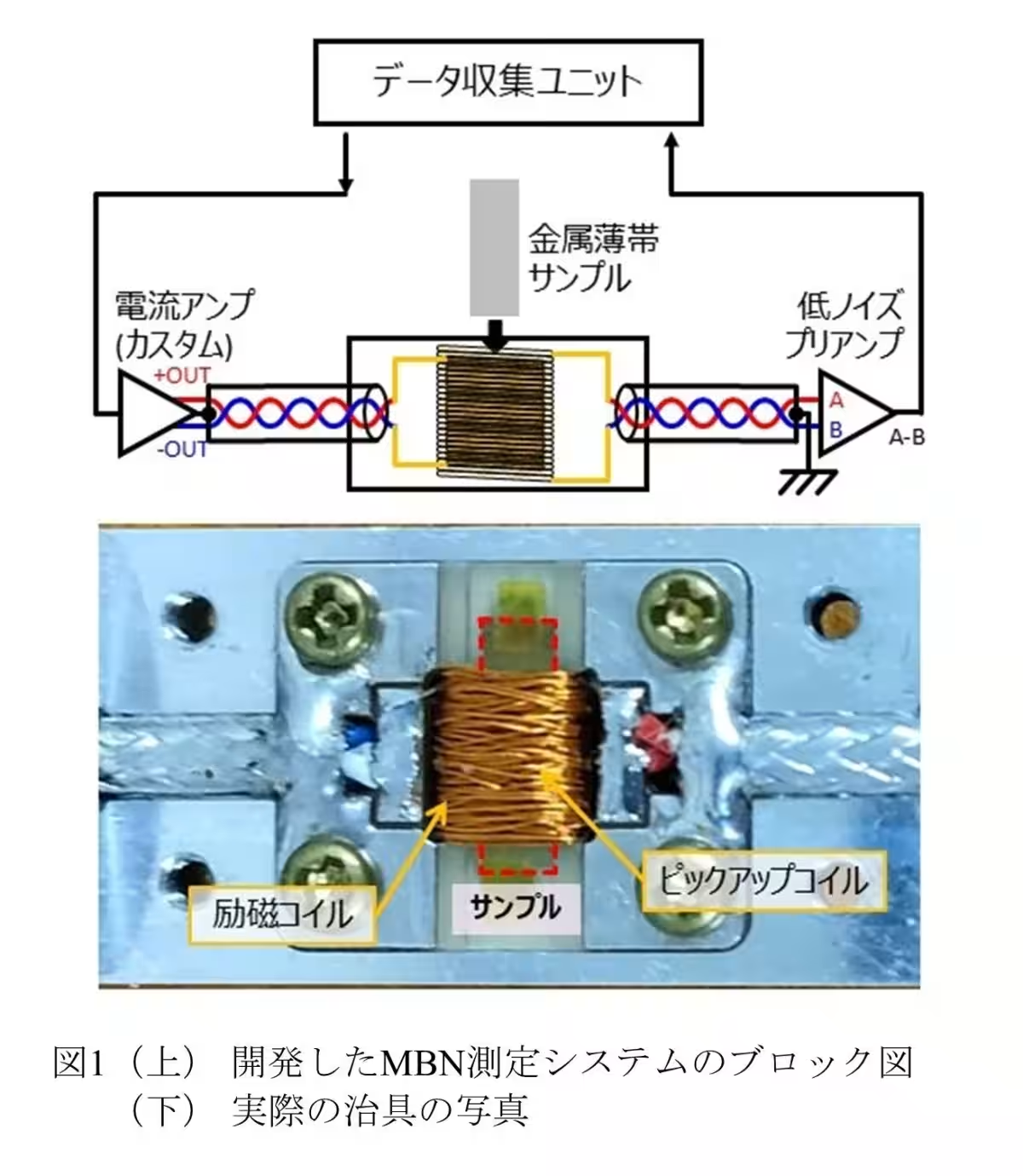
Diving into these complex systems, researchers from the Institute of Science and Technology, including Takahiro Yamazaki, Shingo Tamaru, and Masato Kotsugi, have developed a state-of-the-art Magnetic Barkhausen Noise (MBN) measurement system that allows for the direct observation of relaxation behaviors of magnetic walls within metal materials at a single-pulse level. This groundbreaking capability enables detailed analyses of the relationship between magnetic wall dynamics and energy losses, bridging critical knowledge gaps that have persisted in the study of soft magnetic materials.
Research Findings
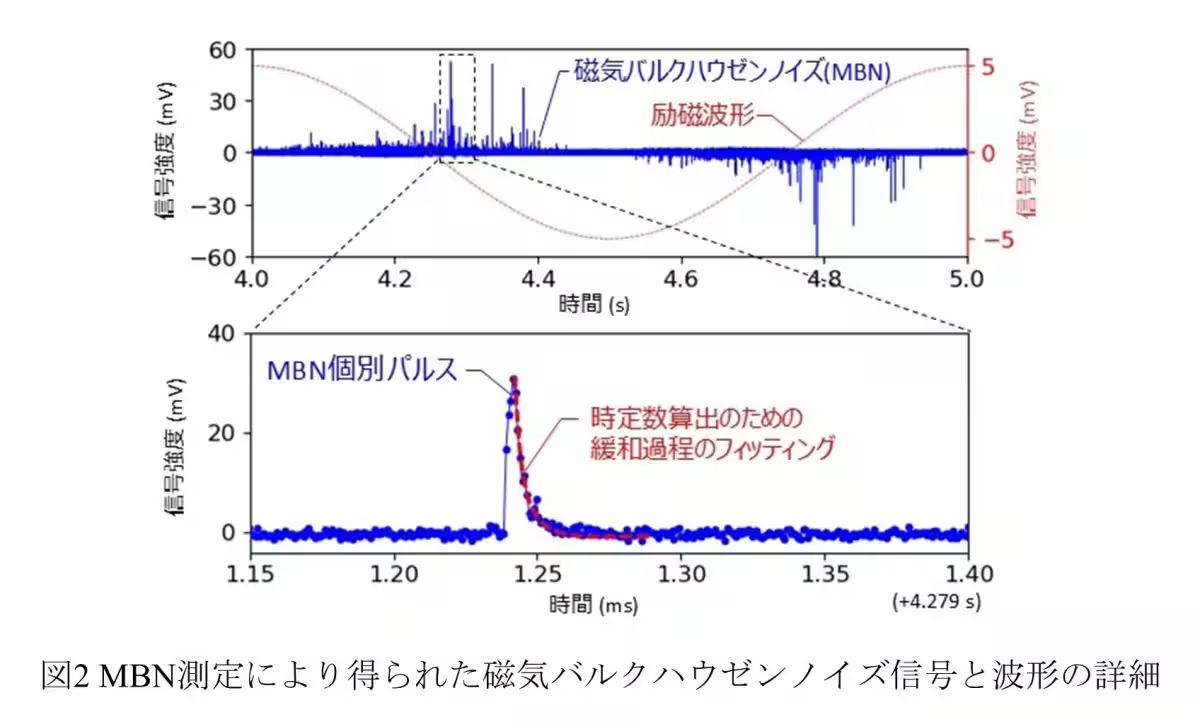
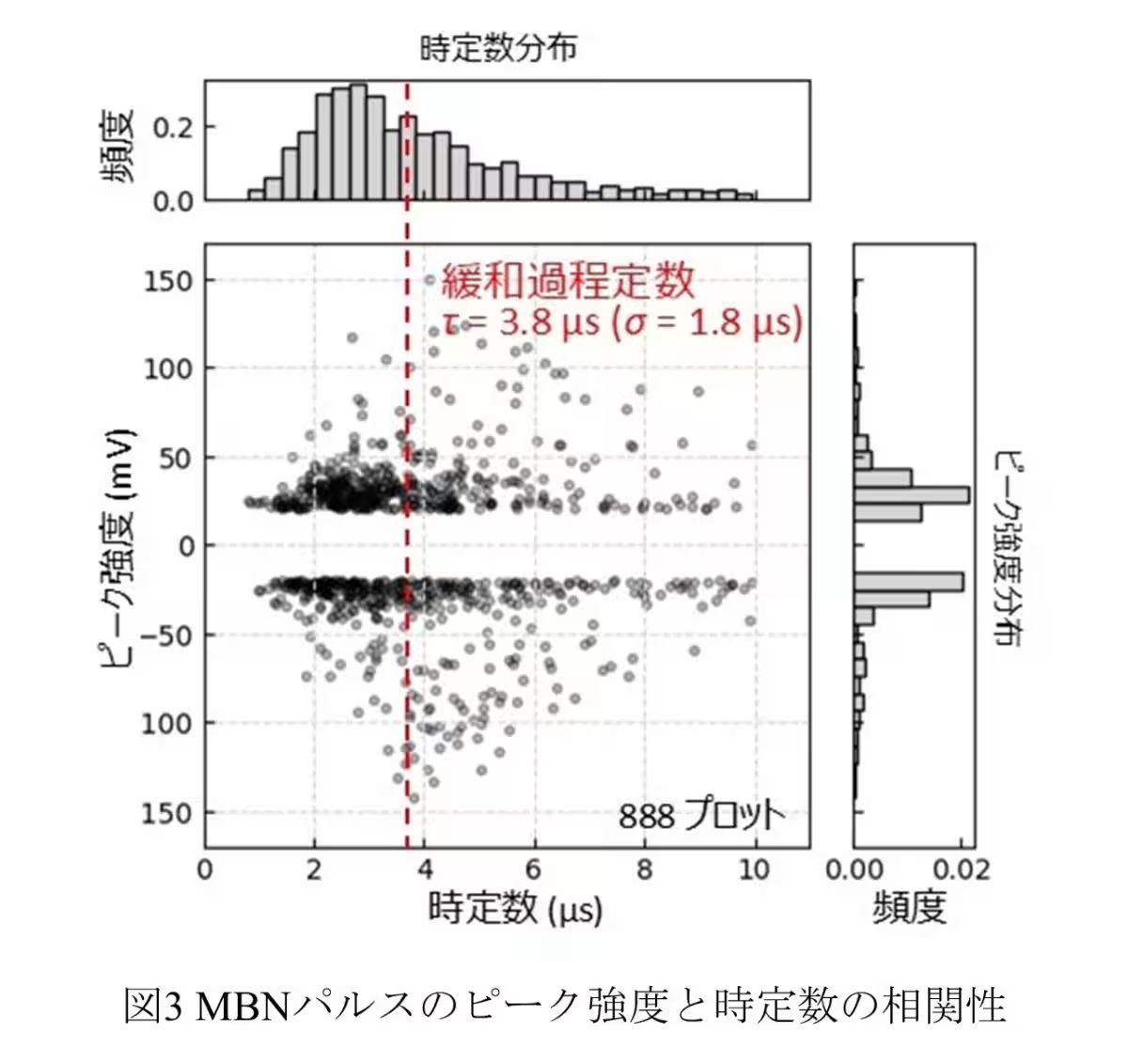
The study focused on Fe-Si-B-P-Cu-based amorphous/nanocrystalline alloy ribbons (NANOMET®). Through their sophisticated measurement approach, the research team observed distinctive MBN pulses in the NANOMET® specimens, characterized by a swift rise and gradual decay, thereby providing real-time reflections of the magnetic wall movements. Furthermore, statistical analyses of pulse decay revealed an average relaxation time constant of approximately 3.8 μs, underscoring the dominant role of the viscous resistance contributed by eddy currents during magnetic wall motion, as opposed to intrinsic viscous properties of the walls themselves.
As part of the experimental setup, the researchers successfully identified various structural aspects within the magnetic materials that directly influence energy dissipation. This included quantifying the effects of pinning sites—fine structural defects that hinder magnetic wall movement—on the overall energy dissipation process. The constraints posed by these sites are significant, as they produce a turbulent dynamic that can lead to various loss mechanisms in power electronics applications.
Moreover, thermal treatment of the NANOMET® samples resulted in a substantial reduction of MBN pulse amplitudes, which suggests that controlling the microstructural properties can ultimately smooth the motion of magnetic walls, enhancing energy efficiency.
Importance of the Research
This innovative research methodology highlights how high-precision MBN measurement can inform future designs of low-loss materials, thus aiding the development of more efficient power conversion devices such as transformers and motors for electric vehicles (EVs). The findings promise to significantly curb excessive iron loss, ultimately translating into improved energy efficiency. By extending these measurement techniques to other material systems, there is potential for rapid advancements in both material selection and the development of new alloys tailored for specific applications.
Conclusion
In summary, the researchers’ work illuminates the crucial connection between magnetic wall dynamics and energy losses in soft magnetic materials, setting the stage for future innovations in power electronics technology. It not only addresses significant operational challenges related to energy efficiency but also contributes to broader societal goals surrounding energy conservation and sustainability. The implications of this research are profound, promising to facilitate the realization of more compact, lightweight, and efficient electrical devices, thereby enhancing the sustainability and reliability of renewable energy systems.
This research was supported by the Ministry of Education, Culture, Sports, Science and Technology under the project for Innovative Power Electronics Technology (JPJ009777), JST’s ACT-X (JPMJAX22AL), and the Japan Society for the Promotion of Science (JSPS) Kakenhi (JP23K13636).
Paper Information
The findings have been published online in the international journal "IEEE Access" on August 7, 2025. The full citation is as follows:
- - Title: Analysis of Magnetic Barkhausen Noise to Reveal Domain Wall Dynamics in Amorphous/Nanocrystalline Ribbons
- - Authors: Takahiro Yamazaki, Shingo Tamaru, and Masato Kotsugi
- - DOI: 10.1109/ACCESS.2025.3593507
Topics Consumer Products & Retail)
【About Using Articles】
You can freely use the title and article content by linking to the page where the article is posted.
※ Images cannot be used.
【About Links】
Links are free to use.