



Blossom Energy Achieves Commercialization of First Thermal Storage Boiler in Japan
Blossom Energy's Groundbreaking Boiler Technology
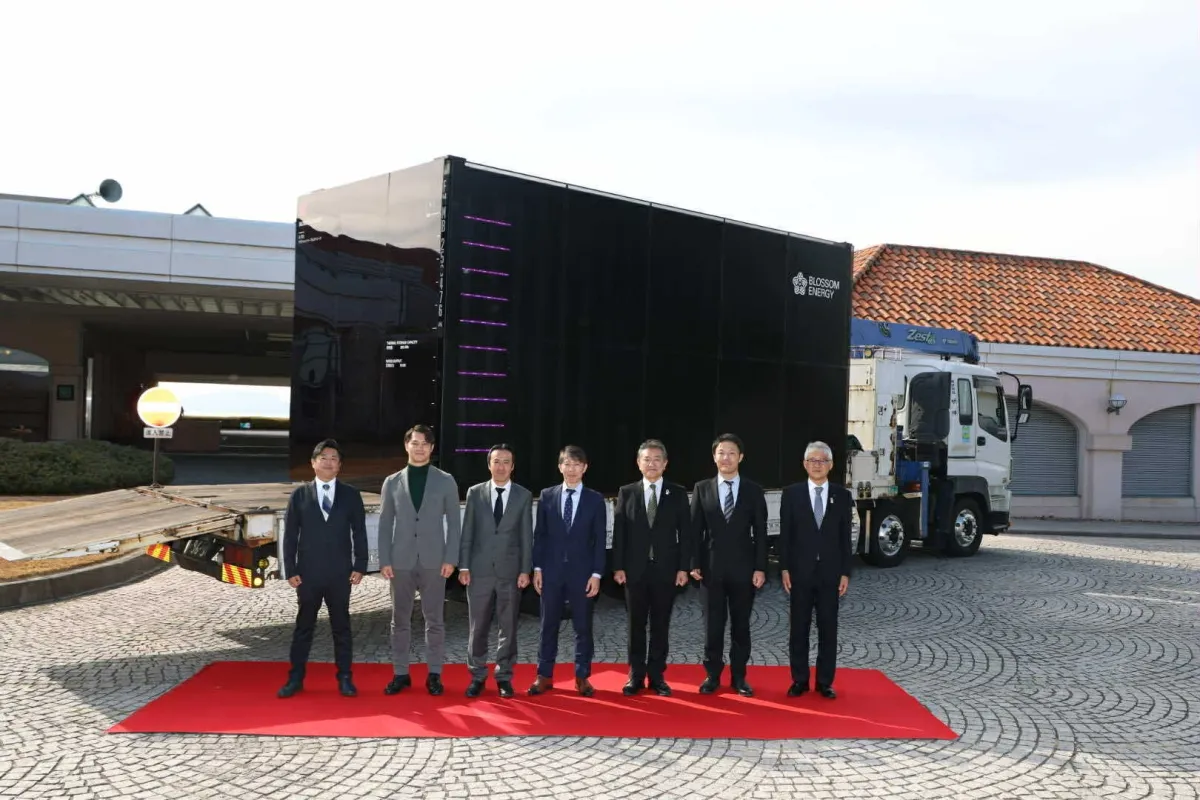
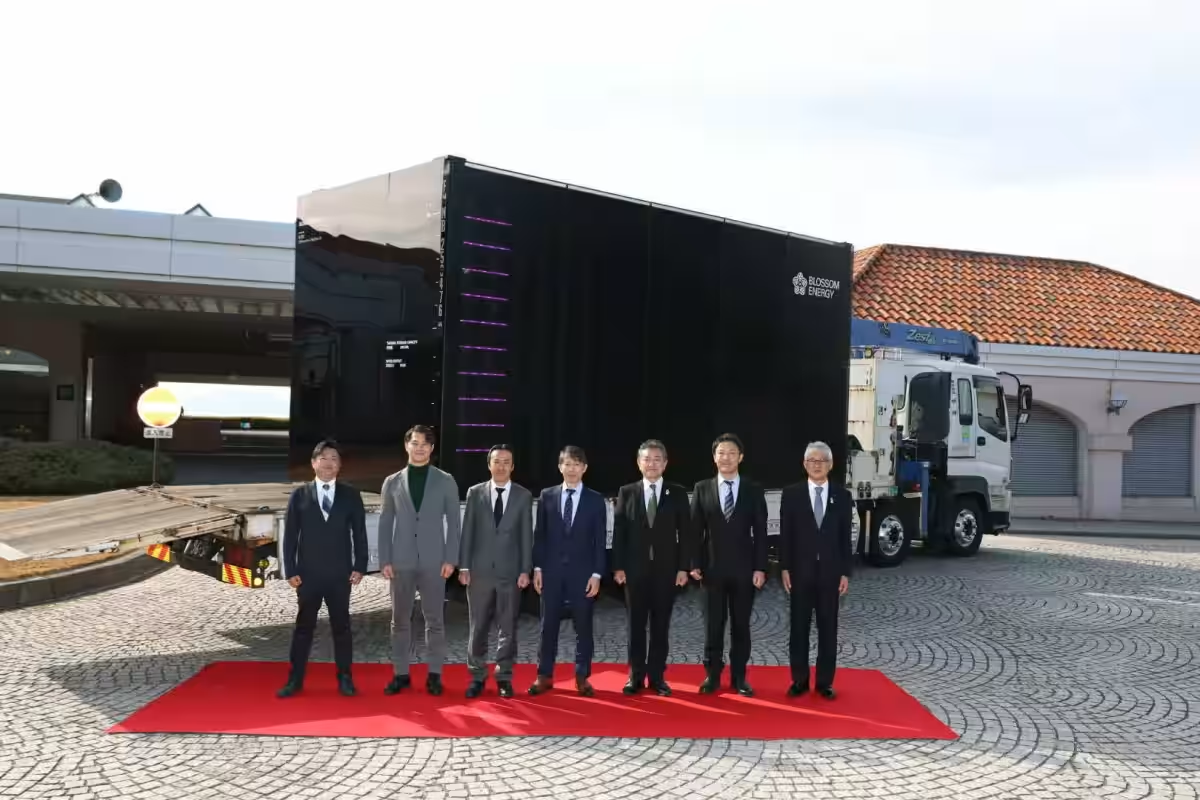
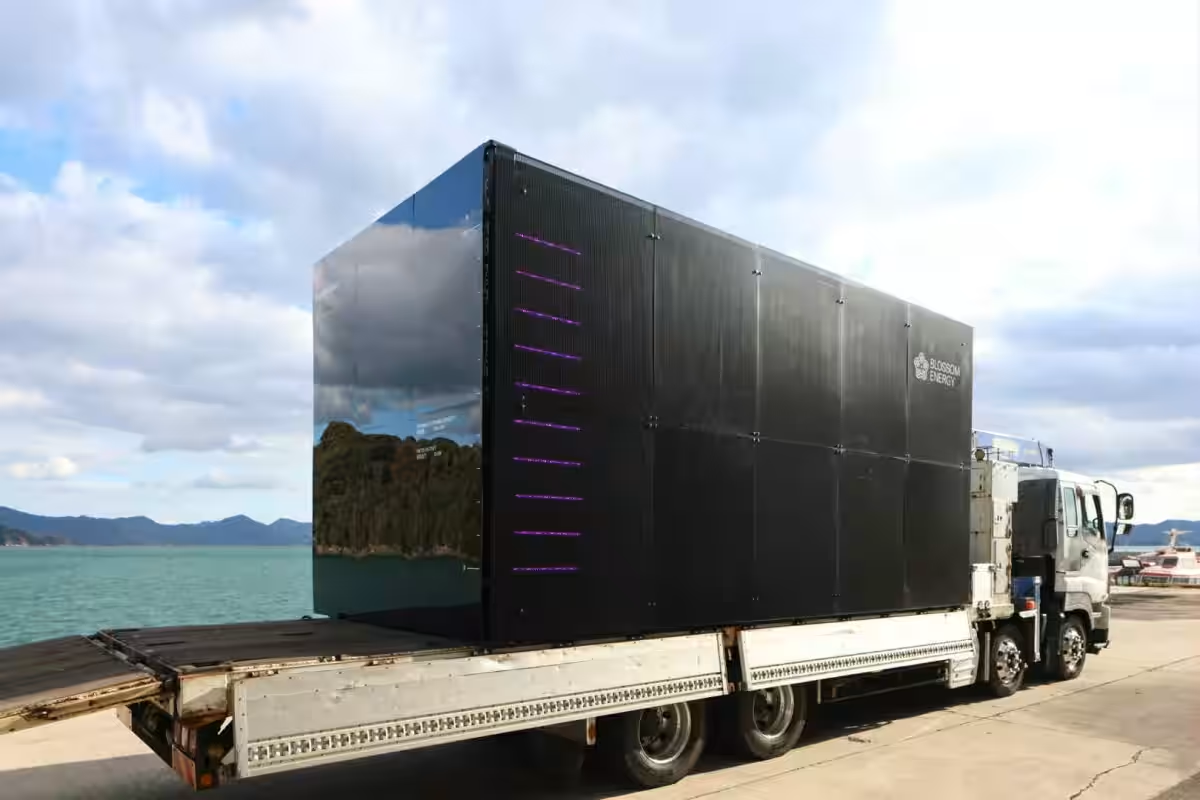
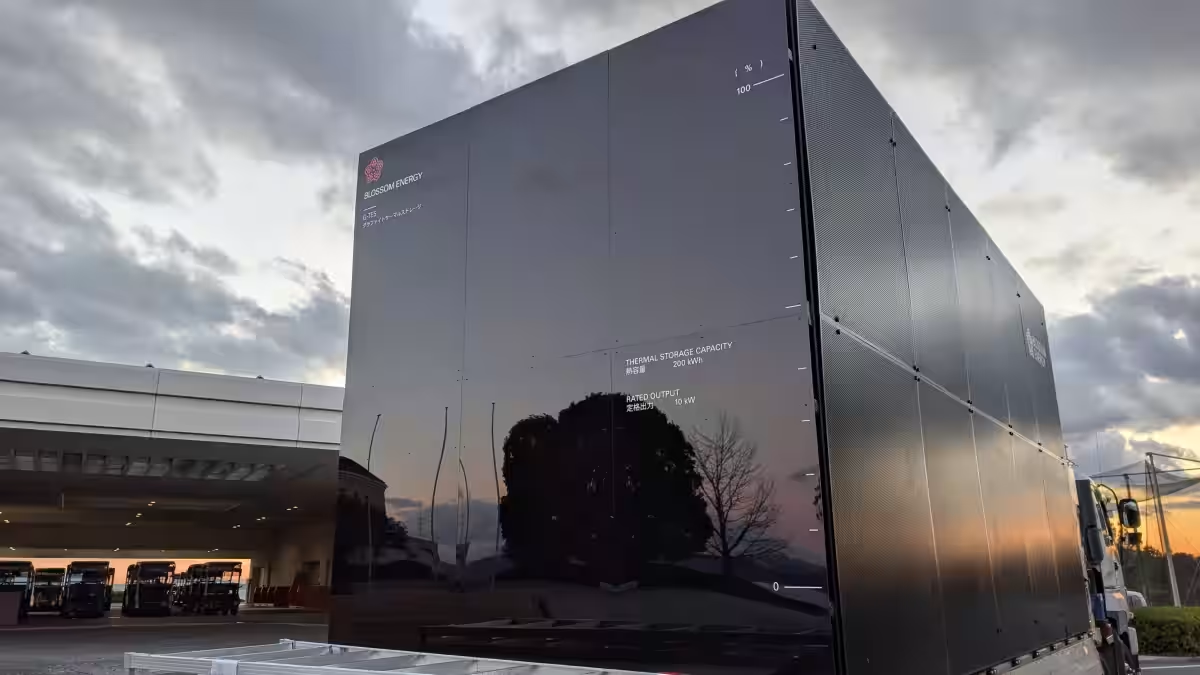
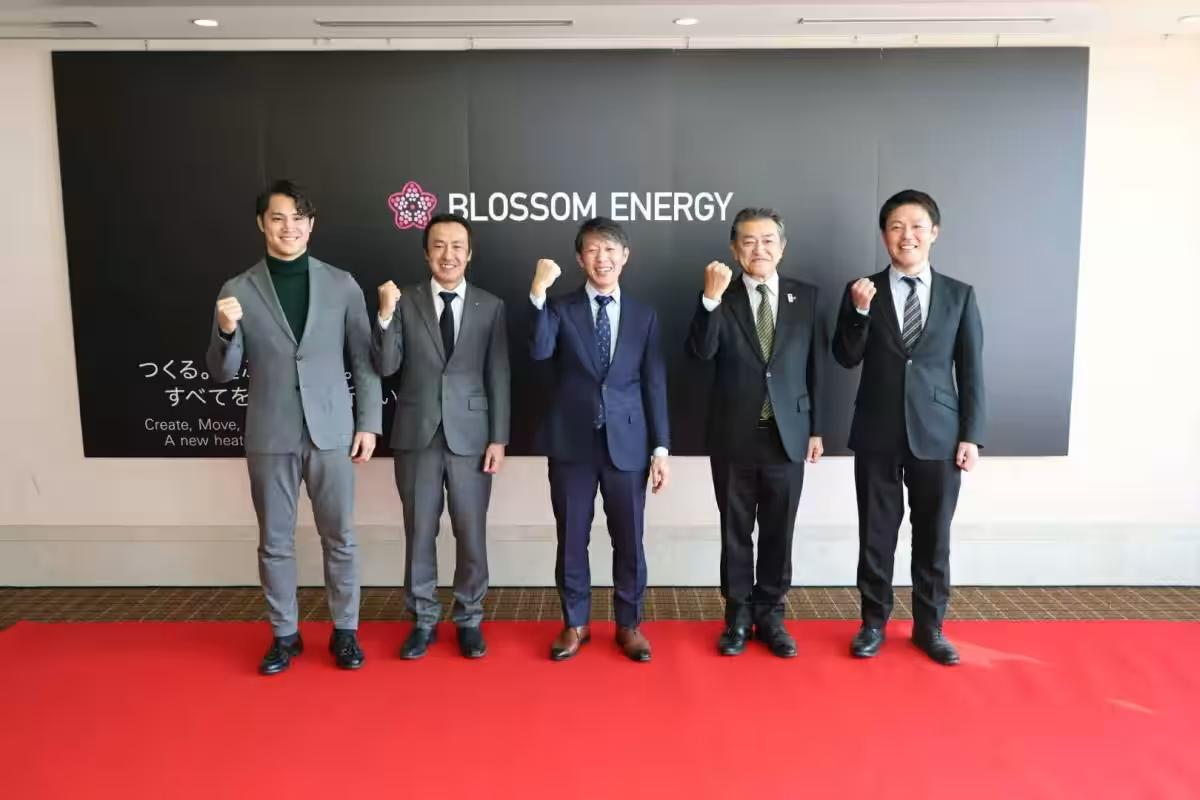
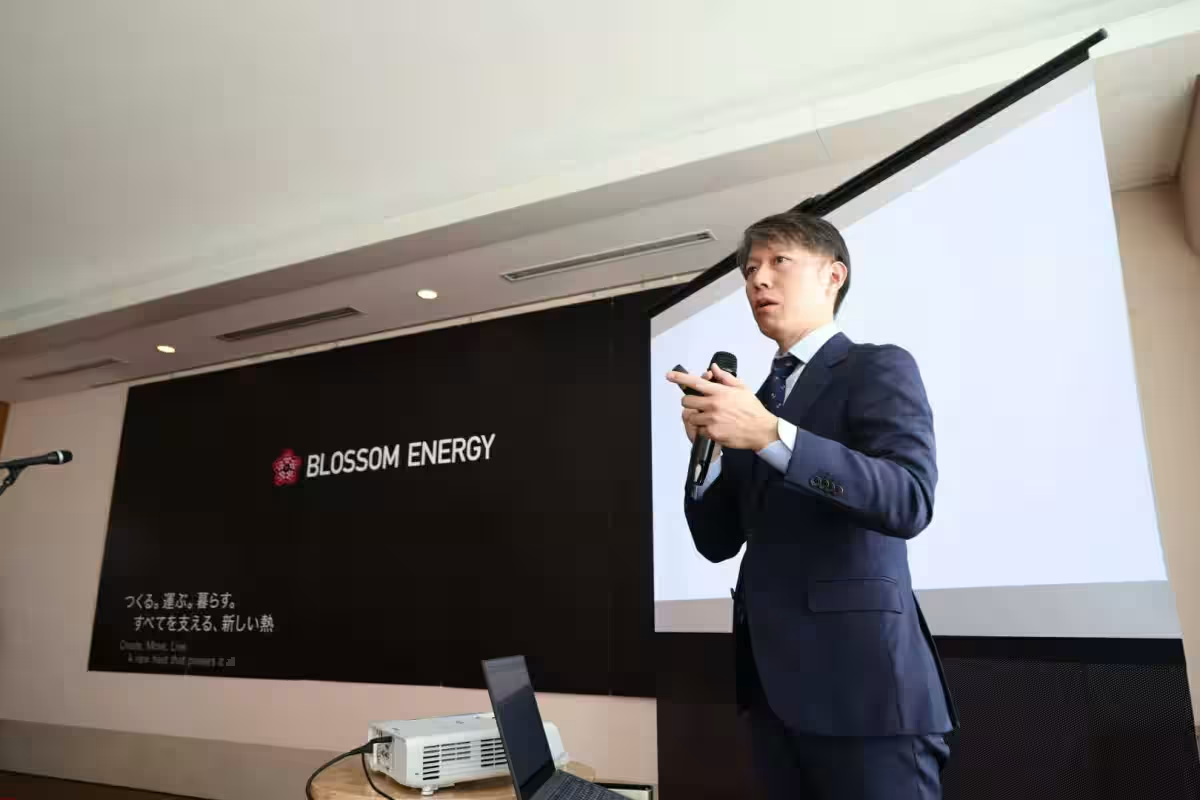
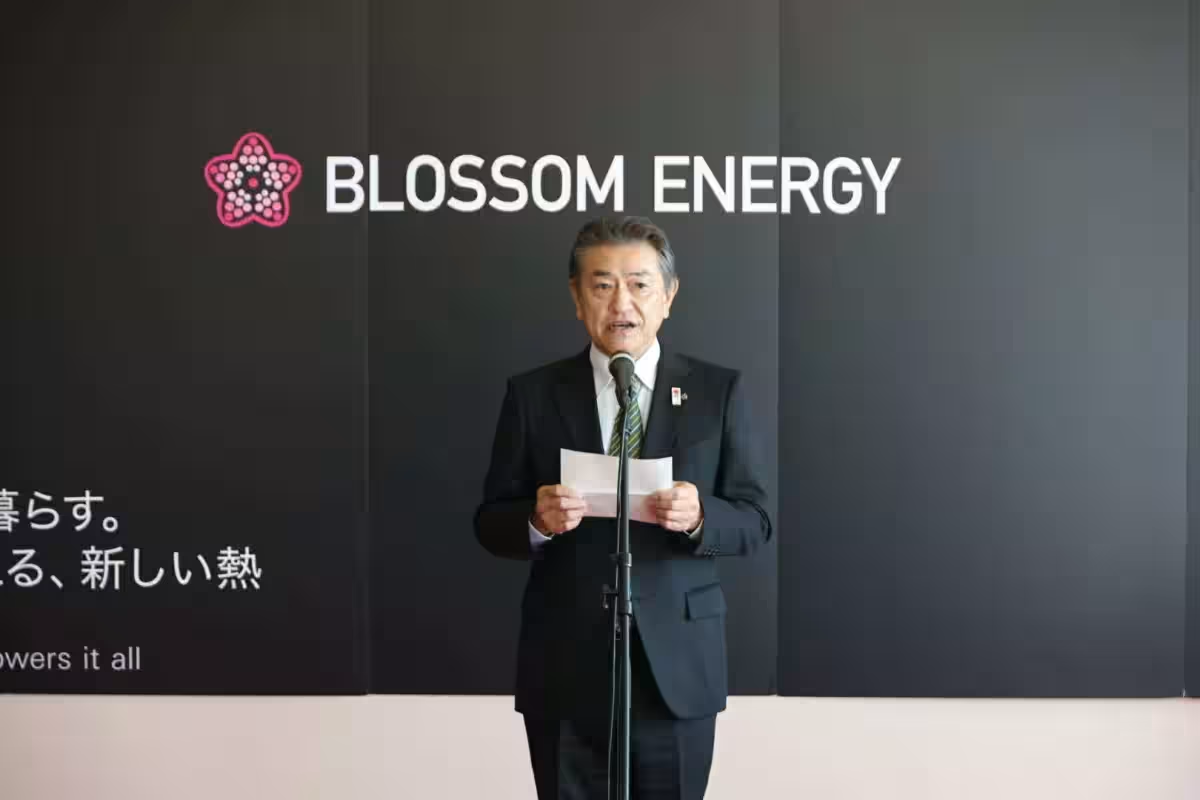
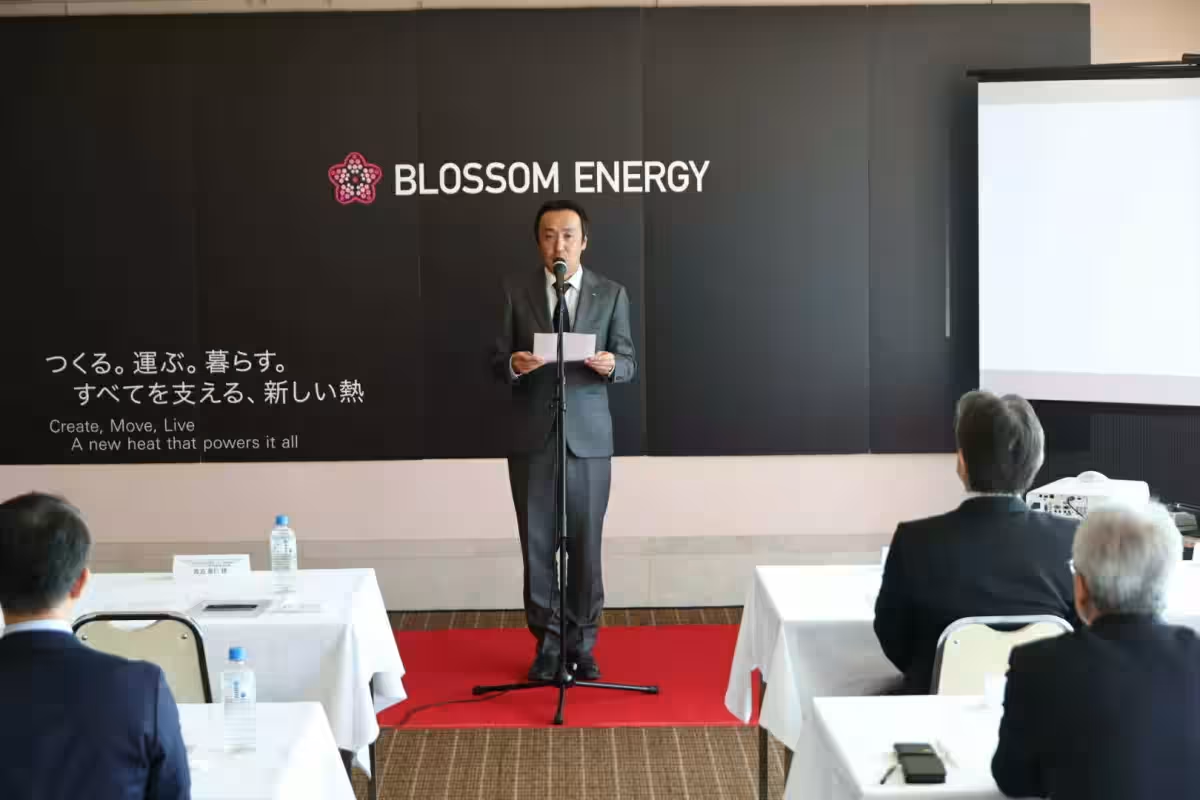
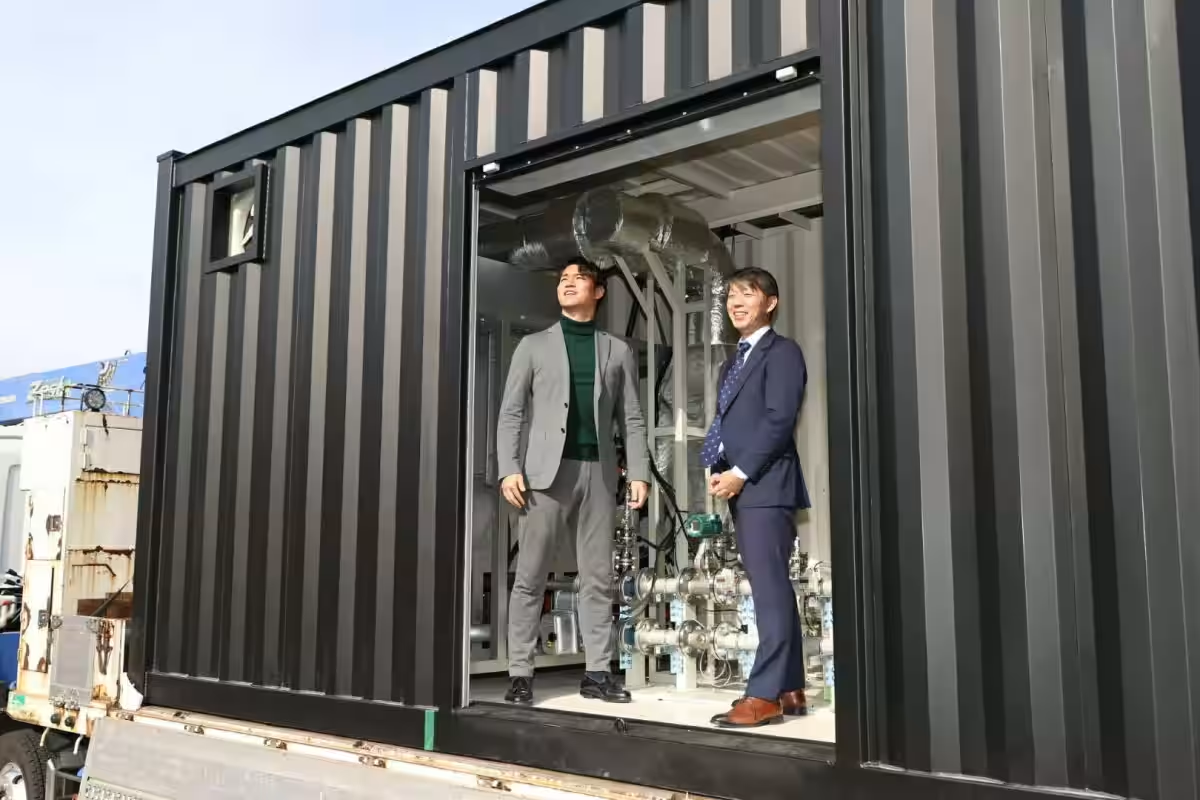
In a landmark achievement for the environment, Blossom Energy, a deep-tech venture founded by experts in nuclear research, has successfully deployed Japan's very first commercial thermal storage boiler, known as Blossom Energy G-TES. The inaugural unit installation was completed in Takehara City, Hiroshima Prefecture, where a results reporting event took place on December 23, 2025.
The event was graced by notable attendees, including Takehara's Mayor and representatives from the Hiroshima Prefectural Bureau of Industry and Commerce, commemorating the beginning of a new chapter in the decarbonization of Japan's manufacturing sector. This collaborative project was designed to explore and validate the potential of thermal storage boilers in practical applications.
A Shift in Environmental Responsibilities
Historically, the approach to boiler replacement was straightforward; it was mainly reactive, focusing only on replacing aging units when necessary. However, with Japan's commitment to achieving carbon neutrality by 2050, companies are now under pressure to not only reduce their environmental impact but also to provide detailed explanations for their sustainability efforts.
This shift in responsibility isn't just limited to large corporations; it extends throughout entire supply chains, challenging all businesses to rethink their operational strategies in light of environmental considerations.
The Burdens of Decision-Making in Boiler Upgrades
Many companies recognize the urgent need to address carbon emissions, yet decision-making in facilities is far from straightforward. Faced with impending regulations around underground fuel oil tank inspections, costs can easily escalate into the hundreds of thousands of yen. The decision to transition to alternative fuels requires substantial investments, often exceeding tens of millions of yen—a daunting prospect during such uncertain times.
The Limitations of Electrification
The notion of simply replacing fossil fuels with clean electricity may seem like a viable solution; however, it presents its own set of challenges. Renewable energy sources like solar and wind power are inherently variable, lacking constant availability, which poses a significant barrier to relying exclusively on them for energy needs.
Innovative Solutions Through Thermal Storage Technology
Among the strategies being explored globally, thermal storage emerges as a promising candidate. By storing surplus renewable energy in the form of heat, businesses can tap into this reserve during demand peaks, allowing for extensive energy storage that mitigates the intermittency of renewable sources.
The concept of thermal storage recently garnered international acclaim, ranking as one of the “Next Big Things” in the MIT Technology Review’s Breakthrough Technologies 2024 list.
The Unique Properties of Graphite: A Game-Changer
Blossom Energy's roots stem from over two decades of research into high-temperature gas reactors. Their CEO, Shinpei Hamamoto, possesses extensive experience at the Japan Atomic Energy Agency (JAEA), where he delved into systems designed for high-temperature thermal transport. The unique thermal capacity of graphite in nuclear reactors, which retains heat for an extended period, provides an innovative solution to energy storage—all while eliminating reliance on fossil fuels.
Transforming Challenges Into Strengths
This fundamentally “slow-cooling” property of graphite, perceived as a challenge in nuclear settings, has been reevaluated for use in thermal storage, wherein it allows renewable energy to heat the graphite, maintaining the heat using insulation. When required, this heat can then be extracted and utilized efficiently—relaying the concept of a traditional reactor to the context of renewable energy.
Global Recognition and Commitment to Innovation
As research progressed, it became evident that similar technologies were being pursued internationally. The rise of long-duration energy storage (LDES), especially in the U.S., is gaining traction, backed by major institutions like McKinsey and the IEA. This realization pushed Blossom Energy to pursue its goals with even more vigor.
The Launch of Blossom Energy
In January 2022, Blossom Energy began its journey, culminating in the unveiling of the G-TES in Takehara three years later. Supported by initiatives such as Haradake DX and various funding programs, their efforts to bring the first commercial thermal storage boiler to fruition, achieved recognition and celebration.
Celebrating the operational commencement of G-TES, Hamamoto stated: "We have not only developed a technology ready to reduce carbon emissions but also an opportunity for Japanese manufacturing to lead the way globally."
Future Prospects from Takehara to the World
With an ambitious plan to deploy 3,000 units in Japan and expanding into international markets by 2030, Blossom Energy is set to revolutionize how businesses think about energy sustainability. The G-TES not only represents a technological advancement but also posits a transformative moment for industrial decarbonization.
In conclusion, the success of Blossom Energy's debut model is more than just a company milestone; it signifies a broader potential for industries to align profitability with environmental responsibility as they transition towards more sustainable operations. As they continue to scale their efforts, Blossom Energy's commitment to harnessing green thermal energy could redefine the landscape of energy consumption, moving towards a greener future across borders.


Topics Consumer Products & Retail)
【About Using Articles】
You can freely use the title and article content by linking to the page where the article is posted.
※ Images cannot be used.
【About Links】
Links are free to use.