



2025 Work Switch Score Survey: Insights into Industry Well-Being Disparities
2025 Work Switch Score Survey: A Deep Dive into Industry Disparities
In a recent survey conducted by Persol Workswitch Consulting, which operates under the Persol Group based in Chiyoda, Tokyo, over 10,000 working individuals were evaluated using the unique metric called the Work Switch Score (WSS). This metric measures workplace well-being—defined as an enhancement of working happiness—through various parameters, including work engagement, joy in daily tasks, perception of personal growth, and work-life balance.
The study, aptly titled "2025 Industry-Specific Work Switch Score Survey," has highlighted significant variations across sectors regarding their employees' overall workplace satisfaction. The findings are particularly eye-opening, illustrating how some sectors actively foster a better working environment while others lag behind.
Key Findings from the Survey
The Work Switch Score is a unique indicator developed by Persol Workswitch Consulting, exhibiting scores based on four components:
- - Work Engagement: Reflecting enthusiasm and immersion in work.
- - Joy in Work: Capturing the delight experienced during daily tasks.
- - Growth Perception: Individuals' feelings of personal development within their roles.
- - Work-Life Balance: Evaluating harmony between professional duties and personal life.
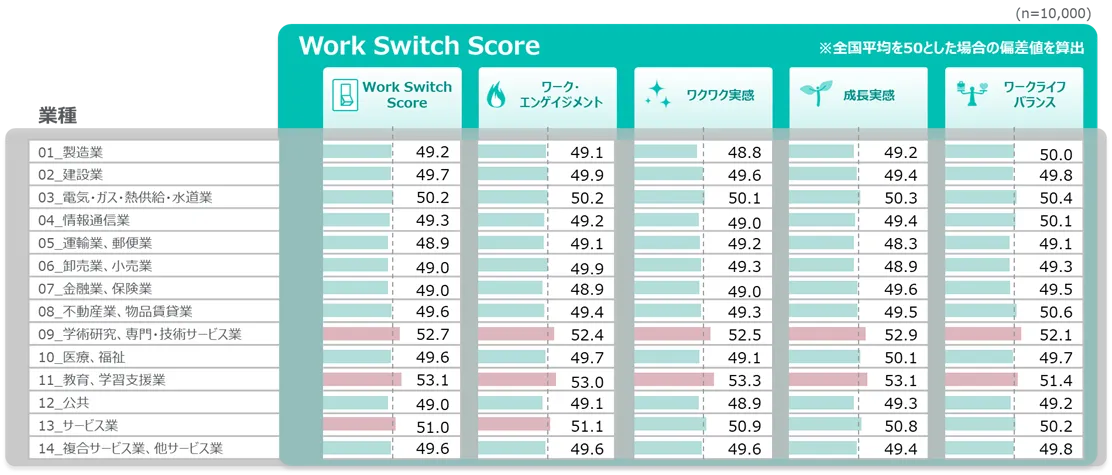
The survey revealed that the highest score was attained by the academic and specialized technical services sector, with a notable score of 52.7, well above the average score of 50.0. Moreover, the education and learning support sector led in work engagement with a score of 53.0.
Conversely, industries like manufacturing, wholesale and retail, and financial services reported lower scores averaging around 49.0. This discrepancy indicates a substantial gap in workplace well-being assessments between sectors, highlighting areas requiring urgent improvements.
Attention to Work-Life Balance
One of the most vivid points of concern is the noted difference in
work-life balance across varying industries. While the academic and technical services sector scored a commendable 52.1, several others remained significantly lower in the 49-point range. This variability suggests a stark contrast in the progress toward healthier working conditions, revealing that not all industries are advancing equally regarding work-life reforms.
Detailed Analysis and Improvement Potential
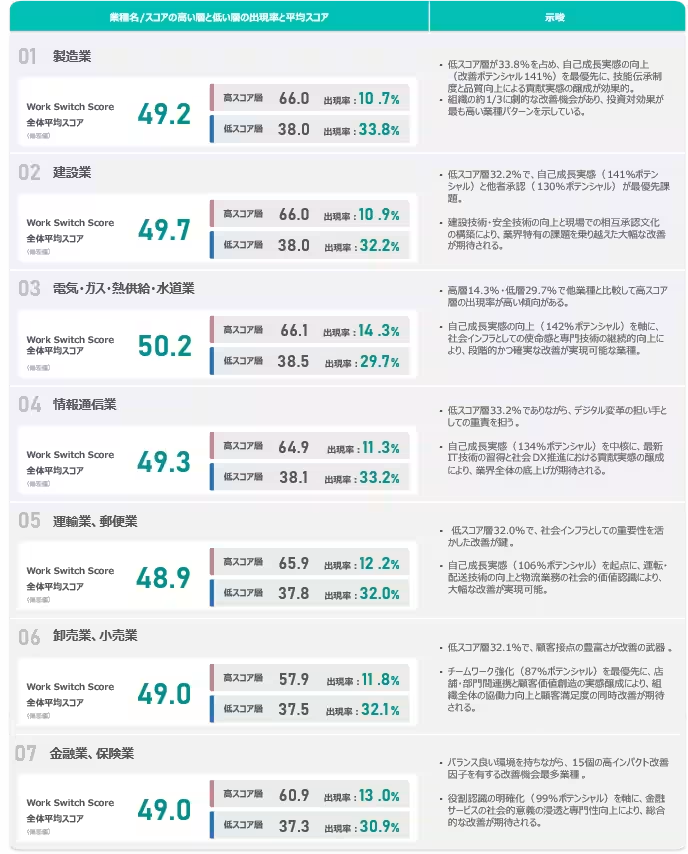
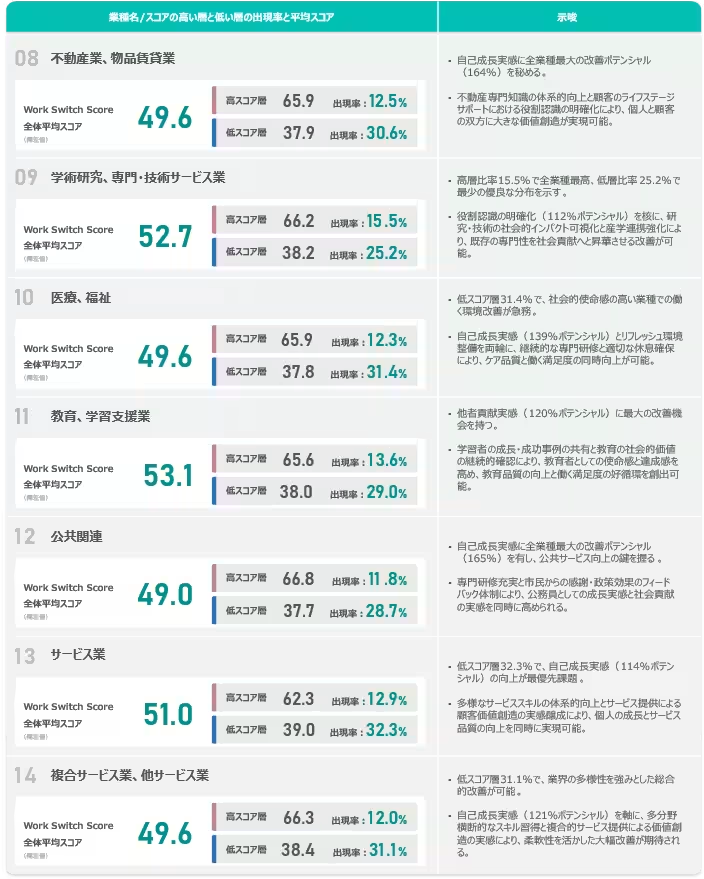
Critically analyzed, the 2025 Work Switch Score data indicated pronounced scoring disparities among industries. The approach taken involved comparing high and low score clusters within each sector, revealing each industry's potential for improvement along with specific challenges they face. Such analysis quantified the room for enhancement by determining the prevalence of high and low scoring individuals within each sector.
In the comprehensive "2025 Industry-Specific Work Switch Score Survey Report," correlations between various factors affecting the Work Switch Score are established. This analysis identifies the score difference between top-tier and lower-tier employees, offering practical suggestions for improvement. Key hypotheses around enhancing growth recognition, contribution, and role understanding within specific industries are presented to facilitate workplace well-being enhancements.
Conclusion and Future Directions
Persol Workswitch Consulting is committed to utilizing these insights to create actionable strategies aimed at fostering workplace well-being for organizations. By employing tailored support services grounded in the survey findings, companies can effectively tackle their employees’ well-being issues while enhancing productivity and job satisfaction.
For those interested in a deeper insight into the findings, the complete report of the 2025 Work Switch Score Survey is available for download, providing a valuable resource for businesses aiming to thrive in today’s complex work environments. Learn More Here
The survey was conducted from March 21 to March 25, 2025, utilizing an expansive sample of working individuals aged 20 to 69 across Japan. With a robust statistical basis and advanced analytical methodologies, such as the AI model analysis solution Dataiku, this survey emphasizes critical workplace well-being factors deserving attention from all industry leaders.

Topics People & Culture)

【About Using Articles】
You can freely use the title and article content by linking to the page where the article is posted.
※ Images cannot be used.
【About Links】
Links are free to use.