



Housekeeping Services: Insights into What People Really Want
Understanding the Demand for Housekeeping Services in Japan
In the fast-paced world of today, housekeeping services are garnering increased attention as a means to simplify daily life. A recent survey conducted by For It Co., Ltd., which operates the affiliate platform "afb", focused on the services people in Japan between the ages of 20 and 69 would like to consider using. The survey highlighted some noteworthy trends and preferences among different demographics.
Survey Overview
The survey aimed to gather insights from 500 individuals across Japan, utilizing a network research method to compile responses on the specific housekeeping services they would like to employ. The survey was conducted on June 10, 2023.
What Services Are in Demand?
Participants were given various options to choose from, including:
1. Cooking
2. Laundry
3. Ironing
4. Room Cleaning
5. Bathroom Cleaning
6. Kitchen Cleaning
7. Air Conditioning and Ventilation Cleaning
8. Grocery Shopping
9. Organization
10. Others
11. No specific service needed
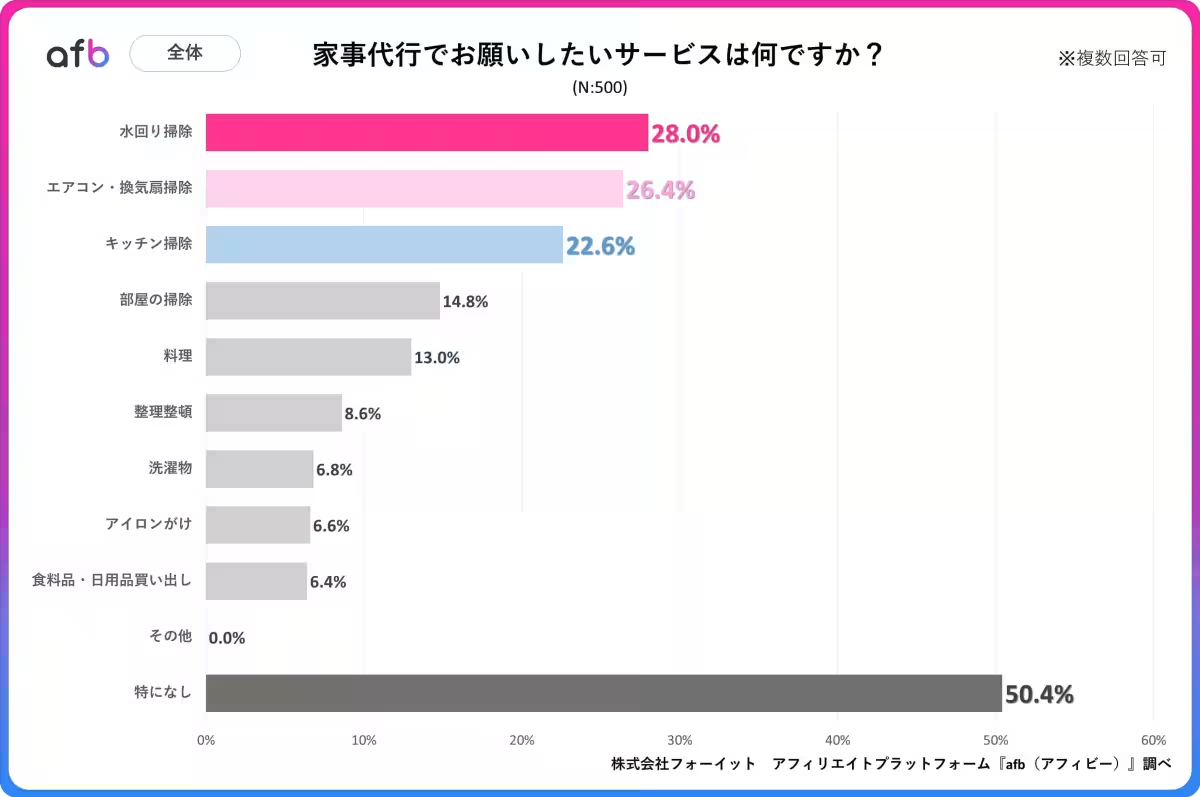
The survey revealed some compelling findings: the most requested service was "Bathroom Cleaning" at 28.0%, followed closely by "Air Conditioning and Ventilation Cleaning" at 26.4%, and "Kitchen Cleaning" at 22.6%. Interestingly, 50.4% of respondents indicated that they did not have a specific service in mind, suggesting a significant demand for housekeeping assistance among the population.
Gender Differences in Service Preference
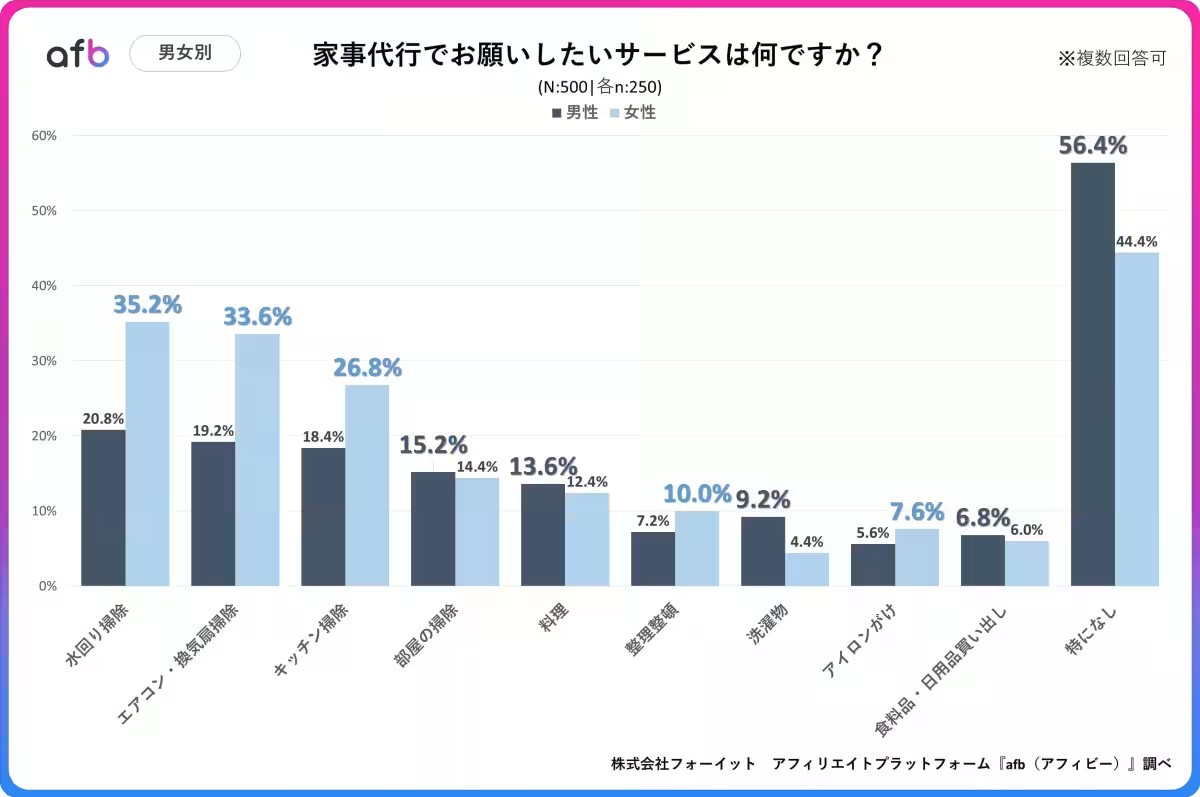
When analyzing the results through a gender lens, it was noted that women showed a higher tendency, more than 10% above their male counterparts, to request housekeeping services. Notably, women preferred specialized cleaning tasks that require a specific skill set, such as bathroom cleaning, air conditioning cleaning, and kitchen cleaning. On the other hand, tasks like cooking and organization did not exhibit significant variation in demand between genders.
This suggests that there’s a greater emphasis among women on acquiring help for challenging chores compared to day-to-day tasks, signaling an evolving understanding of the roles within household maintenance.
The Impact of Marital Status
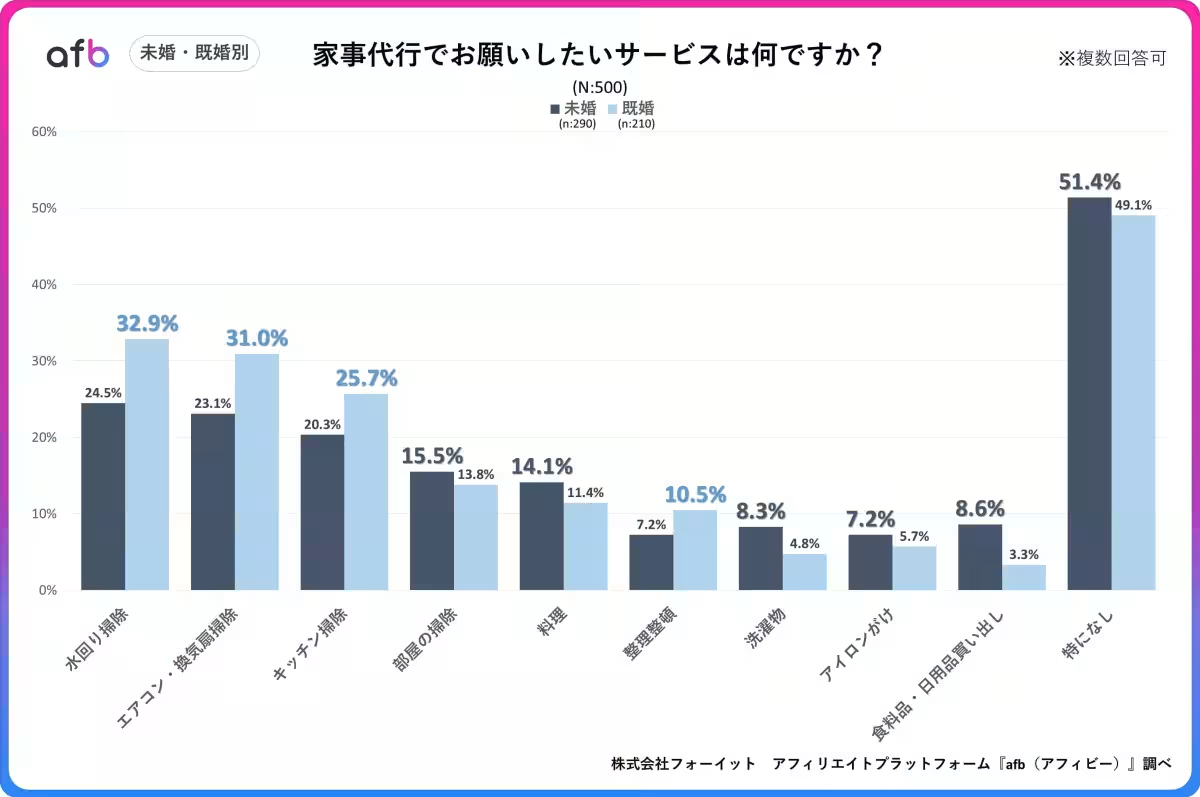
The preferences also varied significantly between married and single individuals. Married respondents expressed a marked increase in the desire for professional help with labor-intensive cleaning tasks (like bathroom and kitchen cleaning), which is likely a reflection of the greater household responsibilities they bear. Conversely, single individuals showed a stronger inclination towards services such as grocery shopping, highlighting a distinct need for assistance with day-to-day errands.
Analyzing Preferences by Occupation
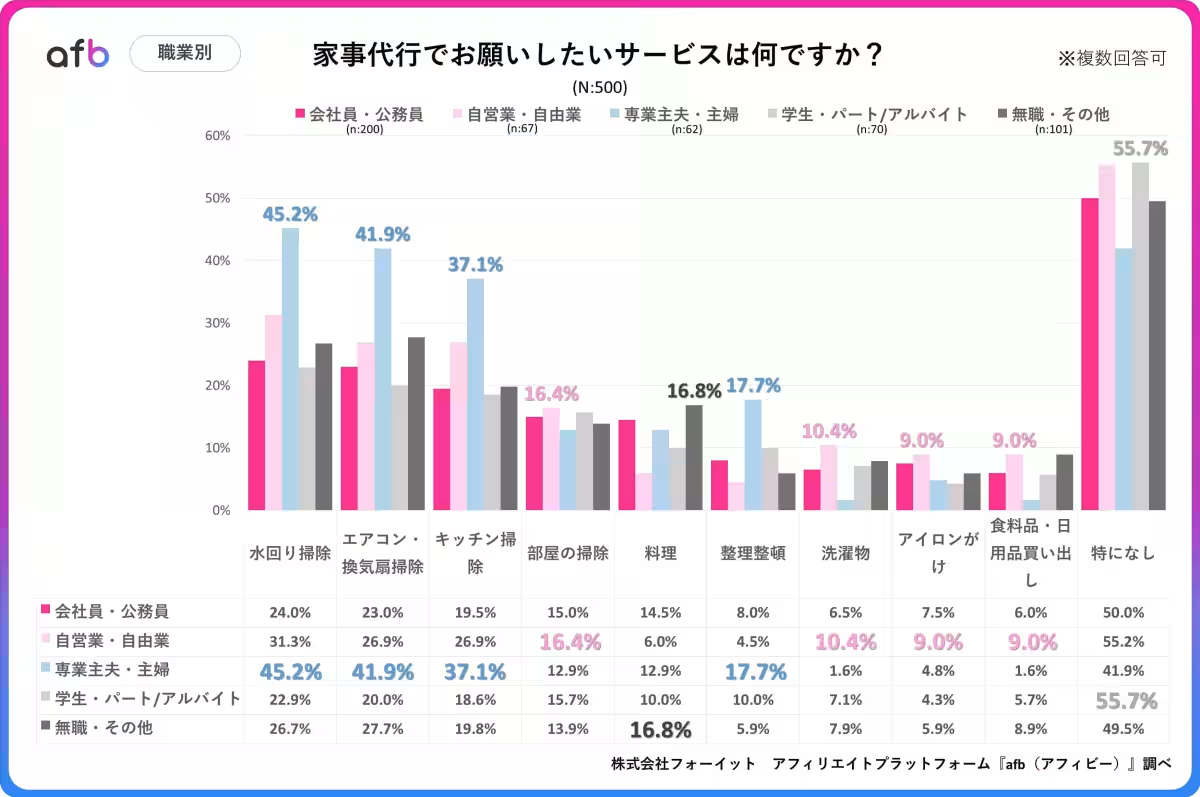
From an occupational standpoint, the highest demand for housekeeping services was found among stay-at-home parents. Their need for assistance with specialized cleaning tasks, such as air conditioning and bathroom cleaning, surpassed that of other occupational categories, indicating a desire to delegate more intensive household duties that they cannot easily manage due to time or skill constraints.
Conclusion and Implications
The survey indicates a clear trend: the demand for housekeeping services, regardless of gender, marital status, or occupational background, focuses predominantly on complex cleaning and specialized tasks. Particularly among those with heavier domestic responsibilities—such as women, married individuals, and stay-at-home parents—the desire to utilize housekeeping services is pronounced. By outsourcing these more daunting chores, individuals can free up time and mental energy, which may enhance their overall quality of life.
Housekeeping services are not merely a luxury; they are becoming increasingly recognized as a practical solution for managing the complexities of modern living. As public awareness about the availability of these services grows, it prompts discussions about household roles and the value placed on dedicated family time versus domestic responsibilities.
For more information about these findings and services, check out afb's website.

Topics Consumer Products & Retail)
【About Using Articles】
You can freely use the title and article content by linking to the page where the article is posted.
※ Images cannot be used.
【About Links】
Links are free to use.