



Survey Reveals Trust Levels in Generative AI Among Users Remain Low
Understanding Trust in Generative AI: A Recent Survey
In March 2025, Nile Corporation, headquartered in Shinagawa, Tokyo, conducted a nationwide survey exploring users' trust levels when utilizing generative AI for research. With a sample size of 6,602 men and women aged 20 to 60, the study reveals some intriguing insights into how generative AI is perceived as a tool for information gathering and the existing skepticism surrounding its reliability.
The Findings: Usage Statistics
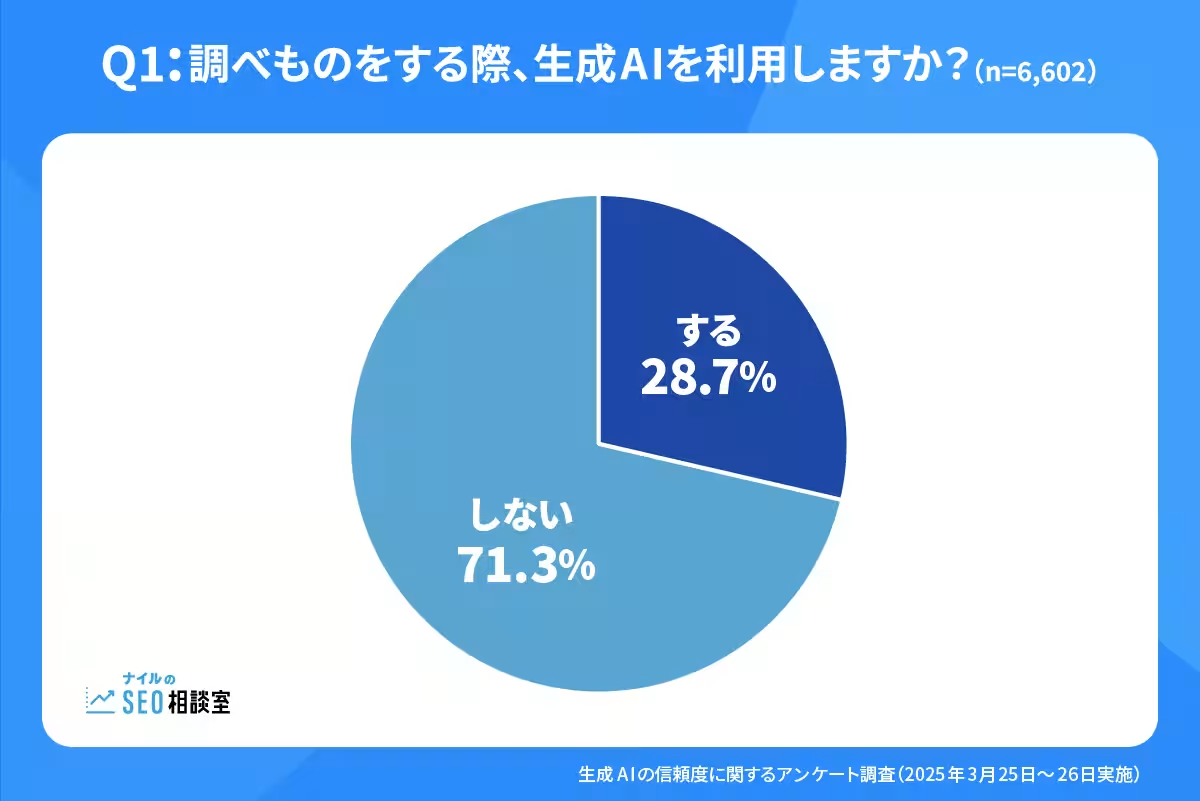
The survey disclosed that a mere 28.7% of participants reported using generative AI for their research needs. This statistic indicates that despite the rapid integration of generative AI into daily routines, a significant 70% of users still rely on traditional search engines. The reluctance to fully embrace generative AI may stem from an inherent trust in the familiar, along with concerns about the accuracy and credibility of AI-generated information. Many users still find no inconvenience in sticking with traditional search methods like Google or Yahoo.
Challenges with Trust: Skepticism Persists
The anxiety surrounding the reliability of AI-generated responses is evident among users, many of whom voice concern over whether the information provided is genuinely correct or how much of it can be trusted. Even with growing technological advancements, many users remain cautious, indicating a transitional phase where generative AI is not yet fully accepted.
What Users Research with Generative AI
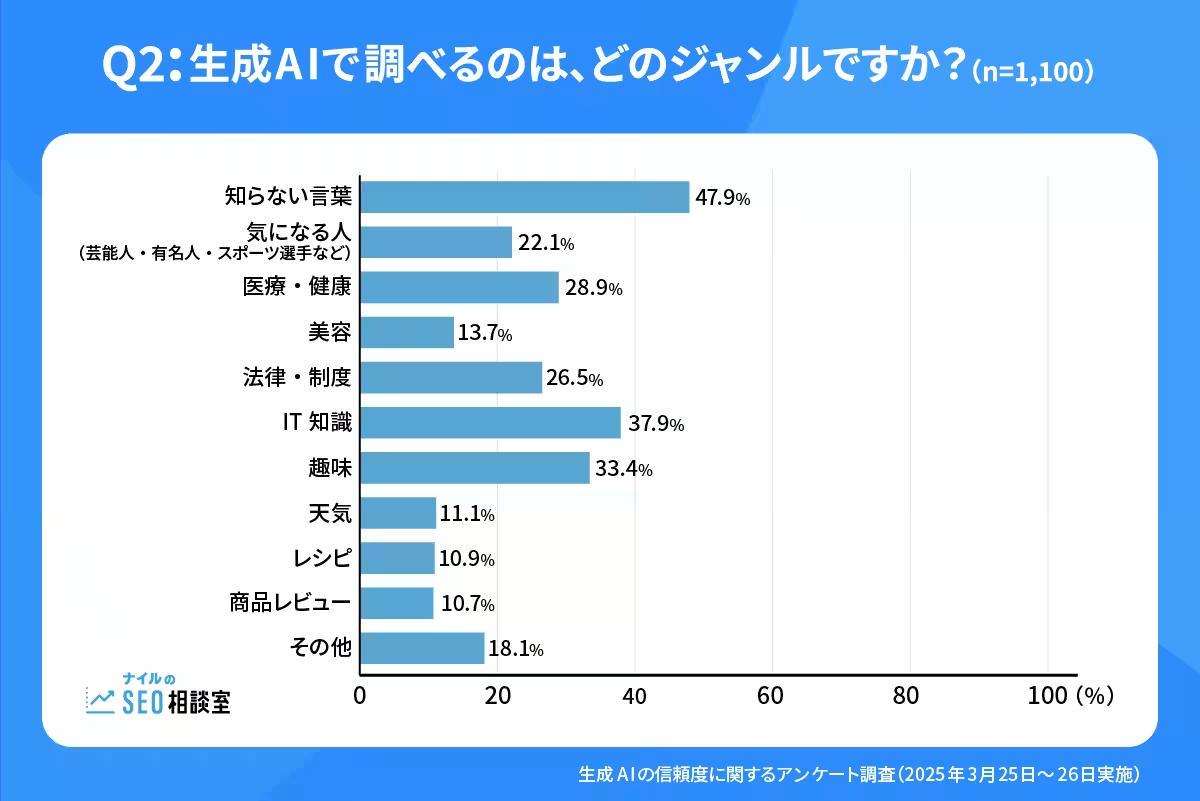
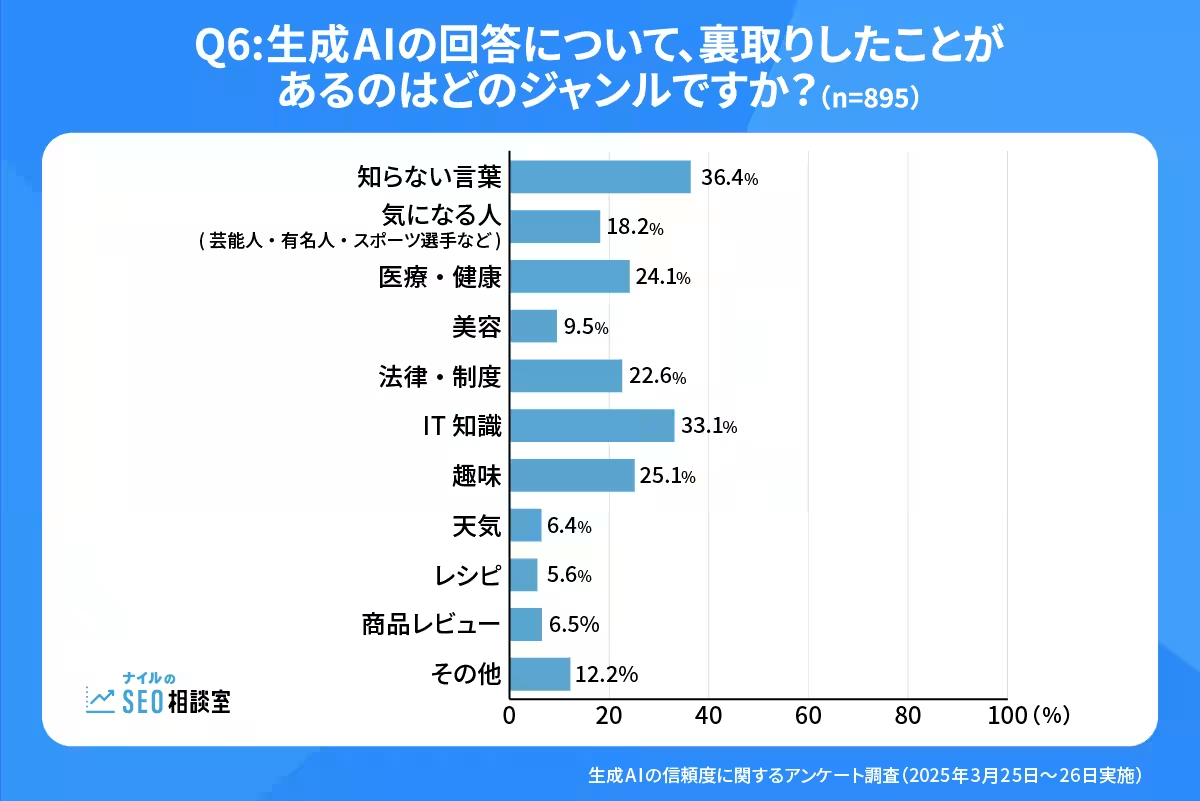
Interestingly, among those who do utilize AI for research, the most common inquiries revolve around unfamiliar terms, accounting for 47.9% of AI-related searches. This suggests that users prefer the direct answers generative AI provides for definitions or explanations over traditional search methods when tackling unknown vocabulary. Furthermore, topics such as medical health and legal systems also attract users, looking for concise summaries or simplified information about complex subjects, with usage rates of 28.9% and 26.5% respectively.
On the other hand, categories like weather forecasts, recipes, and product reviews see significantly lower generative AI engagement. Users seem to prefer real-time data and subjective reviews from other platforms like social media over AI-generated content in these domains.
Comparing Trust Levels: Search Engines vs. Generative AI
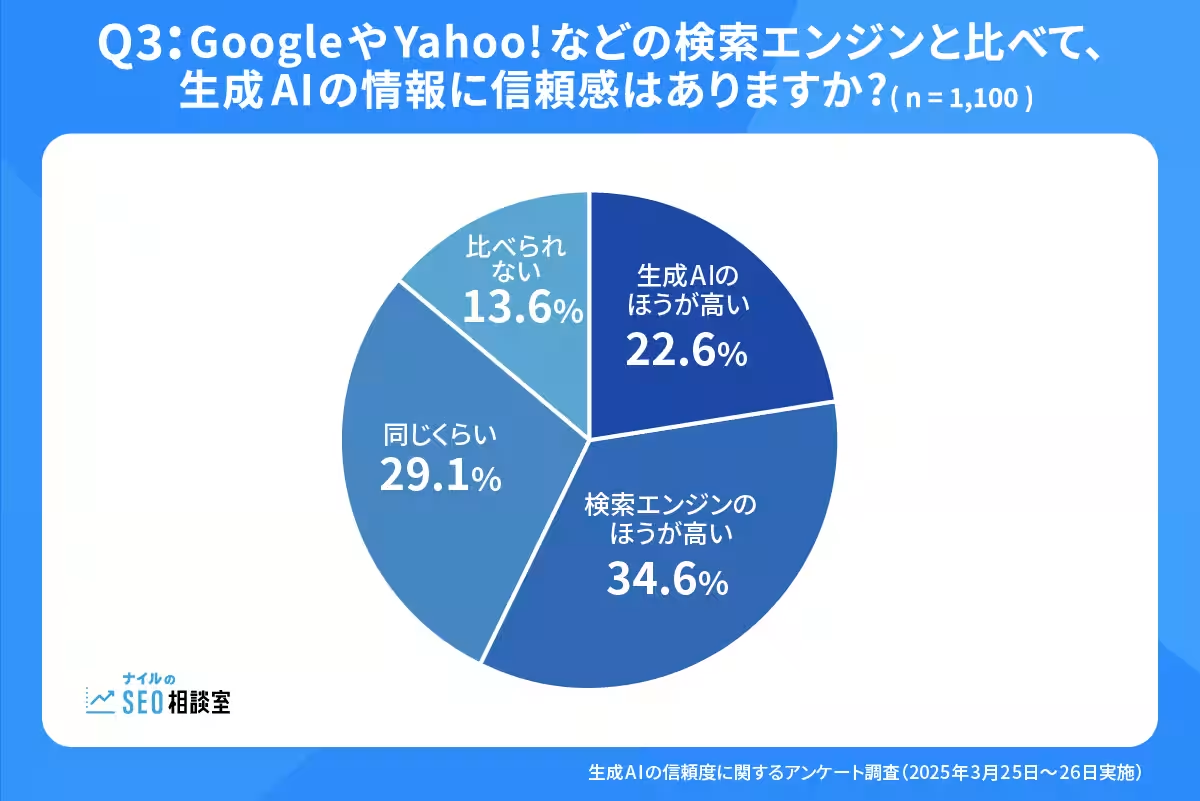
When assessing trustworthiness, 34.6% of respondents stated that they find traditional search engines more reliable, reflecting an established confidence in the accuracy and comprehensiveness of results provided by platforms like Google. Additionally, 29.1% of participants deemed both search engines and generative AI equally trustworthy. This flexibility showcases a growing trend where users adapt their tools based on specific needs and contexts. For example, users may prefer rapid definitions from AI while relying on search engines for in-depth research or recent news.
The Habit of Verification: Users Cross-Check AI Responses
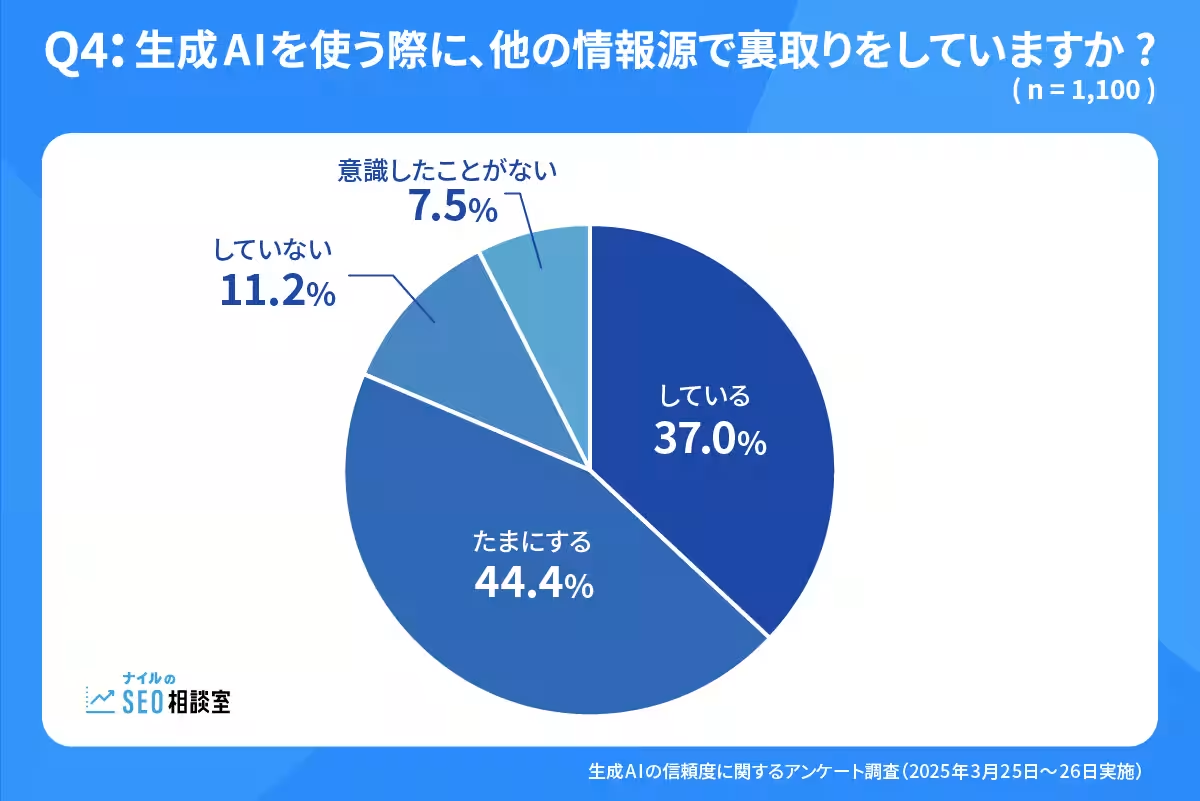
A notable finding from the survey indicates that more than 80% of respondents engage in some form of verification after receiving AI-generated responses. 37% explicitly confirmed they check AI answers against other sources, with an additional 44.4% admitting to doing so occasionally. This reflects an understanding among users of the potential inaccuracies in AI outputs, underlining the necessity for fact-checking.
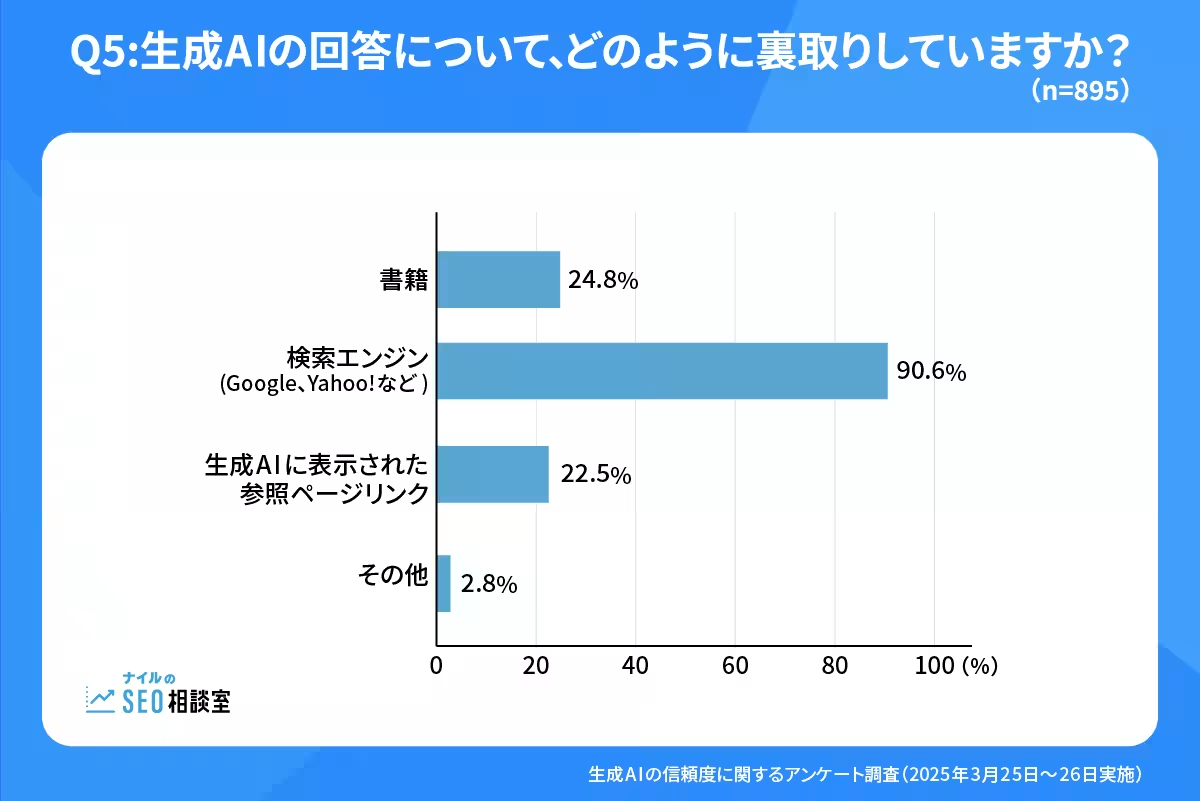
In these instances, over 90% turned back to traditional search engines for verification, favoring platforms that provide clear sourcing and multi-faceted viewpoints. This trend signifies that, although AI can summarize key points effectively, when digging deeper for evidence or validation, users still prefer conventional web searches.
Information Selection: The Current Landscape
Overall, the survey elucidated a duality in expectations and caution towards generative AI. Users are increasingly embracing AI as a supplementary tool in their research process, yet they retain a critical approach, balancing the use of AI with thorough factual verification through established channels. As advancements continue, innovative synergies, such as Google's AI Overviews, may allow users to benefit from the strengths of both generative AI and traditional search engines.
In conclusion, Nile Corporation is committed to observing the ongoing evolution of generative AI adoption in everyday contexts. We also intend to extend our support for enhancing marketing strategies using large language models (LLM), marking the beginning of a transformative journey in the marketing landscape. Stay tuned for exciting developments in this area!
Topics Consumer Products & Retail)
【About Using Articles】
You can freely use the title and article content by linking to the page where the article is posted.
※ Images cannot be used.
【About Links】
Links are free to use.