



Coca-Cola Bottlers Japan Initiates Biomass Power Generation Project with Tea and Coffee Grounds
Coca-Cola Bottlers Japan Launches Biomass Energy Initiative
Coca-Cola Bottlers Japan, headquartered in Minato, Tokyo, has initiated a groundbreaking pilot project that aims to harness the biomass generated from tea and coffee grounds during its manufacturing processes. By recovering clean energy and high-purity CO2, the company seeks to utilize these resources to improve its manufacturing power.
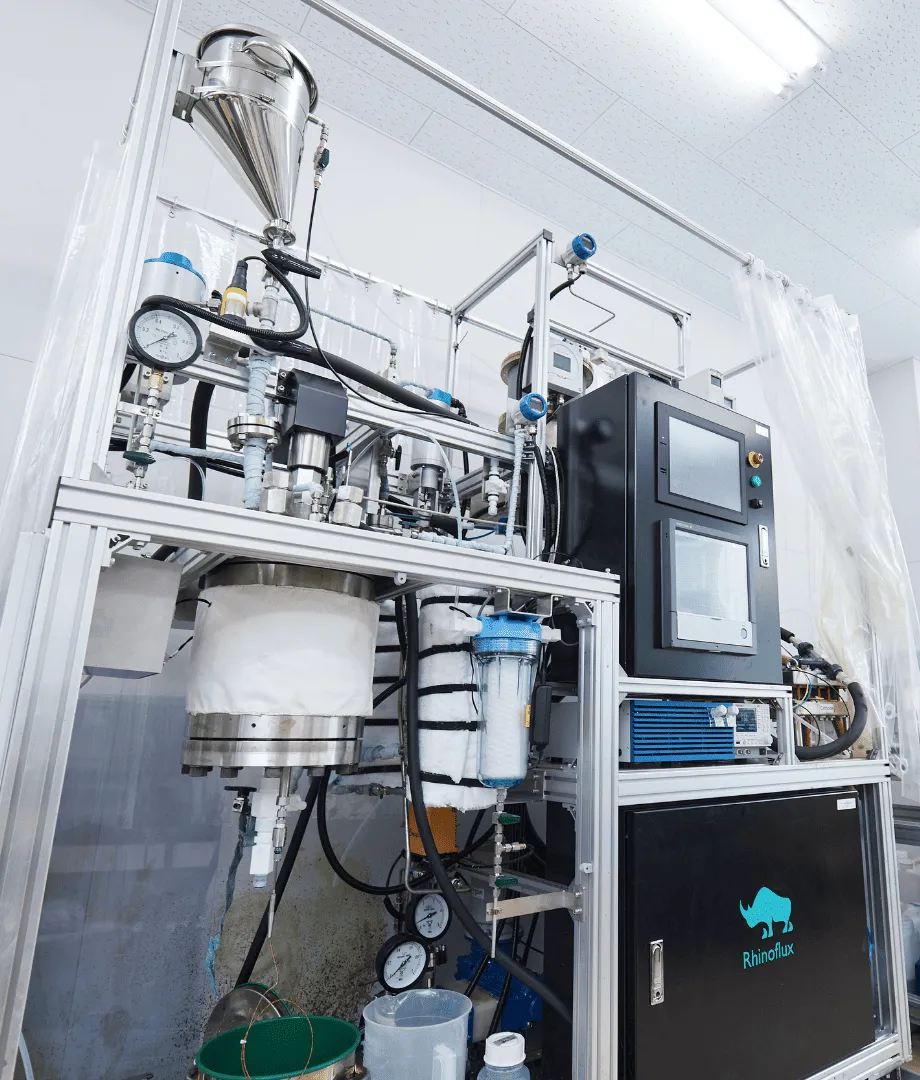
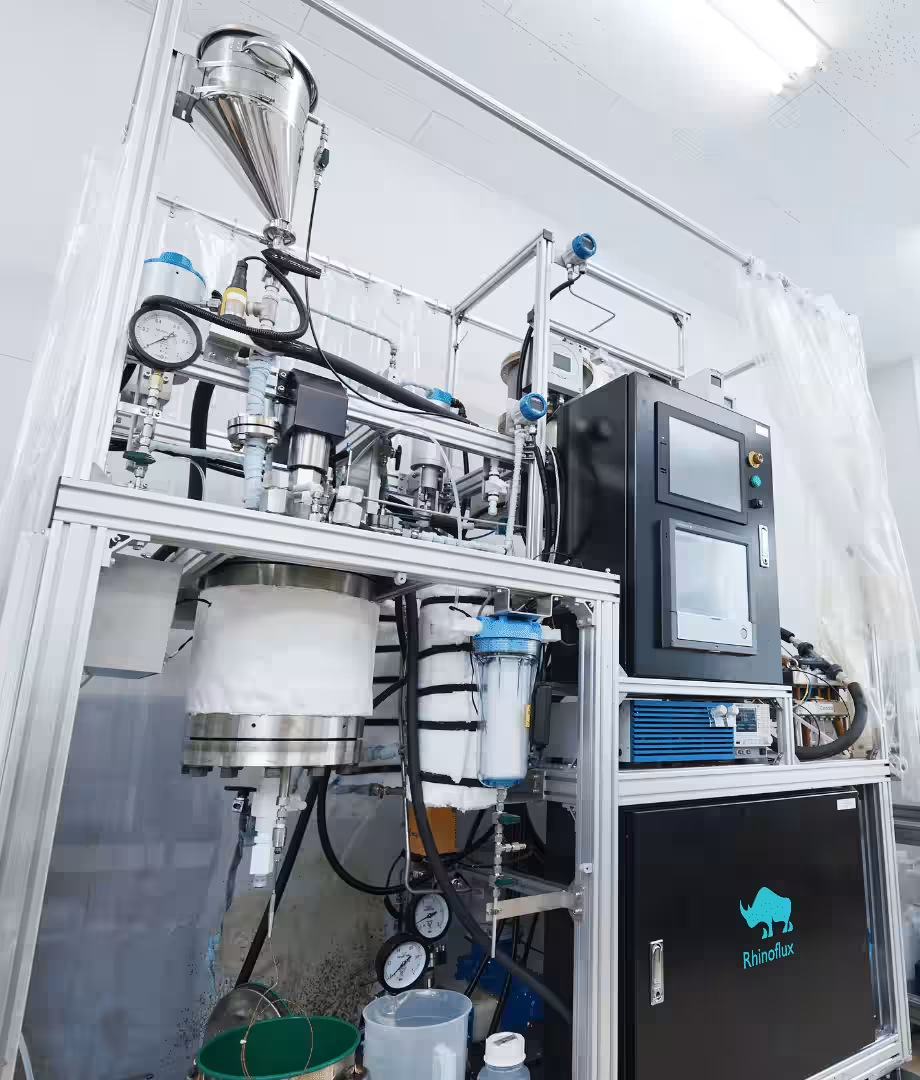
This initiative employs the innovative 'Wet Chemical Looping Technology' developed by Rhinoflux Co., Ltd., based in Kyoto. This technology effectively captures clean electricity and CO2 with over 99.9% purity from the biomass derived from tea and coffee grounds, creating an opportunity for reuse within the manufacturing facilities. Starting from 2026, Coca-Cola's Kyoto plant will continuously feed tea and coffee grounds into Rhinoflux's small-scale pilot system, evaluating and verifying the performance in terms of electricity generation and CO2 recovery.
Wet Chemical Looping Technology stands out as it is designed to handle moist biomass materials, which have traditionally posed challenges for recycling and reuse. The ability to handle these wet raw materials makes it particularly suitable for the by-products of beverage manufacturing processes. Additionally, this technology features compact equipment that allows for on-site processing, significantly cutting transportation costs and lowering CO2 emissions associated with moving materials.
Coca-Cola Bottlers Japan is committed to promoting waste separation and recycling across its 17 factories. The recycling rates for tea and coffee grounds as fertilizers and animal feed have already reached an impressive 100% by the end of 2024. The integration of this advanced technology marks a step toward further enhancing their resource recycling efforts, aiming to return high-value resources back into the manufacturing process.
Moving forward, Coca-Cola Bottlers Japan is determined to actively participate in achieving a circular economy. The company plans to continue exploring initiatives that reduce waste and promote efficient resource utilization, aligning with broader sustainability goals.
About Wet Chemical Looping Technology
Wet Chemical Looping Technology utilizes oxidation and reduction reactions involving metal ions in aqueous solutions to recover electricity and CO2 from biomass efficiently and economically. Compared to traditional methods, this technology can accommodate moist raw materials and boast higher electricity generation efficiency, while allowing the setup of small-scale plants at desired locations. More details can be found on Rhinoflux's website: Rhinoflux Website.
Coca-Cola Bottlers Japan’s Commitment to a Circular Economy
For further information about Coca-Cola Bottlers Japan's efforts toward a circular economy, please visit: Coca-Cola Bottlers Japan Environment Initiatives.
Note: The information provided in this news release reflects the situation as of the date of publication and may differ from the latest updates.
Topics Consumer Products & Retail)



【About Using Articles】
You can freely use the title and article content by linking to the page where the article is posted.
※ Images cannot be used.
【About Links】
Links are free to use.