



Ito-Ki and Toyota UCPYCLE Collaborate to Create Unique Art Furniture from Recycled Plastics
Collaboration for Sustainability
Ito-Ki, a well-established furniture manufacturer based in Chuo, Tokyo, has teamed up with Toyota Motor Corporation, headquartered in Toyota City, Aichi Prefecture, to spearhead innovative furniture development using discarded materials from their production processes. This exciting partnership falls under Toyota's "TOYOTA UPCYCLE" initiative, which seeks to repurpose waste generated in the manufacturing of both automotive and office furniture products.
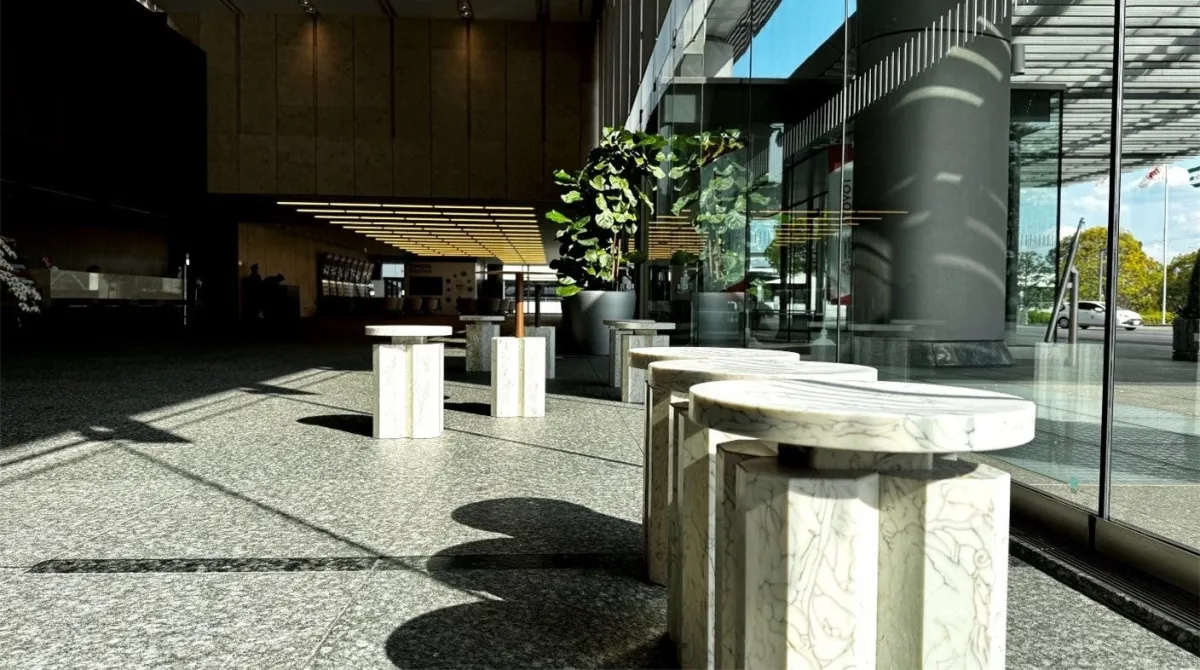
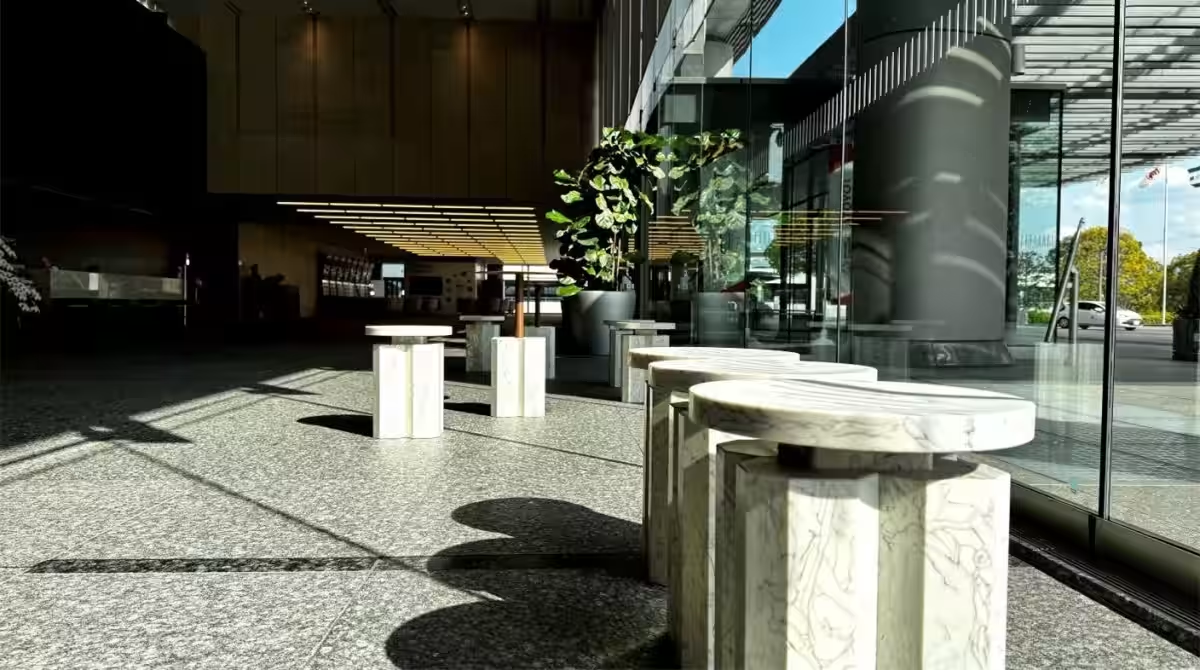
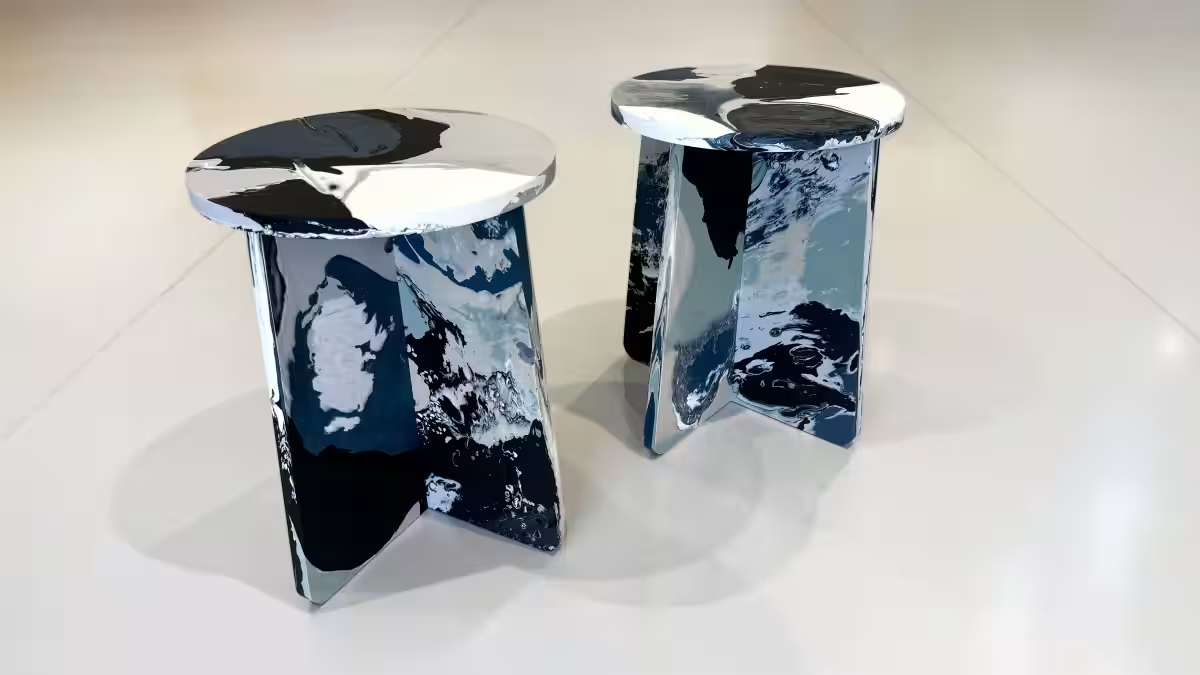
The collaboration has led to the creation of unique art tables and stools constructed from waste plastics produced during the companies’ respective manufacturing processes. Initially, these innovative pieces have been installed at Toyota's headquarters, showcasing the potential of upcycled materials.
Tackling Waste Management Challenges
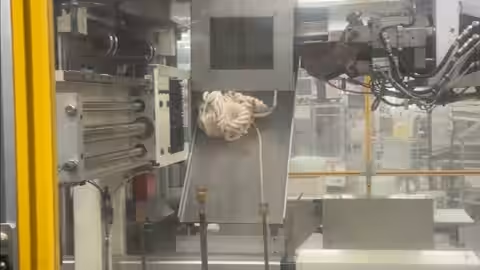
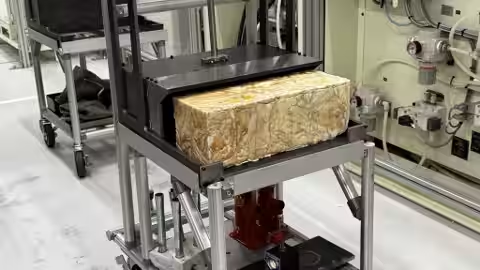
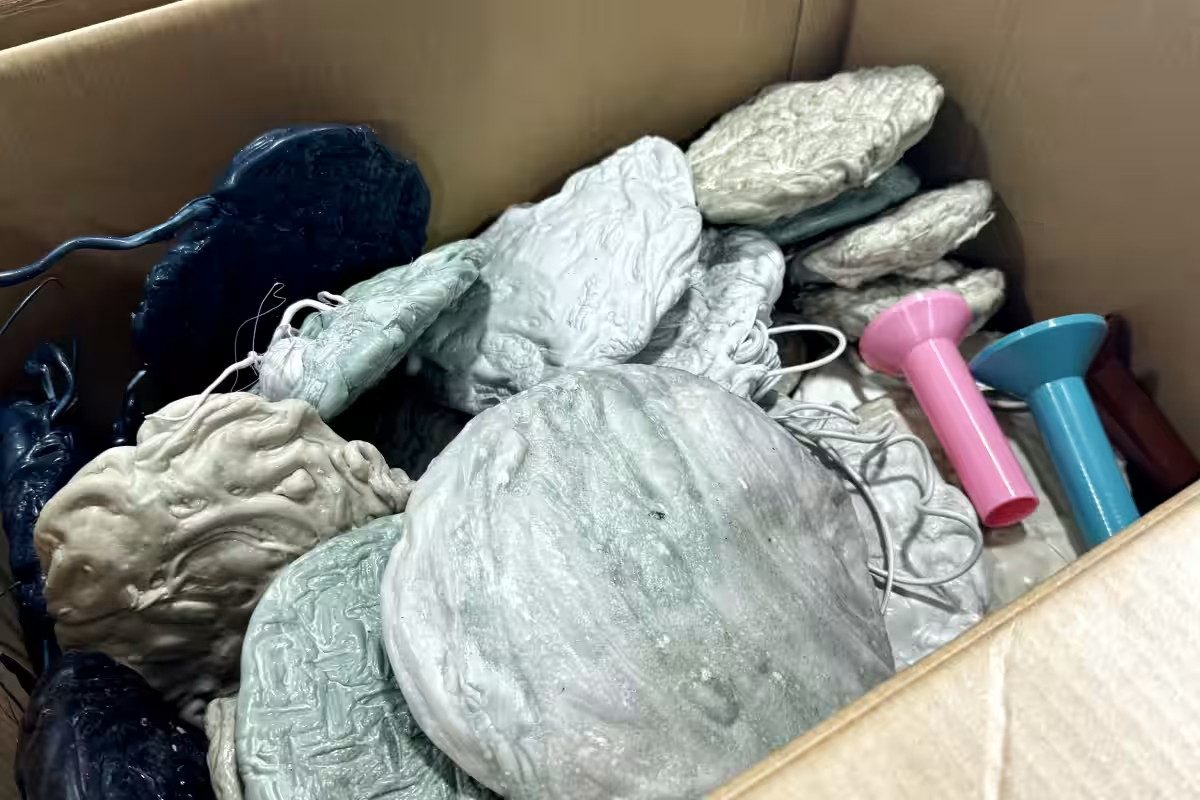
during the manufacturing of vehicles and office furniture, a significant amount of diverse waste is produced. Materials that fail to meet quality standards or that cannot be transformed into marketable products often end up discarded. A notable example is the purge materials generated during injection molding processes. While many of these plastics exhibit remarkable properties, such as high durability and vibrant colors, they are frequently wasted due to their inability to be reused directly.
Recognizing this challenge, Ito-Ki and Toyota have embarked on a mission to transform these materials into artistic and functional designs, thereby creating new value from what would typically be thought of as waste.
Innovative Product Development
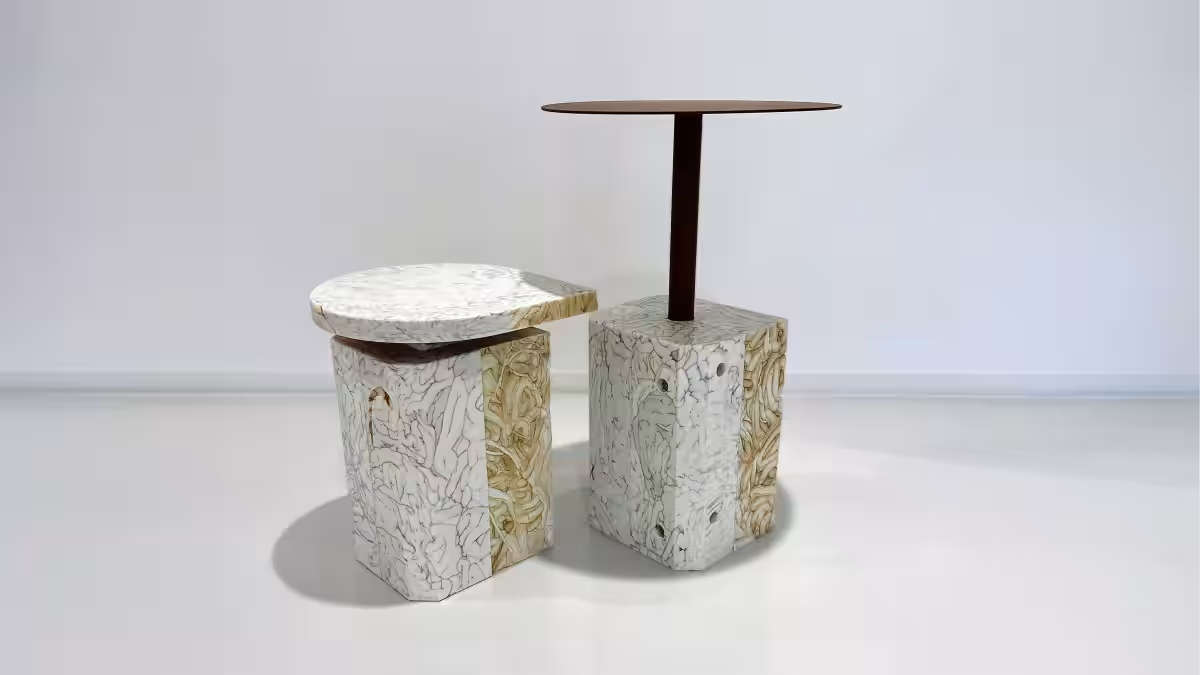
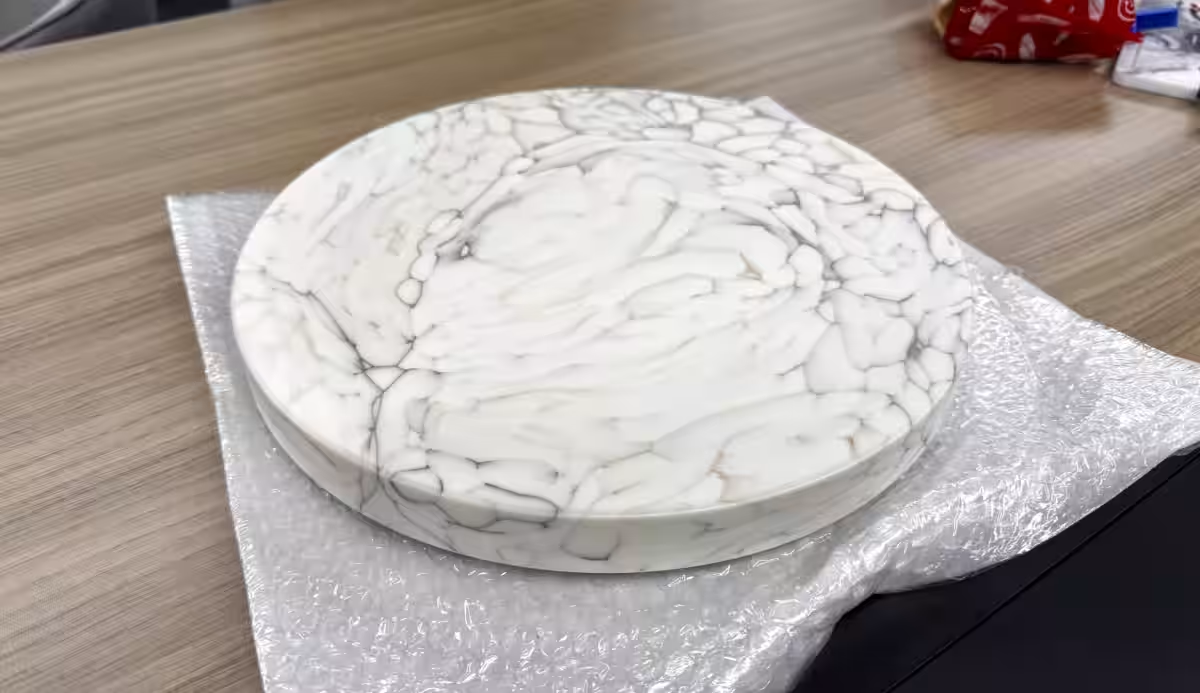
One of the standout creations from this project is a side table and stool fashioned from nylon purge materials used in the manufacturing of hydrogen tanks for Toyota’s fuel cell vehicle, MIRAI. The meticulous design process involved shaping the materials to produce unexpected patterns and reflective qualities reminiscent of natural stone, enhancing the inherent beauty of the plastic. By preserving certain unshaped areas of the components, the final products pay homage to both their origins and the robust nature of the original materials.
Ito-Ki's dedicated product development team played a pivotal role in the design and assembly of these pieces, demonstrating their artistic vision while ensuring structural integrity without compromising on aesthetic appeal.
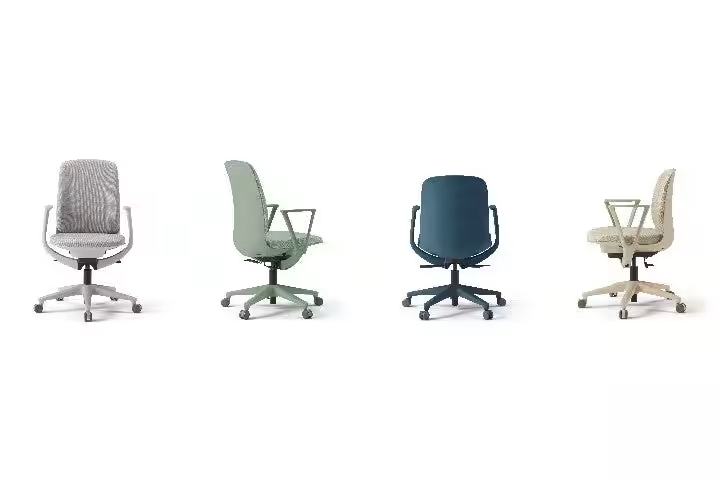
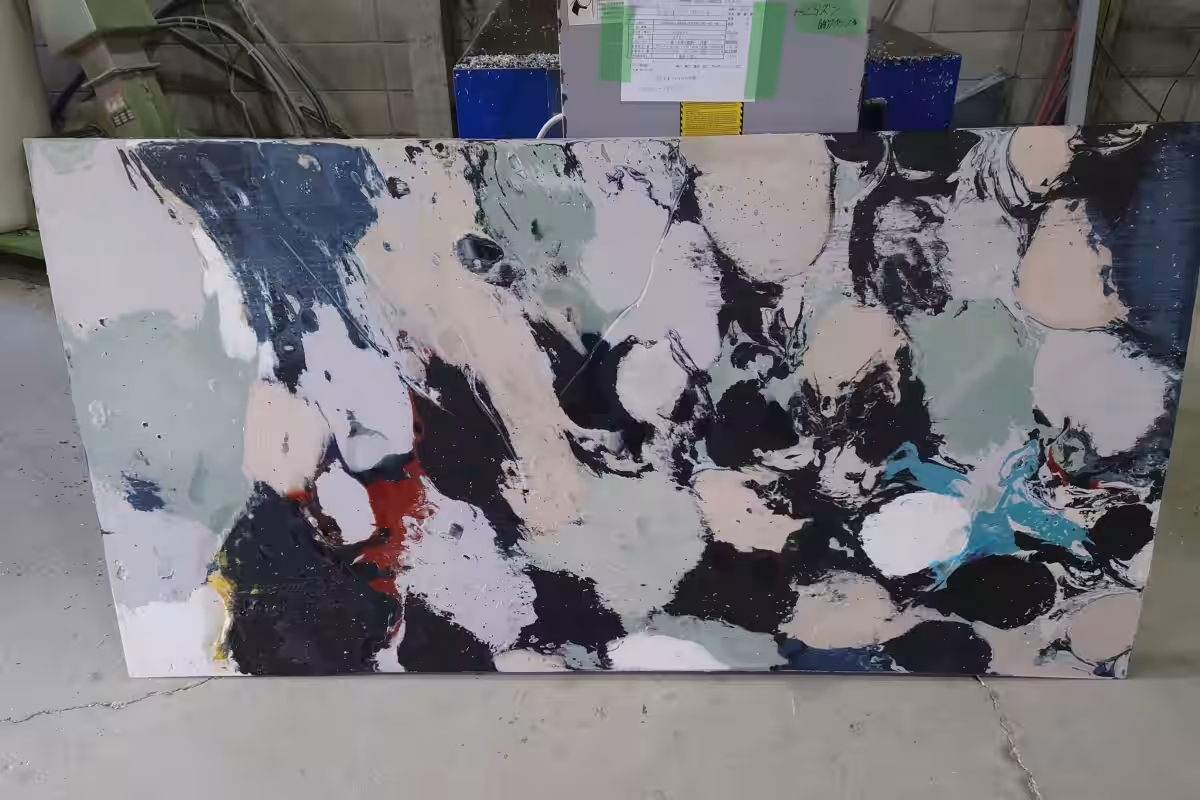
On a parallel front, Ito-Ki is independently developing furniture from plastics generated within its own manufacturing facility. Utilizing colorful polypropylene purge materials sourced from task chair production, they have created a visually striking stool. This piece features an abstract design formed by pressing melted plastics into board material, leading to the creation of textures that echo traditional abstract painting. The design cleverly minimizes the use of screws and adhesives, utilizing slotted components that interconnect for added strength while maintaining a simple silhouette.
A Unified Vision for a Sustainable Future
The guiding philosophy behind this collaboration is to leverage design to provide new value to waste, thus addressing challenges for both waste producers and consumers. Ito-Ki and Toyota are committed to expanding the methods of upcycling waste materials by collaborating with various partners across industries. Furthermore, they aim to raise awareness among consumers about the current status of waste and encouraging them to recognize and appreciate the newly created value.
The vision of transforming “Mottainai” (a Japanese term for wastefulness) into a future of “Better” is at the core of their endeavors, driving them towards a sustainable production society where waste is minimized.
Future Endeavors
As part of this initiative, both companies welcome inquiries from other manufacturers facing similar waste challenges and wish to join them in their vision for a sustainable future.
Comments from Project Members
Yohei Yamamoto, of Ito-Ki's Product Development Department, reflected on this enlightening experience. Previously accustomed to using virgin materials, he has discovered that fascinating designs can also emerge from waste materials through this collaboration with Toyota. He emphasized the necessity of understanding the characteristics of materials, how they are disposed of, and the optimal methods to repurpose them through engaging with challenging issues.
Shinobu Takagi from Toyota's New Business Planning Department expressed gratitude for the shared insights gained during this collaboration, acknowledging the efforts made by Ito-Ki to understand the waste-generating processes in their factories. The combination of Toyota's technical expertise with Ito-Ki's design and development capabilities to create new values brings mutual excitement for the future.
Conclusion
Ultimately, the collaboration between Ito-Ki and Toyota reflects a broader commitment to achieving a circular economy. Through creativity and innovation, they are pioneering a future where sustainability is at the forefront of production practices, setting an example for industries worldwide to follow.
Additional Information on TOYOTA UPCYCLE
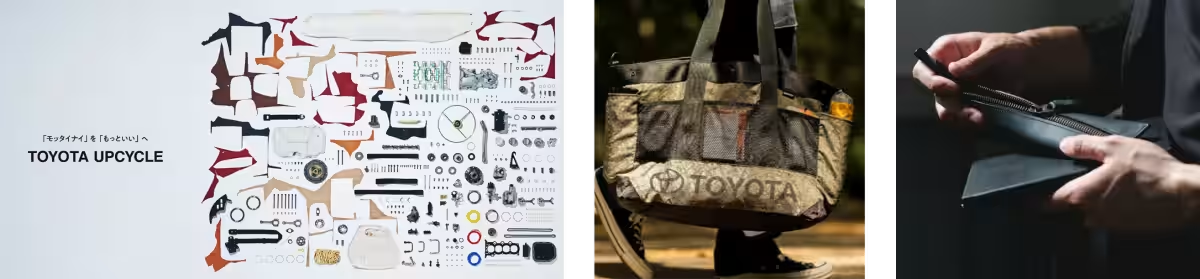
The "TOYOTA UPCYCLE" project is designed with a mission of creating a future where

Topics Consumer Products & Retail)


【About Using Articles】
You can freely use the title and article content by linking to the page where the article is posted.
※ Images cannot be used.
【About Links】
Links are free to use.